
Travis Trailers For Sale
Browse Travis trailers for sale, including aluminum end dump and dump trailer configurations built for grain, coal, aggregate, and bulk haul work.
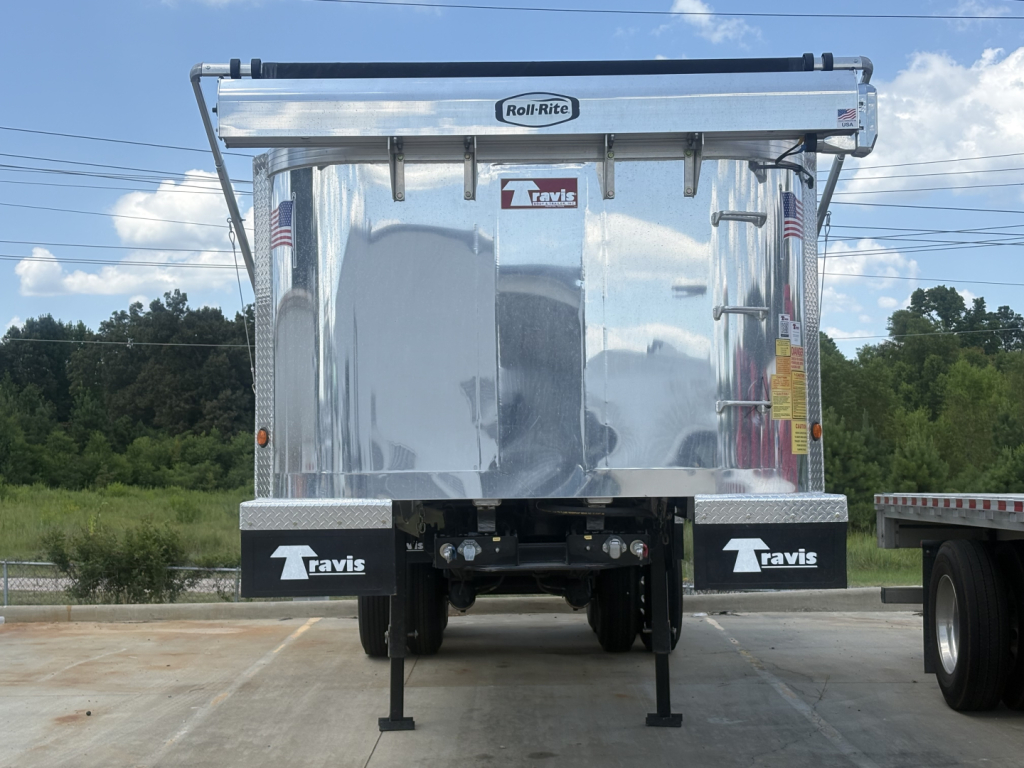
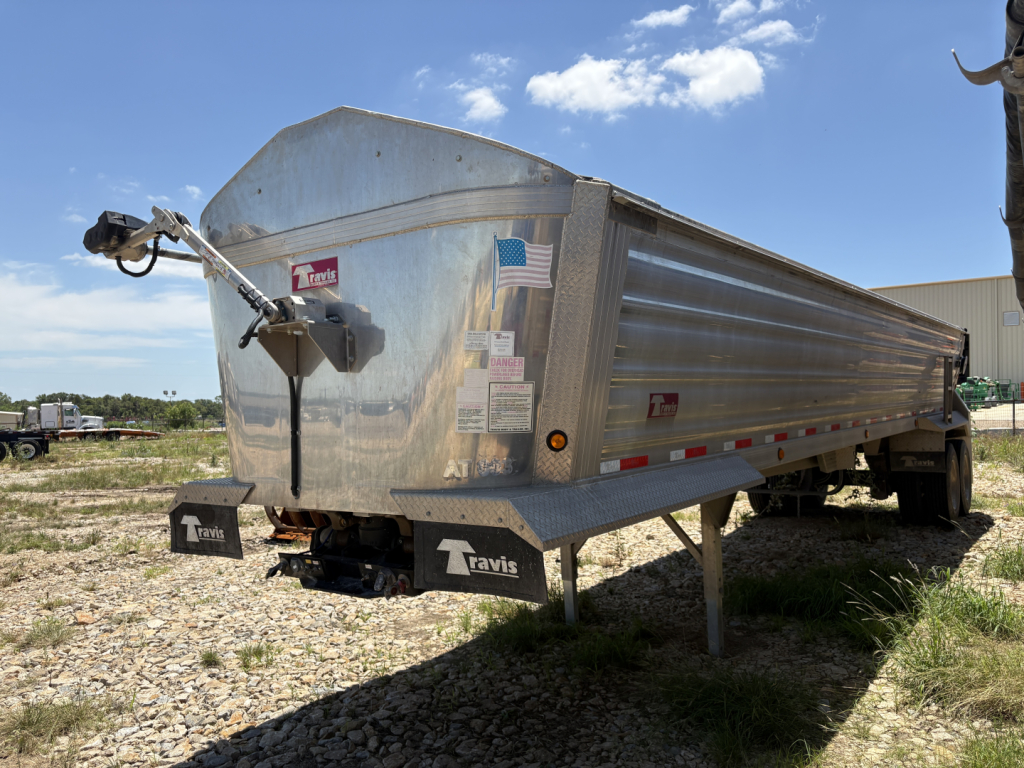
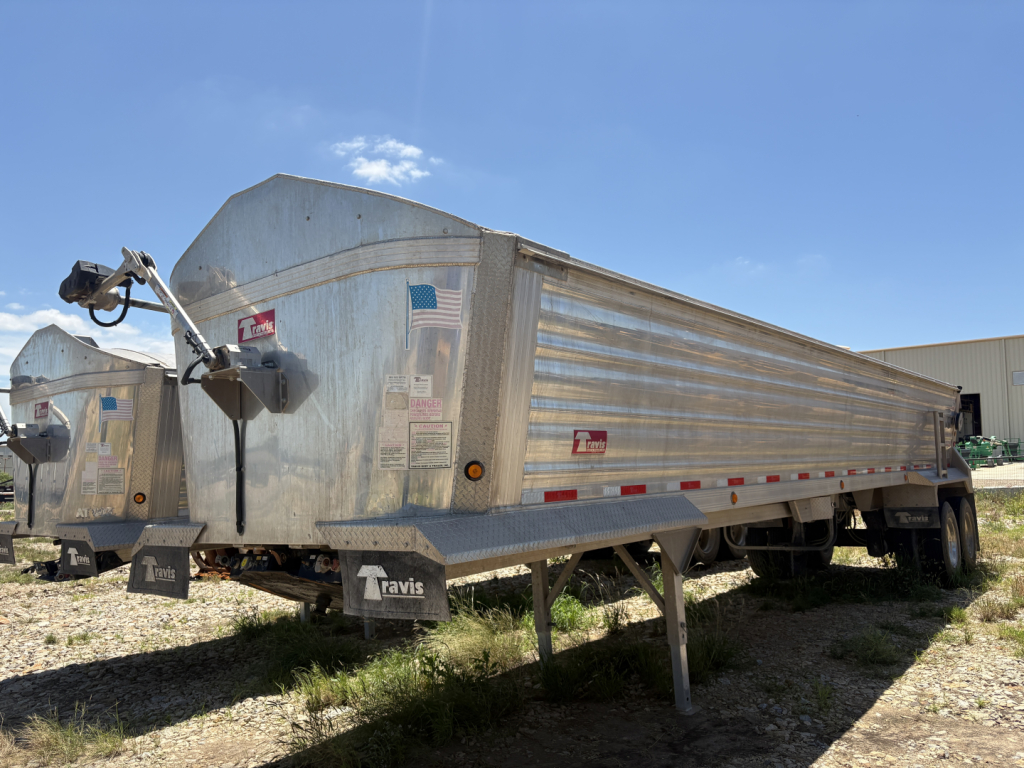
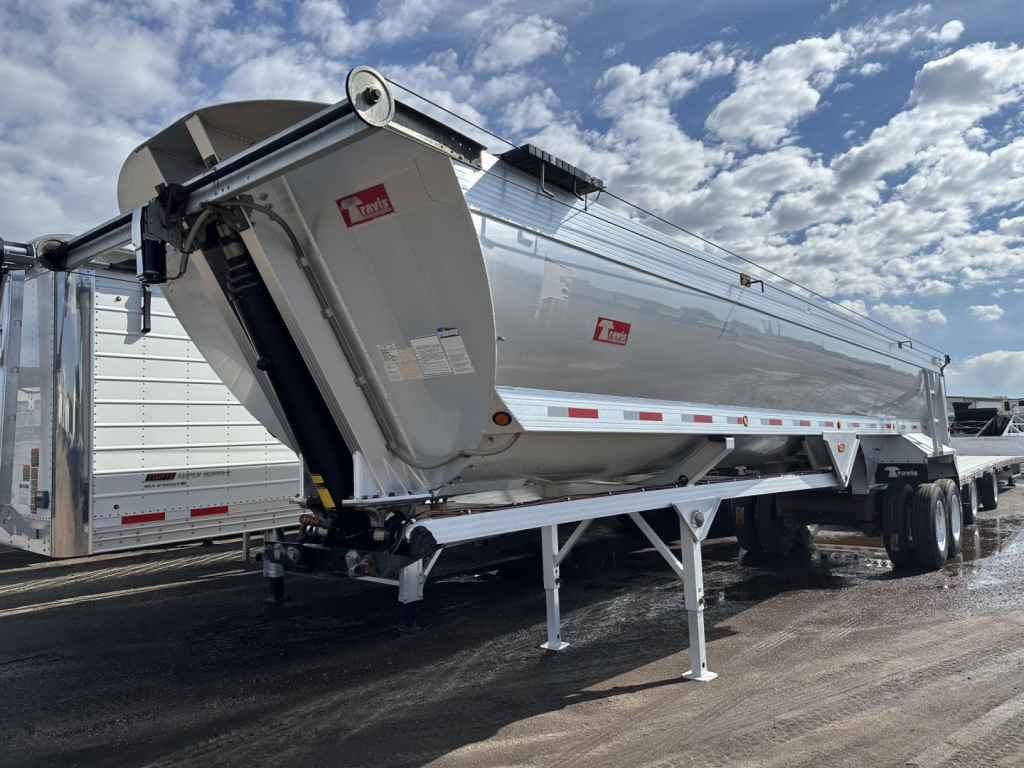
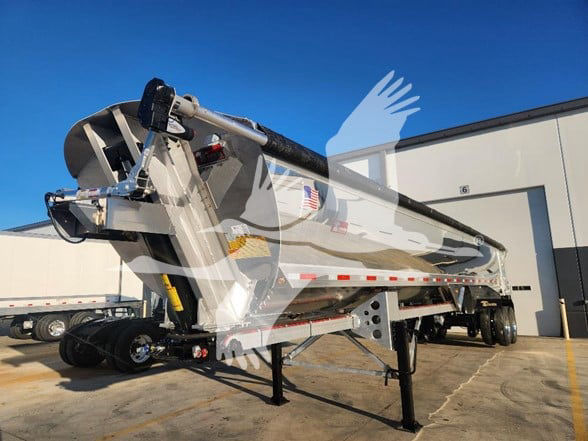
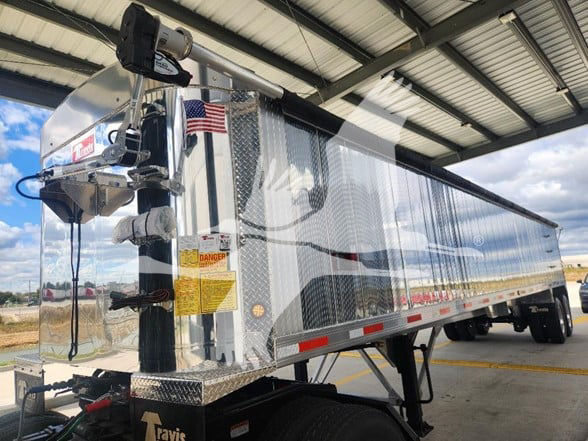
Selling a travis trailer? List your travis trailer for sale and reach thousands of commercial buyers.
Travis Trailers
The first buying decision is usually tub and wall design. Travis end dump trailers are commonly found in half-round and other smooth-flow bodies that help material unload cleanly, especially with wet or sticky commodities. Side wall height matters because it directly affects cubic capacity and suitability for lighter materials like grain versus heavier products like rock or demolition debris. Many units are spec'd with grain or coal doors, top-hinge gates, interior liners, and tarp systems. Those details make a real difference in day-to-day use, especially if the trailer needs to switch between agricultural and construction hauling.
Frame design and running gear deserve close attention on any used or new Travis trailer. Frameless aluminum end dumps can offer an excellent payload advantage, but they need to match the tractor, the road conditions, and the material being hauled. Tandem axle setups are common, and some trailers include a front axle lift to reduce tire scrub and improve maneuverability when running light. Air ride suspension is a popular spec because it helps protect the trailer, improves ride quality, and can be beneficial for certain commodities and route conditions. Buyers should also look at kingpin area condition, suspension wear points, draft arms, gate seals, hoist compatibility, and signs of cracking or prior weld repair around high-stress areas.
A well-matched Travis trailer can be a strong fit for operations that prioritize payload and corrosion resistance over the long term. Aluminum construction is especially attractive in regions where moisture, fertilizer, or road treatment chemicals shorten the life of steel equipment. For buyers comparing listings, the most important differences usually come down to body style, gate configuration, liner presence, suspension spec, axle spacing, and overall empty weight. Those factors will tell you a lot more about how a Travis dump trailer will perform in your operation than model year alone.
Frequently Asked Questions about Travis Trailers
What are Travis trailers most commonly used for?
Travis trailers are most commonly used as aluminum end dump trailers for bulk commodity hauling. Typical applications include grain, coal, aggregate, sand, fertilizer, and similar loose materials where low empty weight and fast unloading are important. Spec choices such as side wall height, gate type, liner, and tarp system usually determine whether a trailer is better suited for agricultural products, construction materials, or mixed-use hauling.
Why do buyers choose an aluminum Travis end dump trailer?
The main reason is payload. Aluminum construction reduces trailer weight compared with many steel designs, which can allow more legal payload depending on the application and jurisdiction. Aluminum also offers strong corrosion resistance, which is valuable in grain, fertilizer, and wet material environments. The tradeoff is that buyers need to pay close attention to structural condition, repair history, and whether the trailer was used in severe-duty work.
What specs matter most when comparing Travis dump trailers?
The key specs are trailer length, tub style, side wall height, axle configuration, suspension type, tire size, and gate setup. Buyers should also look for features like grain or coal doors, electric or manual tarp systems, interior liners, axle lift, and wheel material. These details affect payload, unloading performance, maintenance cost, and how well the trailer fits the intended commodity.
Is a frameless Travis trailer better than a framed trailer?
A frameless trailer often has a payload advantage because it removes structural weight, and that is one reason it is popular in bulk haul applications. It can be an excellent choice when matched to the right tractor and operating conditions. A framed trailer may be preferred in some severe-duty applications or where operators want different durability characteristics. The better choice depends on commodity weight, road conditions, loading method, and how aggressively the trailer will be used.
What should I inspect on a used Travis trailer?
Start with the tub, floor, gate, and liner condition, then inspect welds, crossmember areas if equipped, suspension mounts, draft arms, axle alignment, and kingpin structure. Look for cracking, distortion, patched aluminum, uneven tire wear, and gate seal problems. Confirm the tarp works correctly and check whether the hoist setup and overall trailer geometry are appropriate for the material you plan to haul. On an aluminum dump trailer, maintenance history and evidence of proper repairs matter as much as age.