
Traveling Axle Trailers For Sale in Pennsylvania
Compare traveling axle trailers for sale in Pennsylvania. Learn key specs, load angles, capacities, deck lengths, and hauling applications.
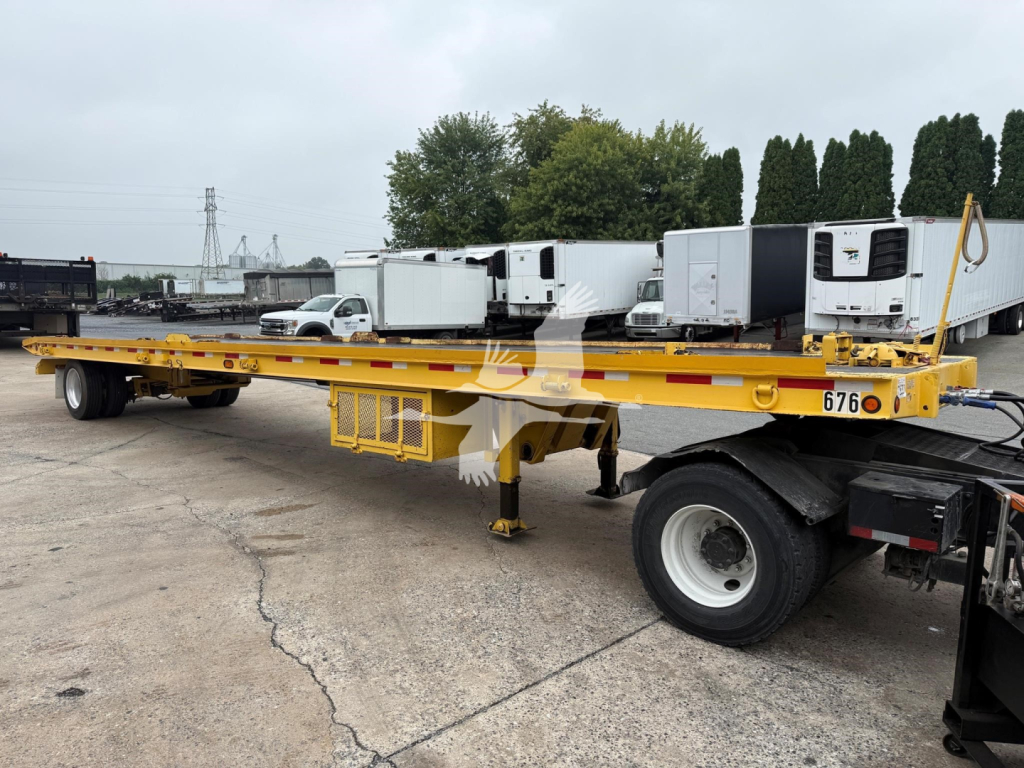
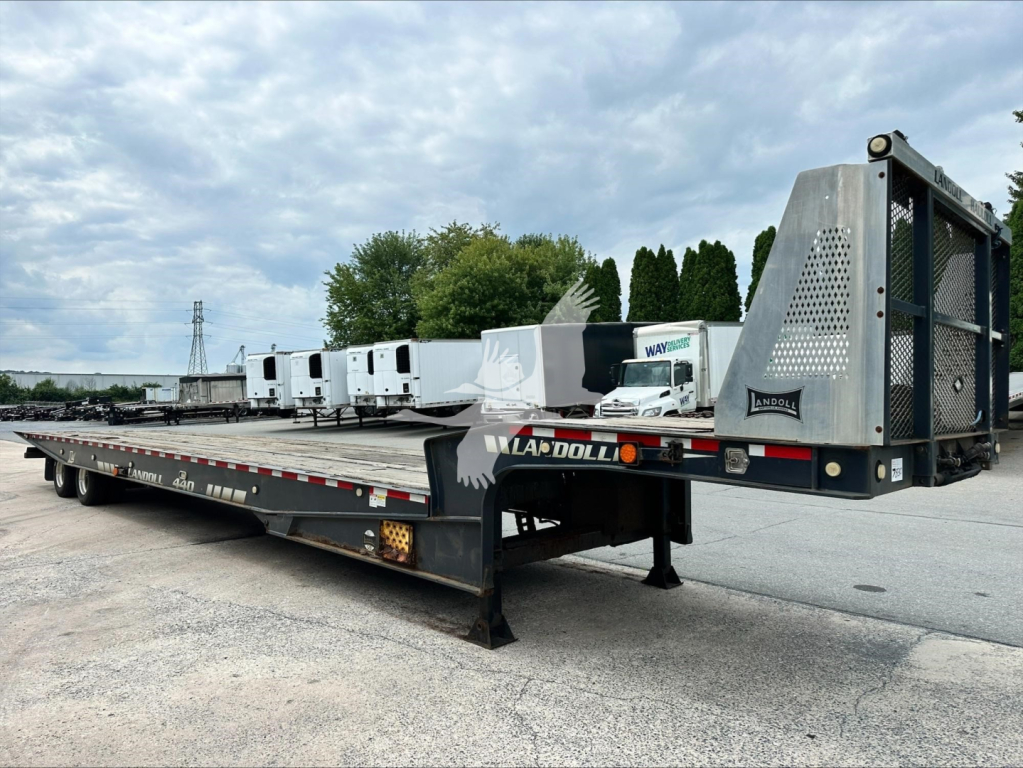
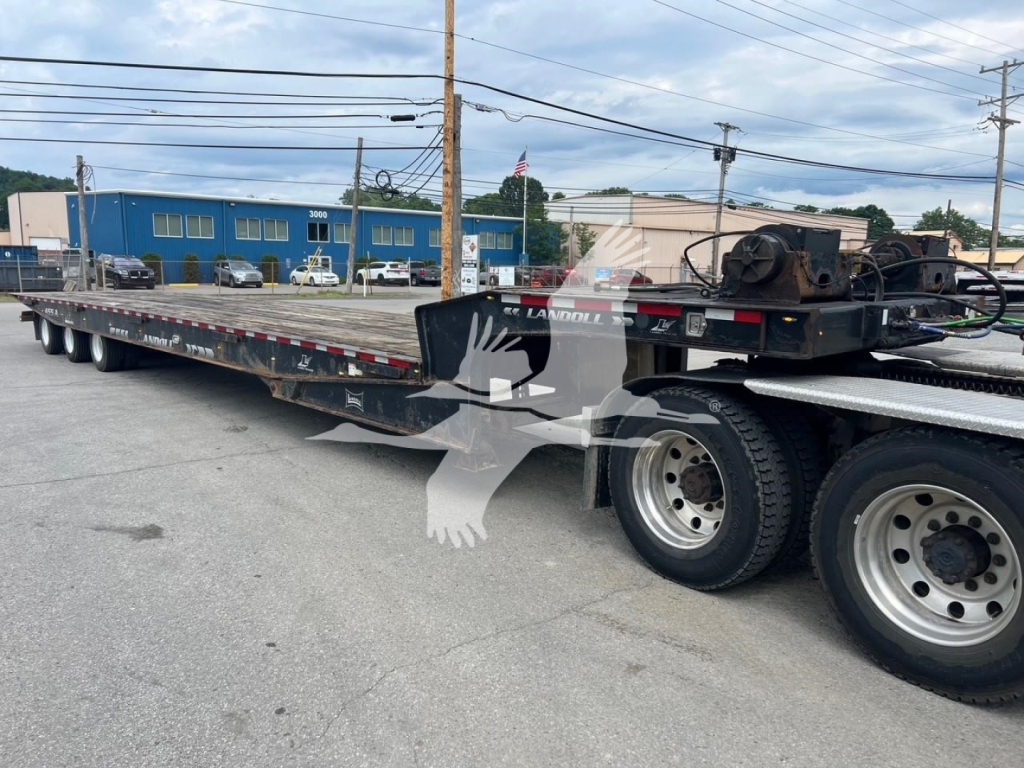
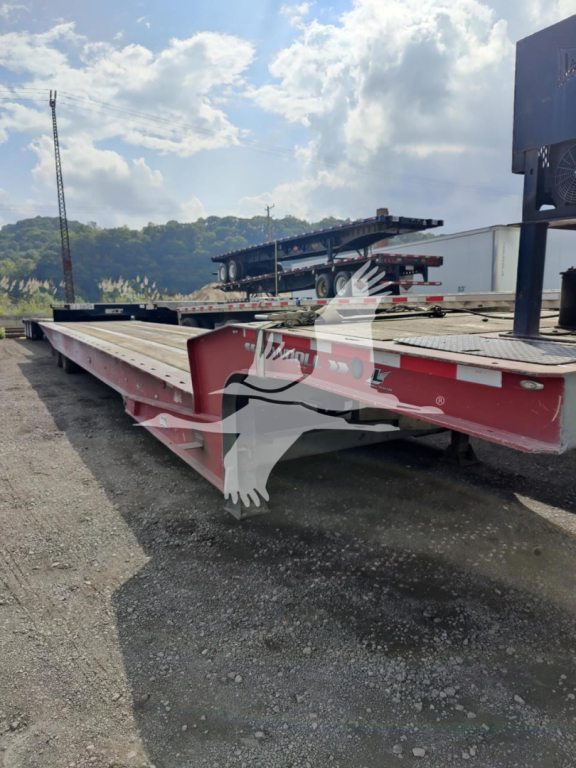
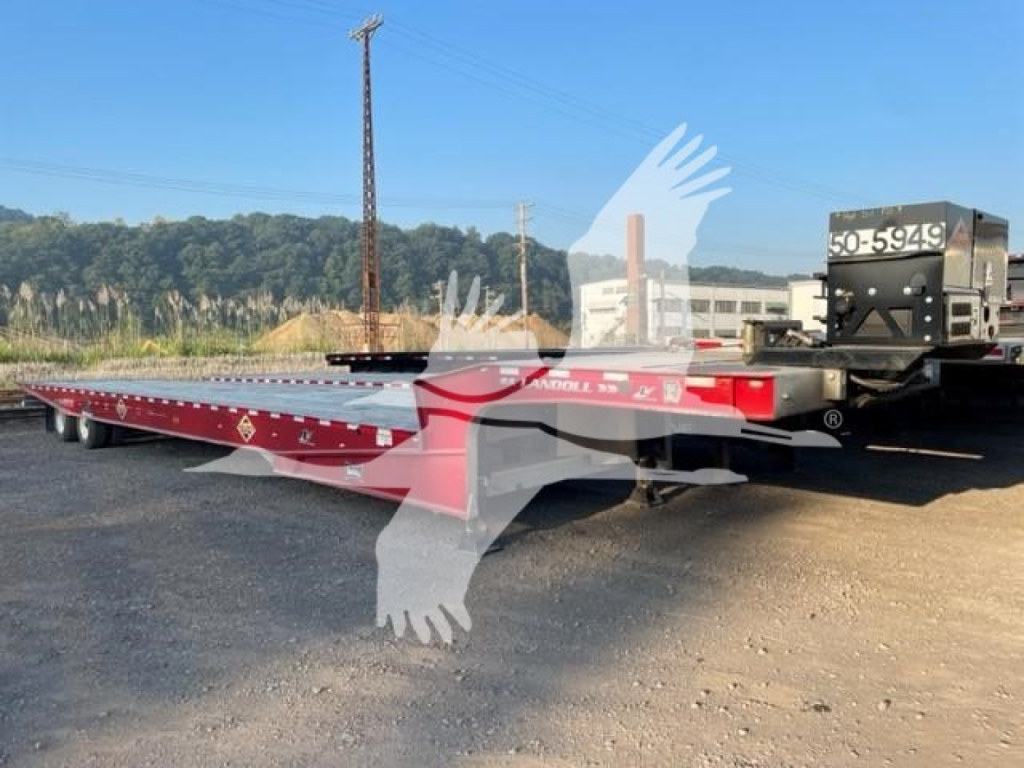
Selling a traveling axle trailer? List your traveling axle trailer for sale and reach thousands of commercial buyers.
Traveling Axle Trailers in Pennsylvania
Most traveling axle trailers in this class are tandem axle units in the 42-foot to 53-foot range, typically 102 inches wide, with steel frames and wood decking such as Apitong. Deck heights often land around 37 to 38 inches, and load angles commonly fall near 6.5 degrees on sliding axle designs, with some hydraulic tail models running a little steeper depending on tail length and setup. Air ride suspension is common because it helps protect equipment and improves road manners when the trailer is loaded. You will also see keyhole chain slots on 16-inch centers, stake pockets, steel side rails, Jost two-speed landing gear, 17.5-inch tires, and 20,000-lb hydraulic or electric winches. On heavier spec units, galvanized frames or galvanized components are worth attention in northern states where road salt can shorten the life of painted steel.
Capacity and loading geometry matter more than cosmetic condition. A 35-ton class traveling axle trailer may be rated for a specific load concentration such as 50,000 lbs. in 10 feet, which is critical if you haul compact but heavy machines. Swing clearance, kingpin setting, top deck length, and the length of the main deck all affect what can be loaded and how the trailer tracks behind the tractor. Buyers hauling taller equipment should pay attention to deck height and legal overall height, while those loading low-clearance machines should focus on approach angle, traction plate condition, and whether the trailer uses a hydraulic tail or full traveling axle slide. A pony motor can be useful for fleets that want hydraulic function without depending on tractor wet kits, while quick couplers and remote controls can speed loading cycles.
Used traveling axle trailers should be evaluated closely around the axle slide mechanism, hydraulic cylinders, suspension, brakes, deck condition, and wear points in the chain slot area. Check for frame repairs, crossmember damage, loose or cracked approach plates, winch operation, and uneven tire wear that may point to alignment or suspension issues. On air ride models, inspect bags, valves, and ride height consistency. In Pennsylvania service, corrosion at light wiring, brake components, and exposed steel is common, so galvanized construction can be a real long-term advantage. For buyers moving mixed equipment, a well-spec'd traveling axle trailer offers one of the best combinations of low loading angle, strong deck capacity, and day-to-day versatility in a non-detachable low-profile trailer.
Frequently Asked Questions about Traveling Axle Trailers in Pennsylvania
What is a traveling axle trailer used for?
A traveling axle trailer is used to haul equipment that benefits from a low loading angle without stepping up to a full detachable lowboy. Common loads include skid steers, mini excavators, compact track loaders, rollers, backhoes, small dozers, telehandlers, and agricultural equipment. The movable axle assembly reduces the approach angle during loading, which helps prevent low-clearance machines from dragging and makes loading safer and faster on uneven jobsites.
What should I look at first when comparing traveling axle trailers?
Start with usable deck length, deck height, load angle, and concentrated load rating. Those specs tell you more about real-world fit than overall trailer length alone. After that, look at axle capacity, suspension type, kingpin setting, swing clearance, tire size, and tie-down layout. If you regularly load without a wet kit tractor, check whether the trailer has a pony motor. If the trailer will see winter road salt, galvanized construction or galvanized components can lower long-term corrosion problems.
How is a traveling axle trailer different from a hydraulic tail trailer?
A traveling axle trailer changes loading geometry by moving the axle group, while a hydraulic tail trailer uses a powered rear tail section to create the ramp. Both are designed to lower the loading angle, but they do it differently. Traveling axle designs are popular for versatile equipment hauling and often provide a long, usable deck with low loading angles. Hydraulic tail models can be especially useful when frequent loading and unloading is part of the workday, but tail capacity and tail maintenance become important parts of the buying decision.
Is air ride suspension worth it on a traveling axle trailer?
For many buyers, yes. Air ride suspension is common on higher-spec traveling axle trailers because it improves ride quality and can reduce shock to both the trailer and the machine being hauled. It also tends to track better on rough roads and jobsites than harsher suspension setups. The tradeoff is added system complexity, so on a used trailer you should inspect air bags, valves, lines, and suspension wear closely to make sure the ride quality benefit is not offset by maintenance needs.
Are galvanized traveling axle trailers a better choice in Pennsylvania?
Galvanized traveling axle trailers can be a strong choice in Pennsylvania because winter road treatment accelerates corrosion on painted steel. A galvanized frame, galvanized floor supports, or galvanized tail components can help preserve structural integrity and reduce repainting and rust repair over time. They still need inspection and maintenance, especially around hardware, hydraulic components, wiring, and brake systems, but corrosion resistance is a real advantage for fleets that run year-round in the Northeast.