
2017 Traveling Axle Trailers For Sale
Shop 2017 traveling axle trailers. Compare deck length, load angle, winch, axle setup, and weight ratings for equipment hauling.
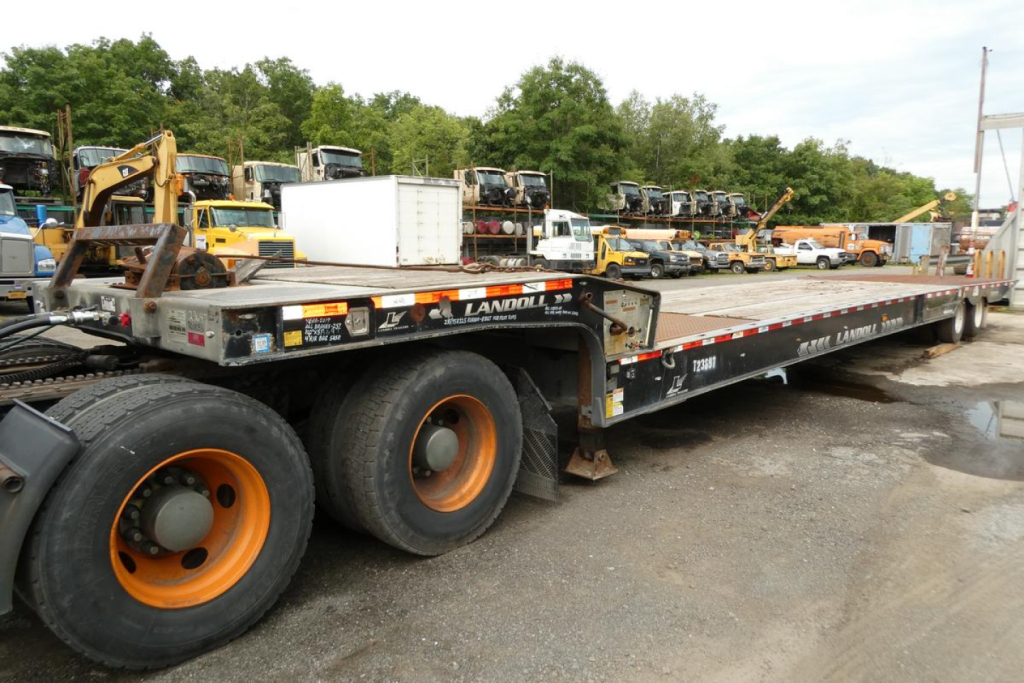
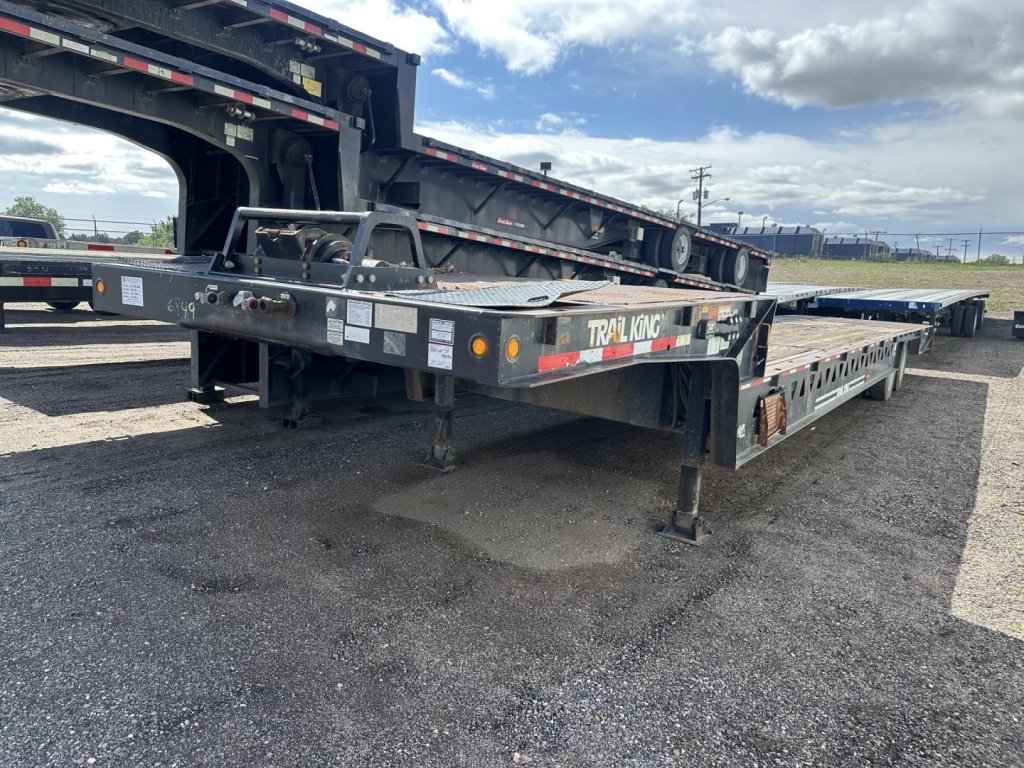
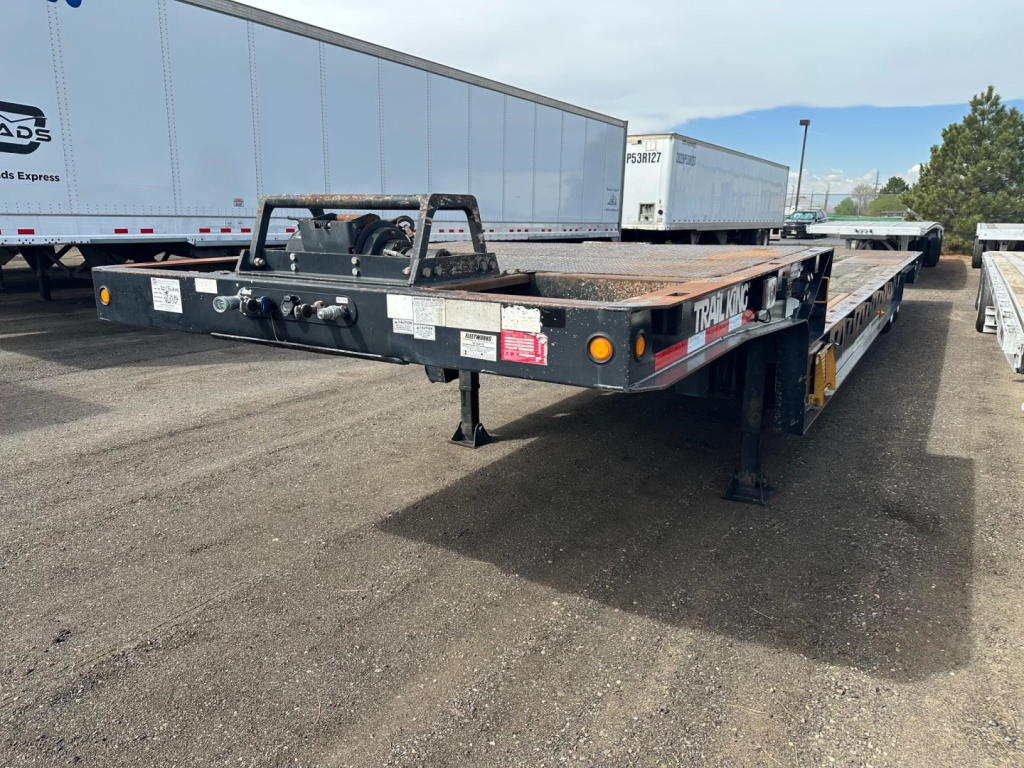
Selling a 2017 traveling axle trailer? List your 2017 traveling axle trailer for sale and reach thousands of commercial buyers.
2017 Traveling Axle Trailers
The first specs to compare are deck length, lower deck height, load angle, and weight rating. Many 2017 models in this class fall into the 51-foot to 53-foot range with 102-inch width, tri-axle configurations, air ride suspension, and 17.5-inch tires. Lower deck height often lands in the mid-30-inch range, which matters when you are loading tall equipment or trying to stay legal on overall height. Concentrated load ratings and distributed GVWR are just as important as published tonnage. A trailer may be advertised as a 50-ton or 55-ton class unit, but the real buying decision comes down to how much weight it can carry in 10 feet, how the load centers over the axles, and how much usable deck you actually have once the upper deck and tail geometry are considered.
On a used 2017 traveling axle trailer, pay close attention to the hydraulic system, axle travel components, and deck condition. Inspect slider pads, hydraulic cylinders, hoses, winch function, remote controls, and any signs of leaks or uneven axle movement. Wood deck trailers with Apitong flooring remain common because they hold up well under equipment traffic and chain wear, but deck repair history still matters. Buyers should also check crossmember spacing, chain slots, stake pockets, rub rail condition, centralized grease systems, brake wear, suspension brand and condition, and kingpin area fatigue. If the trailer has galvanized construction, waterproof brake components, air dump features, or adjustable ride height, those can be meaningful advantages for fleets running in wet, corrosive, or high-cycle environments.
Winch setup and securement layout can make a major difference in daily use. Many traveling axle trailers from this era were spec'd with 20,000-pound to 30,000-pound hydraulic winches, wireless remotes, chain slots, keyhole tie downs, and toolboxes on the neck or front deck. Those details matter if you recover disabled equipment, pull non-running machines, or regularly handle mixed fleets with different tie-down points. A good 2017 model should balance deck geometry, structural condition, and hydraulic reliability more than cosmetics. Buyers comparing listings should focus on how the trailer was spec'd for actual equipment hauling, not just the headline ton rating.
Frequently Asked Questions about 2017 Traveling Axle Trailers
What is a traveling axle trailer used for?
A traveling axle trailer is used to haul equipment that benefits from a low load angle and fast loading process. Common applications include skid steers, excavators, pavers, rollers, tractors, and other construction or agricultural machines. The sliding axle assembly lets the deck tilt into a shallow approach position, which reduces the risk of low-clearance equipment hanging up during loading.
What should I inspect first on a used 2017 traveling axle trailer?
Start with the hydraulic travel system, deck structure, and axle area. Check for hydraulic leaks, worn slider pads, bent or damaged frame sections, uneven axle movement, brake condition, suspension wear, and deck deterioration around high-stress loading zones. Winch operation, remote function, tire condition, and kingpin area wear should also be verified before purchase because repairs in these areas can be costly.
How do I choose the right weight rating on a traveling axle trailer?
Choose the trailer based on your heaviest routine load, the machine's axle or track spacing, and the trailer's concentrated load rating rather than just the advertised ton class. A trailer that handles a high distributed weight may still have limits on how much weight it can carry in 10 feet. Buyers should match actual machine dimensions and weight distribution to the trailer's deck length, load concentration rating, and axle placement.
Are tri-axle traveling axle trailers the most common setup?
Yes, tri-axle configurations are very common in traveling axle trailers because they offer a strong balance of payload capacity, deck length, and maneuverability. Many units in this category also use air ride suspension and 17.5-inch tires to keep deck height lower while maintaining hauling performance. The best axle setup depends on the loads, regional bridge laws, and how often the trailer runs on tight jobsites versus open highway.
Why does load angle matter on a traveling axle trailer?
Load angle directly affects how easily equipment can be driven or winched onto the deck. A shallower angle is better for low-ground-clearance machines, long wheelbase equipment, and specialized paving or utility equipment that can drag or bottom out on steeper approaches. Comparing lower deck height, tail design, and axle travel geometry will usually tell you more about real-world loading performance than overall trailer length alone.