
Used Transcraft Trailers For Sale in Pennsylvania
Shop used Transcraft trailers in Pennsylvania, including flatbed and drop deck models with common specs, applications, and spec guidance.
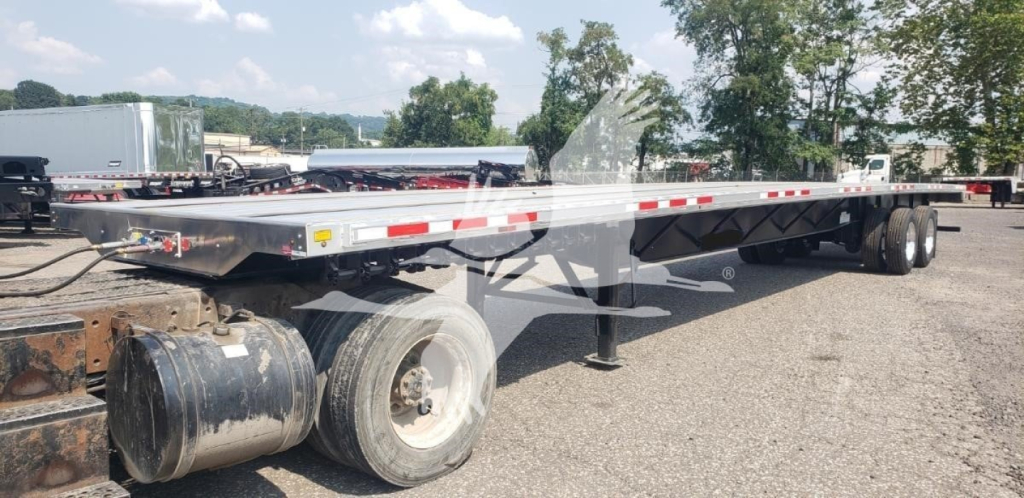
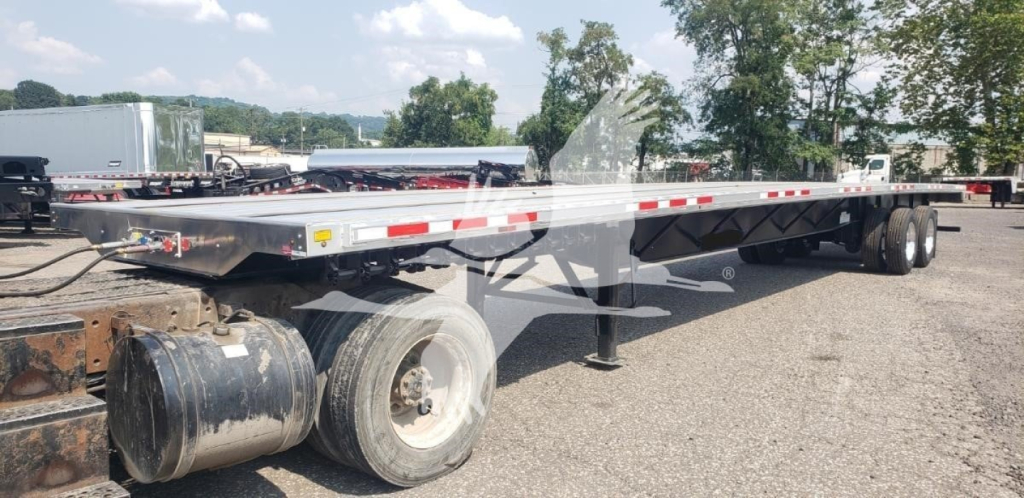
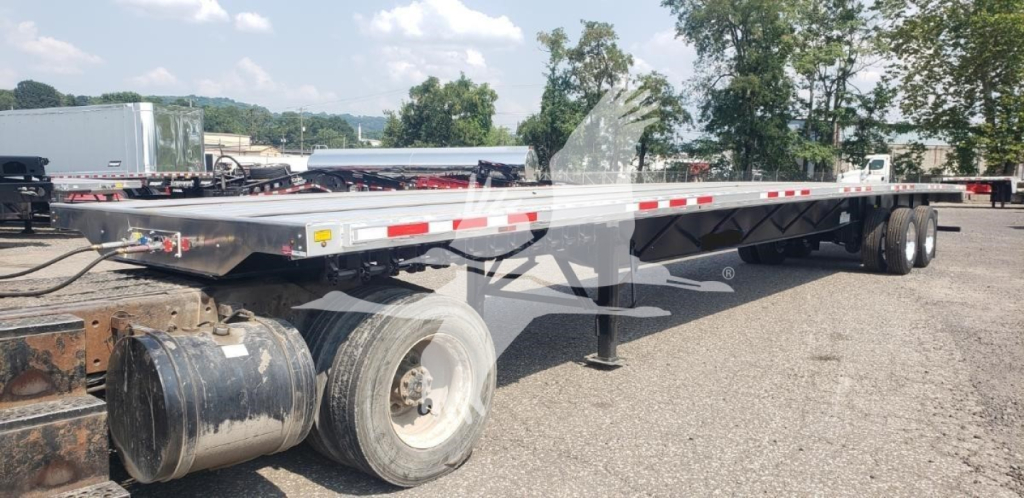
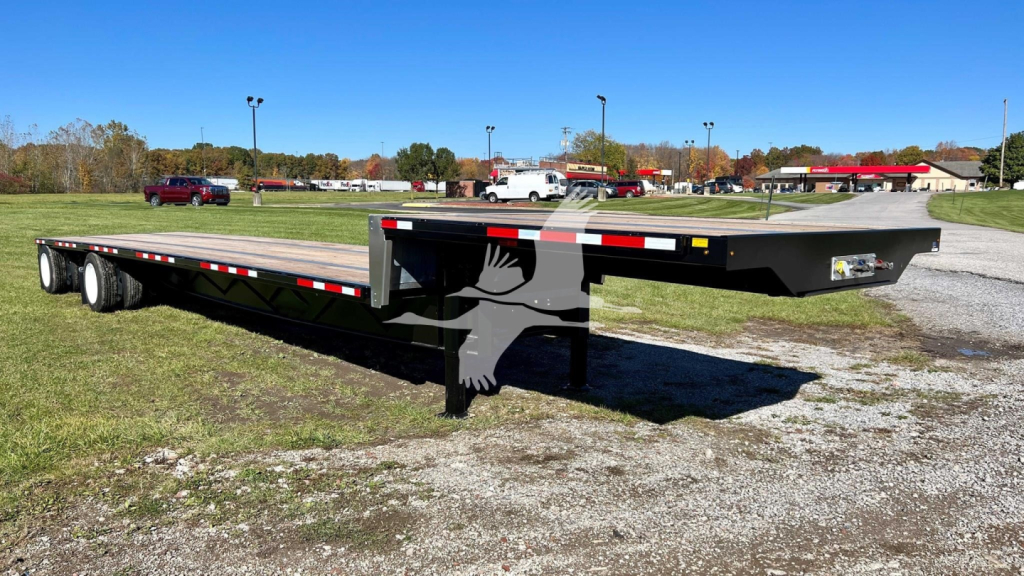
Showing 25 to 33 of 33 results
Have used transcraft trailer to sell? List it here to reach thousands of buyers.
Used Transcraft Trailers in Pennsylvania
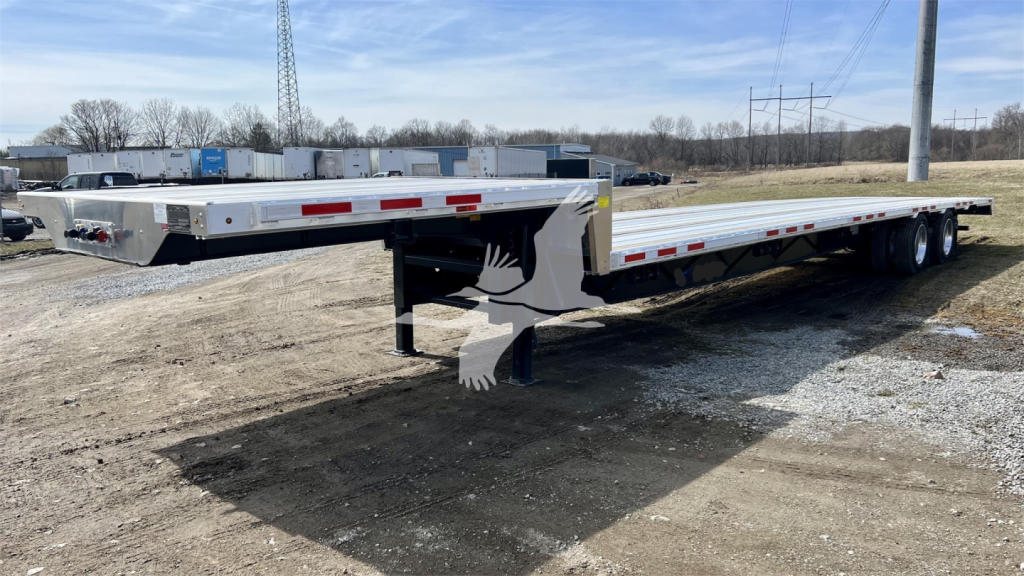
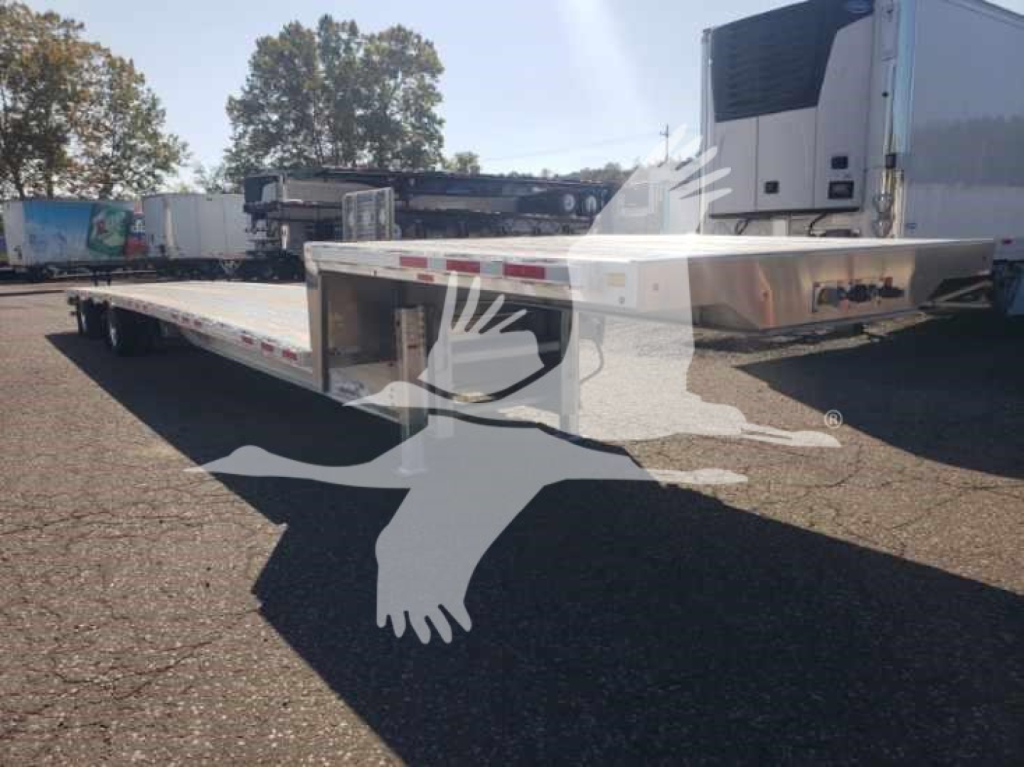
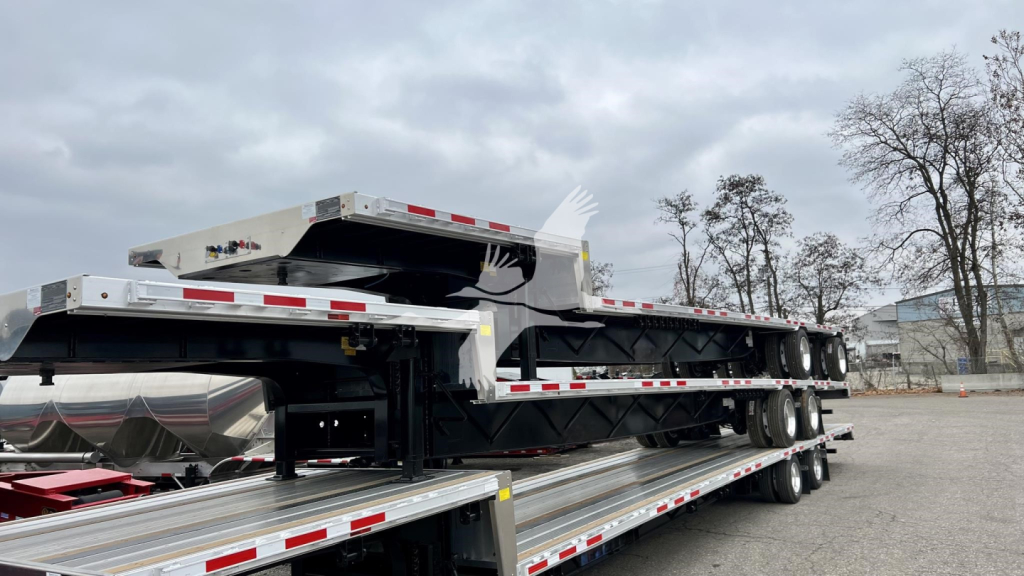
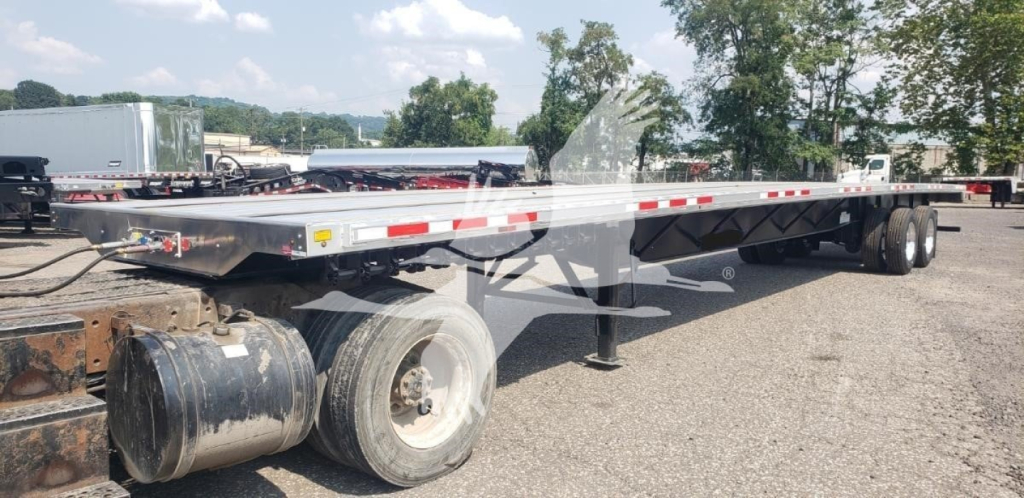
For drop deck buyers, the key decisions usually come down to 48-foot versus 53-foot overall length, top deck length, main deck height, and whether the trailer is set up as a lighter combo-style unit or a heavier all-steel specification. Many used Transcraft step decks in this market are 102 inches wide with 10-foot to 11-foot upper decks, 38-foot to 43-foot lower decks, and air ride suspension from Hendrickson Intraax. Aluminum floors with Apitong nailers are common on lighter-weight specs, while full Apitong flooring and steel side rails are often preferred for harder use and more concentrated loading. Features like integrated winch tracks, sliding winches, chain tie-downs, pipe spools, crossmember spacing, and kingpin setting matter because they affect securement flexibility and how well the trailer matches your freight mix and tractor wheelbase.
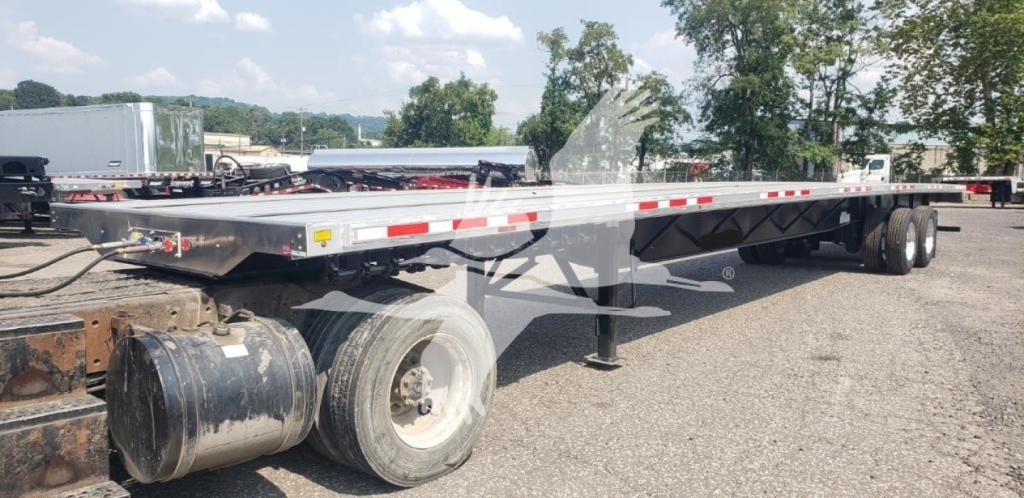
Axle layout is another major buying point. Tandem axle Transcraft trailers are common for general freight, while tri-axle or spread-axle configurations can help with bridge law compliance, load distribution, and specialized hauling needs. Buyers in Pennsylvania should pay attention to suspension setting, CA-legal sliding rear axle setups, lift axles, dump valves, and tire size because those details affect maneuverability, permit planning, and maintenance costs. Deck height is especially important on used drop decks, since a 40-inch to 43-inch loaded deck height can make the difference when hauling taller equipment without moving into overheight territory. On flatbeds, combo construction is often attractive because it reduces tare weight while still offering the deck strength and side rail durability needed for lumber, steel, and general building products.
A good used Transcraft trailer should be evaluated like a working asset, not just by year and price. Check floor condition, side rail wear, crossmember integrity, landing gear operation, suspension bushings, brake and tire life, wheel type, light function, and any evidence of concentrated load damage or deck repairs. Also look at practical spec details such as bulkhead configuration, mud flap bracket placement, rear lighting package, and whether the trailer has the tie-down count your freight requires. Transcraft has long been a recognized name in the platform trailer segment, and a properly spec'd used unit can still deliver solid service in regional construction freight, steel hauling, machinery moves, and mixed open-deck work across Pennsylvania and the Northeast.
Frequently Asked Questions about Used Transcraft Trailers in Pennsylvania
What types of used Transcraft trailers are most common in Pennsylvania?
The most common used Transcraft trailers in Pennsylvania are flatbed and drop deck trailers. Drop decks, also called step deck trailers, are popular for taller freight such as equipment, crated machinery, and construction materials because the lower main deck helps stay within legal height limits. Flatbeds remain a strong fit for lumber, steel, palletized materials, and general open-deck freight where full-length level deck space is more important than lower deck height.
What should I look for when buying a used Transcraft drop deck trailer?
Focus on deck dimensions, axle configuration, tare weight, and securement equipment first. Important details include top deck length, main deck length, loaded deck height, kingpin setting, crossmember spacing, suspension type, and whether the trailer has winch tracks, sliding winches, chain tie-downs, and pipe spools. Condition matters just as much as spec, so inspect the floor, side rails, crossmembers, suspension components, landing gear, tires, brakes, and any signs of frame fatigue or previous heavy concentrated loading.
Are aluminum and combo Transcraft trailers better than steel models?
Neither is automatically better. Aluminum and combo trailers usually offer lower empty weight, which can improve payload and fuel efficiency, and they are often preferred in general freight applications. Steel-spec trailers tend to be heavier but can be a better fit for severe-duty use, concentrated loads, and rougher loading environments. The right choice depends on the freight being hauled, target payload, operating terrain, and how hard the trailer will be used.
How important is axle configuration on a used Transcraft trailer?
Axle configuration is critical because it affects legal weight distribution, maneuverability, tire wear, and the type of freight the trailer can handle efficiently. Tandem axle trailers are common for general platform work, while spread axle and tri-axle setups can help with bridge formulas, concentrated weight, and specialized loads. Buyers should also review axle spacing, suspension setting, lift axle equipment, and dump valves because those features directly impact compliance and day-to-day operation.
Why does deck height matter on a Transcraft step deck?
Deck height is one of the most important step deck specifications because it determines how much freight height you can carry before needing permits or alternate routing. A lower main deck gives more legal clearance for taller loads such as tractors, compact equipment, fabricated steel, and industrial machinery. Even a few inches can make a meaningful difference in load planning, especially in regions with strict bridge and overpass considerations.