
Used Transcraft Trailers For Sale in Nebraska
Used Transcraft trailers for sale in Nebraska: compare flatbed and drop-deck construction, axle layouts, corrosion, and load ratings before choosing a trailer.

Selling a used transcraft trailer? List your used transcraft trailer for sale and reach thousands of commercial buyers.
Used Transcraft Trailers in Nebraska
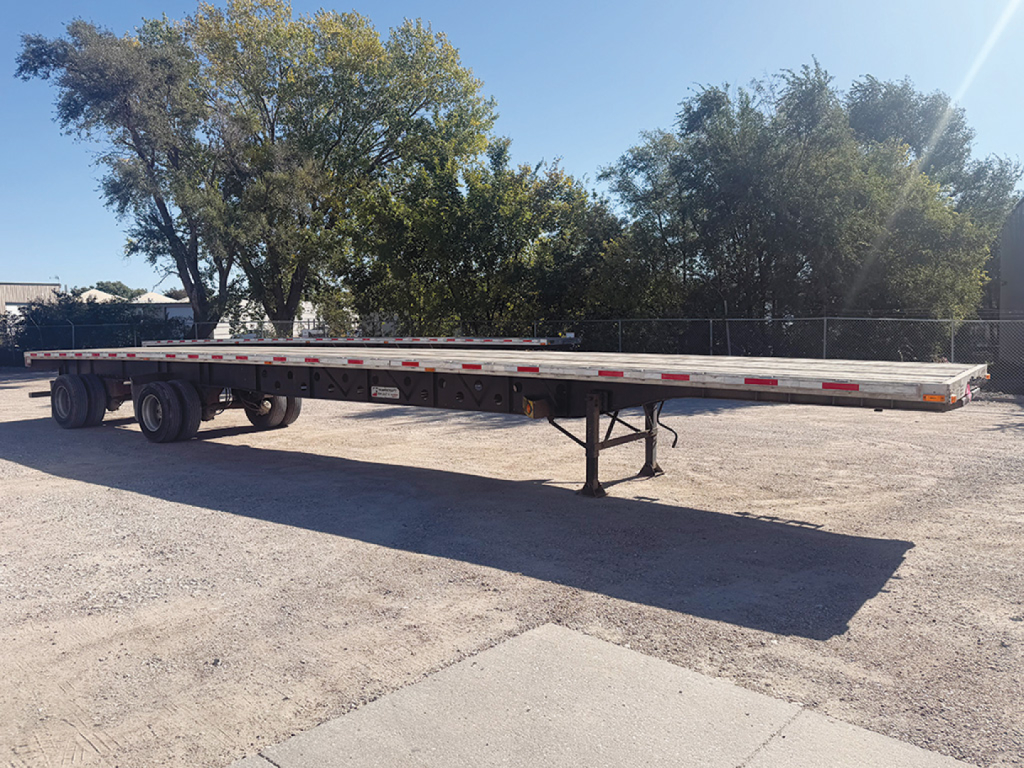
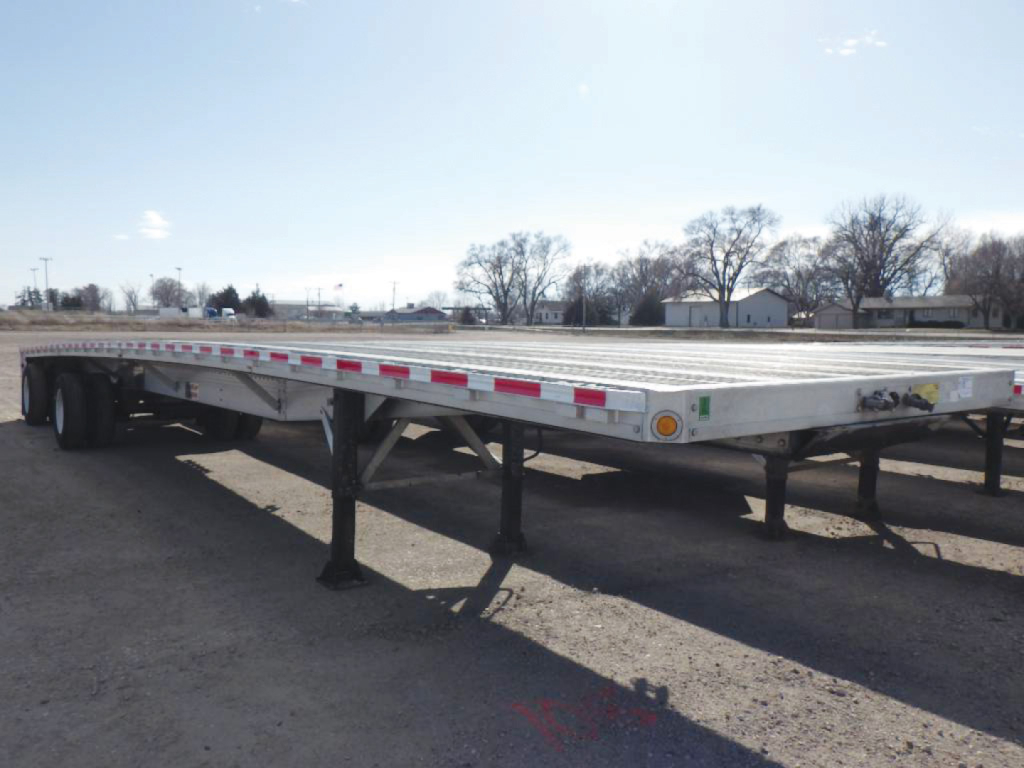
Structural condition matters more than fresh paint on a used open-deck trailer. Inspect main beams, crossmembers, suspension hangers, kingpin attachment, landing-gear mounts, and previous weld repairs for cracks, distortion, or material loss. Nebraska winter deicers can attack steel framing and connections between dissimilar metals, including areas hidden beneath the floor. Check nail strips, winch tracks, stake pockets, brake chambers, wheel seals, and tire wear. Older spring-suspension trailers need close inspection of spring packs and equalizers; air-ride trailers add bags, valves, and bushings. Request brake, wheel-end, alignment, and repair records, and scan the trailer ABS when equipped.
For I-80 freight and local farm deliveries, choose axle spacing with both legal loading and maneuverability in mind. Spread axles can improve load distribution but increase tire scrub during tight turns, especially on gravel yards. Nebraska Interstate operation remains subject to axle limits and the federal bridge formula, not simply the trailer's GVWR. Verify the intended tractor-trailer combination and any oversize permit requirements before assigning agricultural machinery loads.
Frequently Asked Questions about Used Transcraft Trailers in Nebraska
Can a spread-axle Transcraft trailer legally carry 40,000 pounds on its rear axles in Nebraska?
A spread-axle Transcraft trailer does not automatically qualify for 40,000 pounds on its rear axles. Nebraska Interstate limits generally include 20,000 pounds per single axle, 34,000 pounds per tandem, and 80,000 pounds gross combination weight. Actual axle spacing determines how the axle group is treated, and the federal bridge formula can further restrict loading. Tire ratings, axle ratings, and the trailer's structural capacity also remain binding.
Which older Transcraft trailers should have ABS?
Air-braked Transcraft trailers with a GVWR over 10,000 pounds manufactured on or after March 1, 1998, fall under the federal trailer ABS manufacturing requirement. Check the manufacture date rather than relying solely on the advertised model year. During inspection, verify the ABS warning lamp sequence, power supply, wheel-speed sensors, and stored faults; missing wiring or a disconnected lamp can conceal a nonworking system.
Does a coil package mean a used Transcraft flatbed can haul any steel coil?
A coil package alone does not prove that a used Transcraft flatbed can carry your coil. Obtain the manufacturer's concentrated-load rating, including the required support length and loading position, then compare it with the coil's weight and footprint. Inspect the reinforced structure for repairs or damage. Coil racks, blocking, chains, and attachment points must also satisfy the applicable metal-coil cargo securement requirements.
How do I check whether a used Transcraft trailer will fit my tractor?
Fifth-wheel height and kingpin setback are the first compatibility checks for a used Transcraft trailer. Confirm adequate clearance between the trailer and the tractor's cab, tires, frame, and rear accessories through turns and uneven approaches. Check landing-gear clearance, fifth-wheel load rating, air and electrical connections, and loaded deck height. A different tractor ride height can change trailer attitude and reduce clearance at farm entrances.