
Transcraft Trailers For Sale in Pennsylvania
Shop Transcraft trailers for sale, including flatbed and drop deck models with air ride, spread axles, combo construction, and Apitong floors.
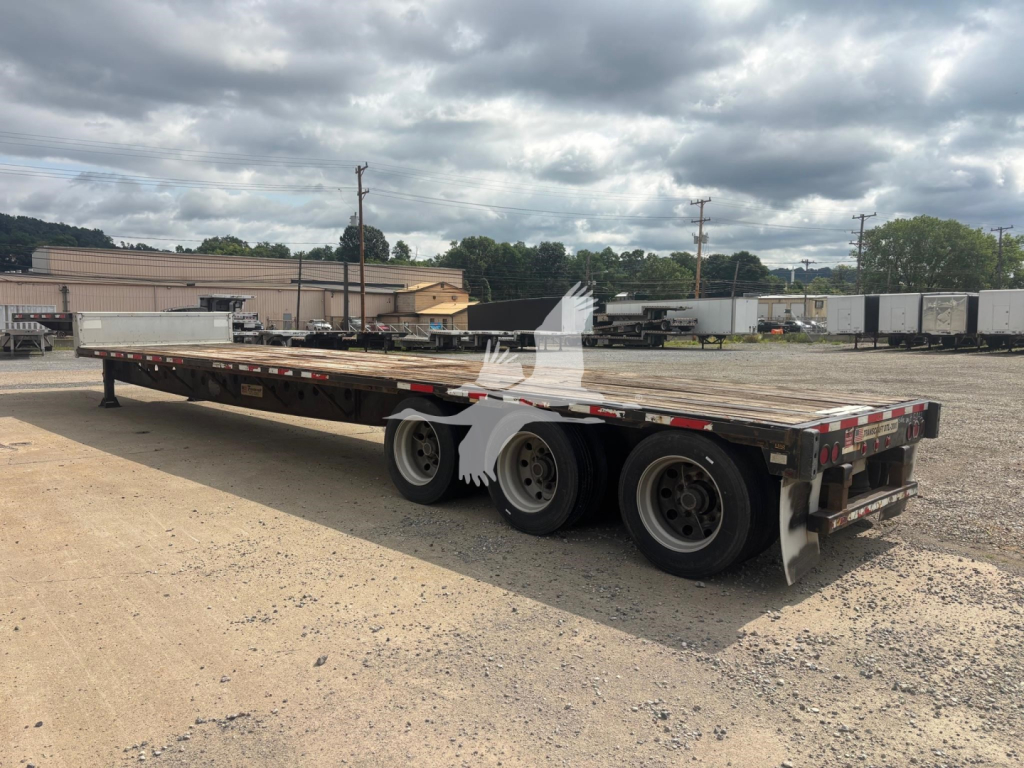
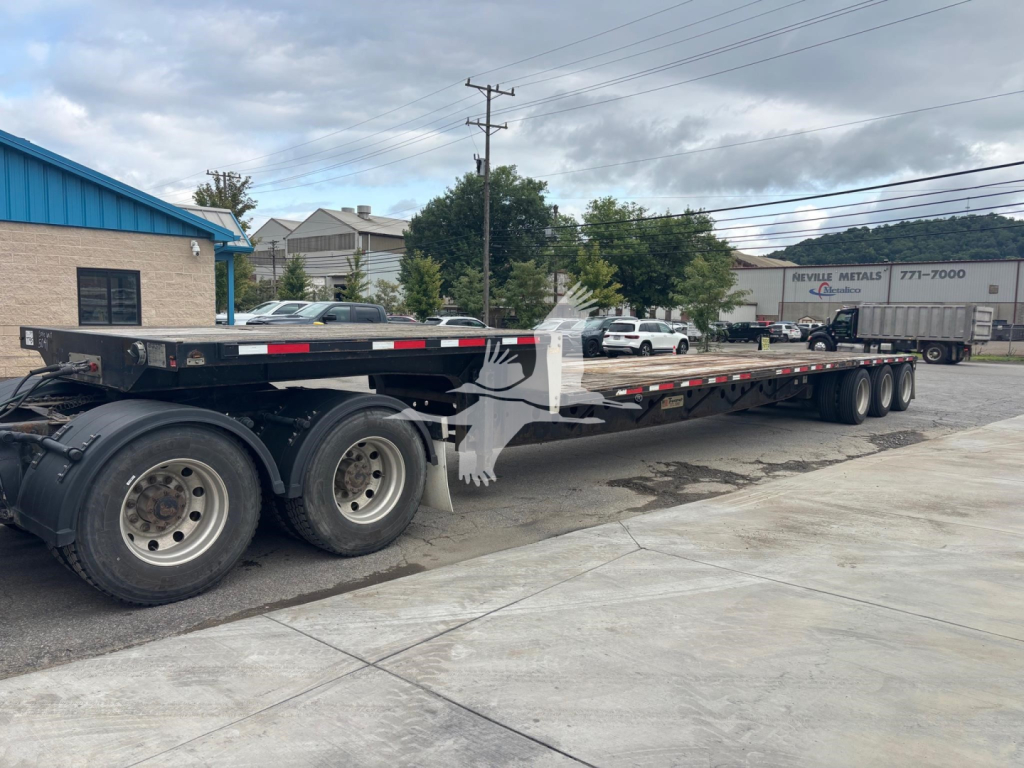
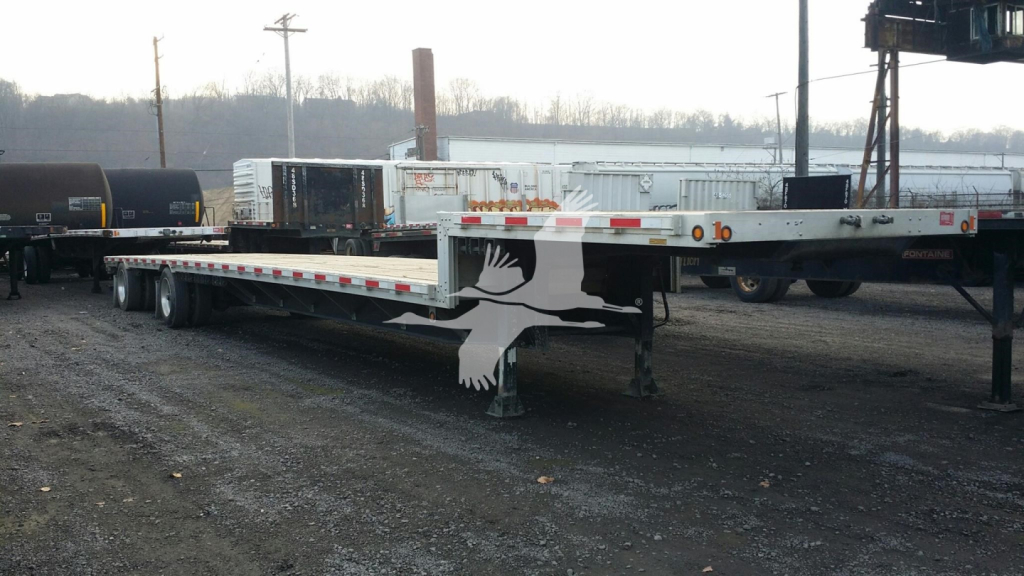
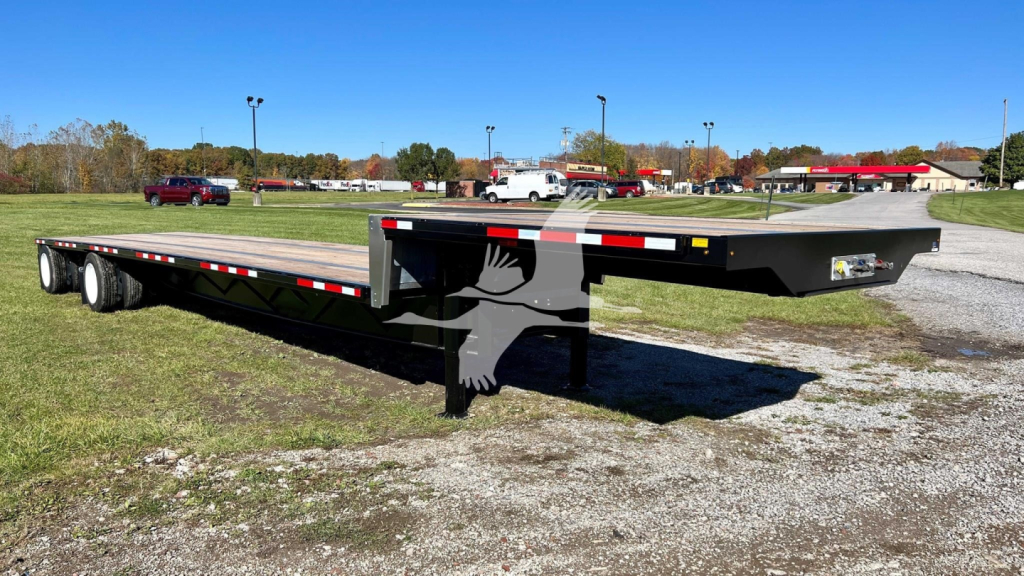
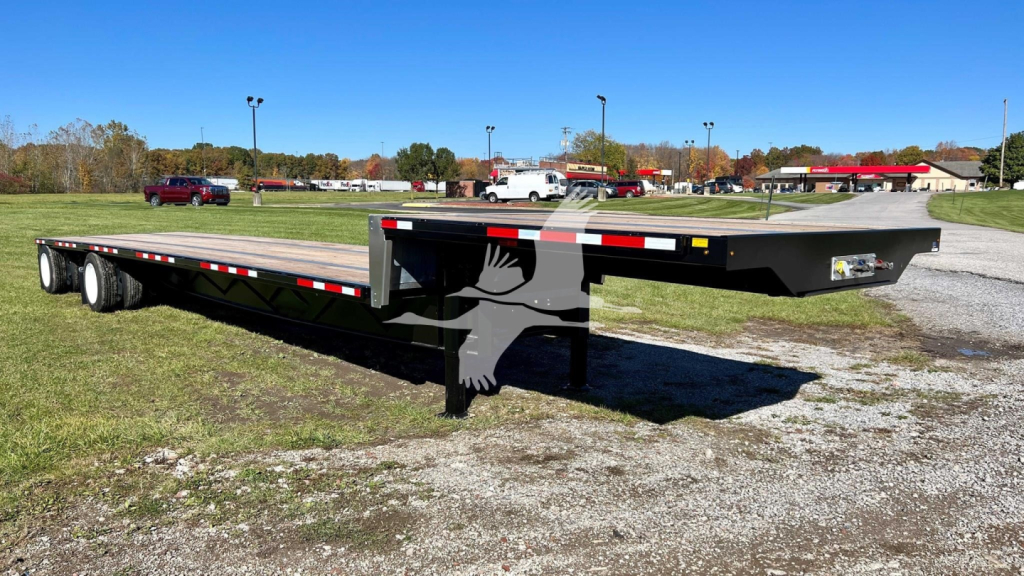
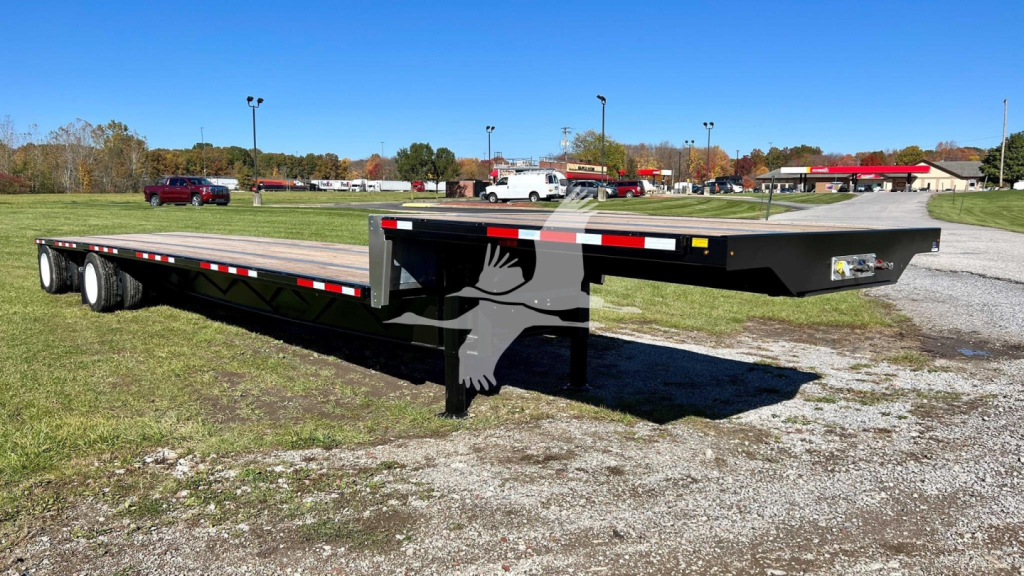
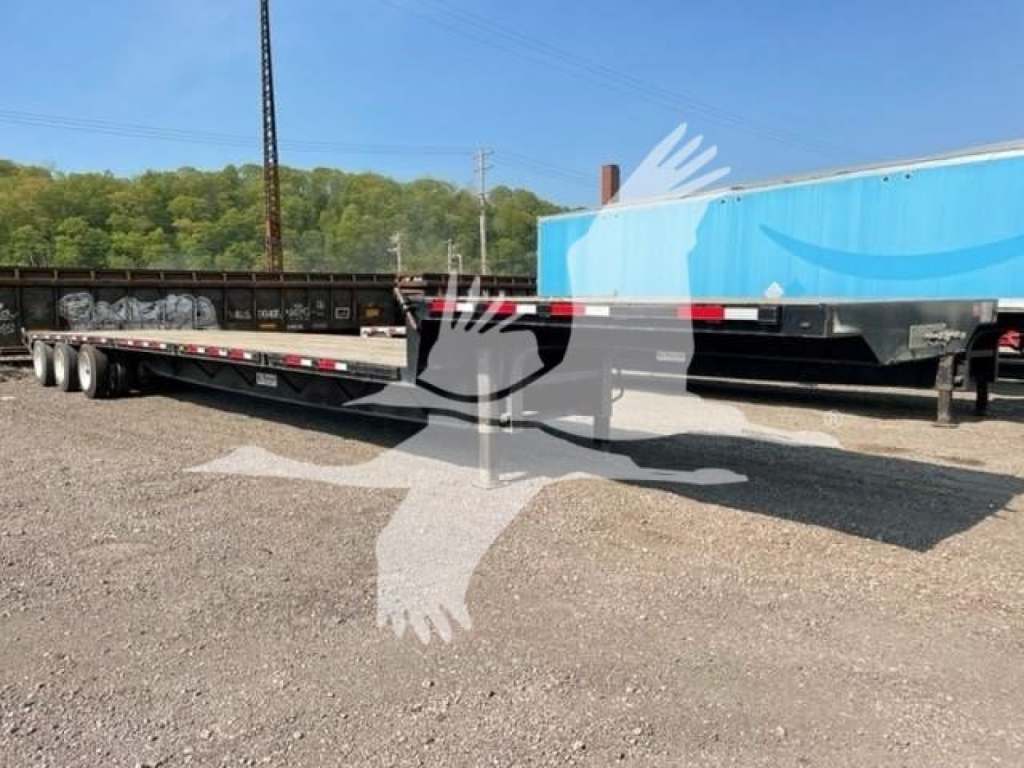
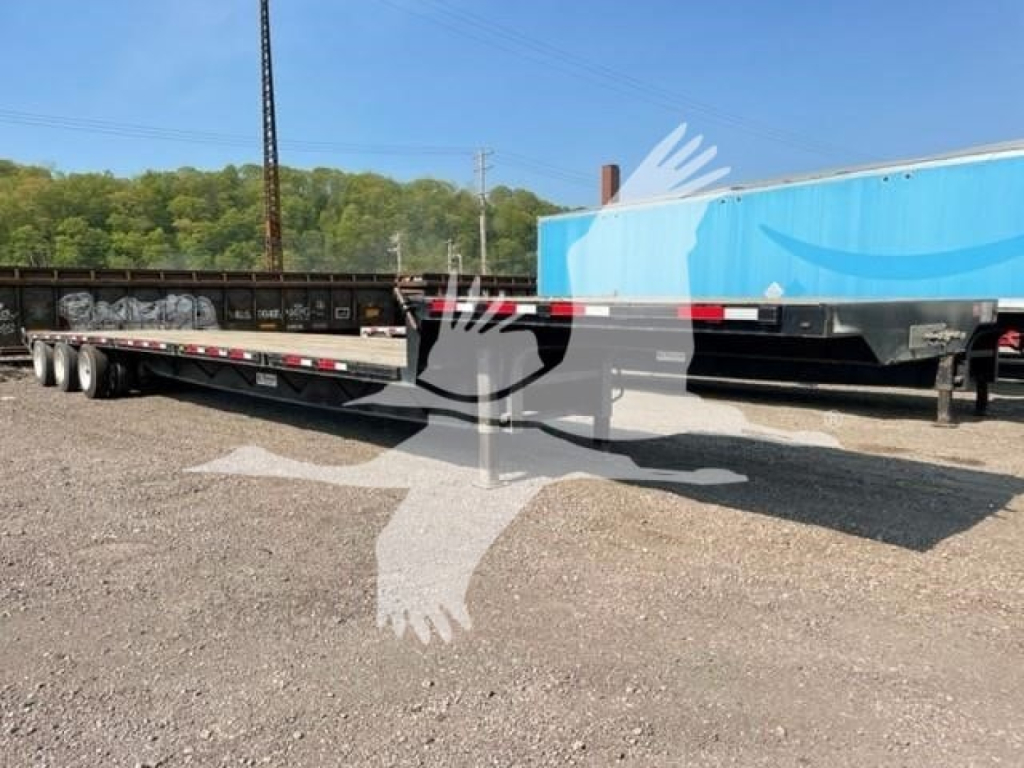
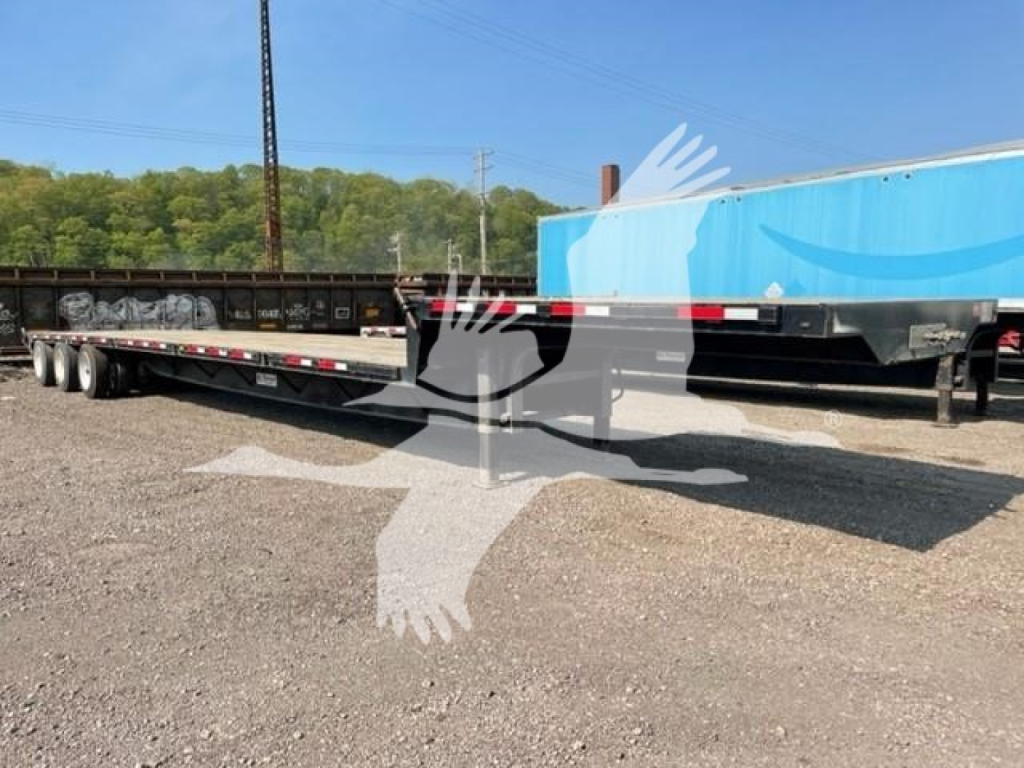
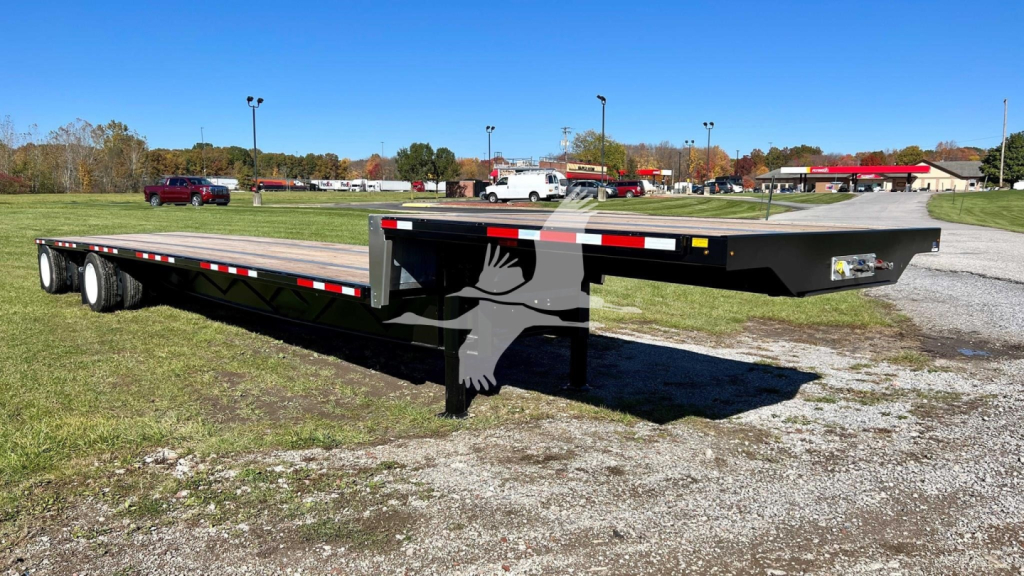
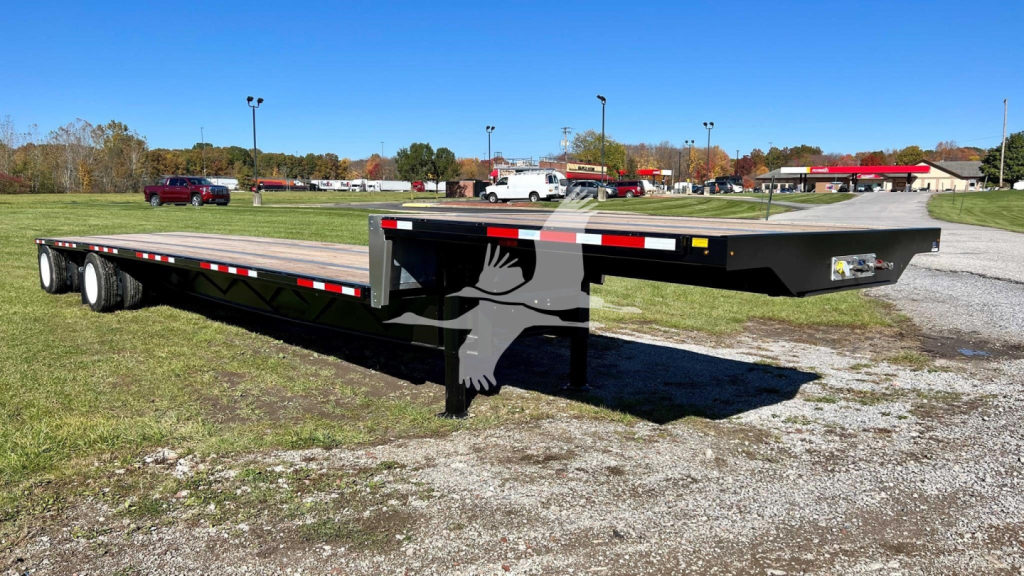
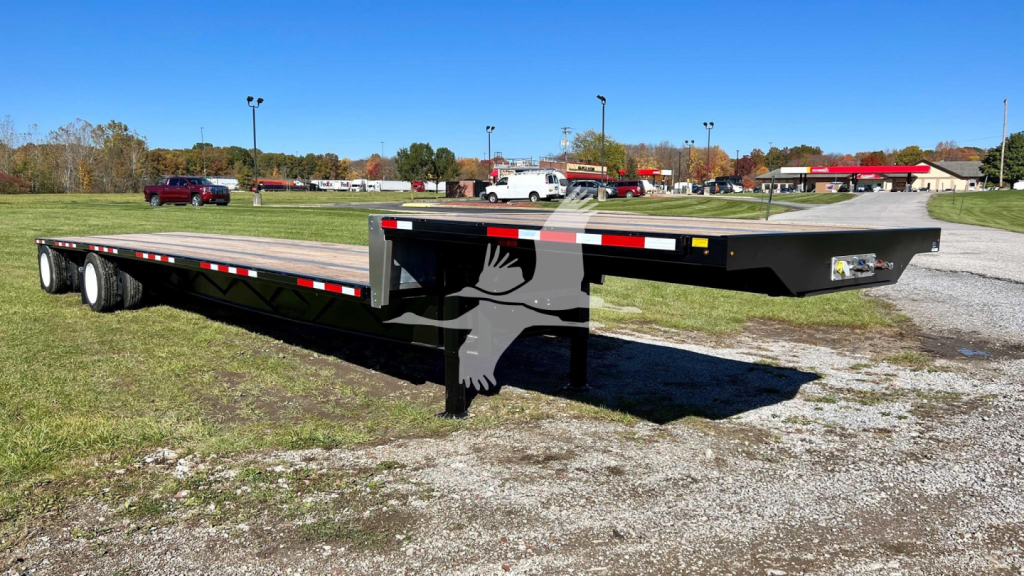
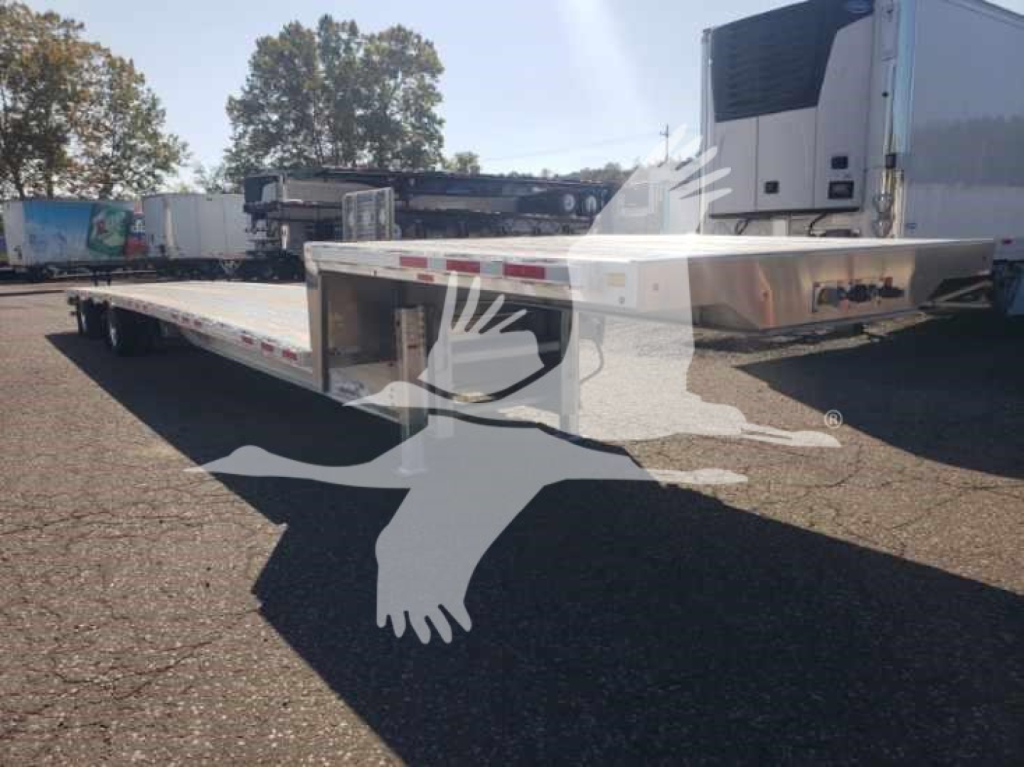
2016 Transcraft Aluminum Drop
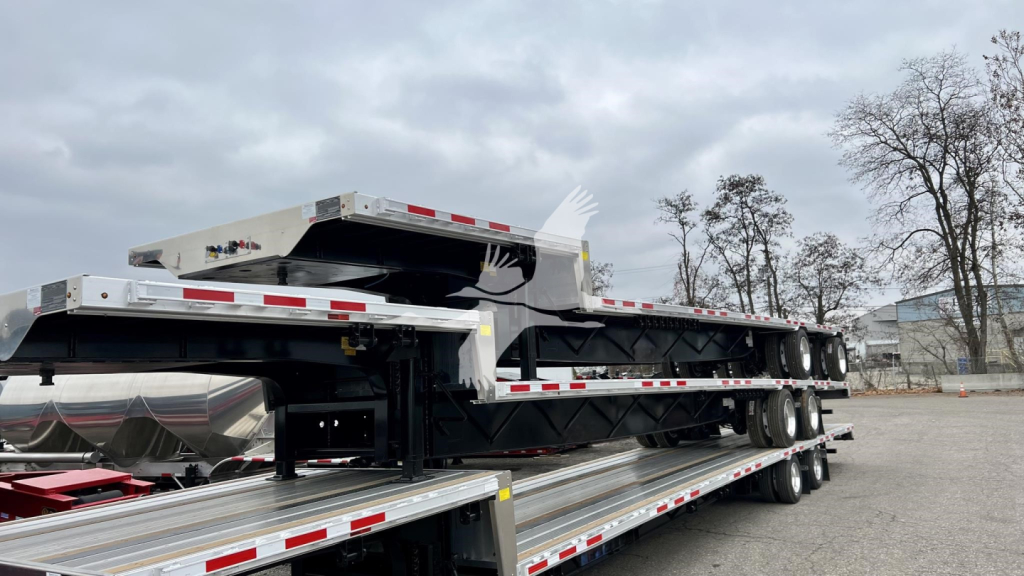
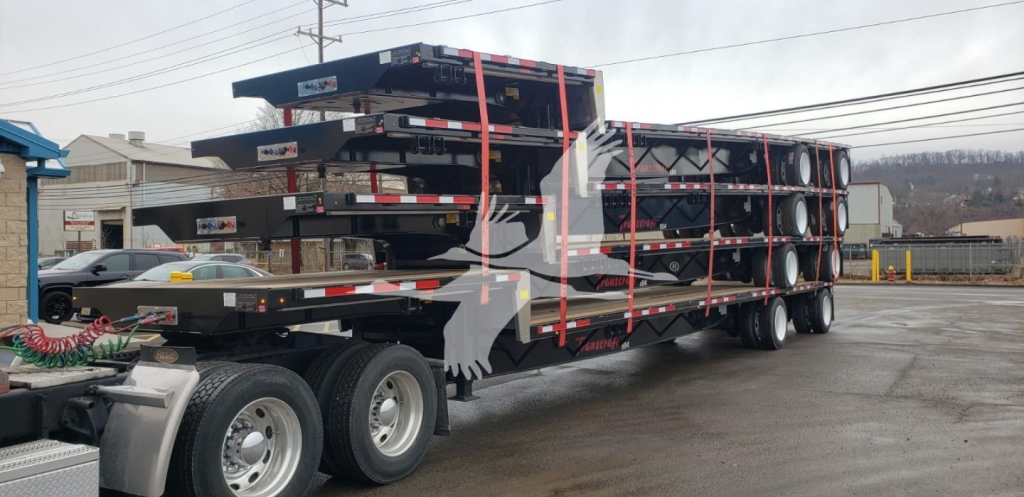
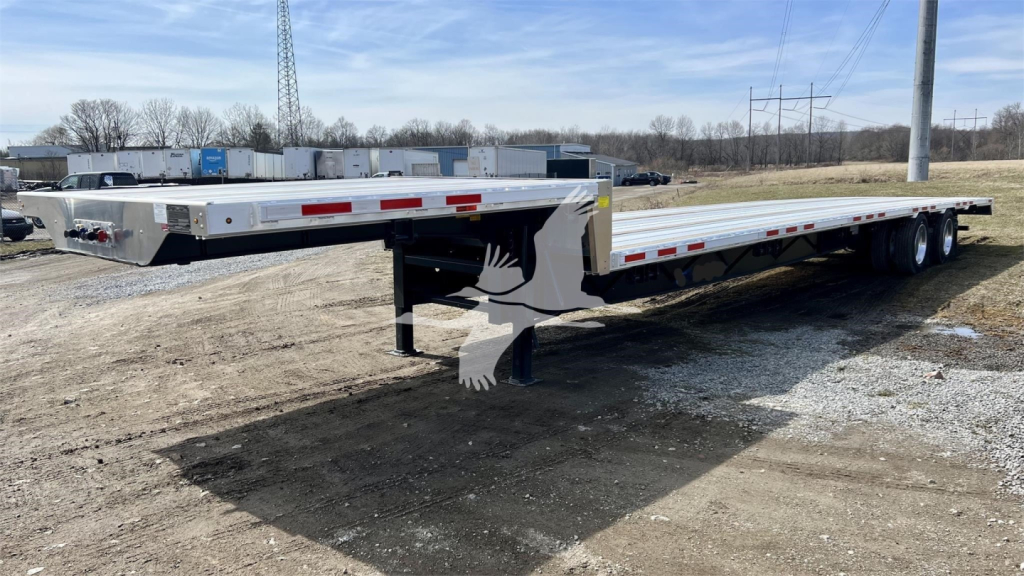
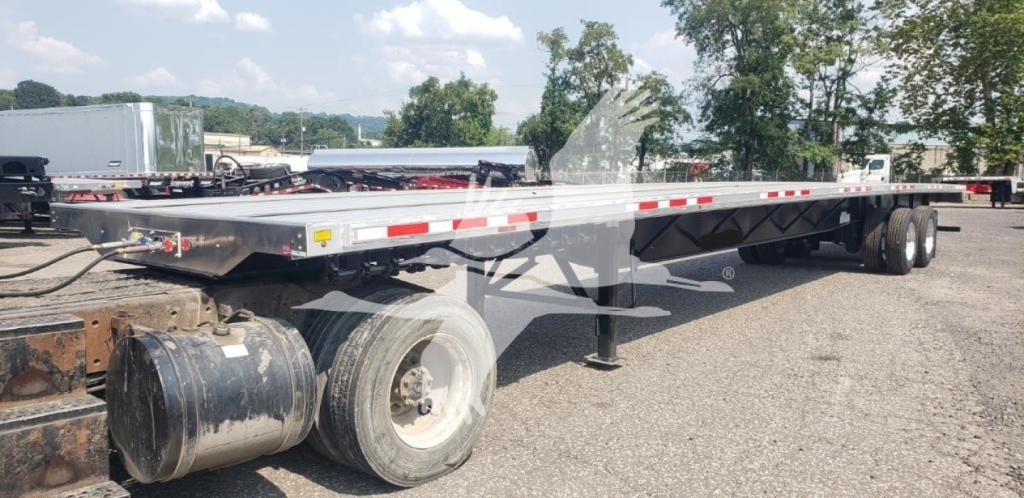
Showing 1 to 24 of 33 results
Have transcraft trailer to sell? List it here to reach thousands of buyers.
Transcraft Trailers in Pennsylvania
One of the first decisions is steel versus combo construction. A steel Transcraft trailer typically offers a durable platform for hard-use freight and repeated loading from forklifts, coils, pipe, or jobsite material, but it generally carries more empty weight. A combo Transcraft trailer, using a steel-and-aluminum design, is often selected when payload matters more and corrosion resistance is a priority. Common deck materials include Apitong wood floors and aluminum floors, and many buyers prefer Apitong for repairability and traction under mixed freight. Look closely at crossmember spacing, side rail design, pipe spools, and winch track layout because these details affect how well the trailer handles chains, straps, tarping gear, and concentrated loads.
Axle configuration matters just as much as frame design. Tandem axle spread setups are common on 48-foot flatbeds and step decks, often paired with air ride suspension from brands like Hendrickson. On longer or heavier-spec Transcraft drop decks, tri-axle layouts, lift axles, dump valves, and fixed or spread settings can be important for balancing bridge law compliance, maneuverability, and load placement. Buyers should also check kingpin setting, deck height, top deck length, main deck length, wheel and tire spec, and whether the trailer uses a slider or fixed suspension. For flatbed work in the Northeast, practical features such as LED lighting, Jost two-speed landing gear, steel wheels, mud flap brackets, and sliding winches can make a noticeable difference in uptime and day-to-day usability.
A Transcraft drop deck is usually chosen when freight height is the limiting factor, since the lower main deck allows taller cargo than a standard flatbed while still staying legal on overall height. A standard flatbed is the simpler choice for faster loading from either side and for freight that does not need the lower deck. If you are comparing listings, pay attention to beam ratings, concentrated load capability, deck height, live rollers or tail rollers, and the condition of the floor, side rails, and suspension. On used Transcraft trailers, those details tell you more than the model year alone, especially if the trailer has been working in dense regional freight lanes or heavy industrial service.
Frequently Asked Questions about Transcraft Trailers in Pennsylvania
What types of trailers does Transcraft commonly build?
Transcraft is best known for open-deck trailers, especially flatbed trailers and drop deck or step deck trailers. In the used market, buyers will commonly see 48-foot and 53-foot models in steel or combo construction, with tandem spread or tri-axle layouts, wood or aluminum floors, and air ride suspension. The brand is widely used for general freight, steel products, machinery, construction materials, and other cargo that loads from the side, rear, or overhead.
What is the difference between a Transcraft steel trailer and a Transcraft combo trailer?
A steel Transcraft trailer generally offers a tougher, heavier-duty structure and is often favored for severe-duty applications or frequent forklift loading. A combo Transcraft trailer uses both steel and aluminum to reduce tare weight while still maintaining structural strength in key areas. Buyers focused on maximum payload often lean toward combo models, while buyers prioritizing ruggedness and repair familiarity may prefer all-steel designs.
When should I choose a Transcraft drop deck instead of a flatbed?
A Transcraft drop deck is the better fit when cargo height is a concern. The lower main deck allows taller freight to stay within legal height limits, which is important for equipment, crated machinery, and taller building products. A flatbed is usually simpler for quick loading and unloading and works well for freight that does not require the added clearance of a lower deck. The right choice depends on the dimensions of the freight you haul most often, not just on trailer price.
What specs matter most on a used Transcraft trailer?
The most important specs usually include trailer length, axle configuration, suspension type, deck height, kingpin setting, floor material, and trailer empty weight. For flatbeds and step decks, buyers should also inspect winch tracks, sliding winches, side rails, crossmember spacing, lighting, landing gear, and tire and wheel condition. On heavier drop deck models, tri-axle spacing, lift axle operation, and concentrated load or beam rating are especially important because they affect both legal load placement and long-term usability.
Are Transcraft trailers a good fit for Pennsylvania and Northeast hauling?
Transcraft trailers are a strong fit for Pennsylvania and the broader Northeast because they are commonly spec'd for practical regional freight needs. Air ride suspension, spread axle setups, durable flooring, and strong tie-down systems are useful for steel, palletized freight, machinery, and building materials moving through mixed urban, industrial, and highway routes. Buyers operating in this region should pay close attention to axle spread, deck height, empty weight, and the overall condition of the frame and floor, since those factors affect both compliance and versatility.