
2020 Transcraft Trailers For Sale in Pennsylvania
Shop 2020 Transcraft trailers in Pennsylvania, including flatbed and drop deck models with specs that matter for freight, weight, and durability.
Selling a 2020 transcraft trailer? List your 2020 transcraft trailer for sale and reach thousands of commercial buyers.
2020 Transcraft Trailers in Pennsylvania
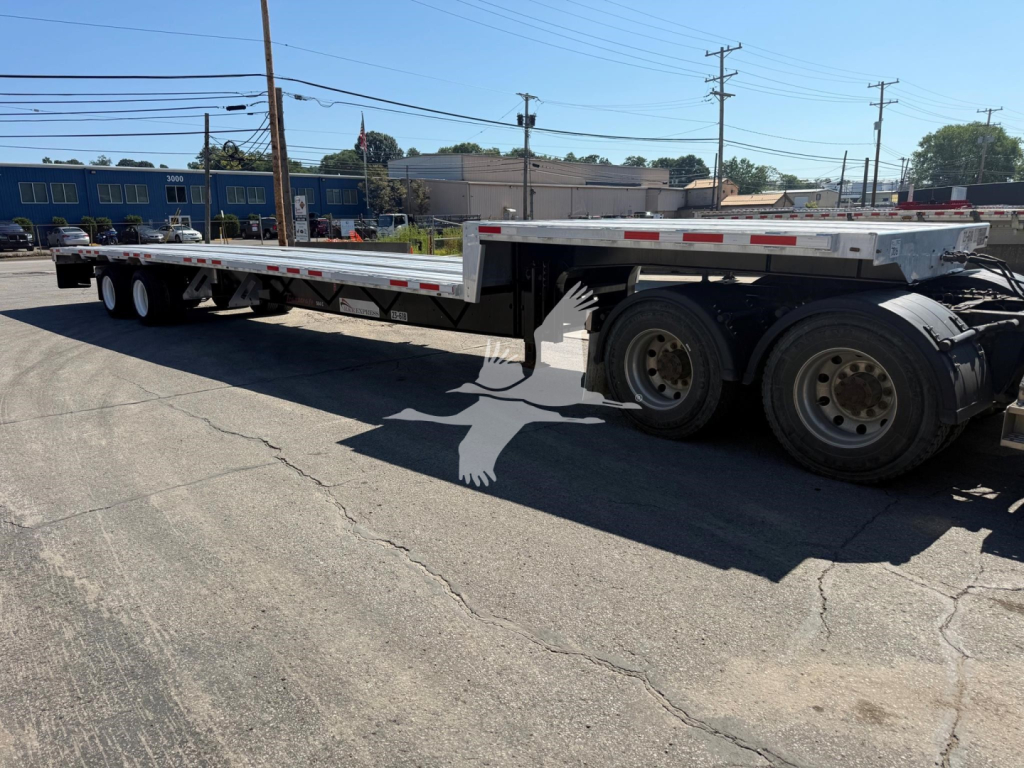
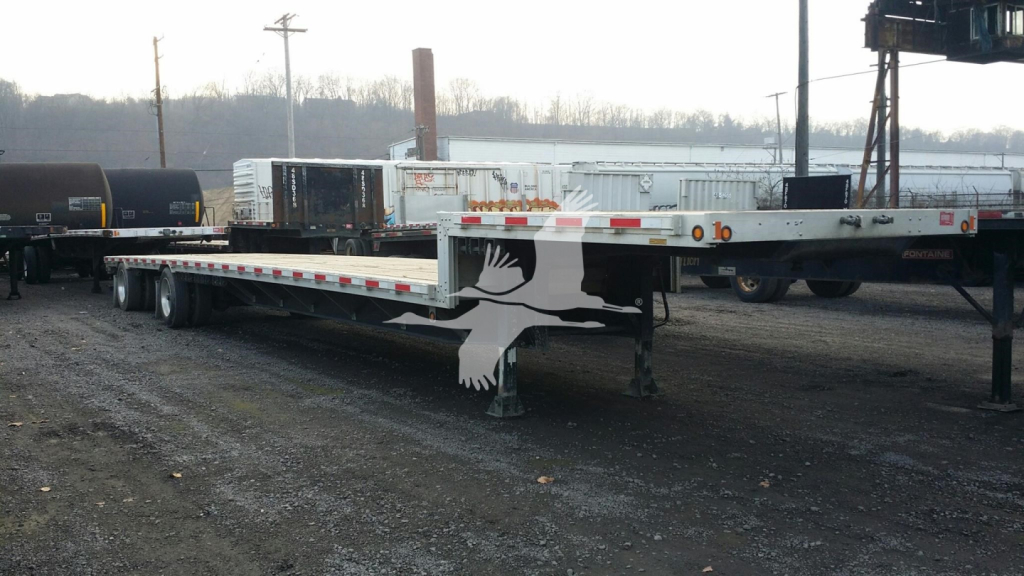
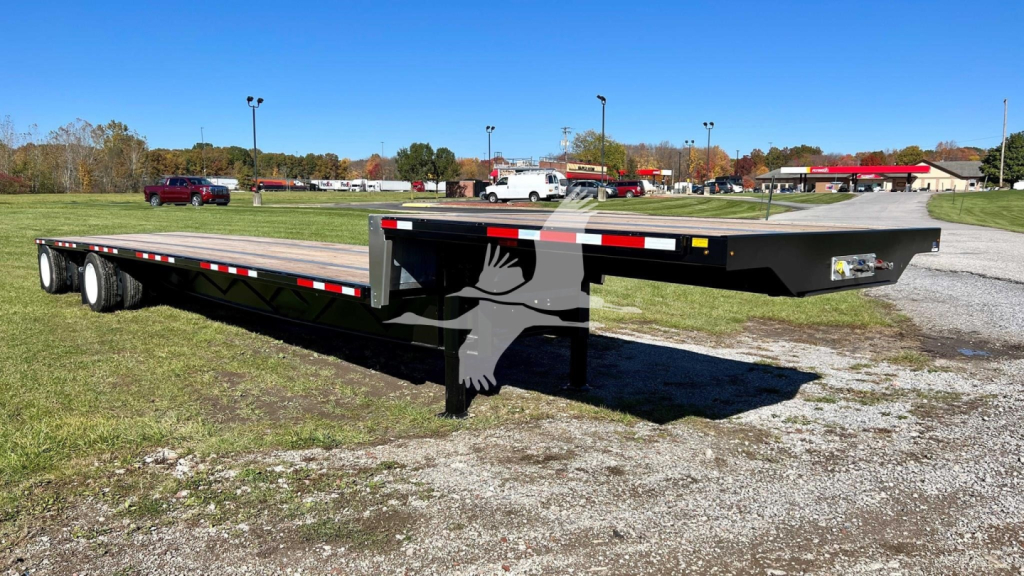
For many buyers, the main decision starts with trailer configuration. Transcraft flatbeds commonly show up in 48-foot by 102-inch layouts with steel or combo construction, Apitong flooring, winch tracks, sliding winches, double pipe spools, and spread axle setups. Drop deck models add lower deck height for taller freight and often include features like aluminum floors, chain tie-downs, ramp kits, and toolboxes. Suspension choice is another key point. Air ride is often preferred for more sensitive freight and smoother load protection, while spring ride can still appeal to operators focused on simplicity and lower upfront cost. Common specs to review closely include kingpin setting, crossmember spacing, beam rating, suspension spread, tire size, landing gear brand, and the condition of brakes, bushings, and floor structure.
Transcraft trailers are also known as open-deck trailers, with flatbeds serving standard deck freight and drop decks, also called step deck trailers, handling taller loads that would exceed legal height on a standard flat. Buyers comparing 2020 models should pay close attention to frame material and trailer weight. Steel flatbeds generally offer durability and straightforward repairability, while combo and aluminum-rich designs can reduce tare weight and improve payload. On a used trailer, side rail condition, winch track wear, floor fasteners, light wiring, suspension components, and any evidence of concentrated load damage around crossmembers or rear impact areas deserve a close inspection.
A well-spec'd 2020 Transcraft trailer fits carriers that need dependable securement options and a trailer that can move between customer types without much compromise. Look for the securement package that matches your freight mix, including chain slots, spool placement, winch count, tie bars, and bulkhead or ramp equipment if required. For Pennsylvania operations, it also helps to evaluate corrosion exposure, winter road wear, and how the axle configuration will work with bridge laws and yard maneuverability. The right trailer is not just the right length and width. It is the one with the deck strength, suspension, securement layout, and tare weight that supports your lanes and keeps freight claims and downtime under control.
Frequently Asked Questions about 2020 Transcraft Trailers in Pennsylvania
What types of 2020 Transcraft trailers are most common?
The most common 2020 Transcraft trailers on the market are flatbeds and drop decks. Flatbeds are typically used for standard open-deck freight such as lumber, steel, pipe, and palletized materials, while drop decks are used for taller equipment or freight that would ride too high on a standard flatbed. Many buyers will also see steel, combo, and aluminum-focused construction differences within these categories, which affect weight, durability, and repair cost.
What should I inspect first on a used 2020 Transcraft flatbed or drop deck?
Start with the structural items that affect safety, payload, and future repair expense. Check the frame, crossmembers, side rails, floor condition, winch track, and securement points for cracks, corrosion, bent sections, or signs of overload damage. Then inspect suspension components, axle alignment, brakes, tires, wheel ends, lighting, wiring, landing gear, and kingpin area. On a drop deck, look closely at the deck transition, ramp attachment points, and lower deck floor for concentrated load wear.
Is a steel or combo Transcraft trailer better for my operation?
A steel Transcraft trailer is often preferred when durability, impact resistance, and straightforward repairs are the top priorities. A combo trailer uses both steel and aluminum to reduce tare weight while keeping strength in key areas, which can improve payload capacity. The better choice depends on your freight, loading methods, and maintenance strategy. Fleets hauling dense commodities or working in harsher loading environments may lean steel, while carriers focused on maximizing legal payload often favor combo construction.
Why does suspension type matter on a 2020 Transcraft trailer?
Suspension type affects ride quality, freight protection, maintenance profile, and sometimes resale appeal. Air ride suspension is popular for general freight because it helps cushion loads and can be advantageous for shippers concerned about cargo damage. Spring ride remains attractive for operators who want mechanical simplicity and potentially lower repair costs. The best fit depends on what you haul, the roads you run, and how sensitive your cargo is to vibration and shock.
What specs matter most when comparing 2020 Transcraft trailers in Pennsylvania?
The most important specs usually include trailer length and width, tare weight, beam rating, axle spacing, kingpin setting, suspension type, deck height, floor material, and securement equipment. In Pennsylvania and throughout the Northeast, buyers should also factor in corrosion from winter road treatment, bridge-law implications of axle settings, and the maneuverability needs of tighter job sites and customer yards. Those details often matter as much as brand and model when matching a trailer to a lane.