
Used Trail King Trailers For Sale
Browse used Trail King trailers, including lowboy, drop deck, belt, and specialized hauling models built for heavy-duty commercial work.
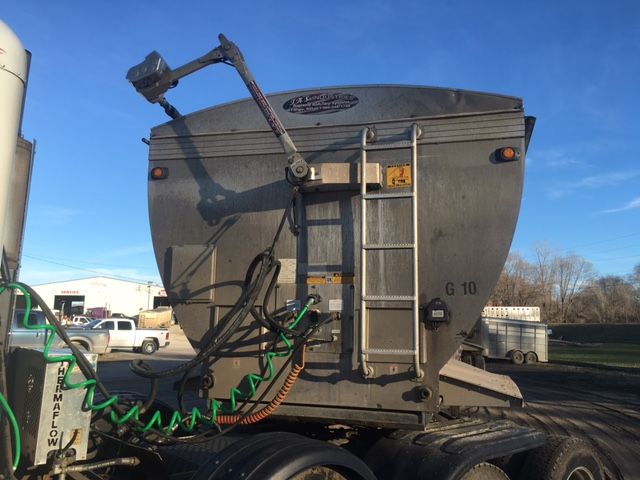
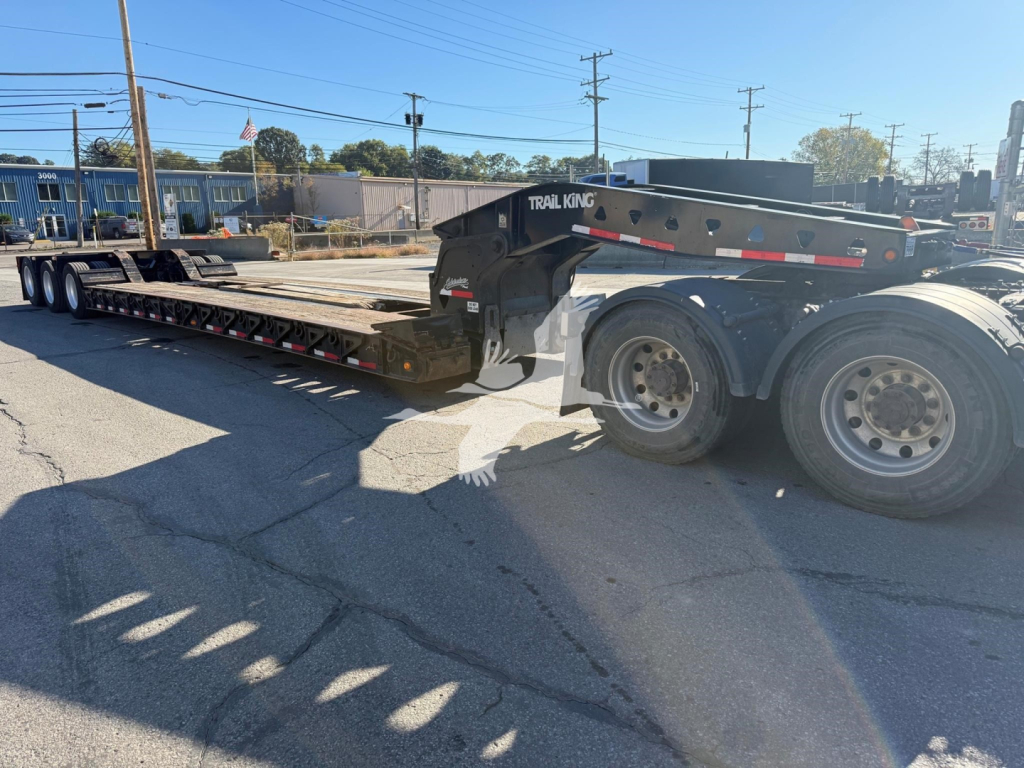
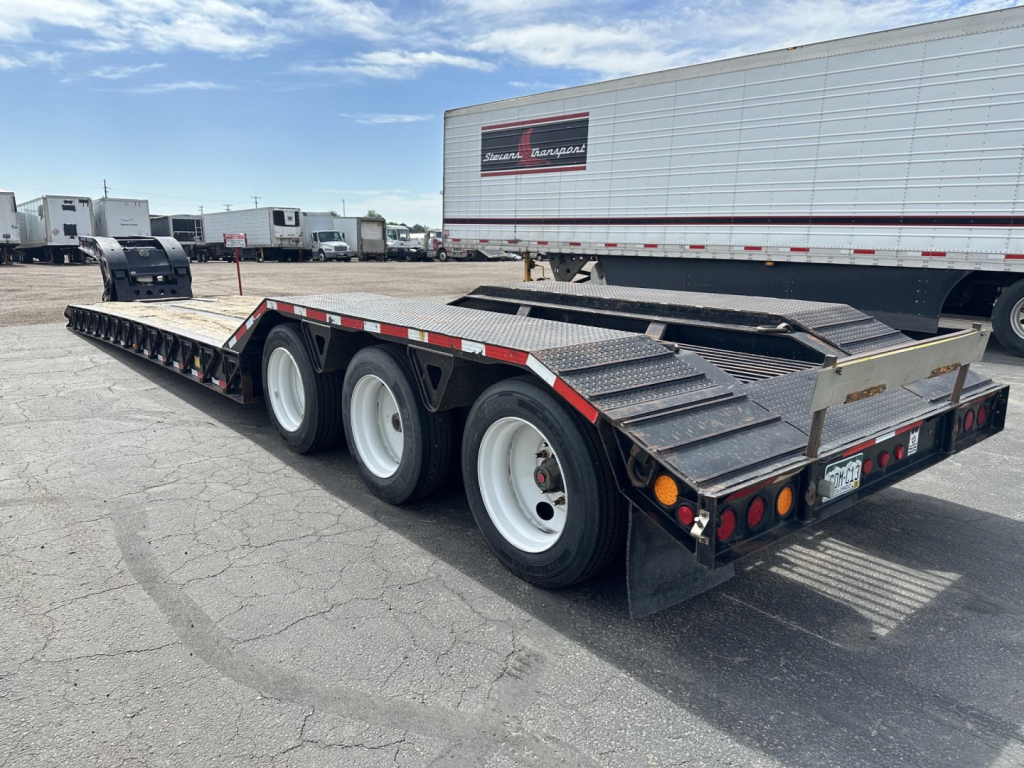
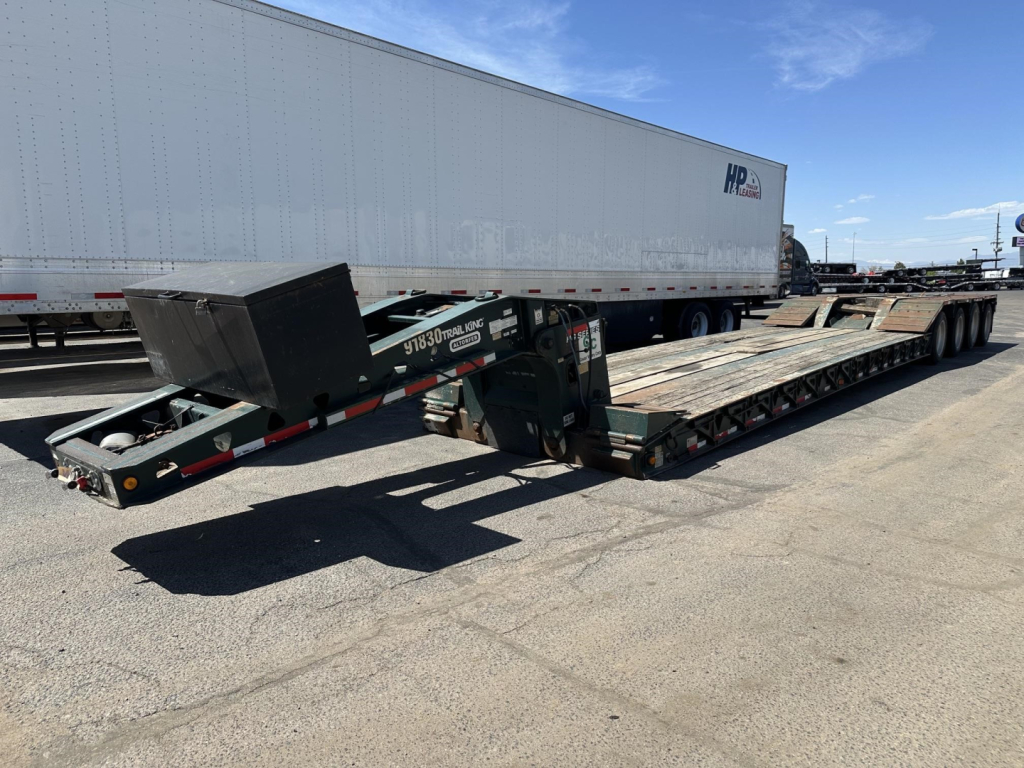
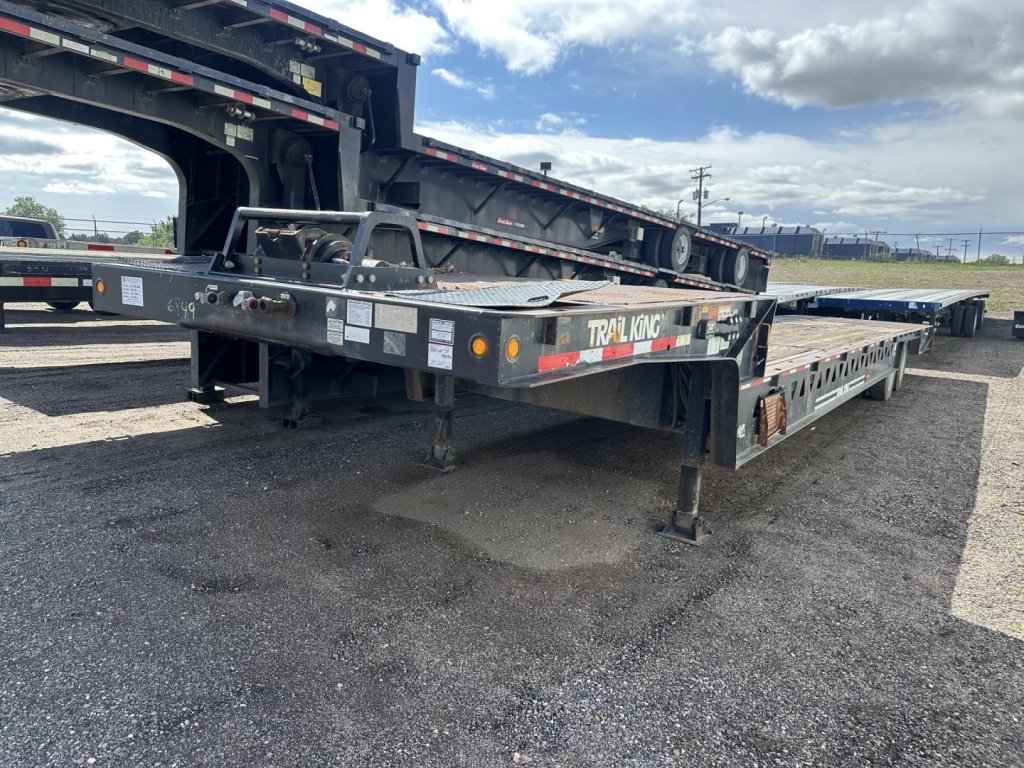
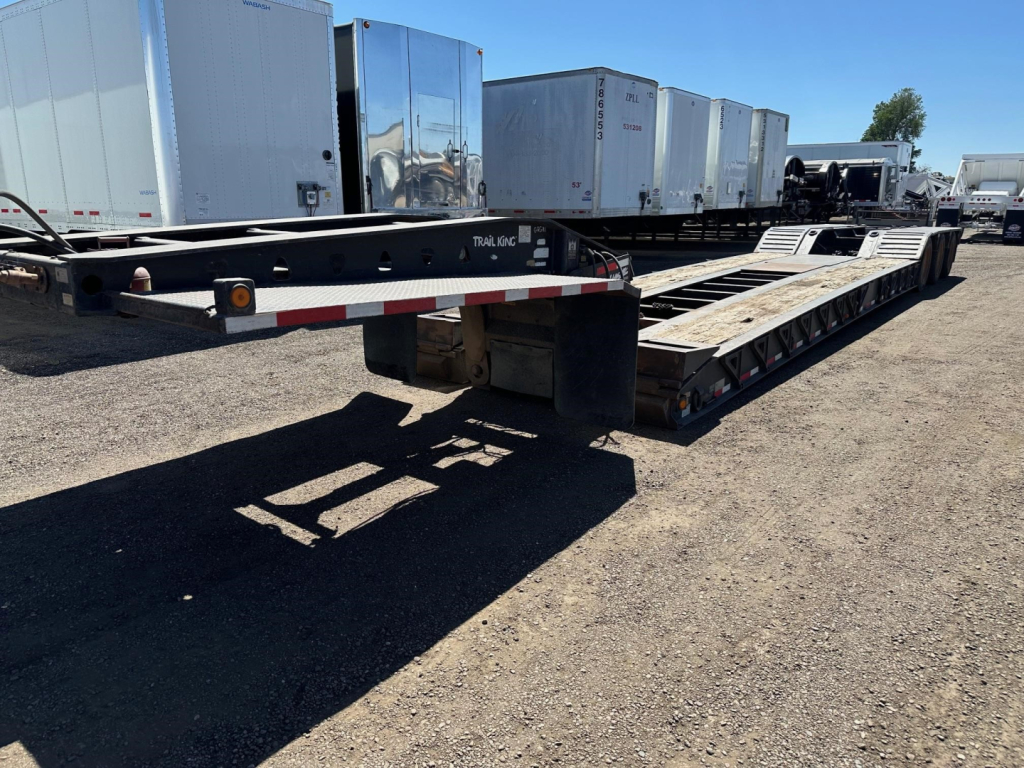
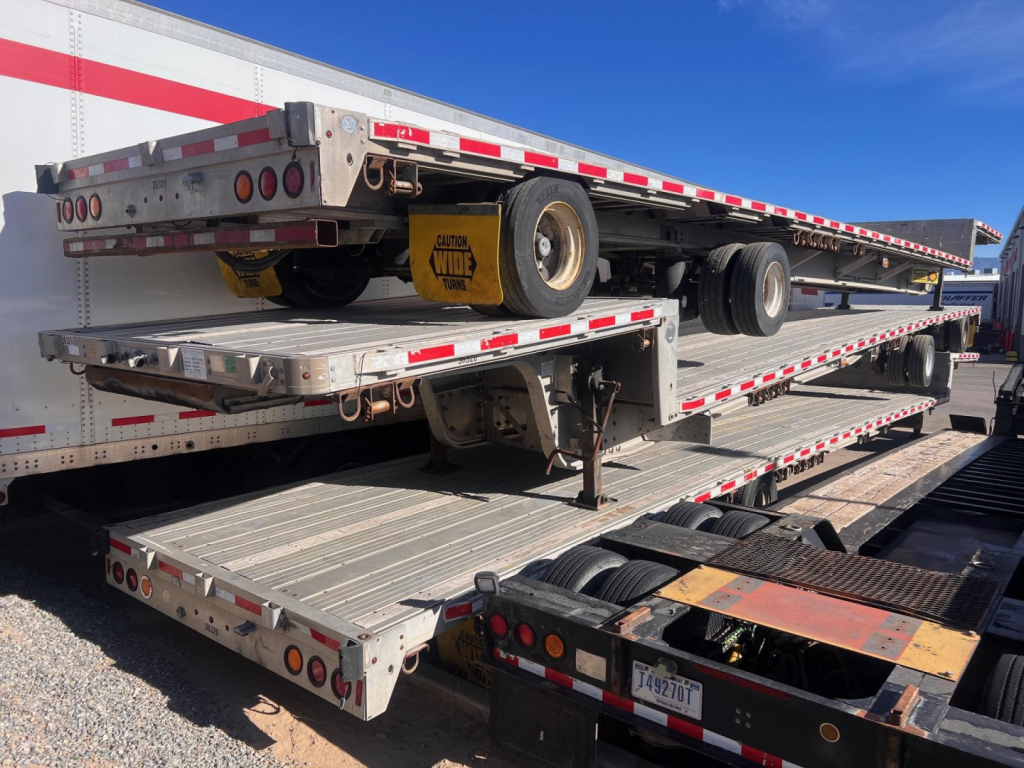
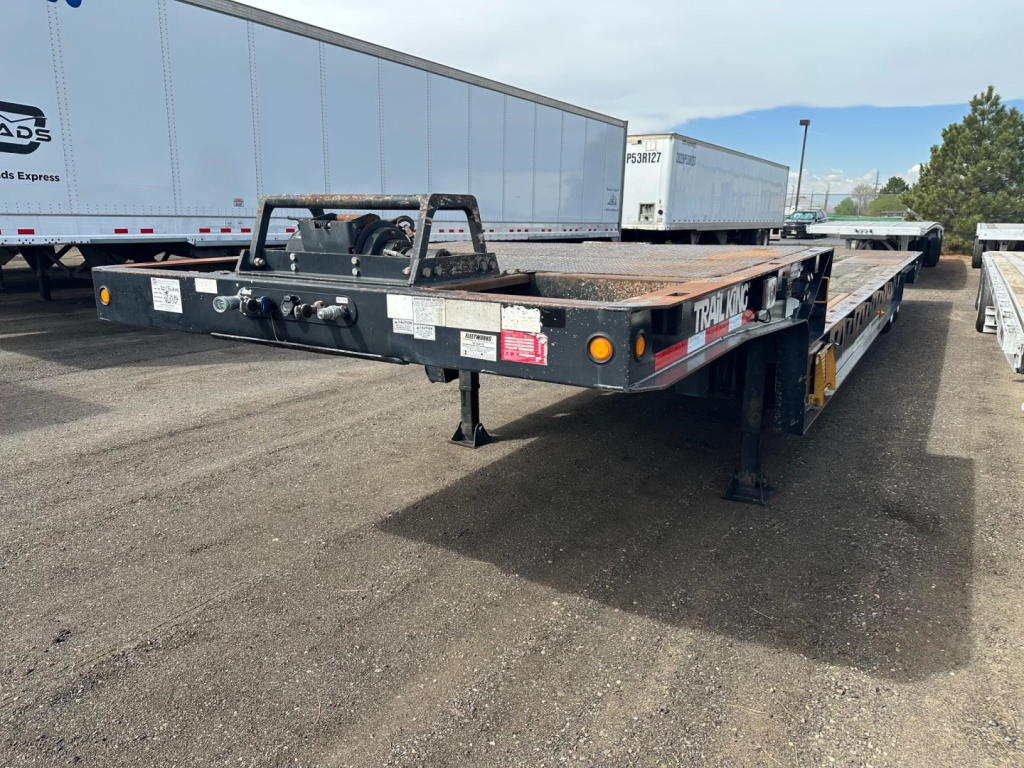
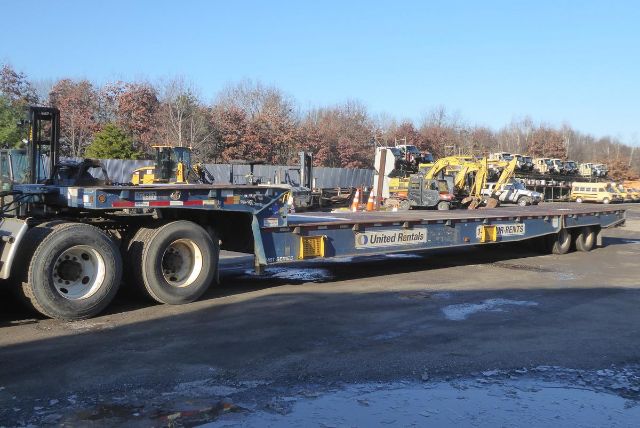
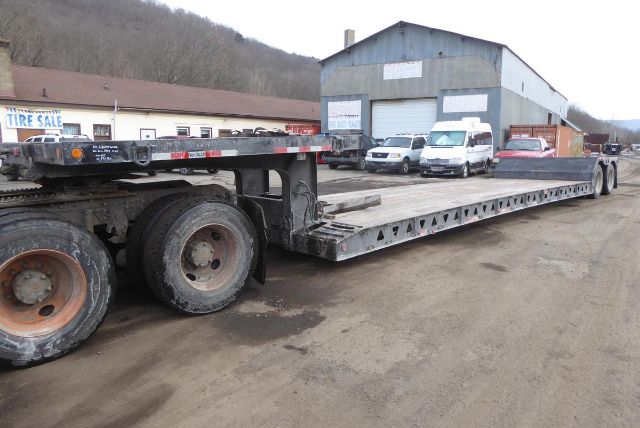
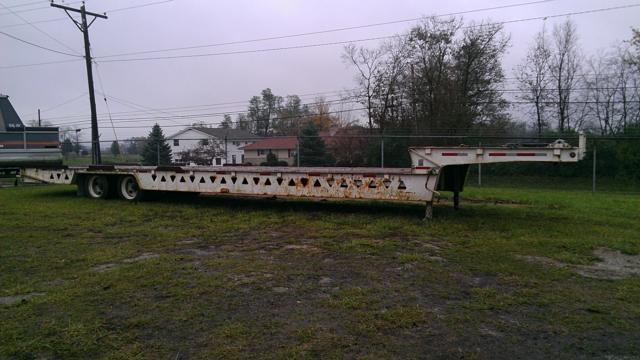
Selling a used trail king trailer? List your used trail king trailer for sale and reach thousands of commercial buyers.
Used Trail King Trailers
For equipment hauling, used Trail King lowboys and drop decks are often evaluated by deck length, well length, loaded deck height, axle layout, and suspension type. Common specs include 48-foot overall lengths, 102-inch widths, tandem axle setups, air ride suspension, steel frames, and wood-over-steel or full steel floors. Buyers looking at heavy-spec units should pay close attention to hydraulic ramps, detachable neck style, concentrated load ratings, GVWR, and whether the axles are fixed or sliding. On older trailers, frame condition is critical. Crossmembers, main beams, neck area, outriggers, ramp hinges, and the rear transition deserve a close inspection, especially on units that have hauled excavators, dozers, or tracked equipment.
Trail King trailers are also common in fleets that need durable vocational specs. Used belt trailers and live bottom trailers from this brand are typically chosen for controlled discharge of asphalt, gravel, salt, millings, compost, or other bulk materials where tipping clearance is a concern. In that segment, belt width, liner condition, cross tube design, chain drive components, suspension, and tarp system condition matter as much as cubic yard capacity. A trailer with a sound structure but worn belts, rollers, bearings, or drive components can quickly become a maintenance project, so buyers should compare not just price but recent service history and remaining life in consumable parts.
A good used Trail King trailer usually stands out by honest structural condition and a spec that fits the work without overbuying capacity. Check tire size, brake percentage, wheel type, kingpin setting where applicable, deck dimensions, and axle ratings against your state weight rules and tractor setup. If the trailer will see frequent loading of steel-track machines, look at deck wear, traction surface, and signs of repeated point loading. If the trailer will run regional paved roads with occasional oversize permits, sliding tandems, air ride, and hydraulic features may add flexibility. Trail King has a strong reputation in severe-duty trailer applications, but on a used unit the real value is in current condition, repair history, and how closely the trailer's design matches the freight.
Frequently Asked Questions about Used Trail King Trailers
What types of used Trail King trailers are most common?
The most common used Trail King trailers are lowboys, detachable gooseneck trailers, drop deck trailers, and other heavy-haul equipment trailers. Buyers may also find belt trailers, live bottom trailers, and specialized vocational models. Trail King is especially well known for trailers built to carry concentrated equipment loads with low deck heights and heavy steel construction.
What should I inspect first on a used Trail King lowboy or drop deck trailer?
Start with the structure. Inspect the main beams, gooseneck area, crossmembers, outriggers, deck, ramp assemblies, suspension mounts, and axle alignment. Look closely for cracks, plated repairs, rust-through, bent sections, and wear around high-stress points. On heavy-haul trailers, structural condition is usually more important than cosmetics because past overloading or repeated machine hauling can shorten service life.
Are older Trail King trailers still worth buying?
Yes, if the trailer has a sound frame, usable suspension and running gear, and a spec that matches the intended work. Many older Trail King trailers were built for severe-duty service and can remain productive for years. The key is verifying condition, not just age. A well-maintained older unit can be a better buy than a newer trailer with structural damage, deferred maintenance, or the wrong deck and axle configuration.
What specs matter most when comparing used Trail King trailers?
The most important specs depend on the trailer type, but buyers usually compare overall length, deck length, well length, loaded deck height, width, axle count, axle configuration, suspension type, GVWR, concentrated load rating, and floor construction. For belt or live bottom models, belt width, cubic capacity, liner condition, drive components, and tarp system are also important. These details determine what the trailer can haul legally and efficiently.
Is air ride common on used Trail King trailers?
Yes. Air ride suspension is common on many used Trail King trailers, especially heavy-haul, drop deck, and vocational models. It can improve ride quality for equipment and reduce shock loading compared with some mechanical setups. Buyers should still inspect air bags, height control components, bushings, torque arms, and suspension brackets because repair costs can add up quickly on a neglected trailer.