
2024 Timpte Trailers For Sale
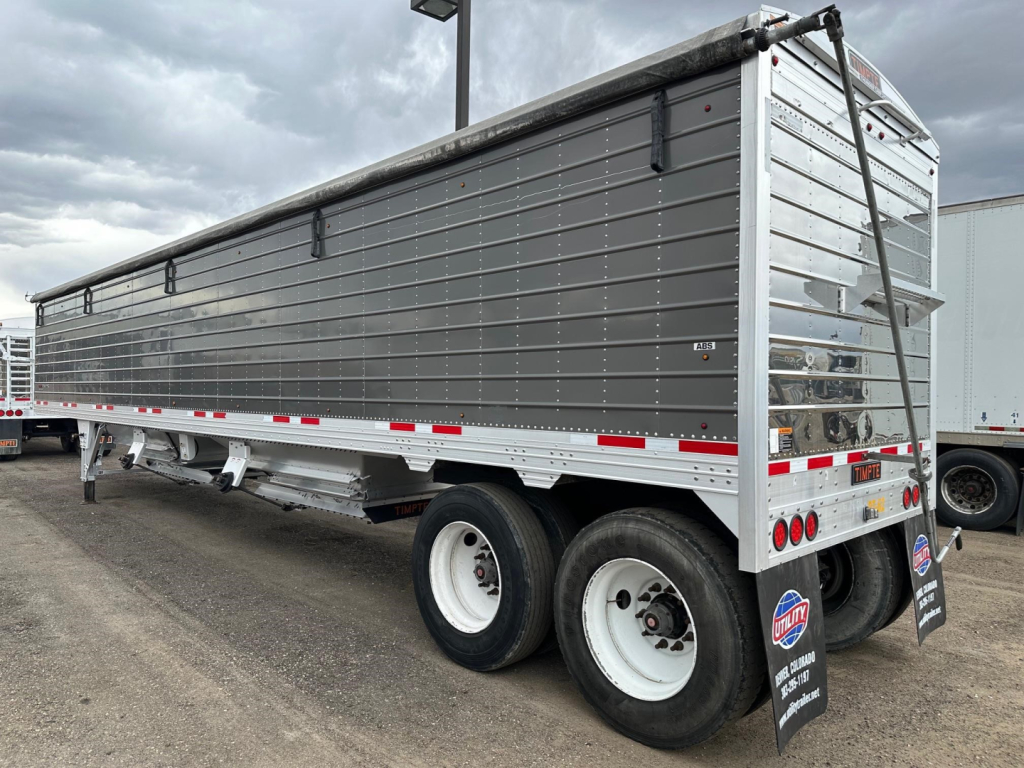
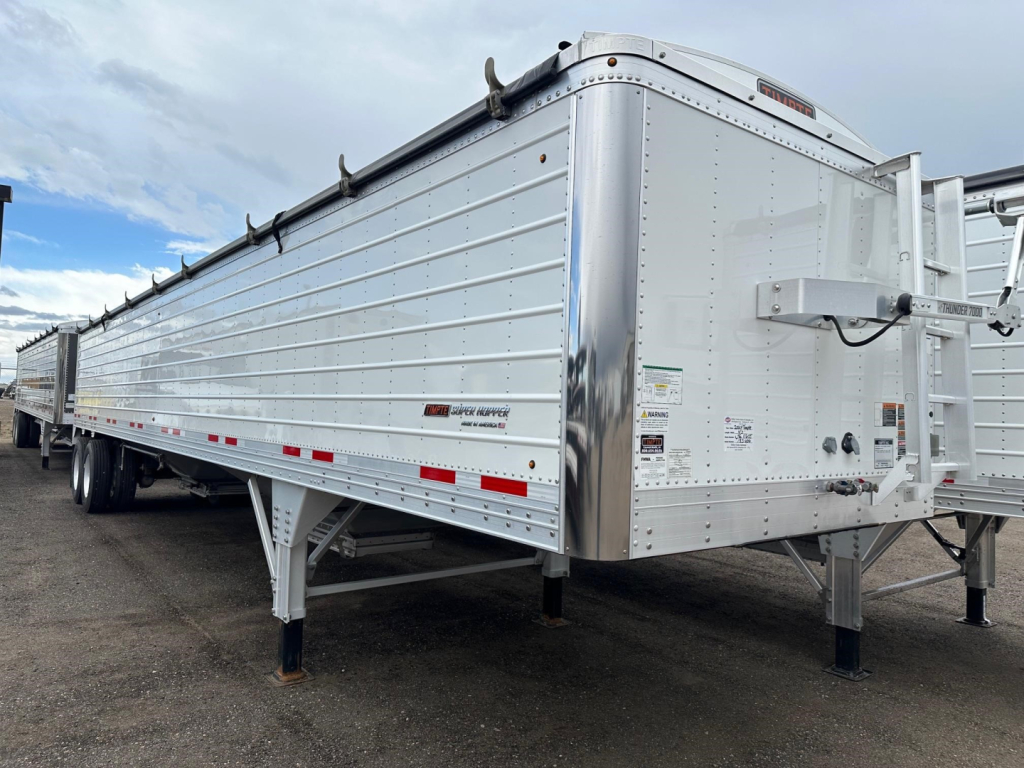
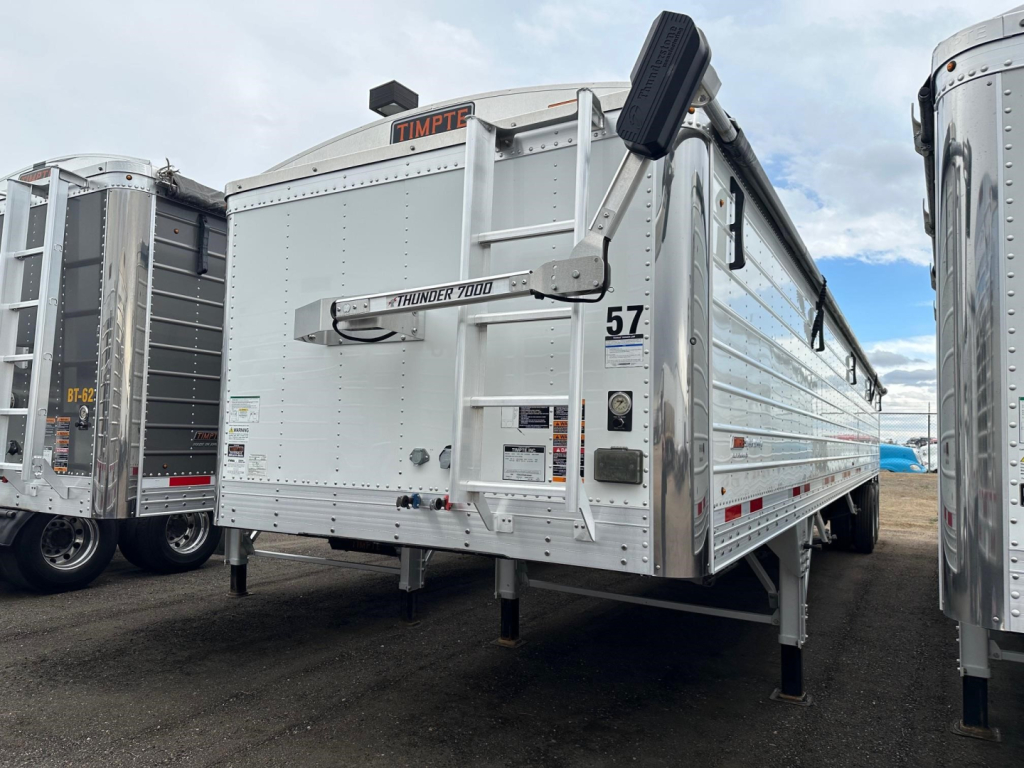
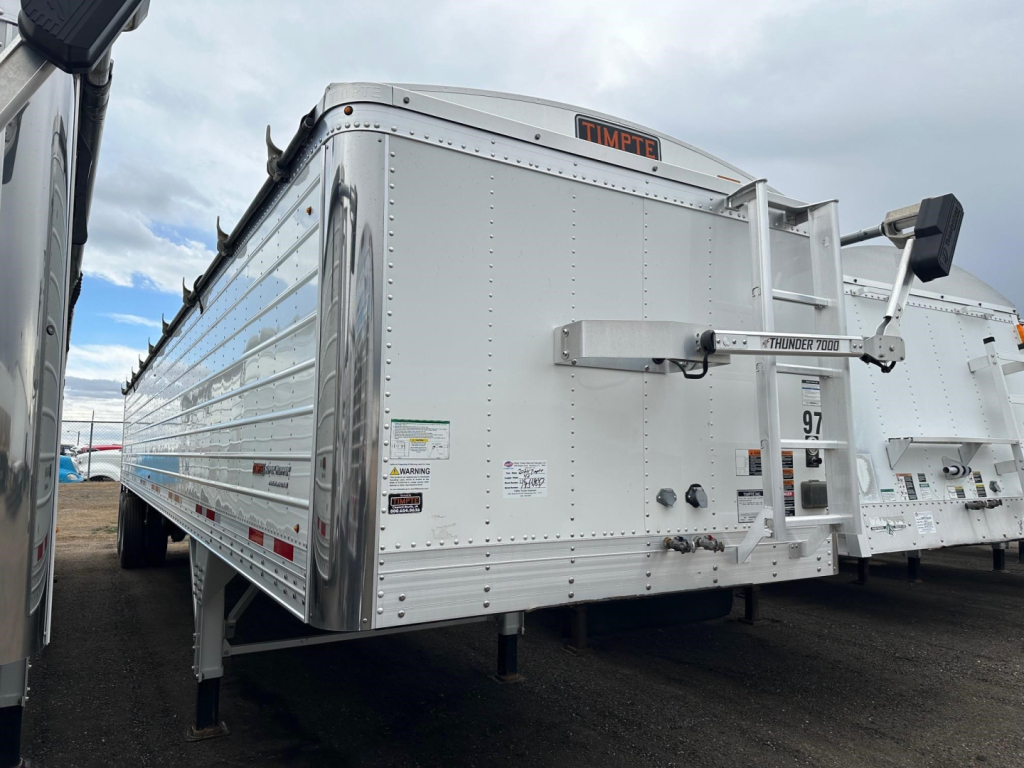
Shop 2024 Timpte trailers for sale, including popular hopper and grain trailer specs like 42' x 96", air ride, ag hoppers, tarps, and tandem axles.
Selling a 2024 timpte trailer? List your 2024 timpte trailer for sale and reach thousands of commercial buyers.
2024 Timpte Trailers
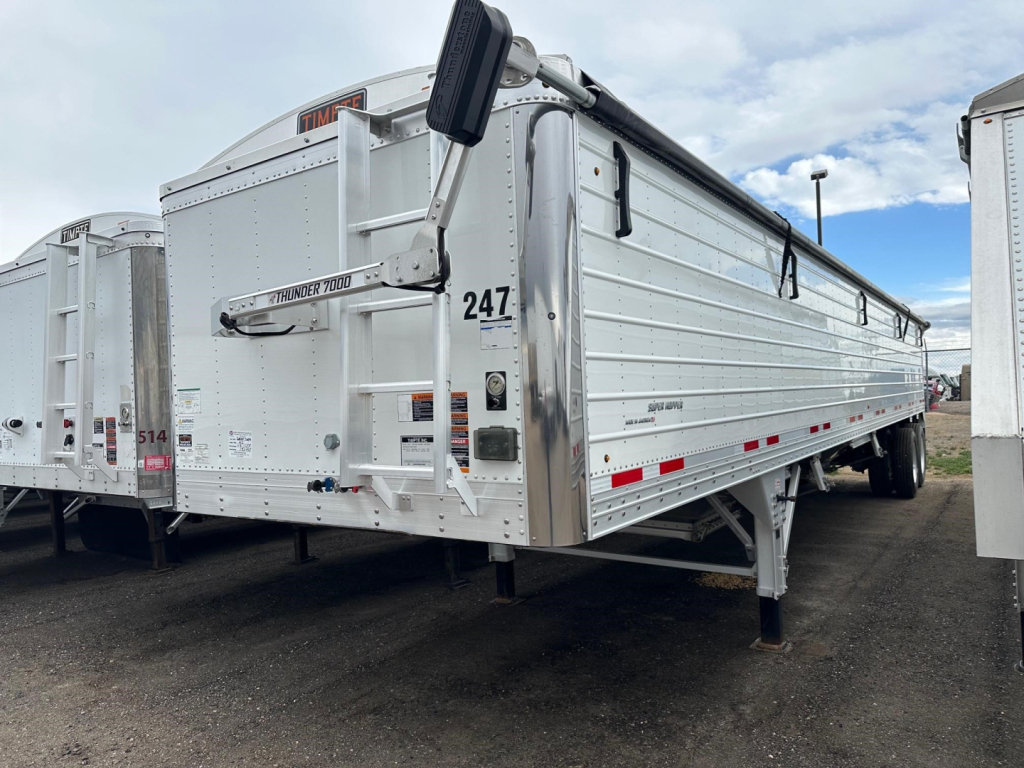
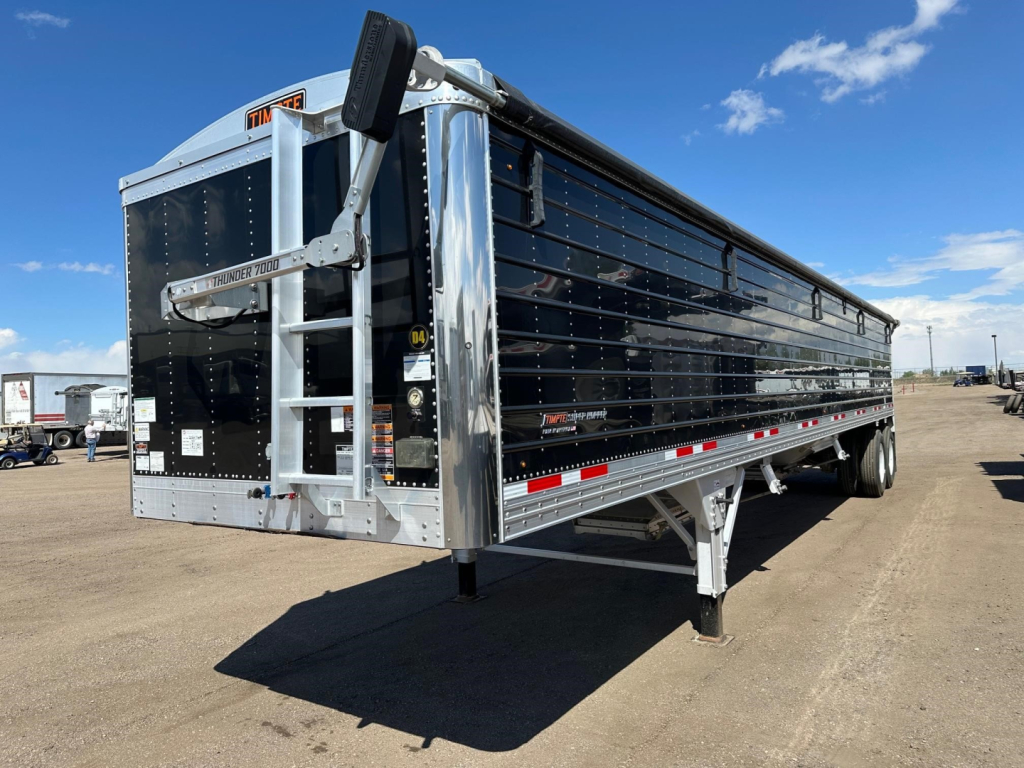
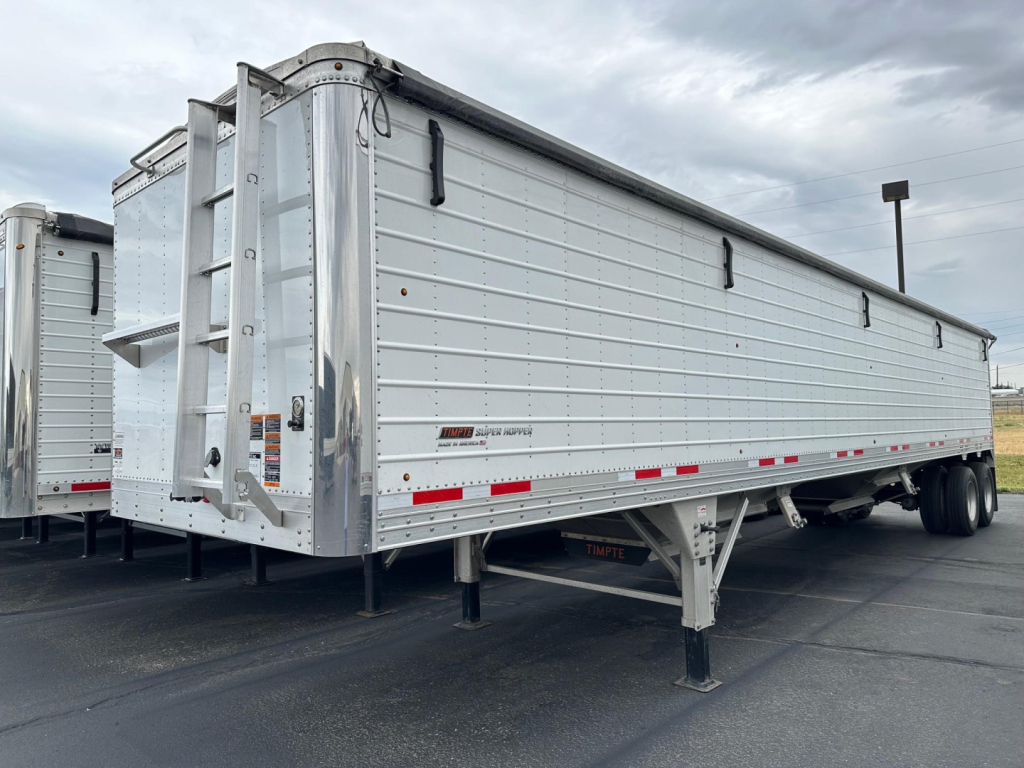
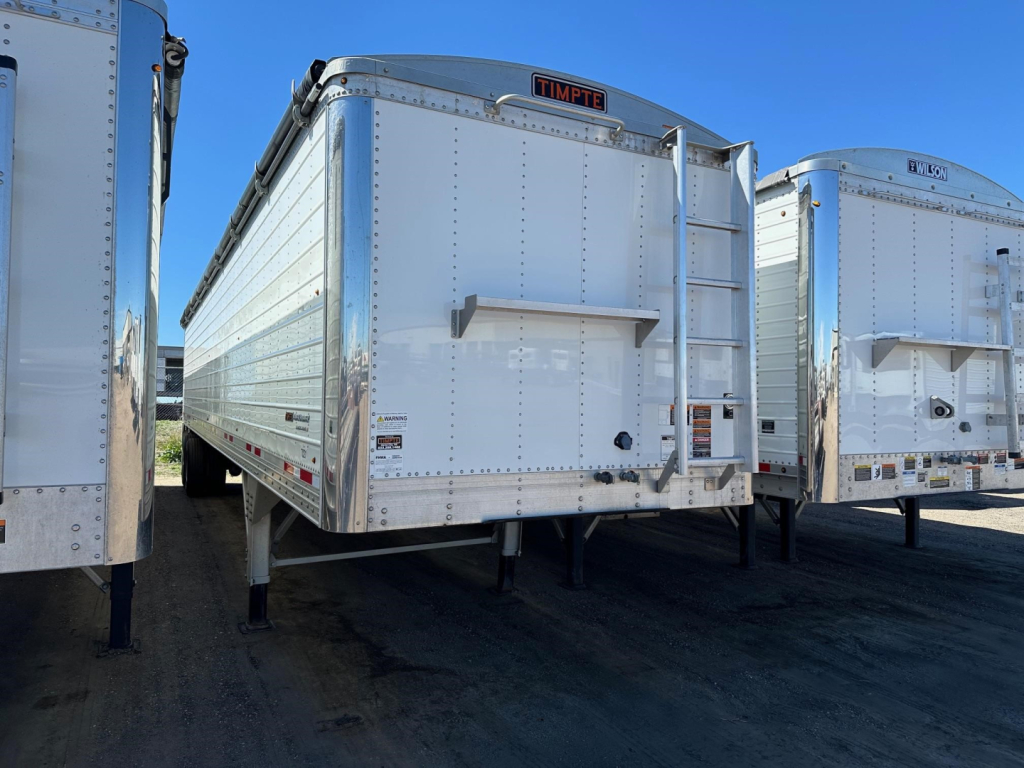
The biggest buying decisions usually come down to hopper layout, side height, suspension, and tarp system. A two-hopper ag configuration is common for farm and elevator work because it gives predictable unloading and broad compatibility with pits and auger systems. Manual hopper traps and manual roll tarps are still popular because they are simple, familiar, and easy to service, while electric tarps and hydraulic trap systems can speed up unload cycles on higher-volume routes. Closed tandem axle arrangements and air ride suspension are common on late-model Timpte trailers because they help with ride quality, commodity protection, and tire life. Buyers should also pay attention to wheel setup, tire size, ladder and catwalk access, and whether the trailer includes features like load scales, stainless front corners, stainless rear panels, or additional lighting.
Body construction details matter on Timpte trailers because they affect both service life and resale. Corrugated side panels add strength without a major weight penalty, and aluminum construction remains a major advantage for operators trying to maximize bushels or tons within legal limits. Stainless steel front corners and rear panels are useful in high-wear areas, especially where repeated loading, washdowns, and road spray can take a toll over time. Front and rear ladders with catwalks improve access for tarp operation and inspection, but buyers should inspect them for practicality and safety based on their loading environment. If the application is frac sand or another denser commodity, a shorter single-hopper configuration with hydraulic trap operation, knock rails, steel wheels, and heavier-duty components may make more sense than a traditional grain spec.
A strong 2024 Timpte trailer is usually the right fit for operators who need a late-model bulk commodity trailer with straightforward specs and good parts support. Focus on the actual work the trailer will do. Grain and ag use typically favor taller sides, dual hoppers, and lightweight wheel-end choices, while industrial bulk or frac sand work often calls for denser-commodity specs and different discharge hardware. Check suspension condition, trap door operation, tarp function, landing gear, subframe integrity, and evidence of commodity wear around the hoppers and rear structure. When the spec matches the route and commodity, a Timpte hopper trailer is one of the more proven choices in the bulk trailer market.
Frequently Asked Questions about 2024 Timpte Trailers
What are the most common specs on a 2024 Timpte hopper trailer?
Many 2024 Timpte hopper trailers are spec'd as 42-foot by 96-inch aluminum grain trailers with 78-inch sides, tandem axles, air ride suspension, two ag hoppers, and a roll tarp. Front and rear ladders, catwalks, aluminum outer wheels, steel inner wheels, and stainless wear areas are also common. Exact specs vary by application, so side height, hopper count, and trap style should be matched to the commodity and unload setup.
Is a Timpte Super Hopper mainly used for grain only?
No. A Timpte Super Hopper is widely used for grain, but it also handles feed ingredients, seed, meal, fertilizer in appropriate configurations, and other free-flowing bulk products. The trailer is popular in agricultural service because of its lightweight aluminum design and efficient hopper discharge, but the platform can also be adapted for heavier-duty bulk applications when spec'd correctly.
What should I inspect first on a late-model used Timpte trailer?
Start with the hopper system, tarp, suspension, and structural areas that see the most repeated stress. Check trap doors for smooth operation and good sealing, inspect the subframe and hopper slopes for damage or repair history, and look closely at landing gear, crossmembers, catwalk mounts, ladders, lights, and wheel ends. On agricultural trailers, signs of corrosion, impact damage around loading points, and wear at the rear frame and discharge area are worth close attention.
Are manual tarps and manual hopper traps still a good choice?
Yes. Manual tarps and manual hopper traps remain common because they are simple, lower in cost, and easier to maintain in many fleets. They make sense for owner-operators and seasonal ag use where uptime and field serviceability are priorities. Electric tarps and hydraulic traps can improve speed and reduce driver effort, but they add components that need power, maintenance, and occasional troubleshooting.
How do I choose between an ag hopper and a frac sand style Timpte trailer?
Choose based on commodity density, unloading method, and the environment where the trailer will work. An ag hopper typically uses a lightweight dual-hopper design with taller sides for grain and similar commodities. A frac sand or roughneck-style hopper is usually shorter, heavier-duty, and built around dense loads, single-hopper discharge, knock rails, and hydraulic trap systems. The correct choice depends on payload target, loading infrastructure, and how fast the trailer needs to unload at the destination.