
Used Tank Trailers For Sale in Texas
Browse used tank trailers for sale in Texas, including chemical, food-grade, and stainless tanker configurations with common specs and buying tips.
Learn more
Have used tank trailer to sell? List it here to reach thousands of buyers.
About Used Tank Trailers in Texas
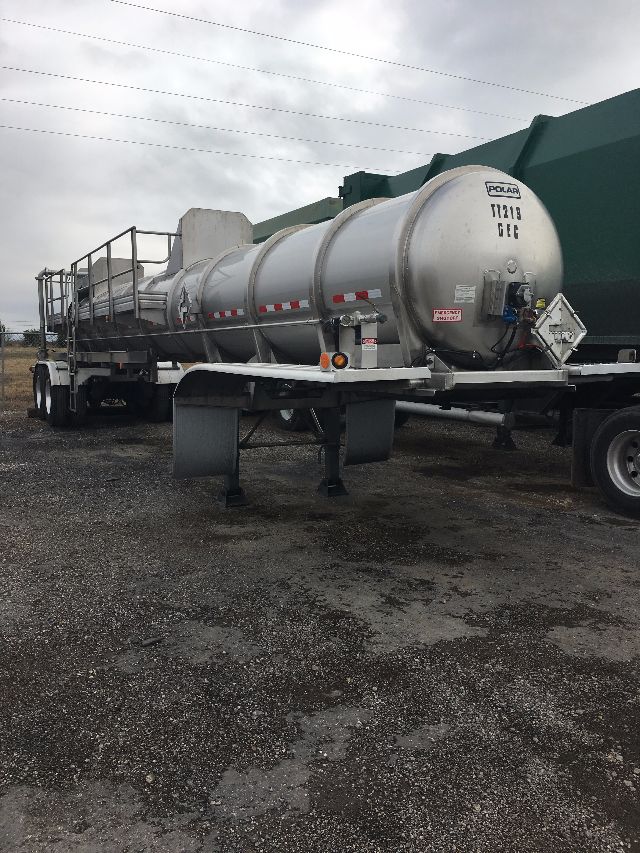
Construction details have a direct effect on service life and maintenance cost. Stainless steel barrels, especially T-316 stainless, are common on chemical and food-grade units because they resist corrosion and hold value well. Many used tank trailers in this class run from roughly 3,500 to 7,000 gallons, often in single-compartment layouts, though compartment count, baffling, and barrel shape vary by product. Double conical barrels, straight round designs, external rings, insulation, in-transit heat lines, vapor recovery systems, and specialized linings such as Kynar all point to a trailer built for a specific lane or commodity. Discharge layout also matters. Rear discharge, center discharge, and side discharge each affect pump setup, unloading time, and plant compatibility.
On older used tank trailers, condition is more important than age alone. Buyers should inspect the barrel, subframe, crossmembers, suspension, manholes, valves, hose tubes, and piping for corrosion, weld repairs, and signs of product incompatibility. On a chemical or pressure trailer, current test status and documentation are essential, including pressure tests, thickness records if applicable, and any required specification markings. On food-grade units, pay close attention to internal finish, seals, CIP setup, insulation condition, and whether the trailer meets the sanitation standards your shipper requires. In Texas service, heat, long haul distances, and mixed highway conditions can accelerate wear on tires, brakes, suspension, and seals, so service records carry real value.
A good used tanker should be matched to loading racks, unloading systems, and the commodity stream it will actually serve. Check gallon capacity against legal weight, especially for heavier products where a 7,000 gallon trailer may cube out differently than it weighs out. Confirm axle spacing, suspension type, wheel material, tire size, and frame construction, and make sure the trailer's discharge plumbing, manhole arrangement, and vapor equipment fit your customer base. For many fleets, the best buy is not the newest tank trailer. It is the one with the right code, clean history, compatible materials, and current test compliance for the freight being hauled.
Frequently Asked Questions
What is the most important thing to verify when buying a used tank trailer?
The most important item is the trailer specification and commodity compatibility. A used tank trailer must match the product you plan to haul, which means confirming the DOT or MC code, barrel material, lining, pressure rating, discharge setup, and any sanitary certification. A low-priced trailer can become unusable if its code, internal finish, or fittings do not meet shipper requirements or regulatory standards.
How many gallons does a typical used tank trailer hold?
Used tank trailers vary widely by application, but many liquid tankers on the market fall in the 3,500 to 7,000 gallon range. Chemical and food-grade units often appear in single-compartment configurations, while some specialized trailers are built around different compartment counts or barrel designs. Capacity should always be reviewed alongside product density and legal gross weight, because a larger gallon rating does not always translate to a better payload.
What is the difference between a food-grade tank trailer and a chemical tank trailer?
A food-grade tank trailer is built to sanitary standards for hauling consumable liquids such as milk, juice, edible oils, or other food products. These trailers commonly use stainless construction, smooth internal finishes, insulation, and washout-friendly plumbing. A chemical tank trailer is designed around the pressure, corrosion resistance, and containment requirements of industrial liquids, which may include coded barrels, special linings, vapor recovery systems, and pressure manholes. One type should not be assumed suitable for the other without proper certification and compatibility.
What should buyers inspect on an older used stainless steel tanker?
Buyers should inspect the barrel interior and exterior, weld seams, frame rails, suspension, brake system, valves, manholes, gaskets, and discharge piping. It is also important to review repair history, pressure test status, and any signs of corrosion under insulation or around fittings. Stainless steel holds up well, but age, prior cargoes, deferred maintenance, and improper cleaning can still create expensive issues that are not obvious from a basic walkaround.
Are tank trailer test records and certifications important on used units?
Yes. Test records and certifications are critical on used tank trailers because many applications require current compliance documentation before a trailer can return to service. Depending on the specification and product class, buyers may need proof of pressure testing, inspection intervals, lining condition, or sanitary compliance. Without current records, a trailer may need immediate testing, recertification, or repair before it can legally haul revenue freight.