
Used Tank Trailers For Sale
Browse used tank trailers including DOT 407, MC 307, pneumatic, and stainless units with common specs, capacities, and application details.

Selling a used tank trailer? List your used tank trailer for sale and reach thousands of commercial buyers.
Used Tank Trailers
Frequently Asked Questions about Used Tank Trailers
What should I check first on a used tank trailer?
Start with the tank code, commodity history, and barrel material. A used tank trailer must match the product you plan to haul and the regulatory standard required for that product. Buyers should also verify test and inspection status, lining or shell condition, discharge configuration, heating equipment, and whether the trailer has been used for corrosive, food-grade, petroleum, waste, or dry bulk service. Commodity history matters because prior use affects cleaning requirements, future compatibility, and resale value.
What are common capacities and configurations for used tank trailers?
Used tank trailers are commonly found in the 6,000 to 8,000 gallon range for many liquid applications, with lengths often around 42 to 45 feet. Single-compartment tanks are common for dedicated product service, while multi-compartment units are used when operators need to haul different products or make split deliveries. Pneumatic dry bulk tanks are usually rated by cubic feet rather than gallons, and common details include hopper count, pressure manholes, and rear discharge plumbing. Tandem axle setups, air ride or spring suspension, and 11R22.5 or 22.5 low-profile tires are typical in this category.
Is stainless steel better than aluminum on a used tanker trailer?
Stainless steel is often preferred for corrosive chemicals, many food and sanitary applications, and operations where long-term barrel durability is critical. Aluminum can reduce tare weight and is common on certain dry bulk and liquid applications, but it is not automatically the right choice for every commodity. The correct material depends on product compatibility, cleaning protocol, expected service life, and weight targets. On a used trailer, the actual condition of the shell, welds, internal surfaces, and piping matters as much as the base material.
What features matter most on a used chemical or liquid tank trailer?
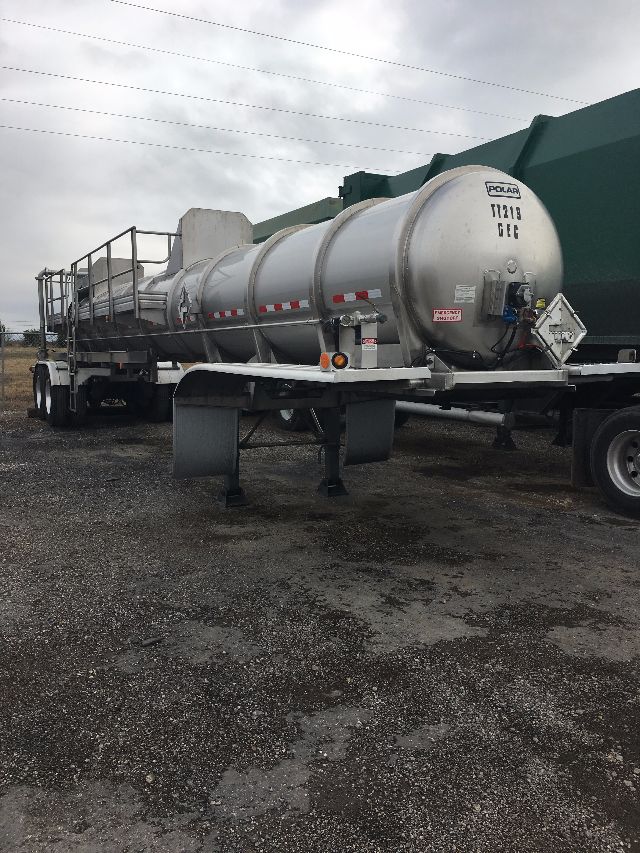
Discharge layout, compartment count, insulation, heating system, vapor recovery, and manway configuration are key factors. A rear discharge setup may fit one terminal operation while a side discharge is better for another. Insulated tanks, steam heat, or in-transit heat are important when hauling products that must stay within a temperature range. Buyers should also look closely at piping size, stainless plumbing, hose tubes, pressure relief equipment, and frame construction because these details affect loading speed, unloading compatibility, maintenance cost, and driver efficiency.
How do I evaluate a used pneumatic tank trailer versus a liquid tanker?
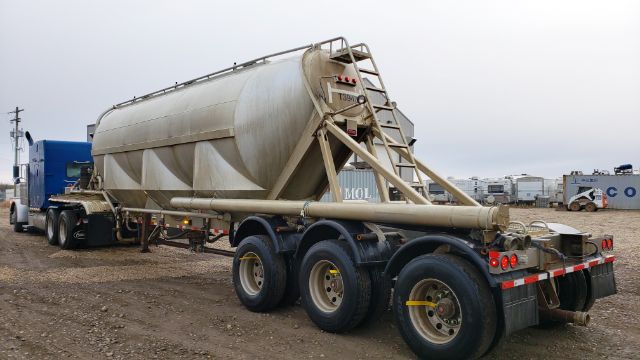
A pneumatic tank trailer is designed for dry bulk commodities such as cement, lime, fly ash, sand, or plastic pellets and should be evaluated around cubic foot capacity, blower compatibility, hopper design, and pressure system condition. A liquid tanker should be evaluated around tank code, gallon capacity, baffles or compartment layout, shell condition, and product plumbing. While both fall under the tank trailer category, they serve different freight and require different supporting equipment. Buyers should make sure the trailer matches their loading and unloading infrastructure before comparing age or price.