
Used Polar Tank Trailers For Sale
Used Polar tank trailers for bulk liquid, dry bulk, and sanitary hauling. Compare aluminum, stainless, pneumatic, DOT-coded, and insulated tanks.

Looking for the easiest place to sell your used polar tank trailer? List it here to reach thousands of buyers.
Used Polar Tank Trailers
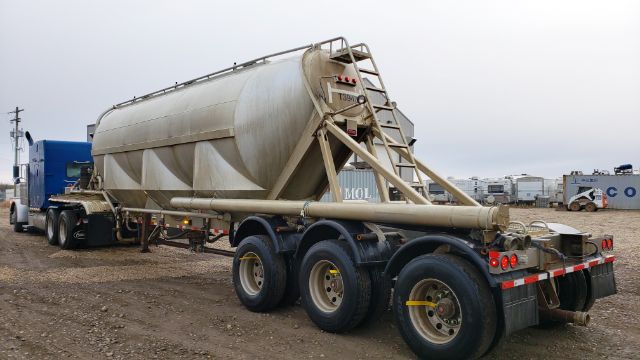
For dry bulk service, used Polar pneumatic tank trailers are often set up with one or more hoppers, pressure manholes, aluminum frames, and air ride suspension. Capacity is typically listed in cubic feet rather than gallons, and blower or pump compatibility is a major checkpoint. Pay attention to hopper angle, discharge plumbing, pressure package condition, and any hydraulic drive equipment such as a Gardner Denver pump setup. Barrel material also affects tare weight and corrosion resistance. Aluminum tanks tend to save weight for cement, lime, sand, or fly ash service, while stainless may be preferred when product compatibility or washout demands are stricter.
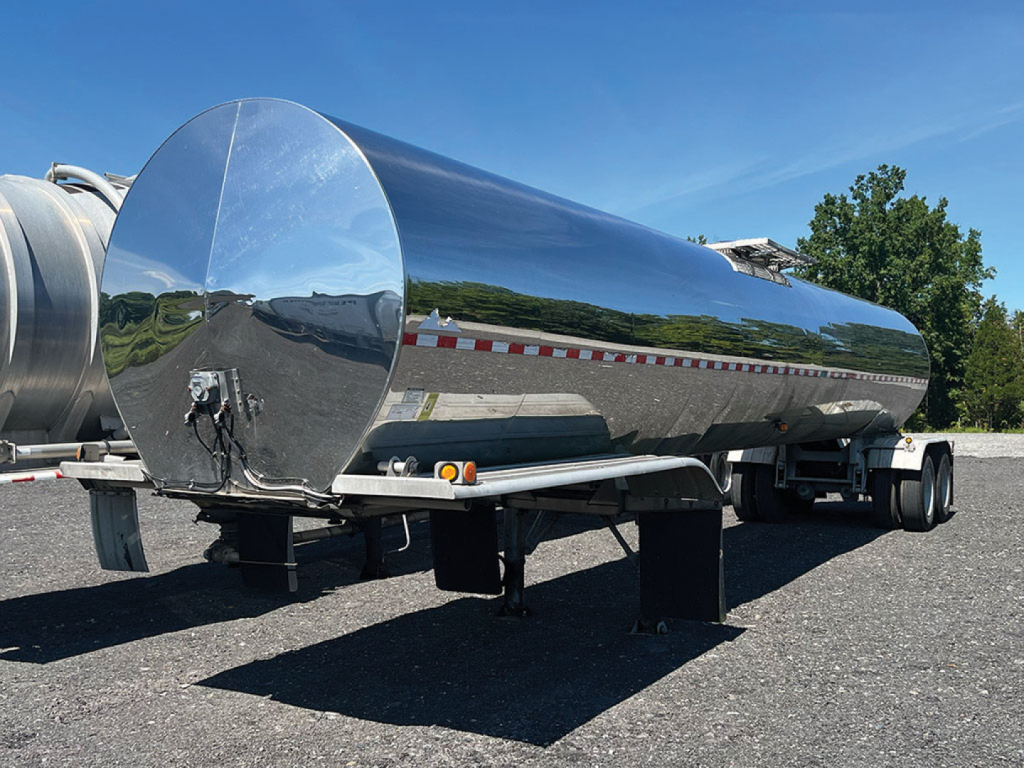
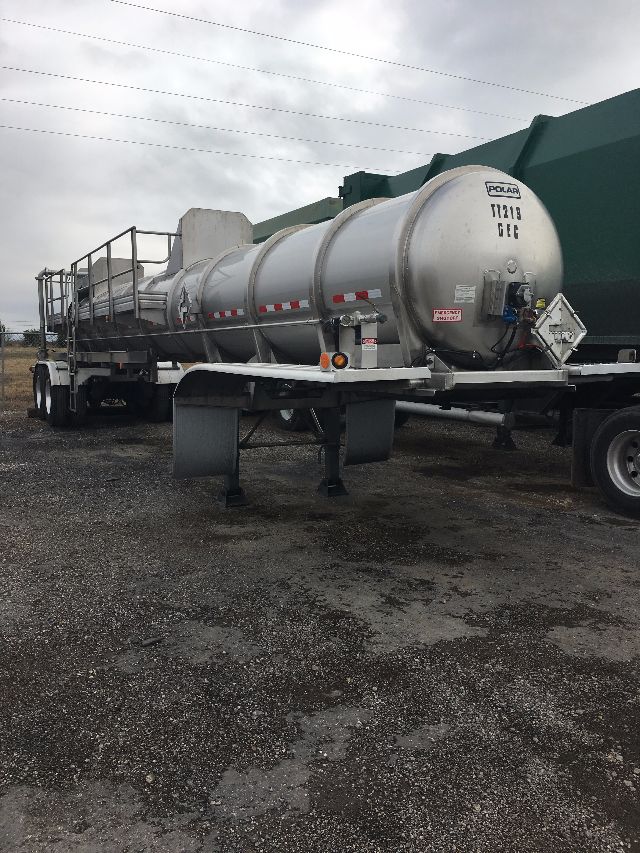
For liquid service, buyers need to look closely at DOT specification, compartment count, internal lining, insulation, and vapor handling equipment. A used Polar stainless chemical tank with DOT 412 coding, vapor recovery, or a Kylar-lined interior is built for a very different job than a non-code sanitary milk or food-grade tanker. In this category, valve condition, manway sealing surfaces, rear versus center discharge, and evidence of prior product cross-contamination deserve a careful inspection. If the trailer is insulated, confirm jacket condition and look for signs of trapped moisture or damaged cladding. If it is sanitary service, 3-A construction, CIP compatibility, and documentation of prior use can be just as important as capacity.
Across the board, used Polar tank trailers are known for strong construction and broad application coverage, but condition drives value. Buyers should inspect the subframe, suspension, kingpin area, crossmembers, landing gear, and barrel saddles for fatigue or repair history. Review the data plate, pressure test records, code recertification status where required, tire date codes, wheel-end service history, and any ABS or tire inflation system components if equipped. A tank trailer can look clean and still need expensive valve work, relining, or test compliance updates, so the best purchase is the one with a specification sheet and maintenance history that clearly supports the intended commodity and route profile.
Frequently Asked Questions about Used Polar Tank Trailers
What should I check first on a used Polar tank trailer?
Start with the commodity the trailer was built to haul and confirm the tank matches that use. Check the data plate, DOT code if applicable, barrel material, compartment layout, discharge type, and any interior lining or insulation. After that, review test and inspection records, then inspect valves, manways, suspension, frame, and the kingpin area for wear, repairs, or deferred maintenance.
Are Polar tank trailers available in both dry bulk and liquid configurations?
Yes. Polar builds pneumatic dry bulk tanks as well as liquid tank trailers for chemical, petroleum, and sanitary service. Dry bulk units are usually rated in cubic feet and set up with hoppers and pressure unloading equipment, while liquid tanks are commonly rated in gallons and may include code construction, vapor recovery, insulation, rear discharge, or food-grade sanitary features.
What is the difference between an aluminum and a stainless steel Polar tank trailer?
Aluminum generally helps reduce tare weight and is common in pneumatic bulk applications where payload matters. Stainless steel offers broader chemical compatibility, better corrosion resistance in many liquid applications, and is common in chemical and sanitary service. The right choice depends on the product being hauled, cleaning requirements, and whether the trailer needs a lining, code compliance, or washdown capability.
Why is DOT code important on a used tank trailer?
DOT code defines the service category and construction standard for many hazardous and pressurized liquid applications. A DOT 412 chemical tank, for example, is built differently from a non-code sanitary tanker. If the trailer does not have the correct code for the intended product, it may not be legal or safe for that haul. Code status also affects inspection, testing, recertification, and resale value.
How do I evaluate a used sanitary Polar tanker?
Look for stainless construction, sanitary fittings, smooth internal surfaces, and signs the trailer was maintained to food-grade standards. Confirm 3-A specifications if required, inspect the insulation and jacket, review cleaning and prior product history, and check discharge valves and seals closely. Sanitary trailers can be expensive to bring back into compliance if they have contamination issues, damaged fittings, or poor documentation.