
New Stoughton Trailers For Sale in Texas
New Stoughton trailers for sale in Texas, including aluminum grain hopper trailers with strong specs, light tare weights, and farm-ready options.
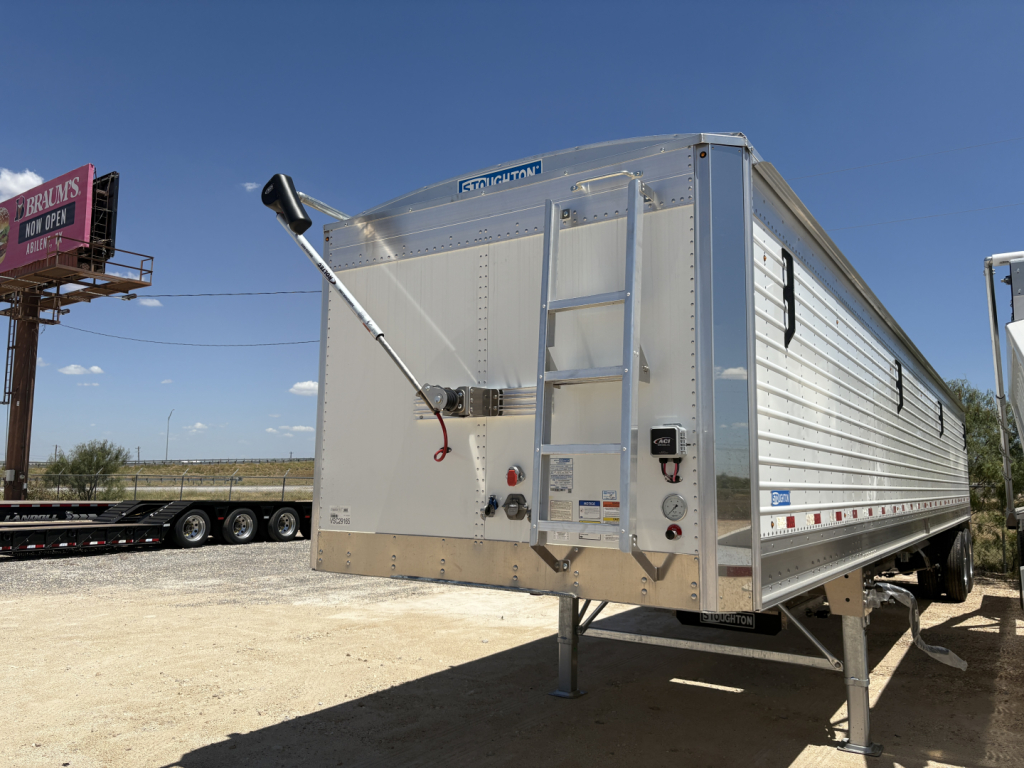
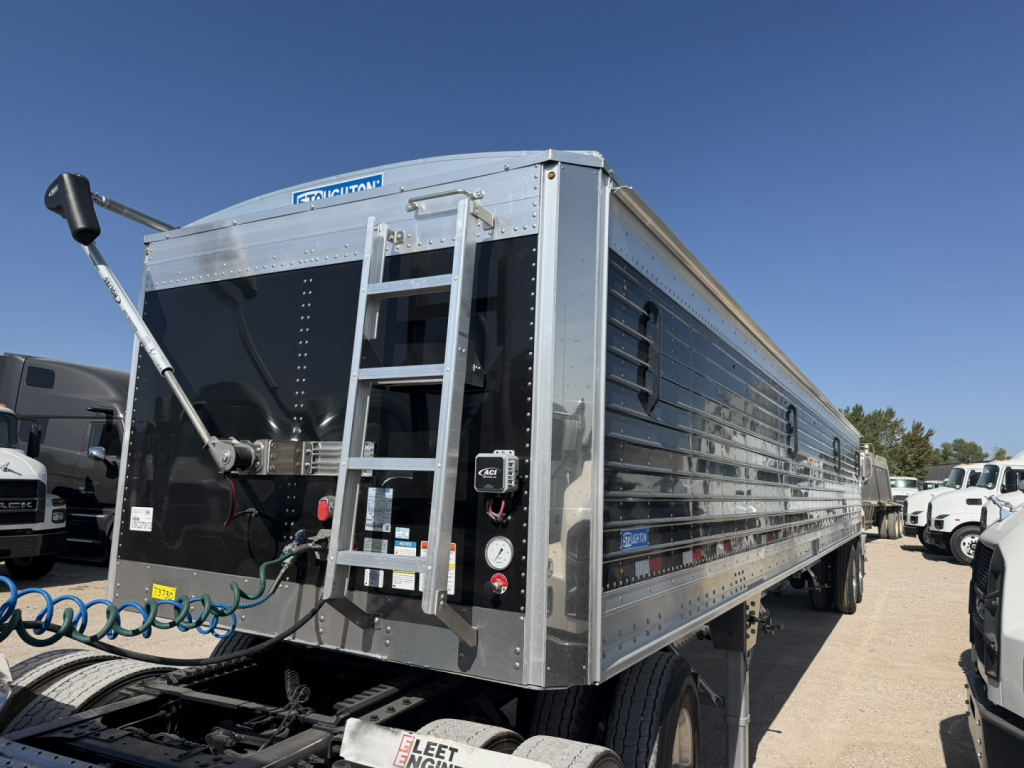
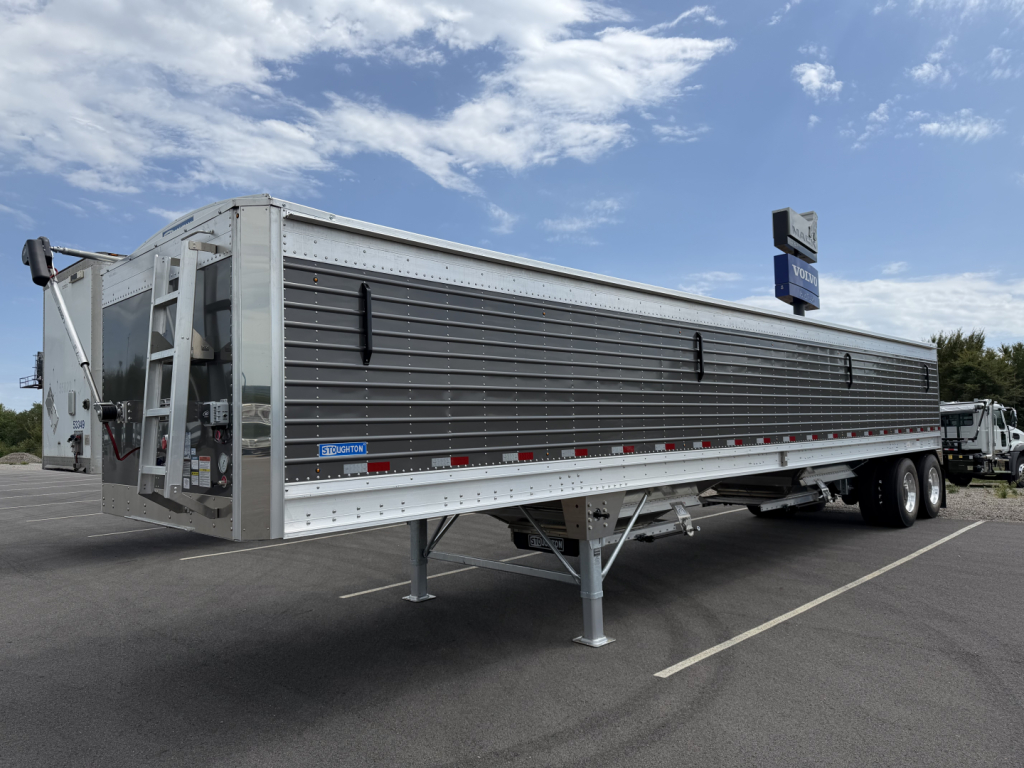
Selling a new stoughton trailer? List your new stoughton trailer for sale and reach thousands of commercial buyers.
New Stoughton Trailers in Texas
A typical new Stoughton hopper in this group runs 40 to 43 feet long with 96-inch width, tandem axles, and a 49-inch axle spread. Side heights in the high-60-inch to 80-inch range push capacity from roughly 1,370 to 1,757 cubic feet, or about 1,100 to 1,412 bushels depending on the body configuration. That makes side height one of the most important buying points. A 68-inch side trailer can be a smart fit for operators watching height and tare weight, while 74-inch and 80-inch side trailers give more cube for lighter commodities. On many Stoughton specs, buyers will also see a 20-inch kingpin setting, 47- to 48-inch fifth wheel height, 24-inch ground clearance, and 11R22.5 tires. Those dimensions matter if the trailer needs to match existing road tractors, grain elevator approaches, and farm loading conditions.
Construction details on Stoughton grain hoppers are worth close attention. Aluminum sidewalls and front panels help keep tare weight down, while galvanized steel subframes and landing gear add durability in high-stress areas. Stainless rear wall sections and corner inserts are common on these trailers because they hold up well in abrasive bulk service. Features like removable inner liners, front and rear ladders, manual 2-stage trapdoors, and electric tarp systems with remote control are practical options that directly affect day-to-day use. If unloading speed and cleanout matter, trapdoor opening size and gate operation deserve a close look. If uptime matters on long regional runs, options like tire inflation systems, LED lighting with security rings, air ride suspension, and aluminum wheels can make a measurable difference in maintenance and trailer life.
For Texas buyers, operating conditions can be hard on bulk trailers, from harvest dust and caliche roads to long highway miles and hot weather. That makes corrosion resistance, suspension durability, and overall trailer weight more than just spec-sheet details. Stoughton hopper trailers are often selected by fleets and owner-operators who want a straightforward agricultural trailer with modern lighting, practical access points, and strong bulk-hauling fundamentals. When comparing listings, focus on cube versus legal payload, overall height for your routes and facilities, gate layout for your commodities, and tare weight relative to your tractor setup. Those factors usually determine whether a hopper trailer is merely usable or truly productive across multiple seasons.
Frequently Asked Questions about New Stoughton Trailers in Texas
What are the main advantages of a new Stoughton grain hopper trailer?
A new Stoughton grain hopper trailer typically offers a strong combination of low tare weight, corrosion-resistant materials, and practical agricultural specs. Aluminum body construction helps maximize payload, while galvanized and stainless components add durability in areas exposed to moisture, fertilizer residue, and abrasive commodity flow. Buyers also tend to value common farm-ready features such as electric tarps, ladder access, air ride suspension, and straightforward trapdoor systems that support efficient loading and unloading.
How do I choose between 68-inch, 74-inch, and 80-inch side heights on a hopper trailer?
Side height affects cubic capacity, overall trailer height, and in some cases how versatile the trailer will be across different commodities and routes. A 68-inch side trailer is often chosen for a lower overall profile and lighter tare weight, while 74-inch and 80-inch sides increase cubic volume for lighter bulk products that cube out before they gross out. The right choice depends on what you haul, the density of the commodity, the height limits at your elevators or sheds, and whether your priority is maximum bushel capacity or a more flexible all-around spec.
What specs matter most when comparing new hopper trailers in Texas?
The most important specs usually include trailer length, side height, cubic feet or bushel rating, tare weight, kingpin setting, fifth wheel height, axle spread, suspension type, brake type, and trapdoor opening dimensions. In Texas, buyers should also pay attention to ground clearance, tarp system design, and corrosion-resistant construction because many trailers see a mix of highway miles, field entrances, and dusty rural roads. Matching the trailer to your tractor and your commodity flow is just as important as the rated capacity on paper.
Are Stoughton hopper trailers better suited for grain only, or can they handle other bulk commodities?
Stoughton hopper trailers are commonly used for grain, but they can also handle a range of free-flowing dry bulk commodities such as feed ingredients, seed, meal, and other agricultural products, depending on the liner, gate, and cleanout requirements. The key is making sure the trailer's interior, discharge setup, and tarp system fit the product being hauled. If the commodity is abrasive, moisture-sensitive, or prone to bridging, those factors should be reviewed before selecting a body and gate configuration.
Why is tare weight so important on a grain hopper trailer?
Tare weight directly affects payload potential. A lighter hopper trailer allows more legal commodity weight, which can improve revenue per trip over the life of the trailer. That is one reason aluminum grain hoppers remain popular in agricultural service. Buyers should still balance tare weight against durability, because the lightest trailer is not always the best fit if the operation includes rough roads, frequent loading cycles, or high annual mileage.