
New Reitnouer Trailers For Sale
Shop new Reitnouer trailers, including aluminum flatbeds and drop decks built for higher payload, corrosion resistance, and freight flexibility.
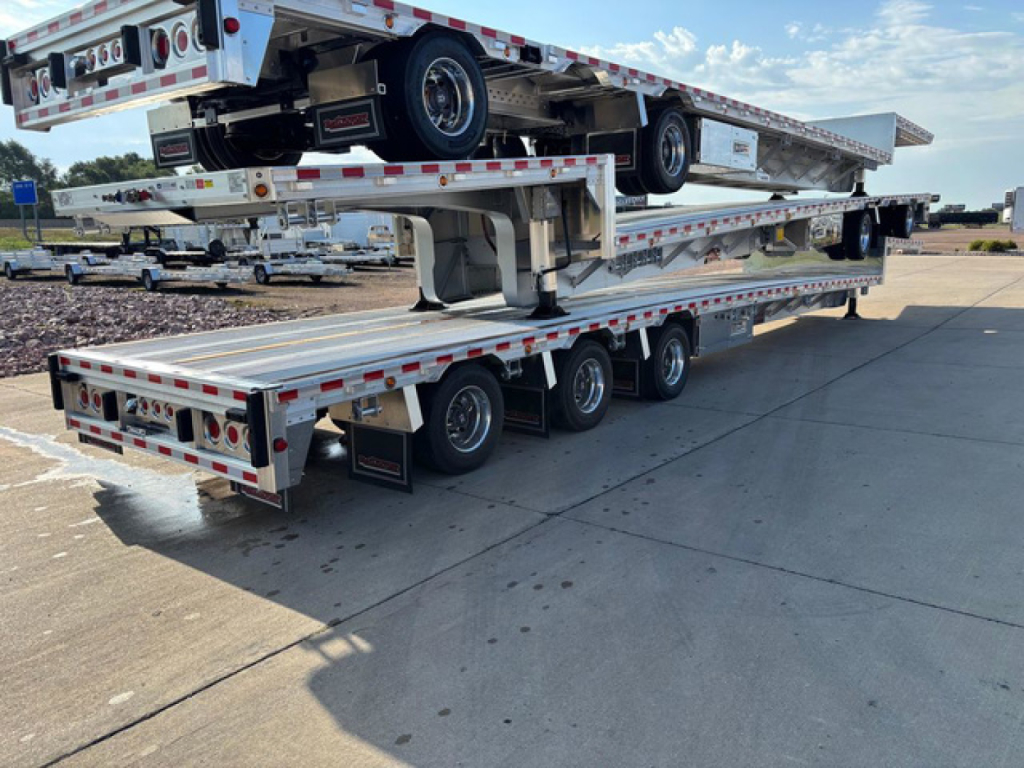
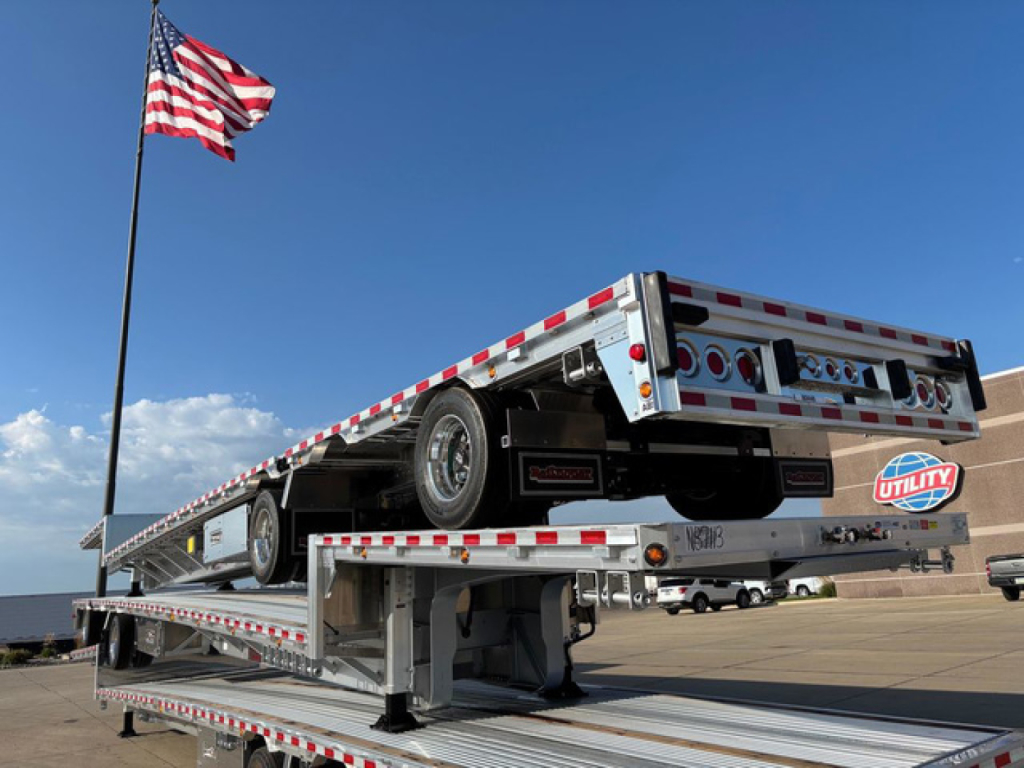
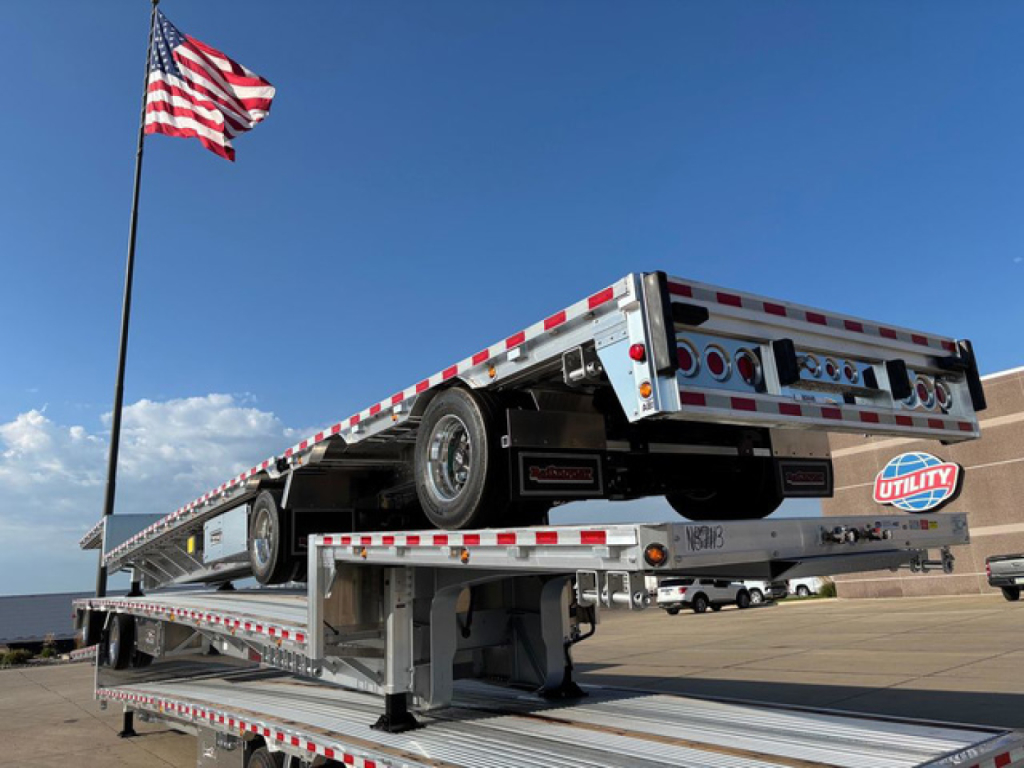
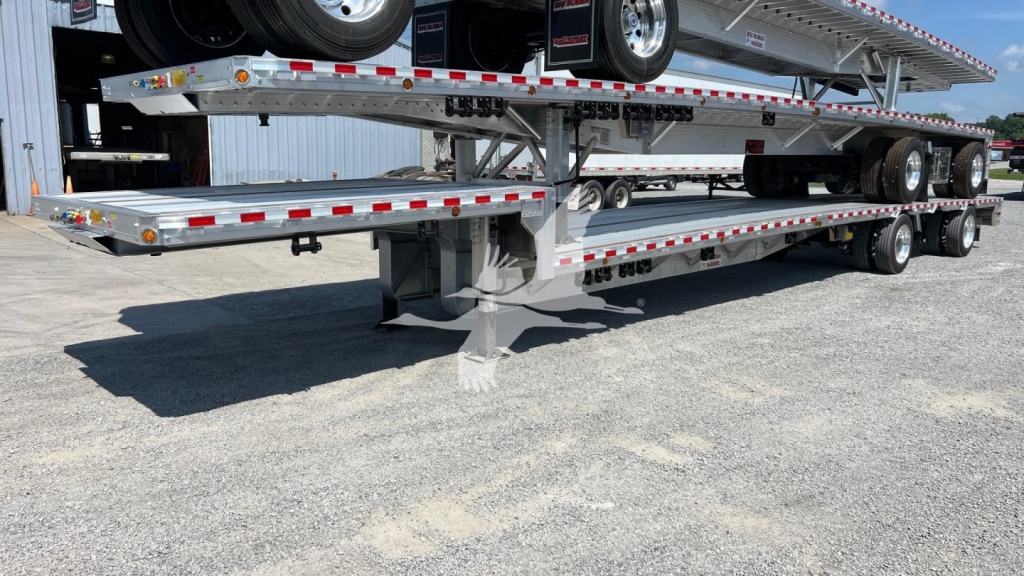

Showing 1 to 24 of 27 results
Have new reitnouer trailer to sell? List it here to reach thousands of buyers.
New Reitnouer Trailers
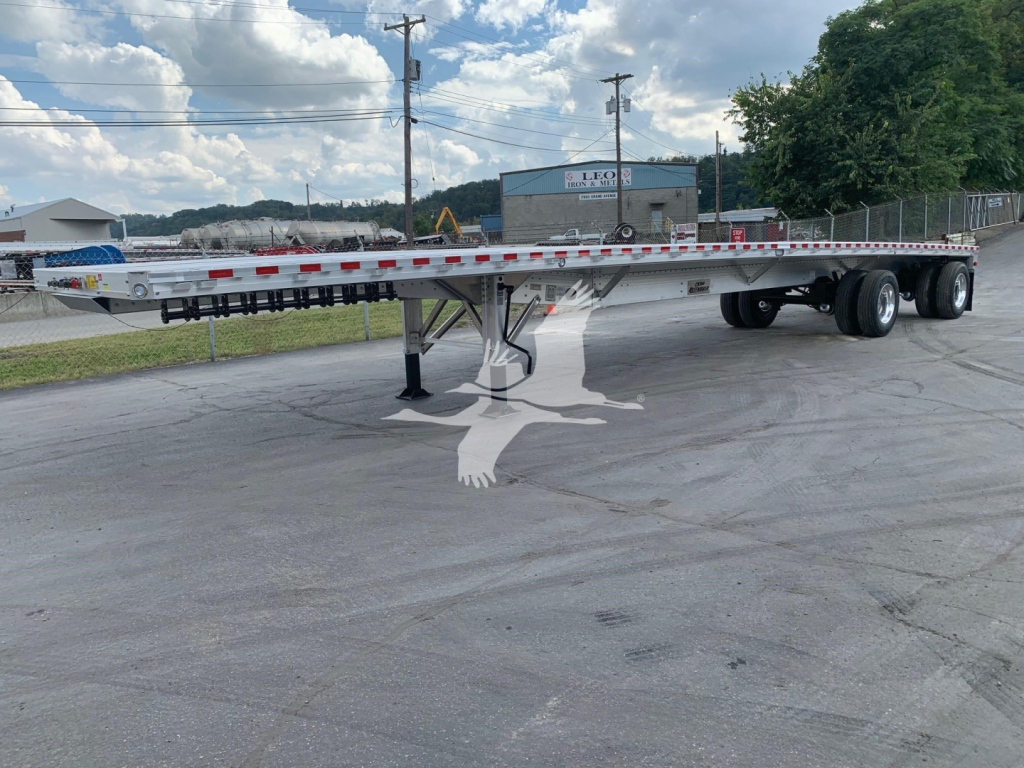
For flatbed applications, common Reitnouer specs include 48-foot by 102-inch decks, tandem axles, fixed spread air ride suspensions, and 12-inch crossmember centers. Models like the CK-100, MaxMiser, and Big Bubba are often equipped with full-length roadside winch tracks, sliding winches, stake pockets, double pipe spools, and Apitong nail strips over aluminum flooring. Coil packages are a major decision point. A mini coil package may be enough for mixed freight, while a full coil package with additional crossmembers is better suited for concentrated loads and regular steel service. Weight ratings such as 70,000 pounds in 10 feet and 60,000 pounds in 4 feet are common reference points, but buyers should always compare trailer ratings to axle, tire, and application requirements.
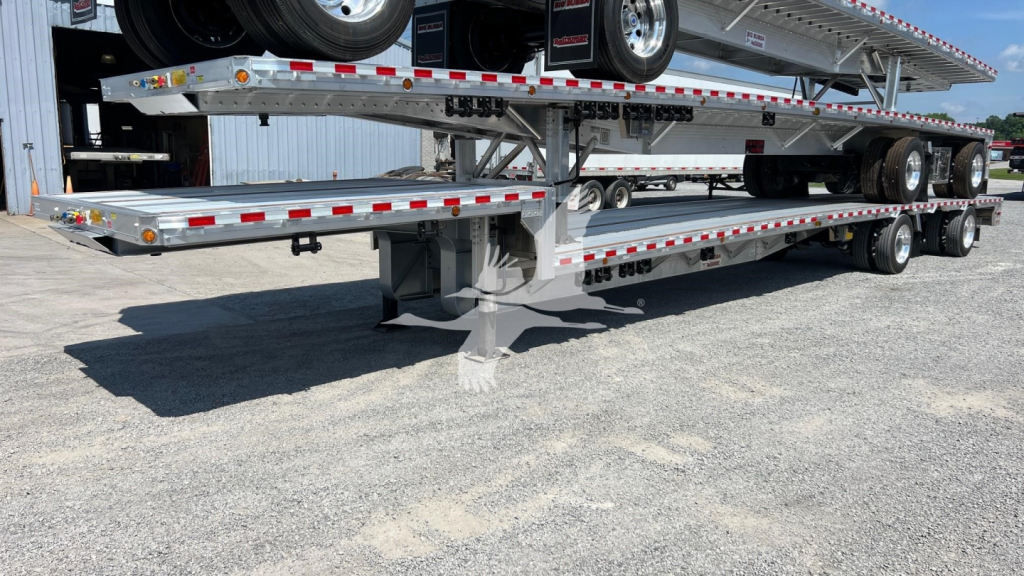
For drop deck work, Reitnouer combines the same aluminum weight advantage with lower deck height for taller freight. A typical aluminum drop deck in this class may use a 10-foot-plus top deck, a 37-foot main deck, and a loaded deck height around 40 inches, which helps with legal height management on machinery, crated freight, and construction loads. Key setup details include kingpin setting, axle spread, loaded deck height, low-profile tire choice, and tie-down coverage across both decks. If the trailer will see heavy securement use, look closely at the number of chain tie-downs, spool placement, winch track length, and whether the trailer includes removable tie-down hardware for flexibility.
A buyer comparing new Reitnouer trailers should also pay attention to brake and wheel-end specs, not just the headline payload number. Air ride suspensions from Hendrickson are common, along with aluminum wheels, low-profile or standard 22.5- and 24.5-inch rubber, Jost two-speed landing gear, dump valves, LED lighting, and optional features such as disc brakes, polished outer wheels, fleet bumpers, scale systems, or pre-drilled toolbox and dunnage rack locations. Reitnouer has long been a recognized name in aluminum platform trailers, and the appeal is straightforward: lower empty weight, corrosion resistance, and a specification range that can be tuned for steel, lumber, machinery, and everyday open-deck freight.
Frequently Asked Questions about New Reitnouer Trailers
What are the main advantages of a new Reitnouer trailer?
The main advantage is aluminum construction that helps reduce trailer weight without giving up the structural features needed for open-deck freight. Lower tare weight can translate into more legal payload, and aluminum also offers strong corrosion resistance for fleets operating year-round or in harsh road conditions. Reitnouer trailers are also commonly spec'd with practical freight-handling features such as winch tracks, sliding winches, stake pockets, pipe spools, coil packages, and air ride suspension, which makes them suitable for a wide range of flatbed and drop deck work.
Which Reitnouer model is better for heavy concentrated freight: CK-100, MaxMiser, or Big Bubba?
The answer depends on how often the trailer will haul steel coils, machinery, or other concentrated loads. A CK-100 or MaxMiser can be a strong fit for general flatbed freight with occasional concentrated loading, especially when equipped with a coil package. A Big Bubba is generally the model buyers look at when they want a more robust aluminum platform setup for tougher duty cycles and higher load concentration demands. The best comparison points are crossmember package, load rating in 4 feet and 10 feet, tie-down layout, suspension spec, and the actual freight profile you run every week.
What should I look for in a new Reitnouer drop deck trailer?
Start with loaded deck height, top deck length, and main deck length because those dimensions determine what freight can move legally and how easily it can be positioned. Then review kingpin setting, axle spread, tire size, and suspension because those details affect bridge compliance, ride quality, and loading flexibility. Securement hardware matters just as much. A drop deck used for machinery or dense freight should have enough chain tie-down points, winch capacity, and spool access to secure cargo on both the upper and lower deck without forcing awkward strap angles.
Is a full coil package worth it on a new aluminum flatbed trailer?
A full coil package is usually worth the cost if coils or other dense point-loaded freight are a regular part of the trailer's workload. The extra crossmembers improve support in the load zone and can make the trailer better suited to repeated concentrated loading. If the trailer is mostly hauling lighter building materials, palletized freight, or mixed open-deck commodities, a mini coil package may be sufficient and can help keep tare weight down. The decision should be based on your freight mix, loading pattern, and how often the trailer will be exposed to high stress in a short deck section.
Are new Reitnouer trailers mainly used as flatbeds?
Reitnouer is especially well known for aluminum platform trailers, so flatbeds are a major part of the lineup, but the brand is also widely used in drop deck applications. In both cases, the trailers are designed for open-deck freight where payload, securement flexibility, and corrosion resistance matter. Flatbeds usually suit general commodity work and freight that does not require lower deck height, while drop decks are preferred for taller loads that need more legal clearance.