
New Reitnouer Drop Deck Trailers For Sale
Shop new Reitnouer drop deck trailers built for high payloads, lower deck height, and versatile hauling of equipment, steel, lumber, and machinery.
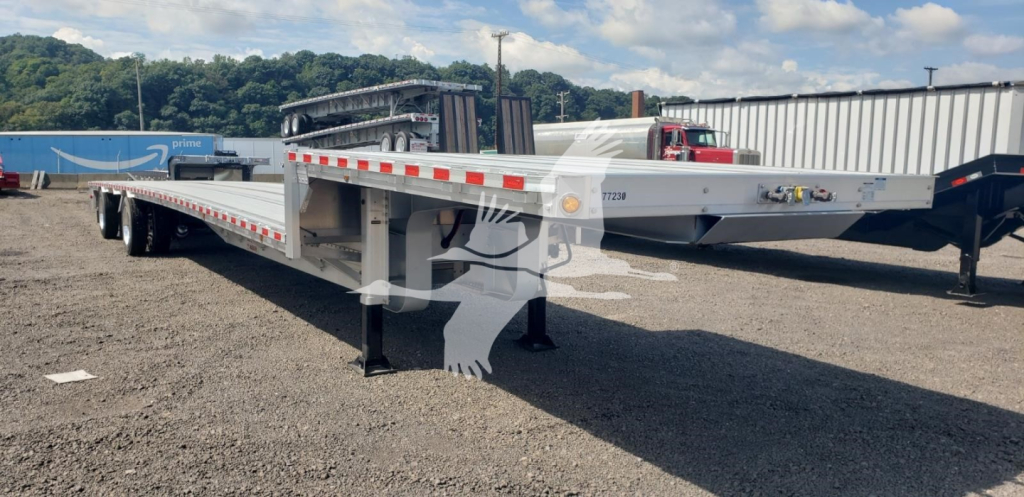
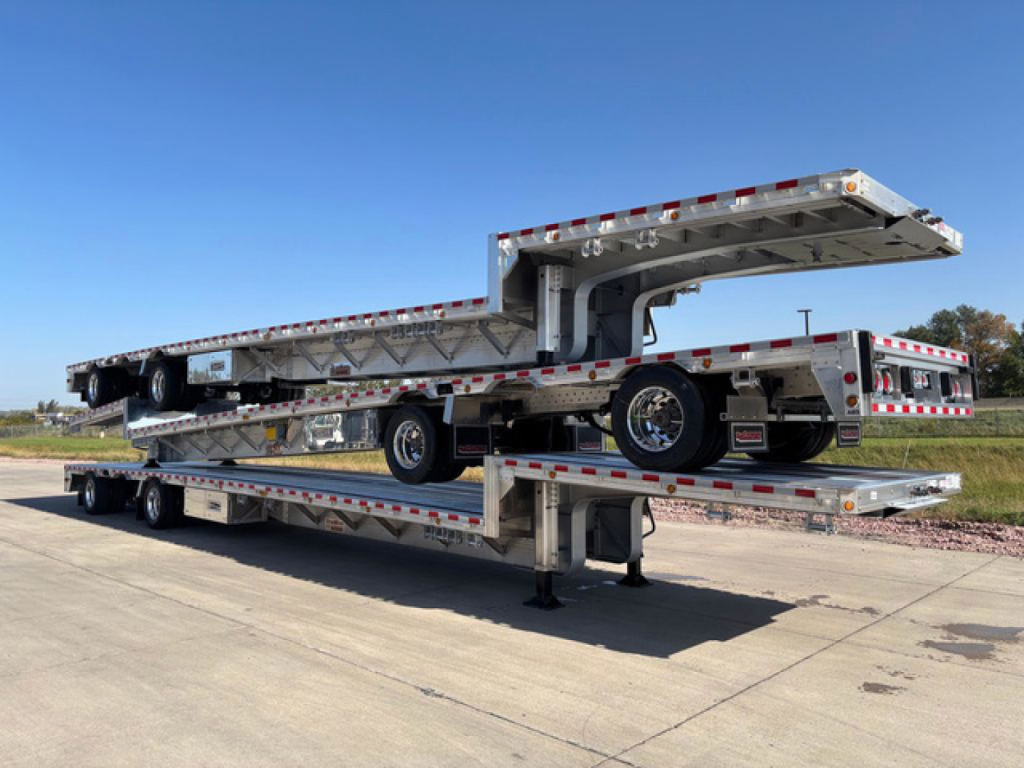
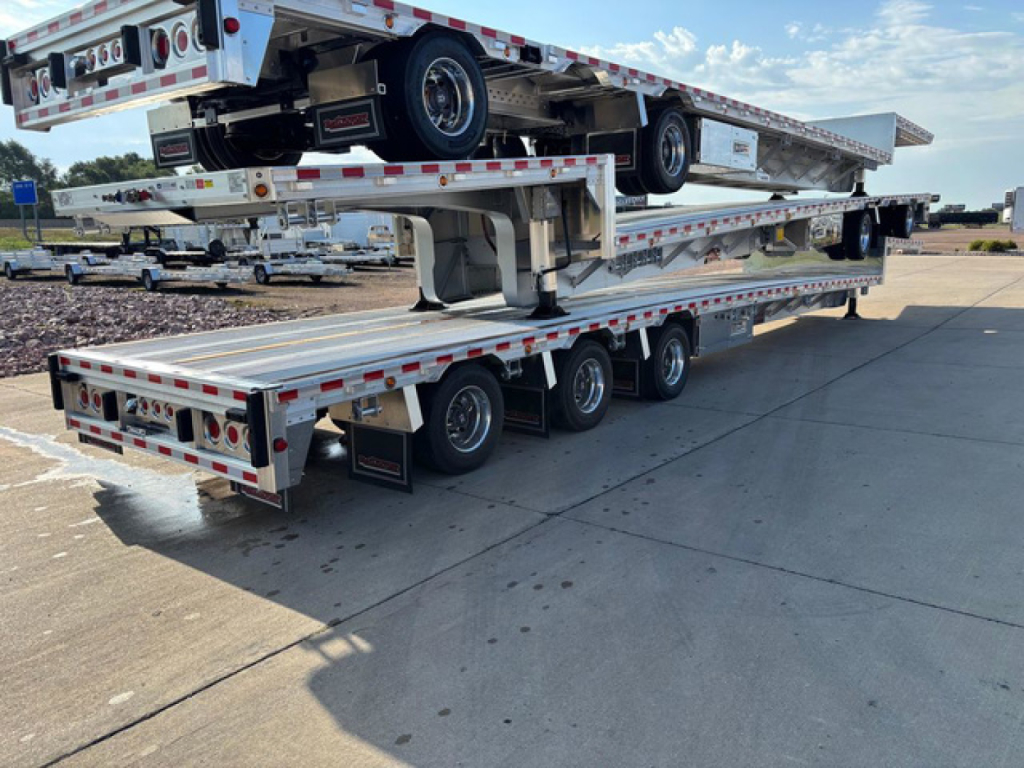

Selling a new reitnouer drop deck trailer? List your new reitnouer drop deck trailer for sale and reach thousands of commercial buyers.
New Reitnouer Drop Deck Trailers
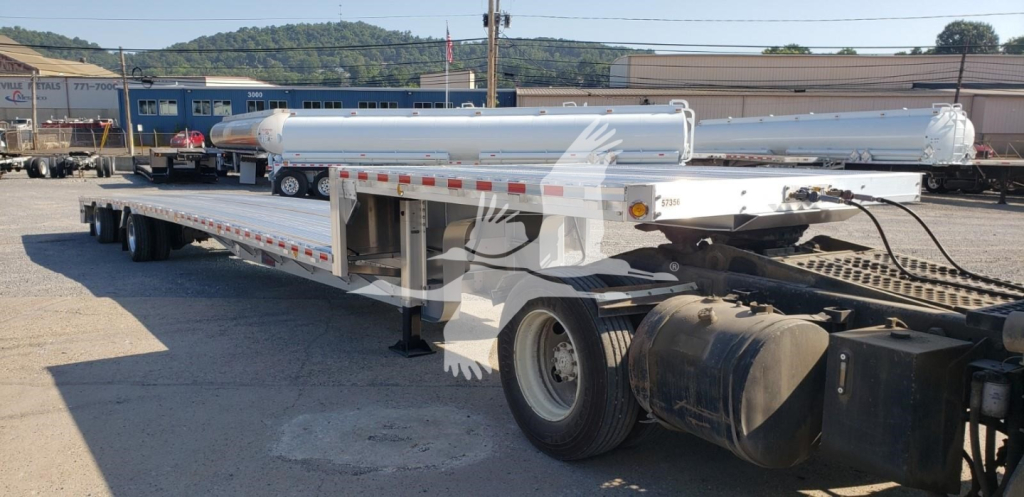
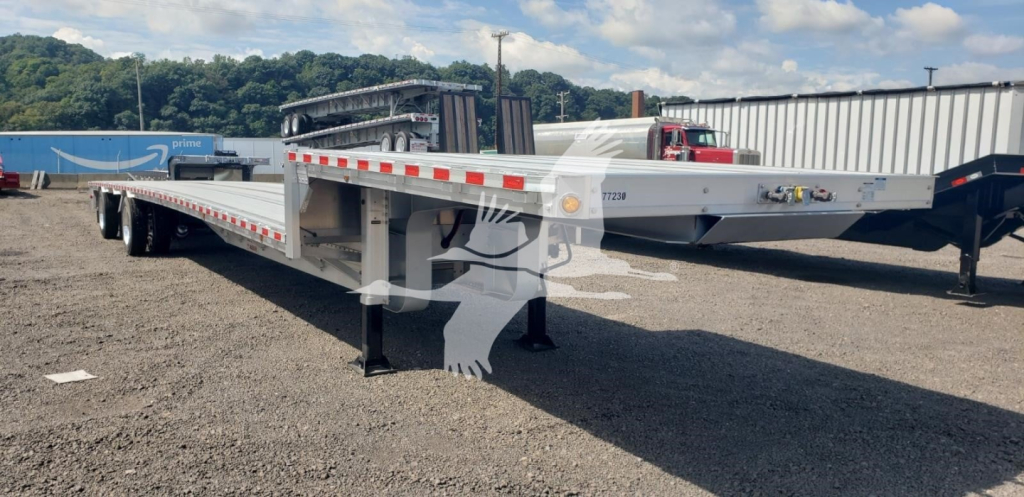
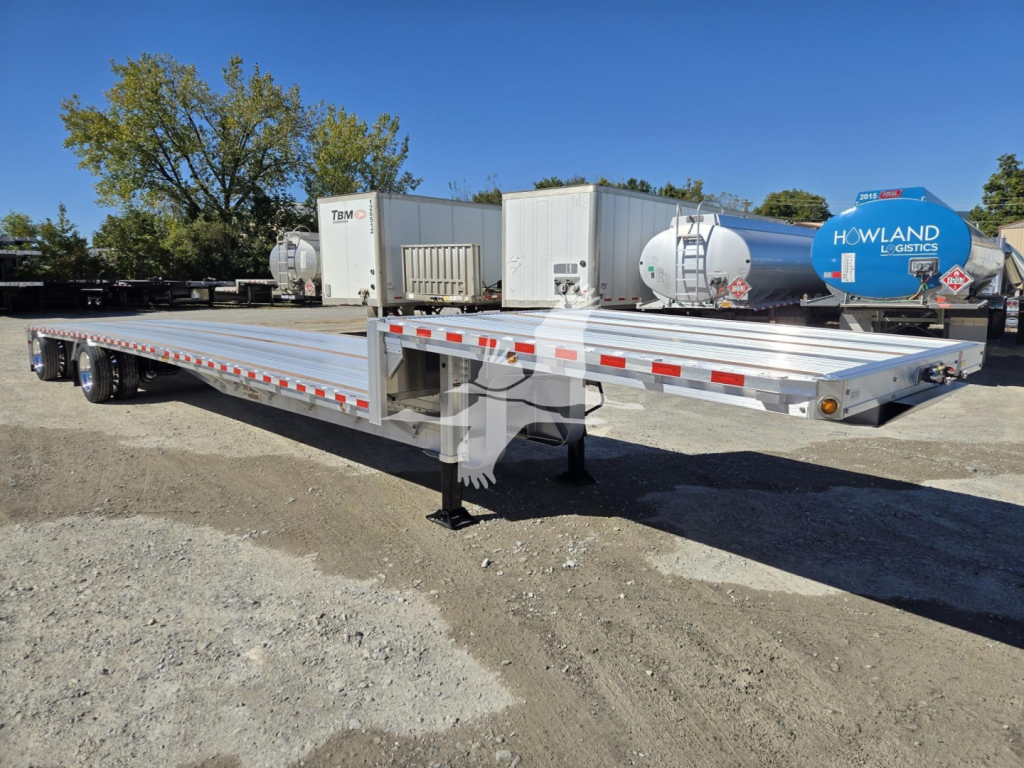
Reitnouer is well known for all-aluminum trailer construction, and that matters most in payload and corrosion resistance. A lighter trailer can translate into more legal cargo on every trip, especially in operations that routinely cube out late or push gross weight limits. Common specs in this category include 48-foot and 53-foot lengths, 102-inch width, a top deck around 10 feet 8 inches, and a loaded deck height near 40 inches on the main deck. Buyers will also notice 12-inch crossmember spacing, full coil packages, aluminum side rails and front and rear members, plus Apitong nailer strips for mixed freight securement. On many Reitnouer drop deck configurations, removable chain tiedowns, pipe spools, roadside winch tracks, and sliding winches are part of the core setup for steel, machinery, and general open-deck work.
Suspension and axle layout deserve close attention because they affect bridge compliance, maneuverability, and state legality. New Reitnouer drop deck trailers in this class commonly use tandem axles with air ride suspension, often with Hendrickson systems, and some are equipped with a sliding rear axle or spread axle arrangement. That can be important for buyers operating in states with tighter bridge formulas or regional restrictions, including California-legal closed-position setups. Details like kingpin setting, dump valves, tire size, and landing gear spec also matter because they influence tractor pairing, loading ease, and daily serviceability. Aluminum wheels, LED lighting, and quality tire packages are common on premium builds and can reduce long-term maintenance costs.
The right buying decision usually comes down to freight profile more than trailer length alone. A 48-foot drop deck may be easier to position in tighter jobsite and industrial environments, while a 53-foot model gives more deck space for longer commodity loads and multi-stop freight. Buyers hauling concentrated loads should pay attention to ratings in short sections of the deck, coil package reinforcement, and tiedown placement. Buyers focused on general freight versatility should look closely at deck layout, winch count, spool placement, and axle adjustability. In this category, Reitnouer appeals to fleets and owner-operators who want a lightweight, high-spec aluminum drop deck trailer that can handle both everyday open-deck freight and heavier specialized loads without stepping up to a more restrictive trailer type.
Frequently Asked Questions about New Reitnouer Drop Deck Trailers
What is the advantage of a Reitnouer drop deck trailer compared with a flatbed?
A Reitnouer drop deck trailer gives you a lower main deck height than a standard flatbed, which allows taller freight to move while staying within legal height limits in many applications. That extra clearance is the main reason step deck trailers are used for equipment, taller palletized freight, and machinery that would ride too high on a flatbed. Reitnouer also adds the benefit of aluminum construction, which reduces trailer weight and can increase legal payload capacity.
Are new Reitnouer drop deck trailers good for heavy concentrated loads?
They can be, but the buyer should verify the deck rating and reinforcement package rather than assume all drop decks are spec'd the same way. Features such as a full coil package, extra crossmembers, 12-inch crossmember centers, and properly placed chain tiedowns make a major difference when hauling steel coils, machinery, or other concentrated freight. The published rating in sections such as 10 feet or 4 feet is one of the most important numbers to review before purchase.
What lengths and configurations are common on new Reitnouer drop deck trailers?
Common configurations include 48-foot and 53-foot trailers with a 102-inch width, an upper deck around 10 feet 8 inches, and a main deck designed to maximize legal freight height. Tandem axle air ride suspensions are common, and some units use sliding rear axles or spread axle settings to improve bridge compliance and state-by-state flexibility. Buyers should compare overall length, usable deck length, and axle positioning based on the lanes and freight they run most often.
Why do buyers choose aluminum construction on a drop deck trailer?
Aluminum construction is primarily chosen to reduce tare weight and improve corrosion resistance. A lighter trailer can allow more payload on legal weight-limited loads, which matters in operations hauling dense building products, steel, or machinery. Aluminum trailers also tend to hold up well against weather and road chemicals, making them attractive for fleets that want lower long-term rust concerns and strong resale appeal.
What specs matter most when comparing new Reitnouer drop deck trailers?
The most important specs usually include main deck height, trailer weight, length, axle spread or sliding axle setup, kingpin setting, deck reinforcement, and tiedown equipment. Buyers should also review winch track placement, number of sliding winches, pipe spool layout, suspension brand, dump valve setup, and tire and wheel package. These details determine how well the trailer matches your freight, your tractor, and the state regulations that affect your routes.