
New 2027 Reitnouer Trailers For Sale in Iowa
New 2027 Reitnouer trailers for sale in Iowa: compare aluminum flatbeds and drop decks, axle layouts, load ratings, warranties and federal excise tax.
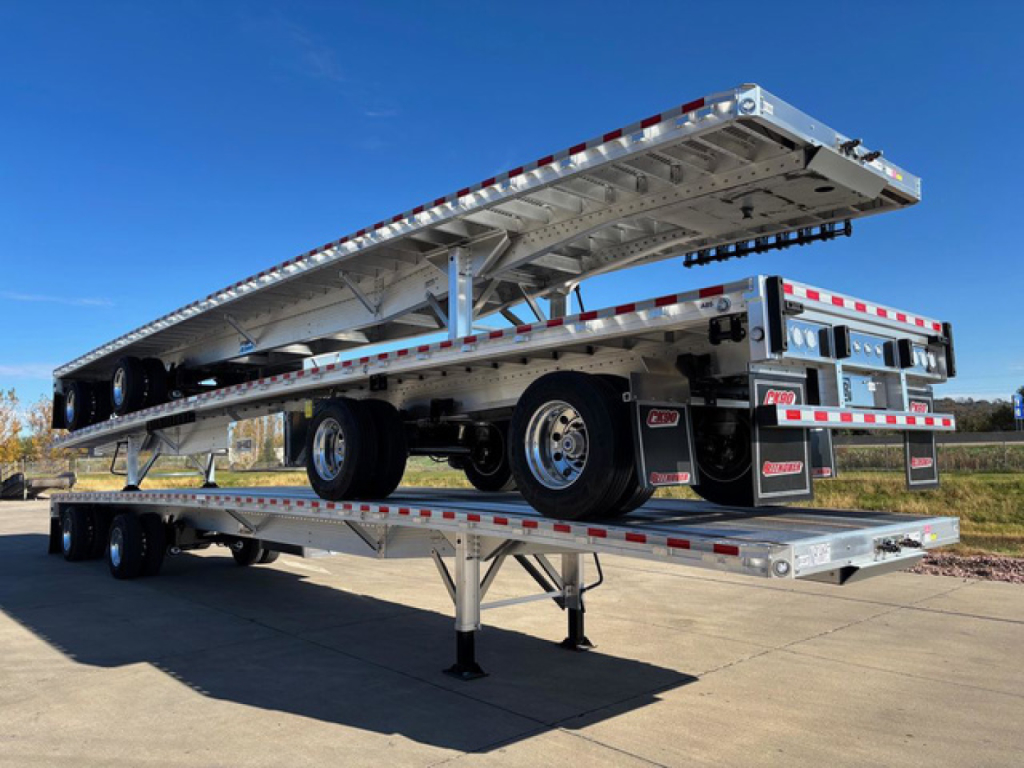
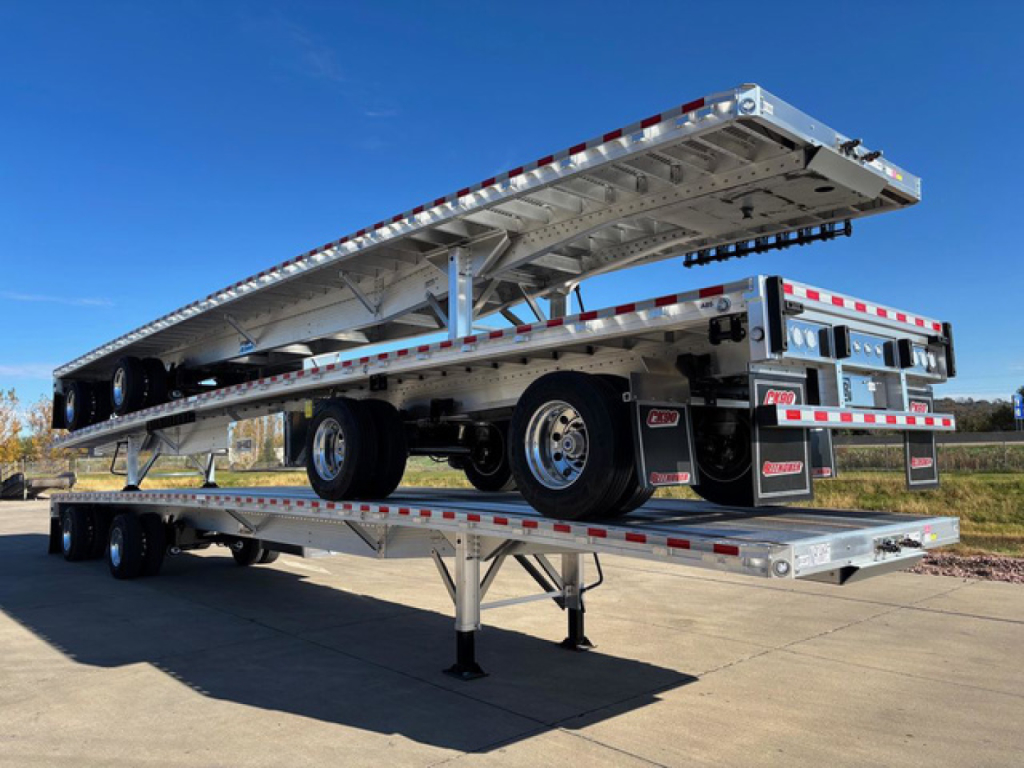
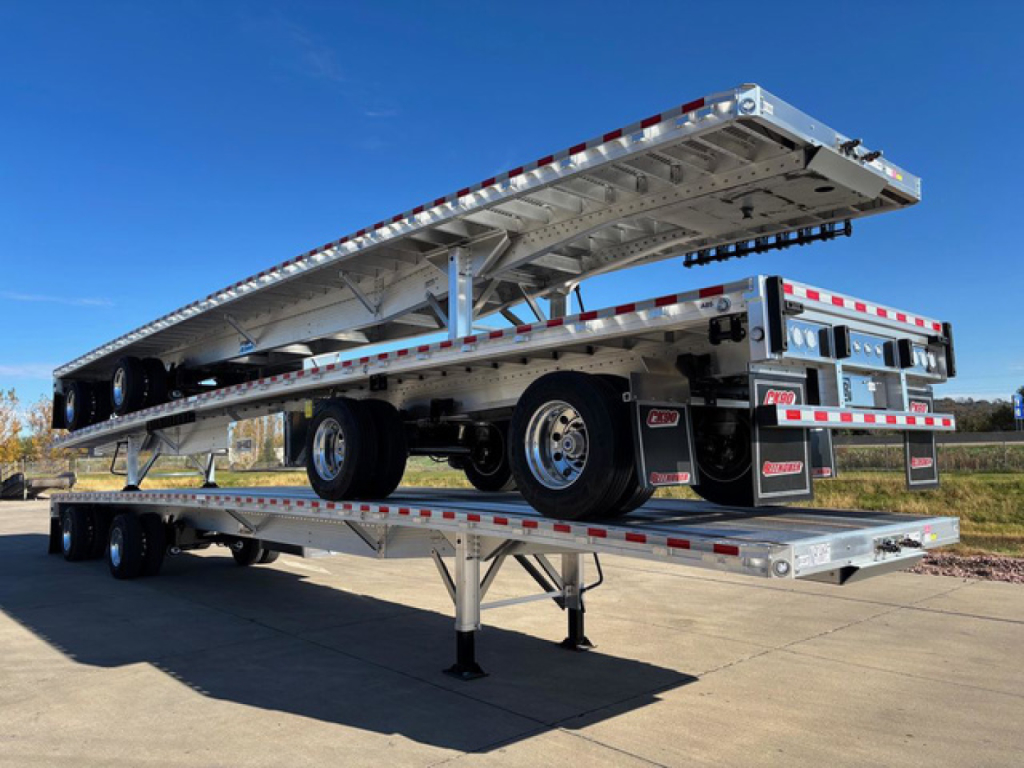
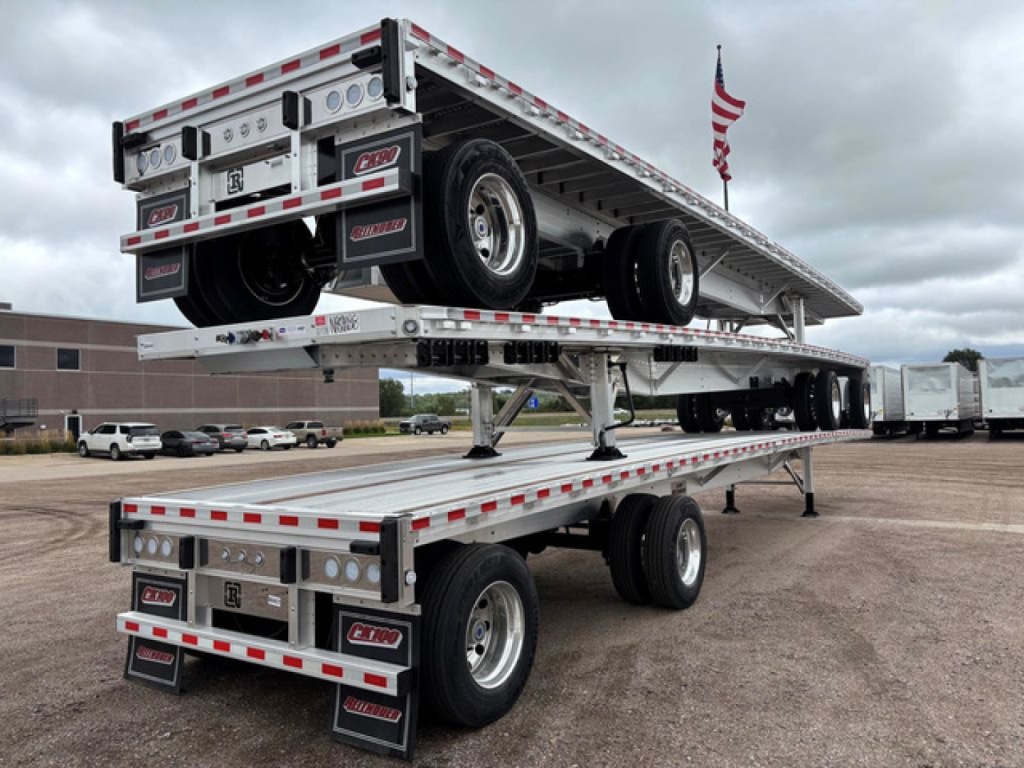
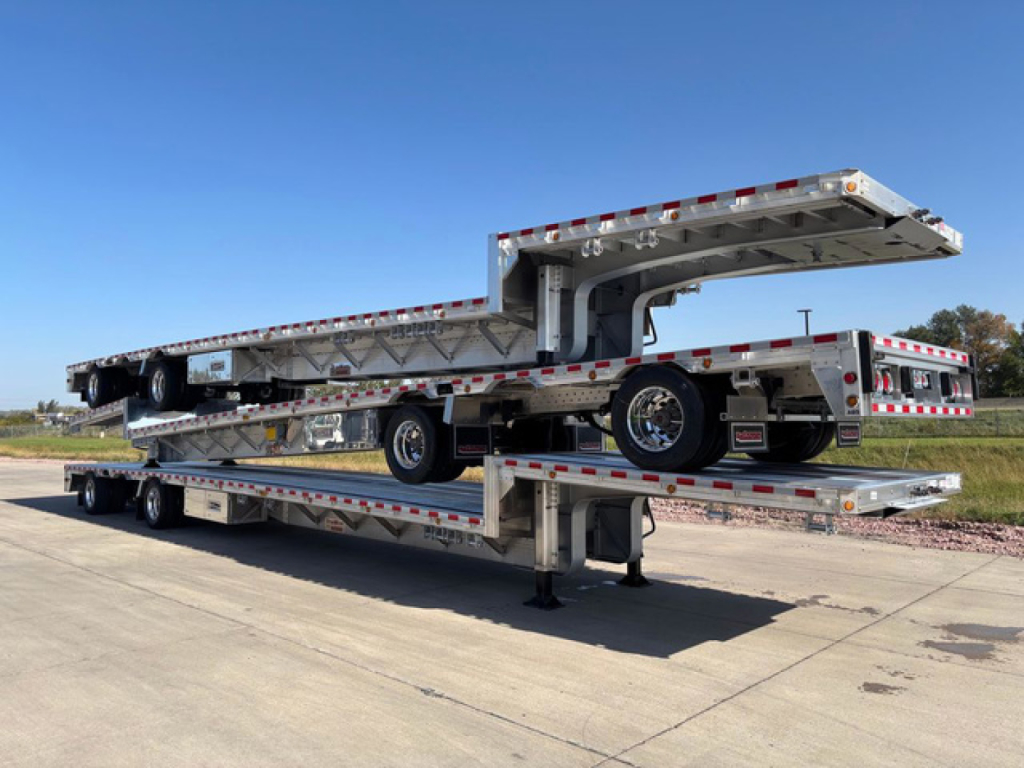
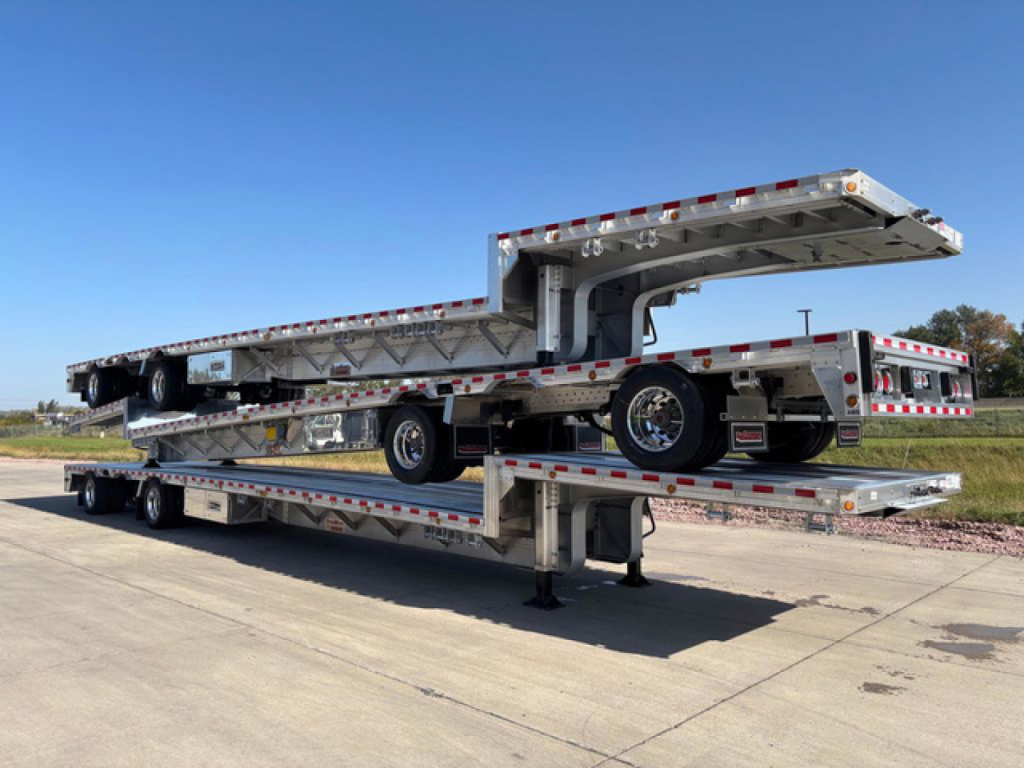
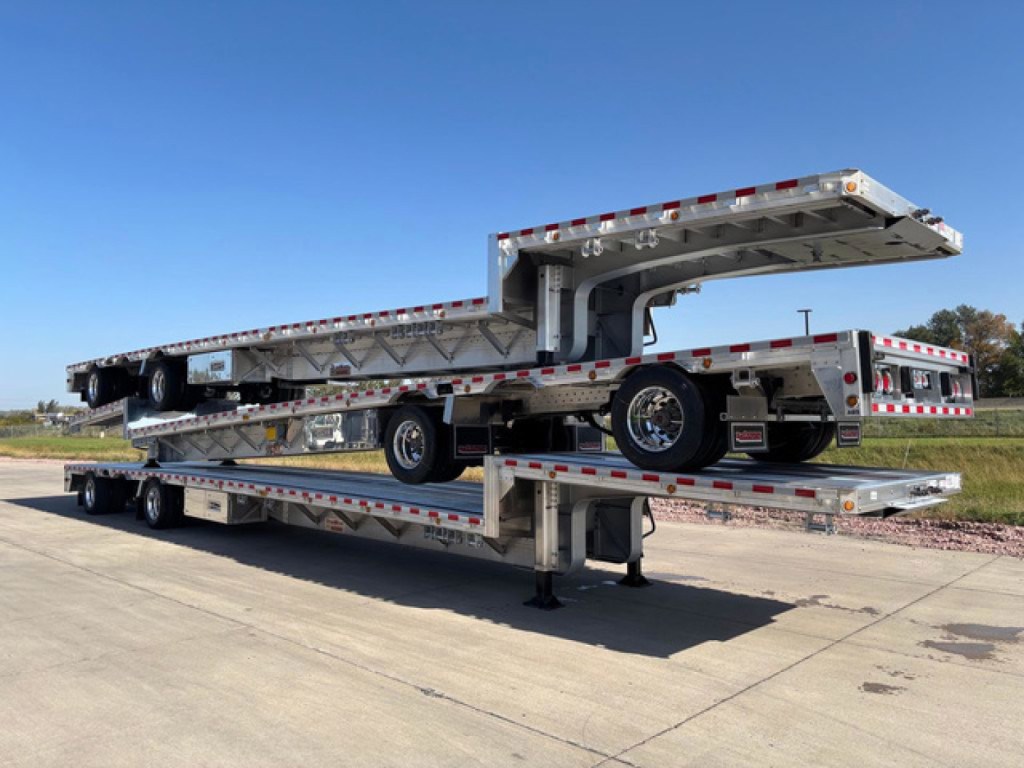
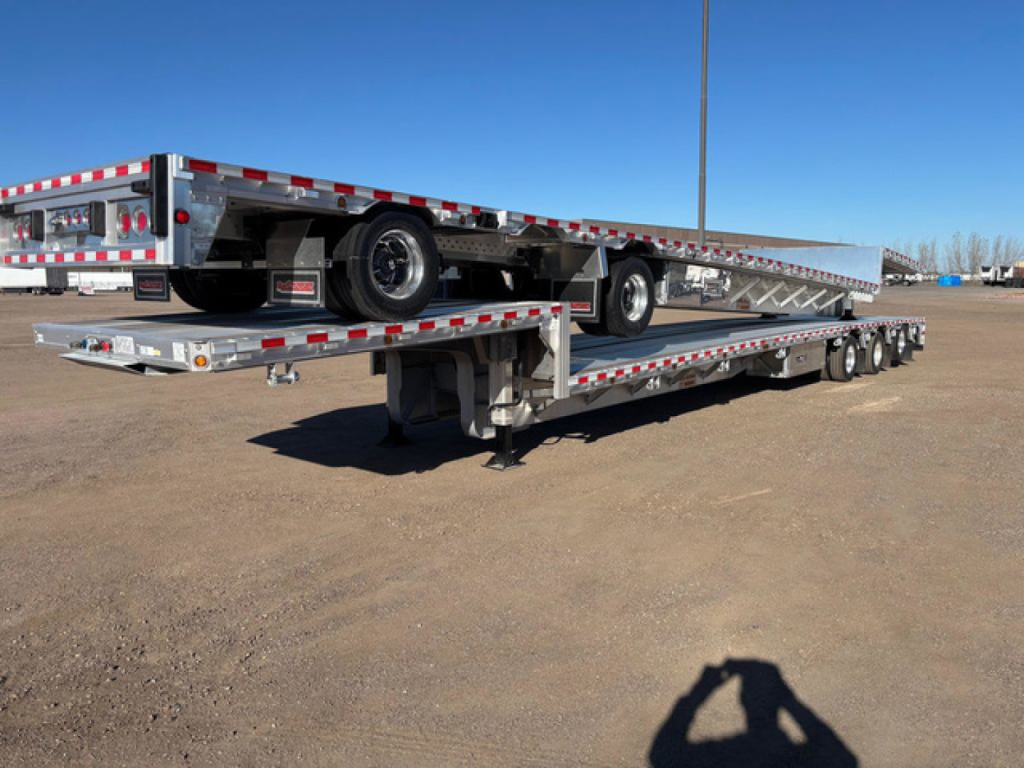
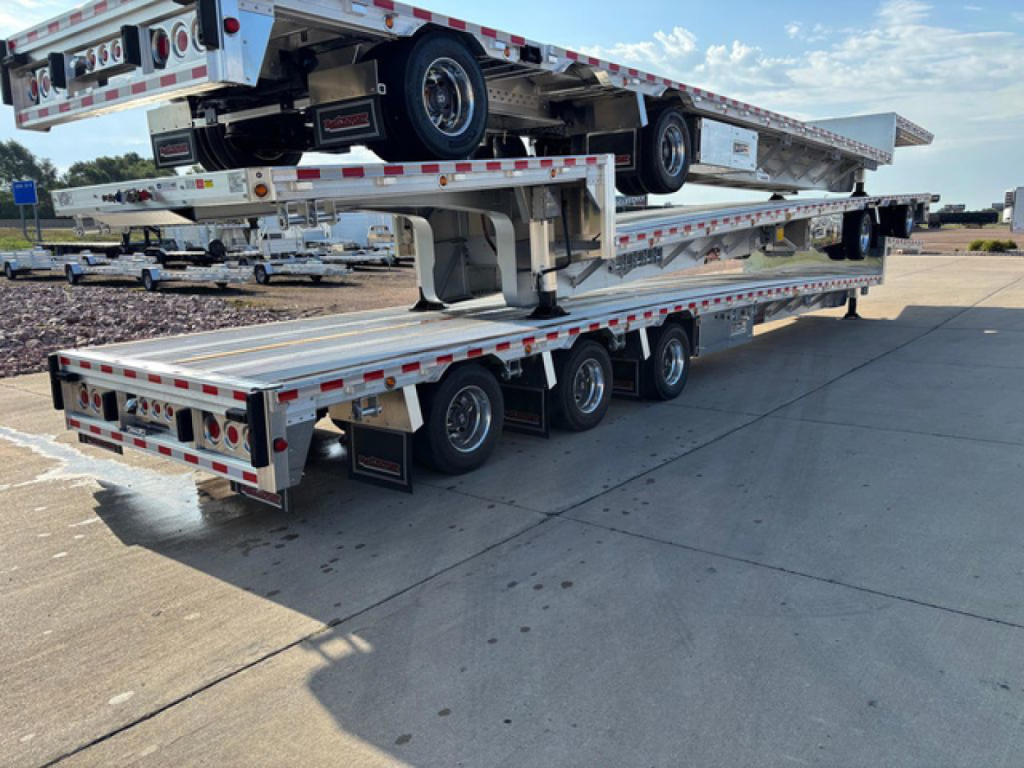
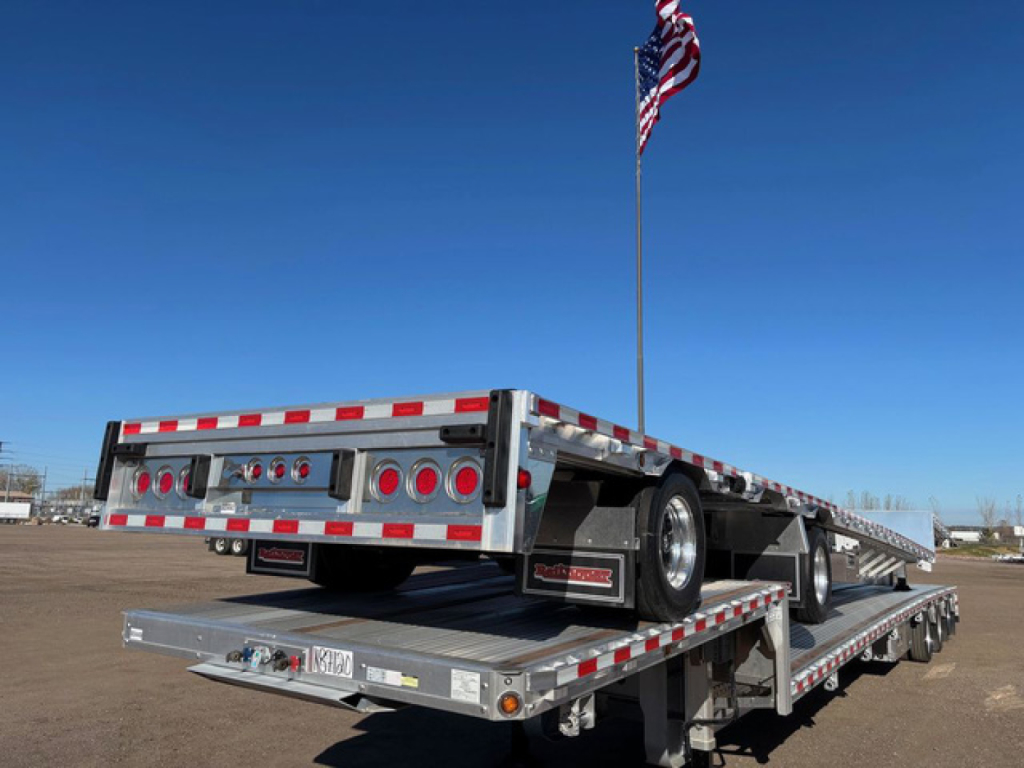
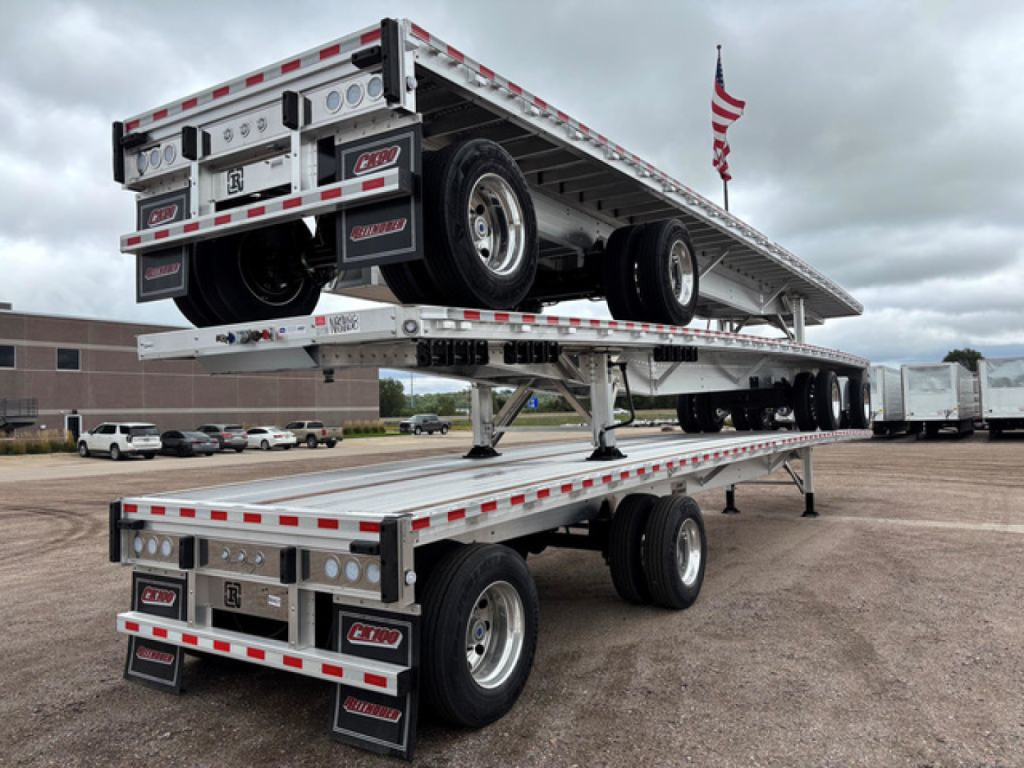
Selling a new 2027 reitnouer trailer? List your new 2027 reitnouer trailer for sale and reach thousands of commercial buyers.
New 2027 Reitnouer Trailers in Iowa
Frequently Asked Questions about New 2027 Reitnouer Trailers in Iowa
Should I order a 48-foot or 53-foot Reitnouer trailer for Iowa farm and construction freight?
A 53-foot Reitnouer provides more loading length, not automatically more legal payload, than a similarly rated 48-foot trailer. Longer decks help accommodate bulky machinery or multiple shipments, while shorter trailers can simplify access to farmyards and construction sites. For drop decks, compare actual upper and lower deck lengths, ramp ratings and machinery breakover clearance rather than overall length alone.
Does a third axle let a Reitnouer trailer carry more weight legally in Iowa?
A third axle does not automatically increase a Reitnouer combination's legal gross weight in Iowa. The ordinary Interstate gross limit is 80,000 pounds, subject to axle limits and the Federal Bridge Formula; permitted operations can follow different limits. Evaluate the tractor and trailer axle spacings together, then verify the intended route, bridge restrictions and any applicable permit conditions before ordering.
Does federal excise tax apply to a new 2027 Reitnouer trailer?
New Reitnouer highway trailers with a GVWR above 26,000 pounds are generally subject to 12% federal excise tax at the first retail sale. The federal tax is separate from applicable state taxes and registration charges. Confirm tax treatment and any claimed exemption in the purchase paperwork; hauling agricultural cargo does not by itself establish an exemption.
What should I inspect before accepting a new 2027 Reitnouer trailer?
Delivery inspection should verify brakes, ABS, axle alignment and every ordered option before a new 2027 Reitnouer enters service. Test sliding or lifting axles, inspect air lines and wiring for chafing, and compare tire load ratings with axle ratings. Record deck or rail damage, confirm required fastener checks in the maintenance manual, and retain the factory build sheet and warranty documents.