
Wabash Refrigerated Trailers For Sale
Shop Wabash refrigerated trailers with 53-foot specs, air ride suspension, insulated bodies, and reefer units for cold-chain freight.
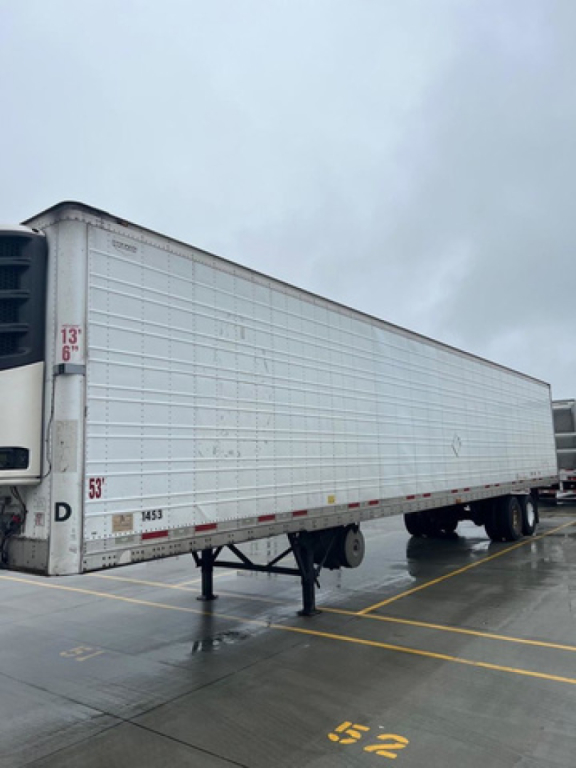

Selling a wabash refrigerated trailer? List your wabash refrigerated trailer for sale and reach thousands of commercial buyers.
Wabash Refrigerated Trailers
The body spec is a major decision point on any reefer trailer. Buyers typically pay close attention to liner material, floor condition, door seal integrity, insulation health, and evidence of past wall or roof repairs. Wabash refrigerated trailers are often equipped with interior liner systems such as Versitex, designed to hold up to pallet contact and repeated loading cycles while helping maintain a clean cargo area. An aluminum roof helps with weight and corrosion resistance, but the real value is in overall thermal integrity. On a used reefer, small issues like damaged scuff areas, worn rear frame components, or poor door closure can turn into temperature loss, moisture problems, and claims exposure.
Reefer unit spec is just as important as the trailer itself. Many Wabash refrigerated trailers are paired with Carrier or Thermo King units, and buyers should compare engine hours, unit model, service records, defrost performance, and fuel consumption before focusing only on trailer age. A low-hour refrigeration unit can be a strong selling point, especially in lanes with strict temperature compliance. It also helps to verify air chute condition, return air flow, bulkhead setup if equipped, and any load scale or tire monitoring features that support heavier compliance-driven operations. If the trailer will run produce, frozen freight, or pharmaceuticals, pre-cool pull-down performance and consistent setpoint control matter more than cosmetic condition.
For fleet buyers and owner-operators alike, a Wabash reefer trailer is usually judged on lane fit, maintenance history, and resale stability. Air ride suspension is preferred for ride quality and cargo protection, especially on sensitive or high-value loads. Standard swing doors remain common because they are simple, durable, and dock-friendly, though door hardware wear should be checked closely on high-cycle trailers. The strongest candidates in this category tend to be clean 53-foot Wabash refrigerated trailers with solid floors, straight sidewalls, healthy insulation, and a reefer unit with documented service intervals. That combination supports dependable cold-chain work and keeps downtime more predictable.
Frequently Asked Questions about Wabash Refrigerated Trailers
What should I look for first on a used Wabash refrigerated trailer?
Start with the refrigeration unit hours, service history, and proof that the trailer is holding temperature consistently. Then inspect the body for insulation-related issues such as soft spots, delamination, damaged liner panels, poor door seals, floor wear, and signs of roof or sidewall repair. A reefer trailer can look clean and still have thermal integrity problems, so condition matters more than appearance alone.
Are Wabash refrigerated trailers typically 53 feet long?
Yes. The most common Wabash reefer configuration in over-the-road and regional fleet use is a 53-foot trailer with tandem axles. That size works well for full truckload refrigerated freight because it balances payload capacity, cube, and compatibility with standard loading docks and fleet operations. Shorter configurations exist in the wider reefer market, but 53-foot units are the mainstream spec buyers usually compare.
Is air ride suspension important on a reefer trailer?
Air ride suspension is the preferred setup for many refrigerated applications because it improves ride quality and reduces cargo shock on sensitive loads. That matters for produce, dairy, frozen food, beverages, and other freight that can shift or get damaged on rough roads. Air ride also remains a common fleet spec, which helps with resale and alignment with broader maintenance practices.
How important are reefer unit hours on a Wabash trailer?
Reefer unit hours are one of the key indicators of remaining service life and expected maintenance needs. Lower hours can mean less wear, but hours should always be reviewed alongside maintenance records, unit model, and actual cooling performance. A well-maintained unit with higher hours may still be a better buy than a low-hour unit with poor service history or unresolved temperature-control issues.
What freight is a Wabash refrigerated trailer commonly used for?
Wabash refrigerated trailers are commonly used for grocery, produce, frozen foods, meat, dairy, beverages, floral loads, and other temperature-sensitive freight. They are also used in regional distribution and dedicated fleet work where strict temperature control and dependable door-to-door cold-chain performance are required. The exact application depends on insulation condition, reefer unit capability, and whether the trailer is set up for continuous run, start-stop operation, or multi-temp support.