
2016 Utility Refrigerated Trailers For Sale in Iowa
Browse 2016 Utility refrigerated trailers for sale. Compare reefer specs, insulation, suspension, flooring, and cooling unit options.
Learn more
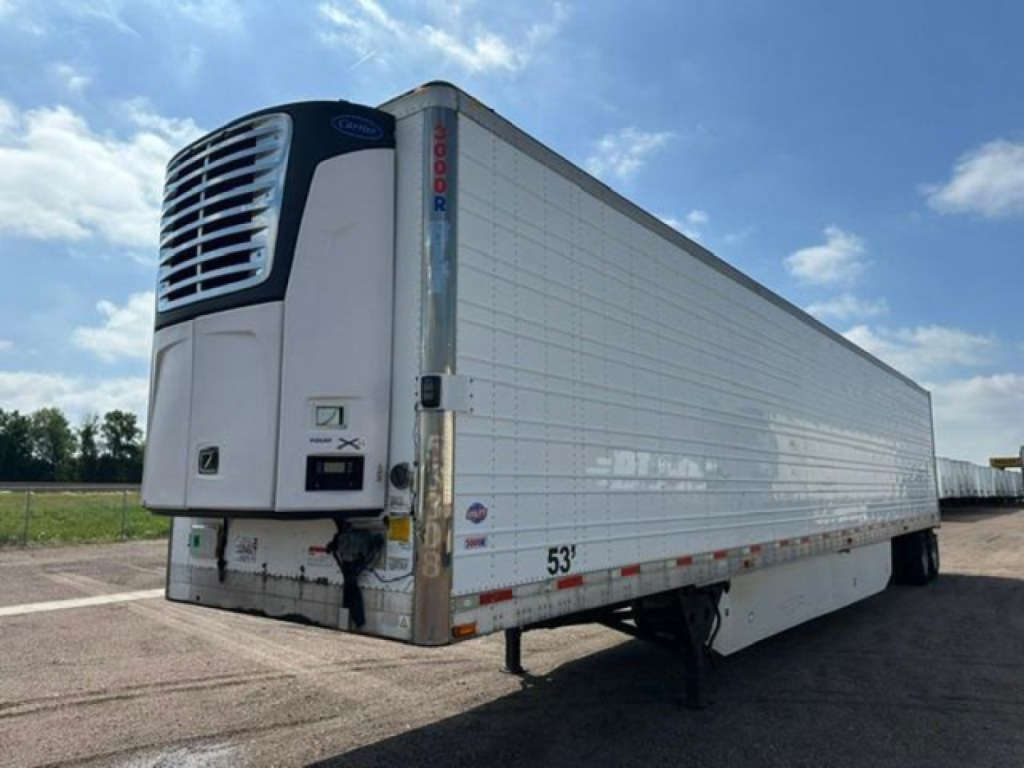
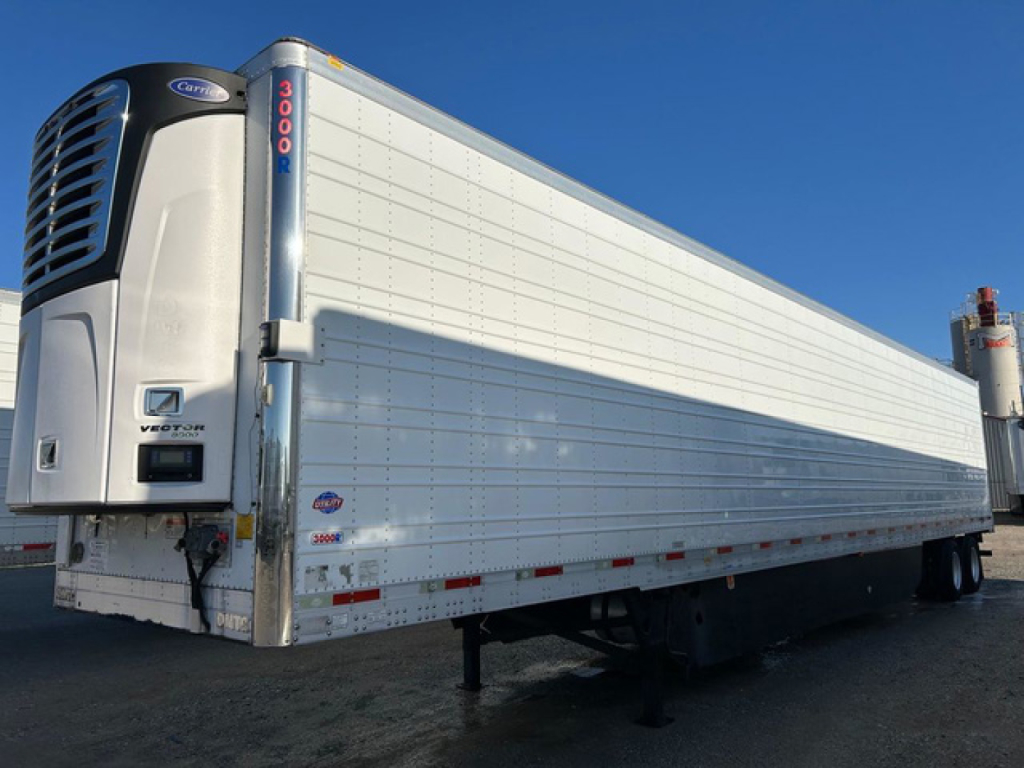
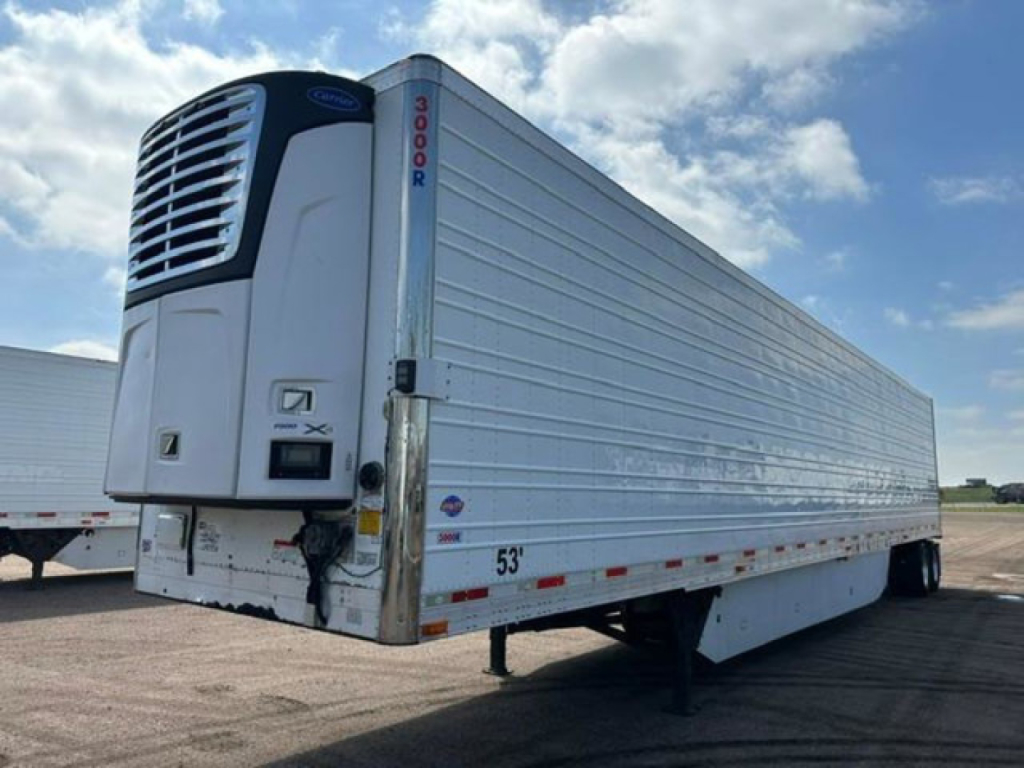
Have 2016 utility refrigerated trailer to sell? List it here to reach thousands of buyers.
About 2016 Utility Refrigerated Trailers in Iowa
For a 2016 Utility reefer trailer, common buyer checkpoints include suspension type, axle configuration, tire size, wheel material, roof construction, and interior liner condition. Many are spec'd with air ride suspension such as Hendrickson systems, and some are equipped with tire inflation systems to help manage tire wear and roadside downtime. Aluminum wheels, aerodynamic skirting, and sliding tandem setups are also common depending on the original fleet spec. Inside the box, look for signs of forklift damage, cracked scuff liners, soft spots in the floor, moisture intrusion, and repairs around the front wall or roof seams. If the trailer has a duct floor or air chute setup, make sure it matches the type of freight you plan to haul.
The refrigeration unit is the most important value driver on a used reefer trailer. A 2016 Utility may carry a Thermo King or Carrier unit, and the right choice depends on your service network, technician preference, and lane profile. Frozen and multi-stop distribution work usually put more stress on the unit than long-haul continuous runs. Check unit hours, start-stop versus continuous operation history, fuel tank condition, alarm history, and evidence of regular PM service. Pulling a download report and confirming the trailer can hold setpoint under load is more useful than relying on appearance alone.
In Iowa and across the Midwest, reefer buyers also need to consider seasonal extremes. A trailer that performs well in both summer heat and winter cold should have solid insulation, tight door seals, and a unit that cycles properly without short running. Utility refrigerated trailers remain popular on the secondary market because they are familiar to technicians, accepted by most shippers, and versatile across produce, meat, grocery, and pharmaceutical lanes. For many buyers, the best 2016 Utility reefer is not just the cleanest trailer. It is the one with a documented maintenance history, a healthy refrigeration unit, and a trailer body that still seals and tracks the way it should.
Frequently Asked Questions
What should I inspect first on a 2016 Utility refrigerated trailer?
Start with the refrigeration unit hours, service history, and download data, then move to the trailer body itself. Check the floor for wear or soft spots, inspect the interior liner and scuff areas for impact damage, and look closely at door seals, roof seams, and the front wall for moisture intrusion. Suspension condition, brake wear, tire condition, and axle alignment also matter because reefer trailers often run high annual miles and carry sensitive freight that depends on a stable ride and consistent temperature control.
Are Utility reefer trailers a good choice for food and grocery freight?
Utility refrigerated trailers are widely used in foodservice, grocery, produce, meat, and frozen distribution because they balance payload, insulation, and serviceability well. They are a familiar platform for many fleets and independent operators, which helps with parts sourcing and shop support. The real suitability depends on the interior condition, floor design, and refrigeration unit performance, since those factors directly affect sanitation, airflow, and the trailer's ability to maintain setpoint across different commodities.
How important are refrigeration unit hours on a used reefer trailer?
Refrigeration unit hours are one of the clearest indicators of wear, but they need to be read alongside maintenance history and operating style. A unit with higher hours that received consistent preventive maintenance can be a better buy than a lower-hour unit with poor service records. Buyers should also ask whether the unit spent most of its life in continuous run or start-stop mode, because duty cycle affects wear patterns, fuel use, and component life.
What trailer specs matter most when comparing 2016 Utility reefers?
The most important specs usually include trailer length, tandem configuration, suspension type, tire size, wheel material, floor construction, lining type, and the reefer unit model. Sliding tandems can matter for bridge law compliance and dock positioning, while air ride suspension helps protect sensitive cargo. Interior details such as scuff liners, ducted flooring, and door configuration can also affect how well the trailer fits your freight mix and loading routine.
Why do door seals and insulation matter so much on a refrigerated trailer?
Door seals and insulation determine how hard the refrigeration unit has to work to maintain temperature. Worn seals, damaged panels, or moisture-compromised insulation can cause temperature drift, longer run times, higher fuel consumption, and possible load claims. On a used 2016 reefer, strong insulation performance is just as important as the condition of the refrigeration unit, because even a well-running unit cannot compensate efficiently for a trailer body that leaks air or loses thermal integrity.