
2017 Refrigerated Trailers For Sale in South Dakota
Shop 2017 refrigerated trailers for sale in South Dakota. Compare reefer specs, insulation, floor type, suspension, and refrigeration units.
Learn more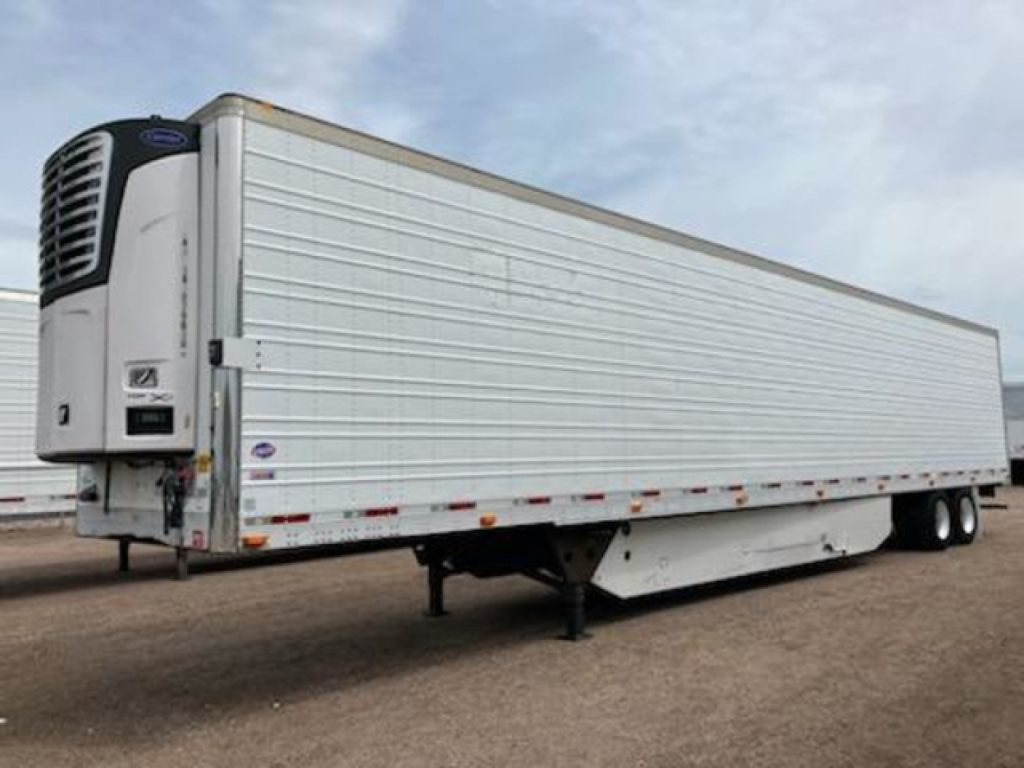
Have 2017 refrigerated trailer to sell? List it here to reach thousands of buyers.
About 2017 Refrigerated Trailers in South Dakota
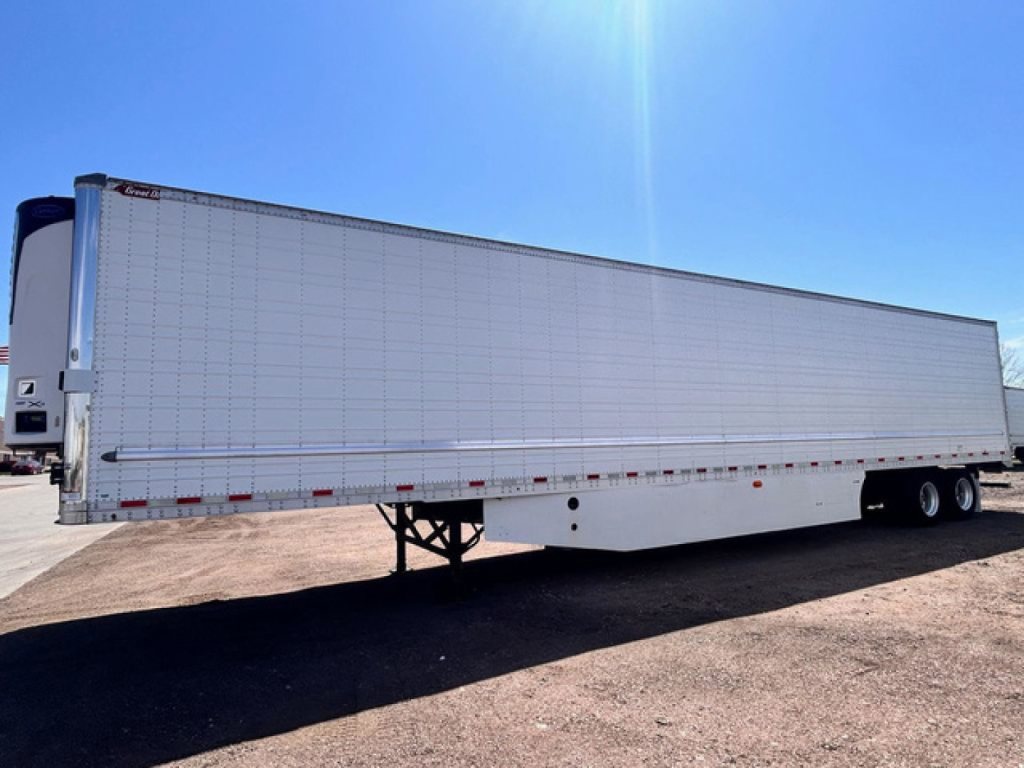
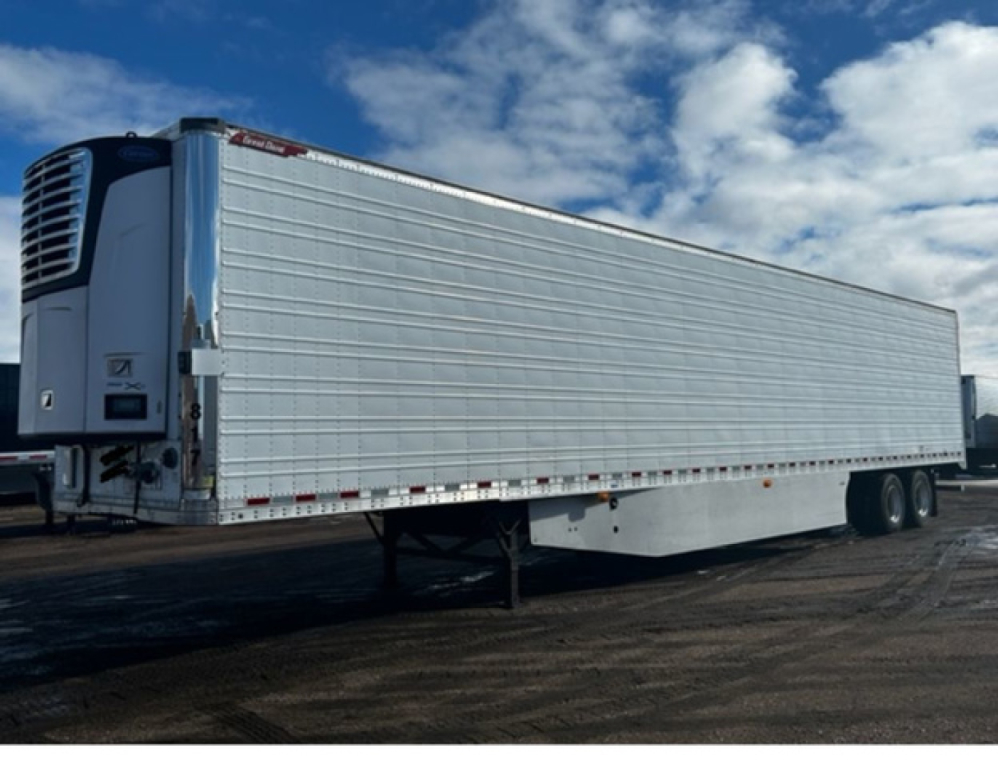
The refrigeration unit deserves the closest inspection on any used reefer trailer. Thermo King and Carrier are the dominant systems in this age group, and unit hours often tell more than trailer age alone. Buyers should check engine hours, service history, evaporator condition, controller operation, and whether the unit can hold setpoint under load. A 2017 reefer may be used for frozen freight, chilled food, dairy, produce, pharmaceuticals, or multi-stop grocery work, but the right fit depends on return-air flow, bulkhead setup, interior lining condition, and how well the trailer has been maintained. Scuff liners, stainless front corners, and a clean insulated interior usually indicate a trailer that has been worked but not abused.
Trailer structure and running gear matter just as much as the reefer unit. Look closely at the floor, especially if the trailer hauled heavy palletized freight or saw regular forklift traffic. Aluminum duct floors and floor channels need to be straight and open enough to maintain airflow. Check for soft spots, patched areas, crossmember damage, and any signs of water intrusion around doors, sidewalls, and the front wall. Air ride suspension is common and generally preferred for ride quality and cargo protection, while tire inflation systems can lower operating costs on long regional and over-the-road lanes. Tire wear, brake life, wheel condition, and tandem slide function all deserve attention before purchase.
A 2017 refrigerated trailer can still be a strong asset for regional foodservice, dedicated grocery lanes, meat hauling, and temperature-sensitive dry freight that needs an insulated box. In South Dakota, buyers often balance refrigeration reliability with winter operability, so door hardware, seal condition, and unit starting performance in cold weather are worth verifying. If the trailer will cross state lines or serve shipper programs, confirm the unit meets current operating and compliance requirements, and review any telematics, data recorder, or standby electric options that may already be installed. The best value is usually a reefer with documented maintenance, a dry and straight box, solid floor airflow, and a refrigeration unit that still has dependable service life left.
Frequently Asked Questions
What should I inspect first on a 2017 refrigerated trailer?
Start with the refrigeration unit, then move to the trailer body and floor. Unit hours, maintenance records, setpoint accuracy, and pull-down performance are critical because reefer repairs can be expensive. After that, inspect the insulated walls, roof, doors, floor channels, tandem slide, suspension, brakes, and tires. A straight, dry trailer with a healthy unit is usually more important than cosmetics.
How many hours is too many on a 2017 reefer unit?
There is no single cutoff because service history matters more than the number alone. A well-maintained Thermo King or Carrier unit with higher hours can still be a better buy than a lower-hour unit with poor records. Buyers typically compare total engine hours, the type of freight hauled, recent repairs, and whether the unit holds temperature consistently under load. Major component replacement history can add confidence on an older reefer.
Are 2017 refrigerated trailers still good for over-the-road and regional freight?
Yes, many 2017 reefer trailers are still well suited for regional and long-haul service if the box is sound and the unit is dependable. They are commonly used for grocery, frozen foods, dairy, produce, and other temperature-controlled freight. The best candidates for over-the-road work usually have air ride suspension, a clean insulated interior, solid floors, reliable door seals, and a reefer unit with documented maintenance.
What trailer features matter most for reefer performance?
Floor airflow, insulation integrity, door seal condition, and air delivery design have a direct effect on temperature control. Buyers should pay attention to the floor channels, chute or duct system, interior lining, bulkhead setup, and any damage that could interrupt airflow. Features like air ride suspension, tire inflation systems, aluminum wheels, and stainless hardware do not create cooling capacity, but they can improve durability, operating cost, and cargo protection.
Why does location matter when buying a reefer trailer in South Dakota?
South Dakota fleets often deal with long highway miles, strong winter conditions, and large seasonal temperature swings. That makes cold-weather starting, door seal condition, insulation quality, and trailer structural integrity especially important. Corrosion, water intrusion, and poor temperature recovery become more costly in a climate where the trailer may run frozen freight in one season and chilled product in another.