
2017 Refrigerated Trailers For Sale
Shop 2017 refrigerated trailers with insight on reefer units, insulation, suspension, floor condition, and specs that matter in cold-chain hauling.
Learn more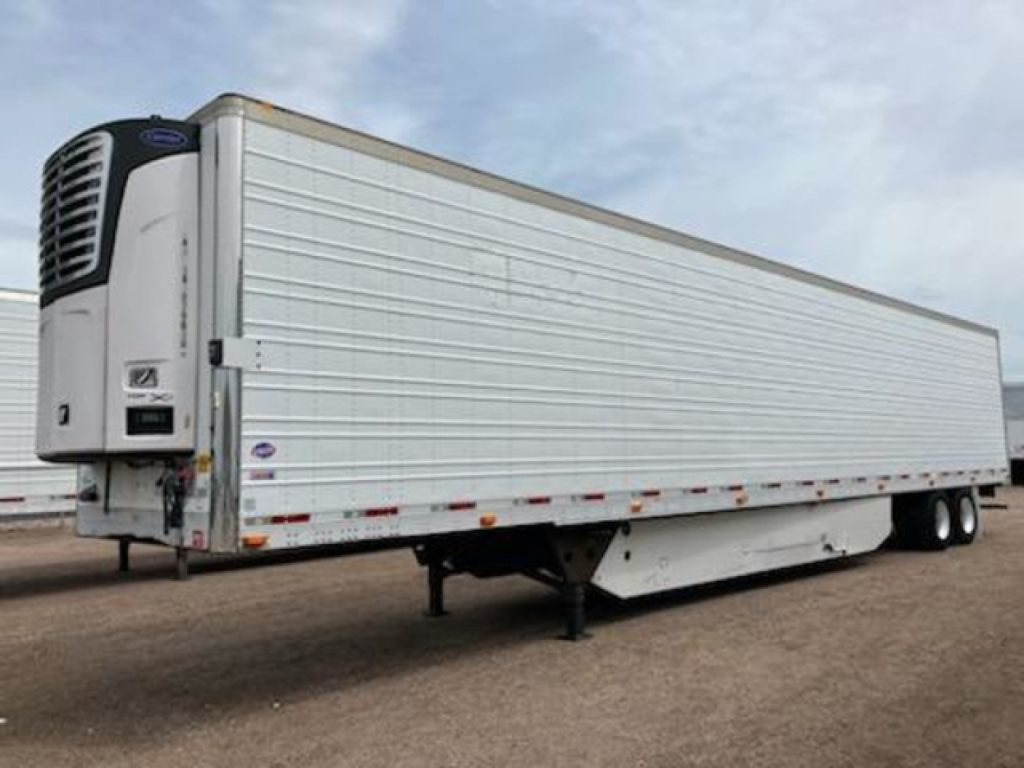
Have 2017 refrigerated trailer to sell? List it here to reach thousands of buyers.
About 2017 Refrigerated Trailers
The refrigeration package is usually the first decision. A 2017 reefer may be equipped with a diesel-powered unit, sold with a functioning unit, or offered as a trailer body with no unit installed. That last configuration can still make sense for cold storage, dedicated yard use, or a repower plan, but it changes the value of the trailer substantially. Buyers hauling produce, dairy, frozen foods, pharmaceuticals, or mixed-temp freight should verify pull-down performance, return air and discharge air consistency, defrost operation, fuel tank condition, and controller history. If the lane involves long dwell times or strict temperature compliance, reefer hours, service records, and alarm history deserve close review.
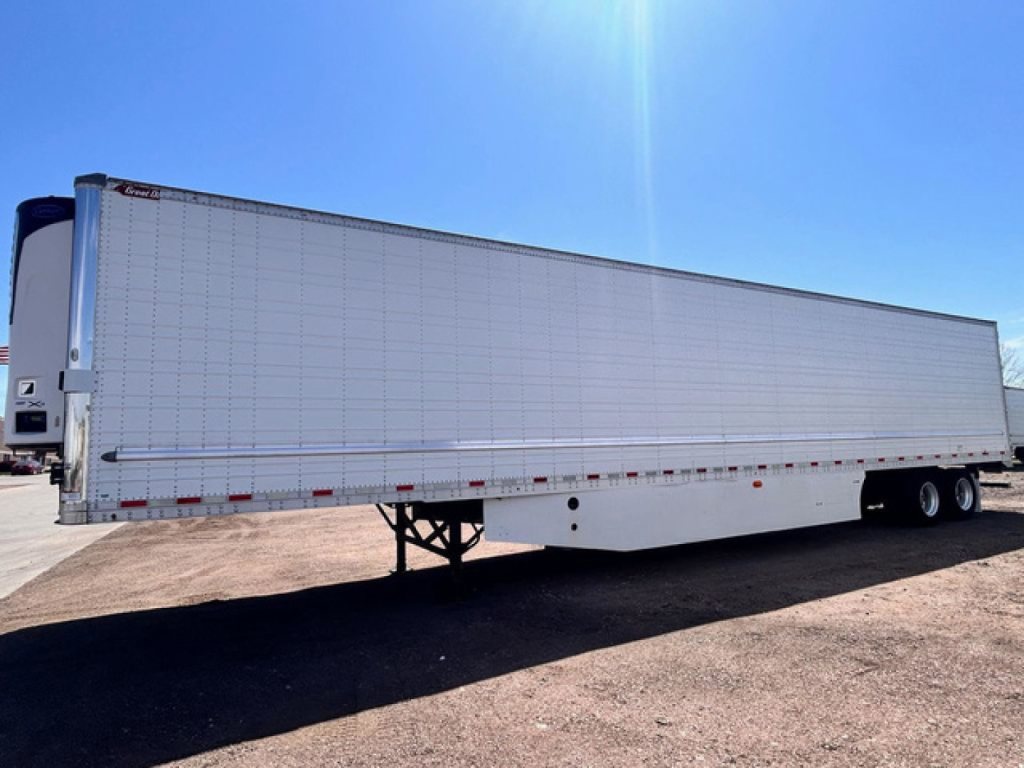
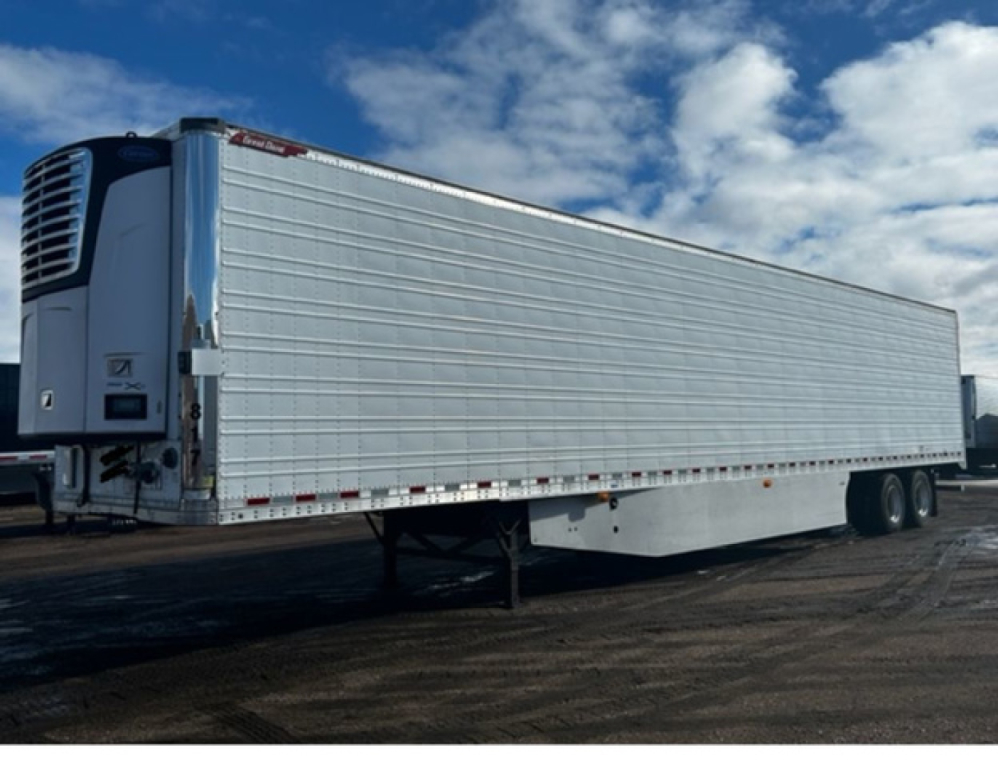
Body and running gear condition often decide whether a used 2017 refrigerated trailer stays profitable. Inspect the insulated floor for wear from pallets and forklift traffic, check the door frame and door seals for air leaks, and look closely at front wall repairs, roof patches, and rivet lines. Suspension type, axle slide position, tire condition, brake specification, and wheel material all affect operating cost. Air ride remains a common choice because it protects sensitive freight and helps trailer resale. Tire inflation systems, stainless lock boxes, aerodynamic skirts, and corrosion-resistant hardware are useful features in this age group, especially on regional and grocery distribution work where uptime and fuel economy matter.
A good 2017 reefer is usually best matched to its intended duty cycle. For over-the-road food service and retail replenishment, buyers typically prioritize a dependable unit, clean liner, sound floor, and strong door seal integrity. For seasonal produce or dedicated short-haul work, a solid trailer shell with average cosmetics may still be a smart purchase if the refrigeration system checks out. Weight-sensitive operations should compare tare weight, floor type, wheel choice, and optional aerodynamic equipment. The best buying approach is to evaluate the trailer as a complete temperature-control asset, not just a dry van with a cooling unit attached.
Frequently Asked Questions
What should I inspect first on a 2017 refrigerated trailer?
Start with the refrigeration unit, insulated body, and floor condition. On a 2017 reefer, the biggest cost exposures usually come from unit repairs, weak insulation performance, air leaks at doors, and floor damage from forklift traffic. After that, review reefer hours, service history, tire condition, brakes, suspension, and any signs of structural or roof repair.
Is a 2017 reefer trailer with no refrigeration unit still worth buying?
It can be, but only for the right application and at the right price. A 2017 refrigerated trailer with no unit may work for cold storage, yard staging, or a repower project if the insulated body is sound. Buyers should price the replacement unit, installation labor, controls integration, and any nose or front wall modifications before assuming it is a bargain.
How many hours is a lot for a reefer unit on a 2017 trailer?
There is no single cutoff because maintenance history matters as much as total hours. A unit with higher hours but consistent preventive service, documented repairs, and stable temperature performance can be a better buy than a lower-hour unit with poor records. Buyers should look for evidence of regular PM intervals, major component replacement history, and clean operating data from the controller.
What specs are common on 2017 refrigerated trailers?
Many 2017 refrigerated trailers in the market are 53-foot tandem axle trailers with air ride suspension, aluminum roofs, swing rear doors, and food-grade interior liners. Common options include tire inflation systems, aluminum wheels, aerodynamic skirts, and stainless lock boxes. Refrigeration units are often Thermo King or Carrier, depending on original fleet specification and application.
Are 2017 refrigerated trailers a good fit for food hauling?
Yes, if the trailer can still hold temperature properly and the interior meets your sanitation and freight requirements. Food hauling depends on more than the presence of a reefer unit. Buyers should confirm liner condition, floor integrity, door seal performance, evaporator cleanliness, and accurate temperature control under load. A well-maintained 2017 reefer can still be a productive asset in grocery, produce, frozen, and dairy service.