
Used Wabash Reefer Trailers For Sale in New York
Browse used Wabash reefer trailers for sale in New York. Compare lengths, reefer units, flooring, suspension, doors, and cold-chain specs.
Learn more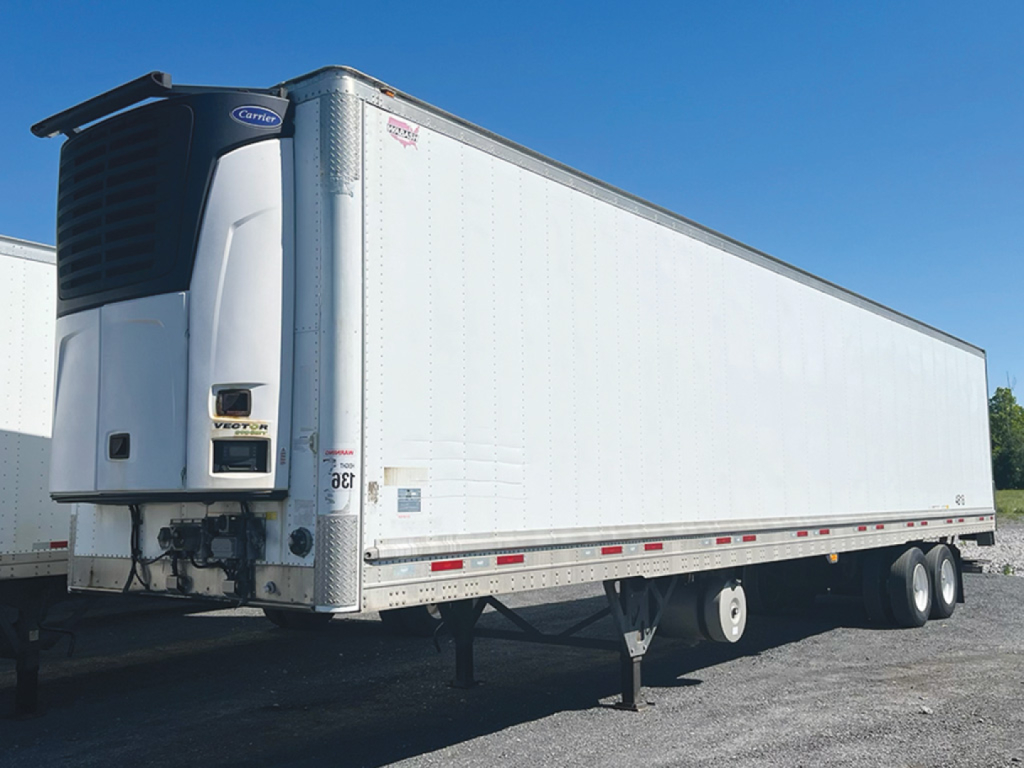

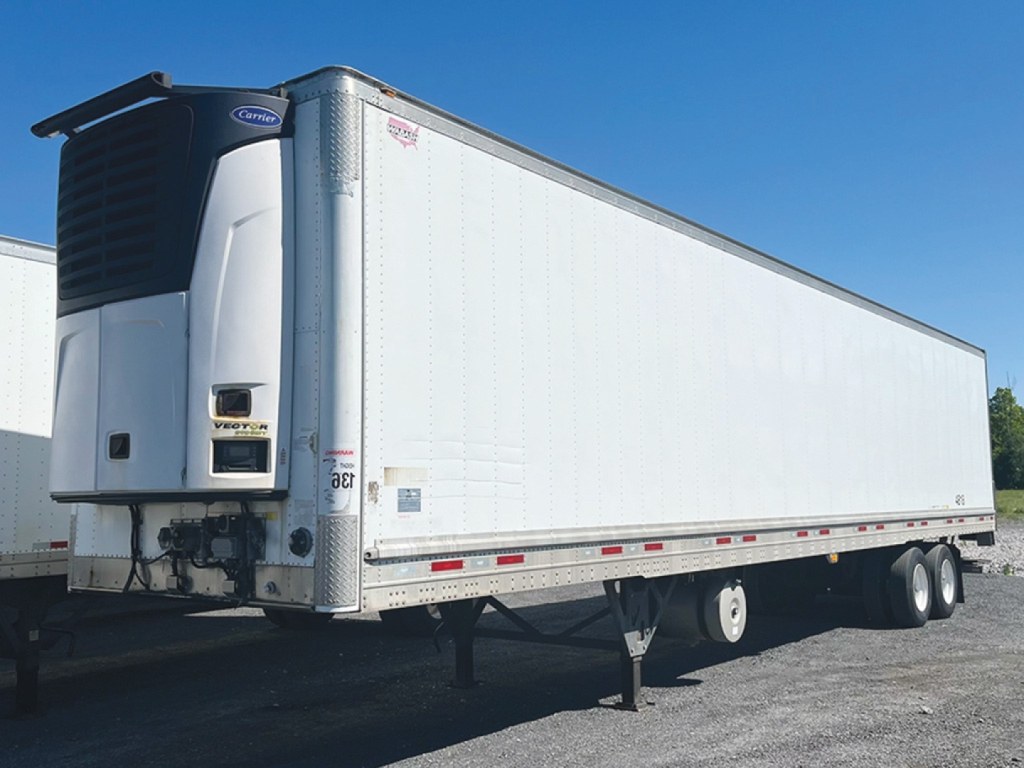
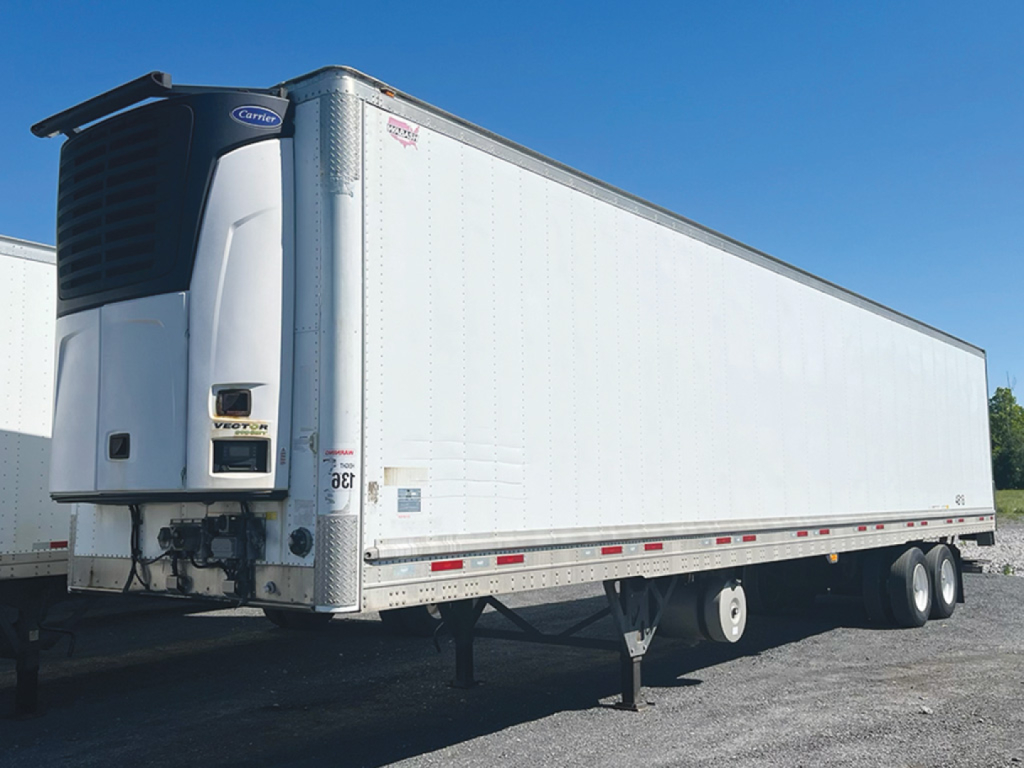
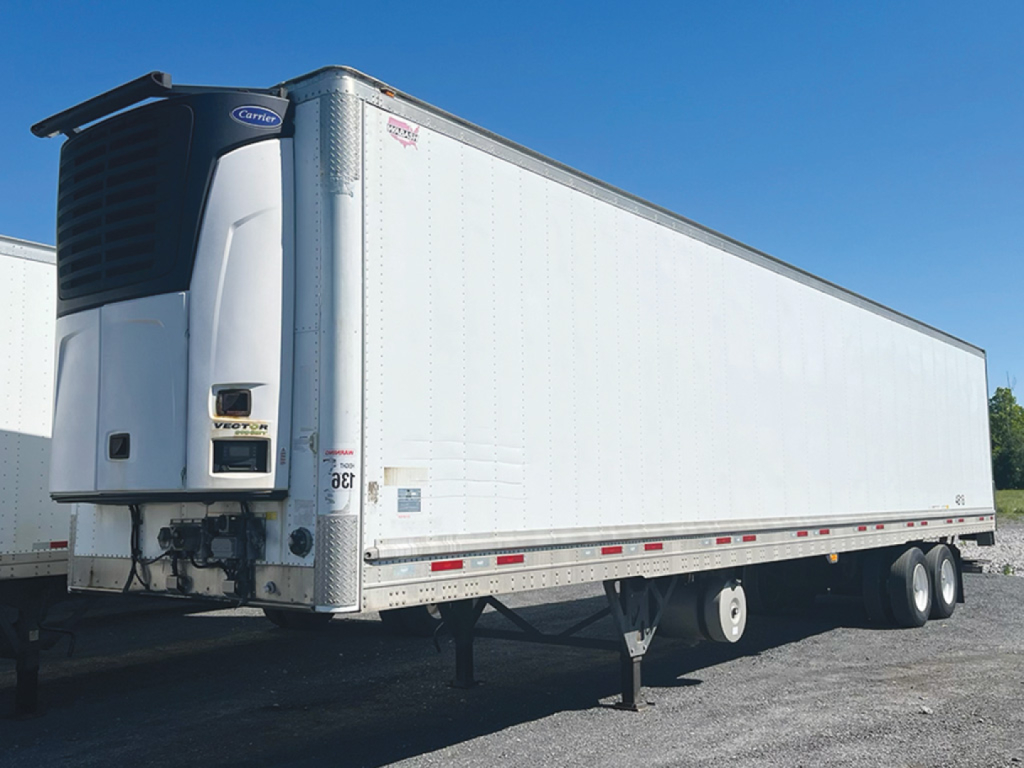
Showing 1 to 24 of 25 results
Have used wabash reefer trailer to sell? List it here to reach thousands of buyers.
About Used Wabash Reefer Trailers in New York
A used Wabash reefer trailer should be evaluated as a complete system, not just a box with a refrigeration unit. Common details include aluminum or duct-style roofs, insulated walls, aluminum flat floors, scuff liners or scuff plate protection, E-track, stainless steel rear door frames, and sliding tandem suspensions. Buyers comparing 48-foot and 51-foot trailers should look at route density, dock access, and payload mix. A 48-foot reefer can make sense in urban delivery and tighter regional work, while a 51-foot trailer may offer more cube for high-volume lanes. Rear door configuration also matters. Swing doors are common for linehaul and dock loading, while roll-up doors and curb side doors can be useful on multi-stop distribution routes. Some used Wabash reefers are also equipped with liftgates for store delivery where no dock is available.
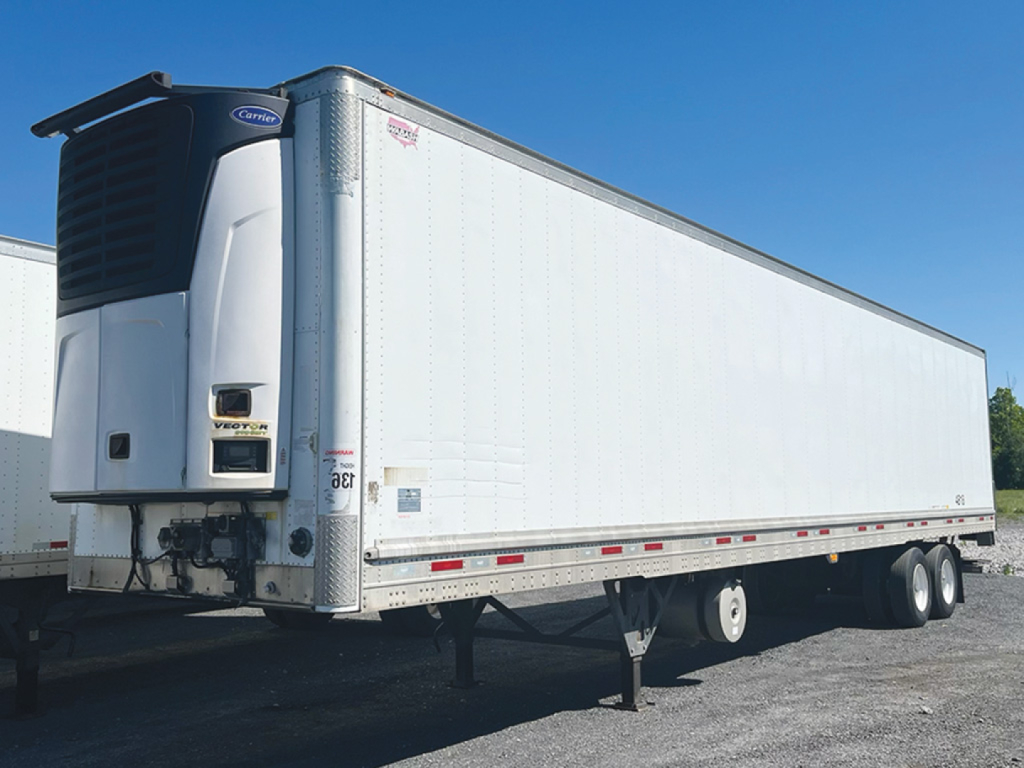
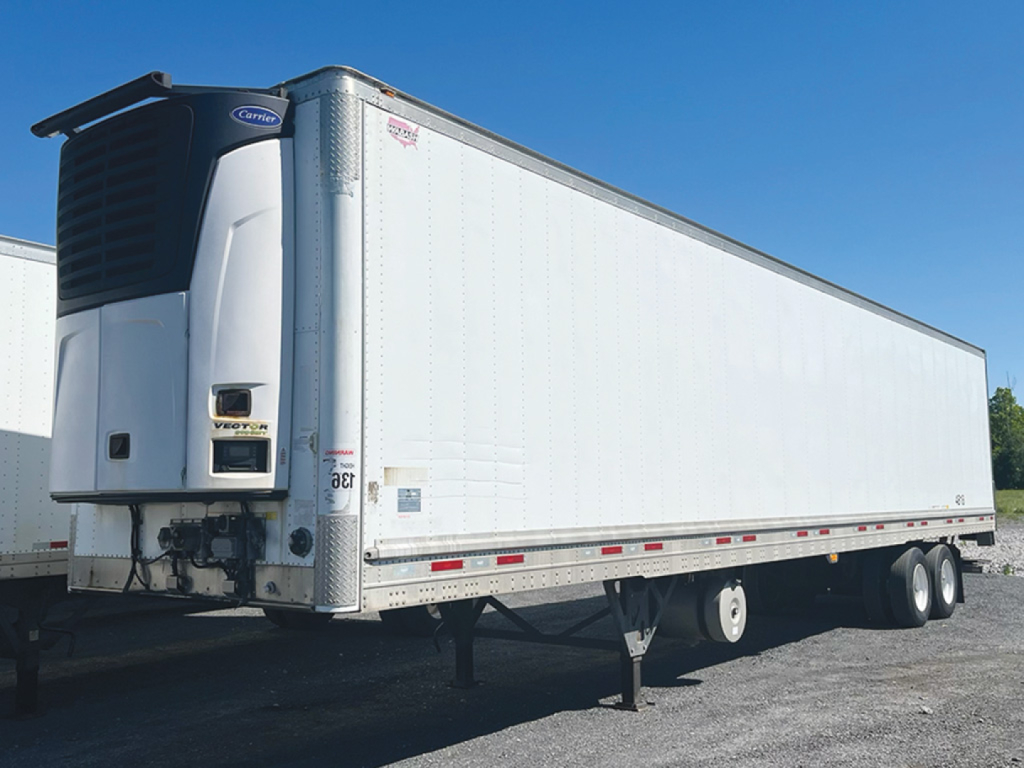
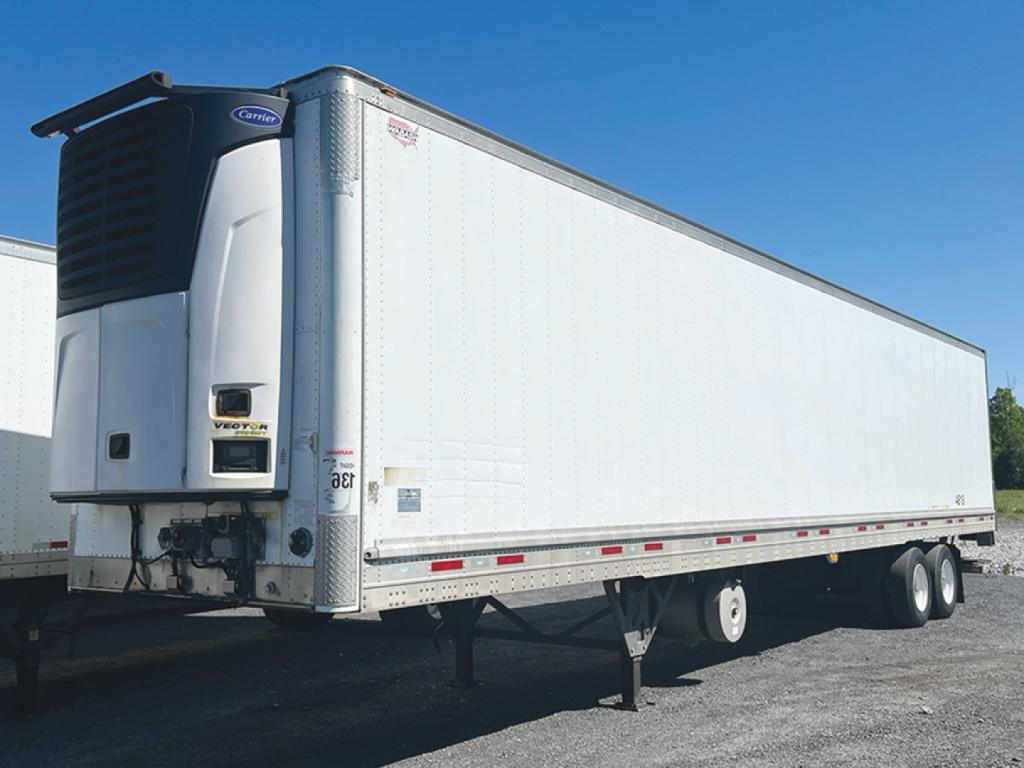
The refrigeration unit deserves a close review. Wabash reefer trailers are commonly paired with Carrier or Thermo King systems, and unit hours, service history, fuel system condition, and temperature pull-down performance should all be part of the buying decision. In fleet resale channels, buyers often see units like the Carrier Vector series, especially on trailers that handled higher-demand distribution work. It is also worth checking air chute condition, bulkhead setup if equipped, return air pathways, and how well the trailer holds setpoint under load. For cold-chain freight, the condition of the insulation package and door gaskets can affect operating cost just as much as the reefer engine itself.
Running gear and compliance specs can separate a solid used reefer from an expensive shop project. Look closely at suspension type, brake configuration, wheel-end maintenance, tire inflation systems, and tandem slider operation. Disc brakes, low-profile 22.5 tires, and automatic tire inflation can reduce maintenance variables in heavier-duty service, but they still need inspection for wear and parts support. Buyers in New York should also confirm axle spread, kingpin setting, and overall length compliance for the lanes they run most. A used Wabash reefer with a clean interior, sound floor, tight rear frame, and documented refrigeration service is generally a stronger buy than a lower-priced trailer with hidden thermal or structural issues.
Frequently Asked Questions
What should I inspect first on a used Wabash reefer trailer?
Start with the refrigeration unit, the insulated body, and the floor. Check reefer hours, service records, and whether the unit reaches and holds set temperature. Then inspect door seals, rear frame condition, wall and roof integrity, floor wear, and any signs of moisture intrusion. On a reefer trailer, a weak box or poor insulation can create expensive temperature-control problems even if the unit still runs.
Are 48-foot and 51-foot Wabash reefer trailers used for different applications?
Yes. A 48-foot reefer is often a practical fit for urban delivery, tighter customer yards, and regional routes where maneuverability matters. A 51-foot reefer can provide more cargo space for higher-cube freight and multi-stop distribution. The right length depends on dock access, state route restrictions, payload mix, and how much cube your freight needs before weight becomes the limit.
How important is the reefer unit brand on a used Wabash trailer?
Brand matters, but condition and support matter more. Carrier and Thermo King are the most common systems buyers look for because parts availability and service networks are strong. What matters most is unit age, hours, maintenance history, alarm history, and actual cooling performance. A well-maintained reefer unit with documented service is usually a better purchase than a preferred brand with neglected maintenance.
What trailer features are most useful on a used Wabash reefer in local or regional delivery?
For multi-stop refrigerated delivery, buyers often prioritize scuff liners, E-track, curb side doors, roll-up doors, and liftgates. These features help protect the interior, speed up unloading, and improve access at stores or facilities without full dock capability. Sliding tandems, tire inflation systems, and disc brakes can also be valuable depending on route demands and maintenance strategy.
Why does floor condition matter so much on a reefer trailer?
The floor affects sanitation, airflow, forklift durability, and long-term trailer value. Aluminum floors are common and can hold up well, but damage from concentrated forklift traffic, corrosion, or poor repairs can create expensive problems. A reefer floor also has a role in air movement and drainage, so buyers should inspect for worn spots, patchwork, loose sections, and any evidence that the floor no longer supports proper temperature-controlled operation.