
2023 Vanguard Reefer Trailers For Sale in Pennsylvania
Shop 2023 Vanguard reefer trailers in Pennsylvania. Compare 53-foot specs, Carrier or Thermo King units, insulation, duct floors, and air ride.
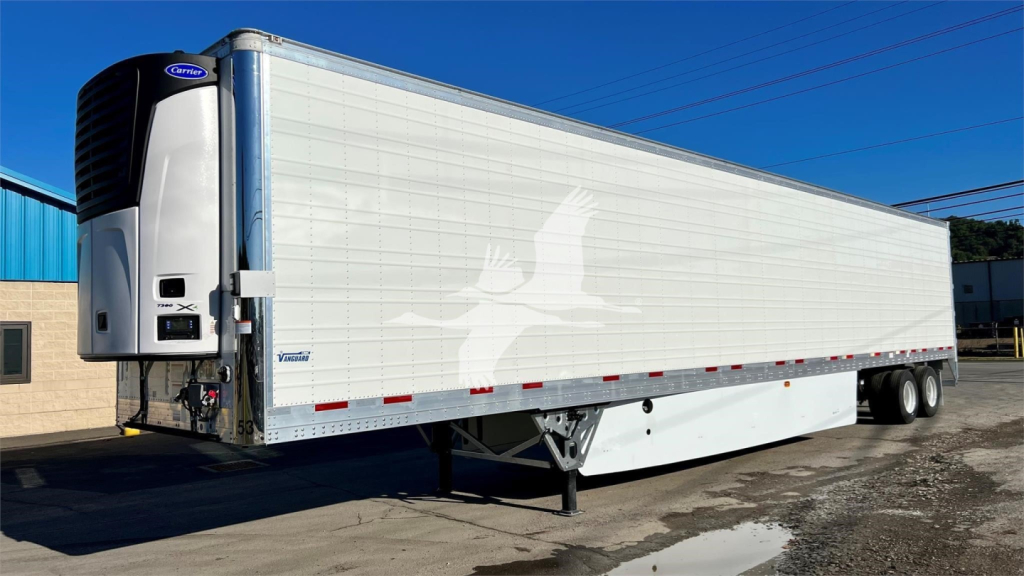
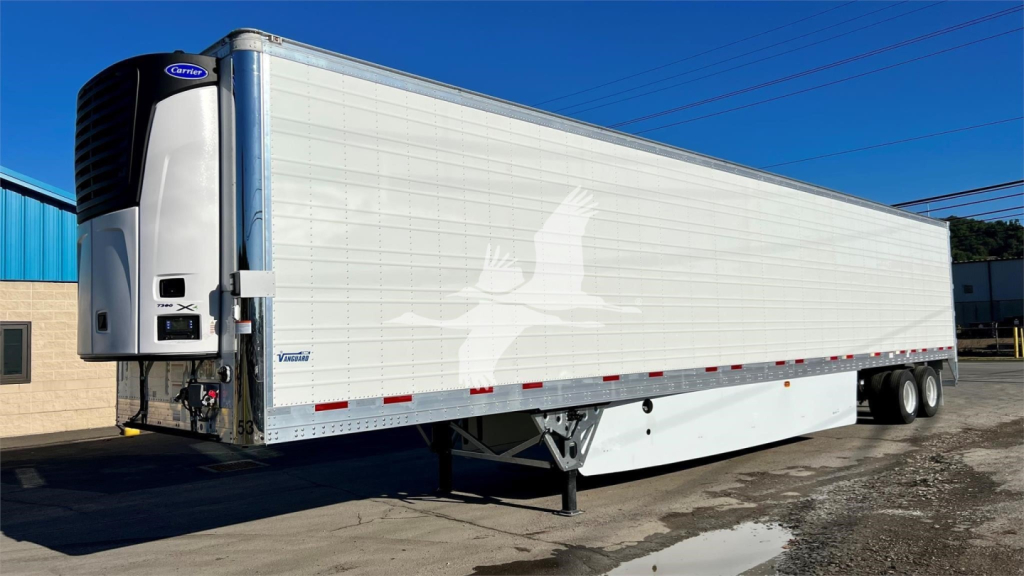
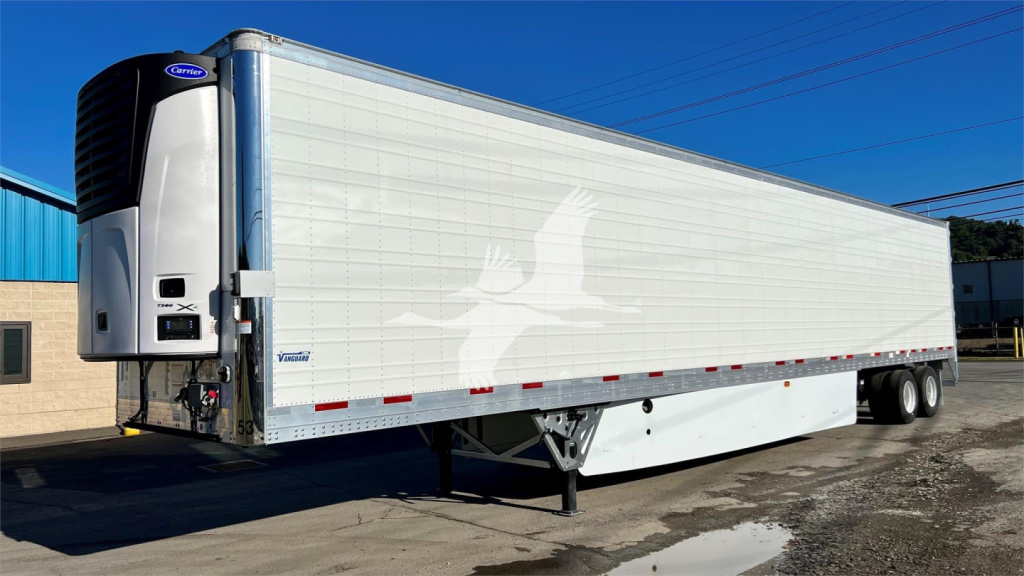
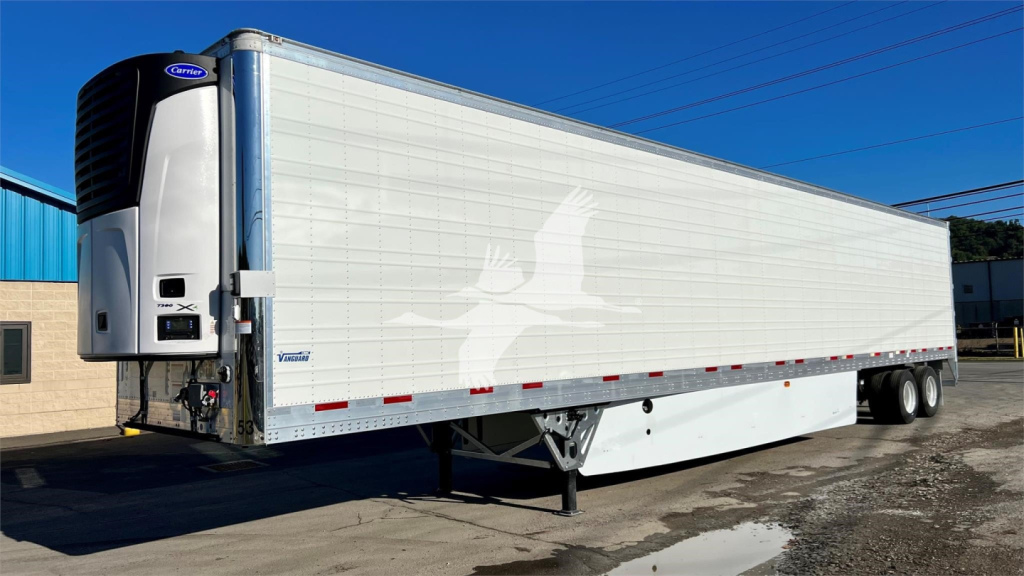
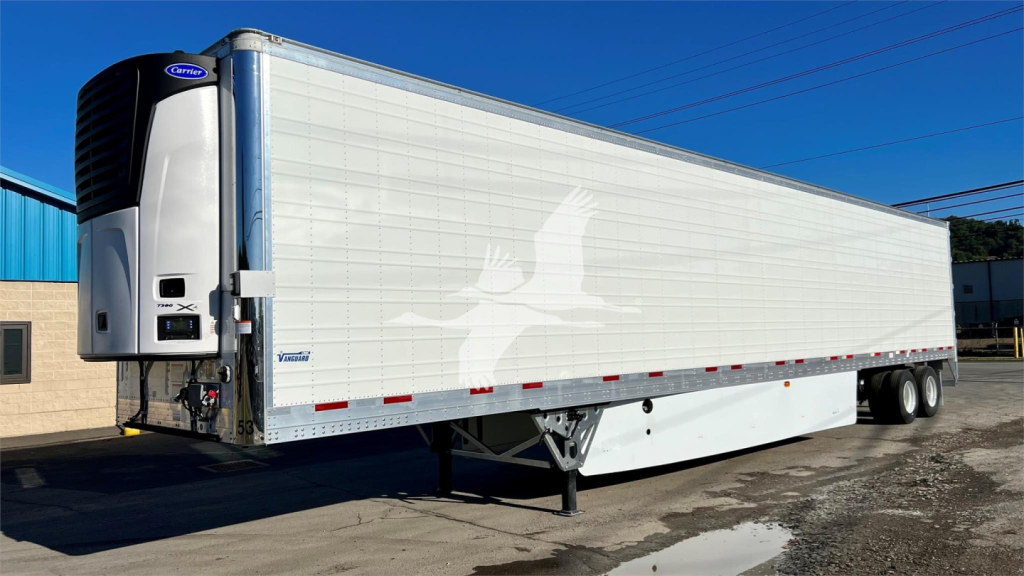
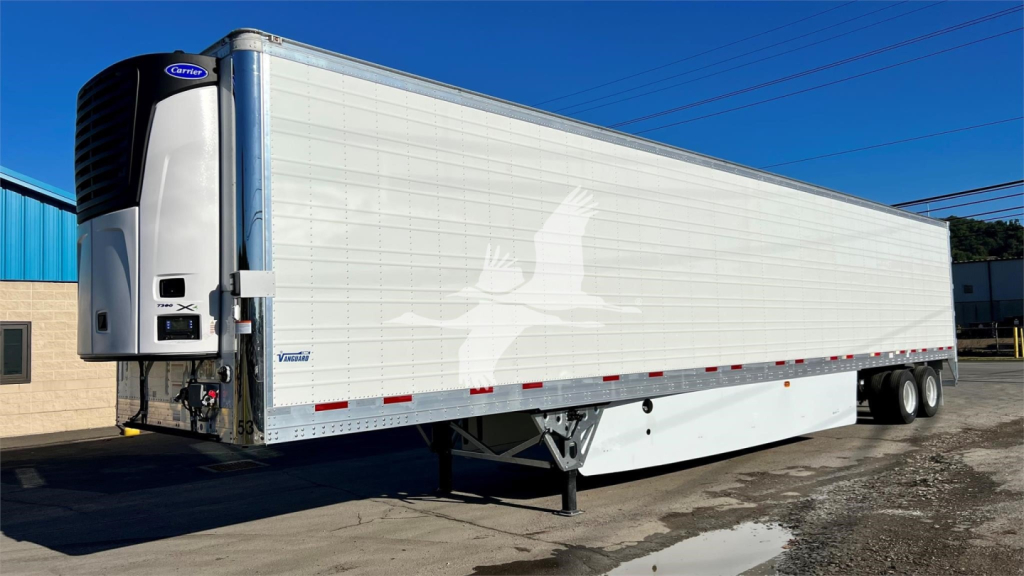
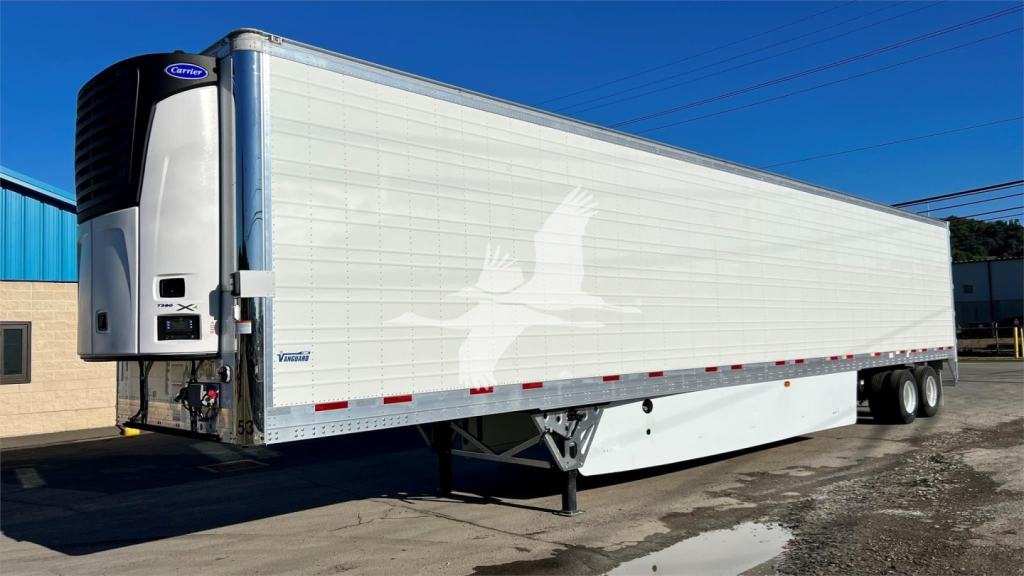
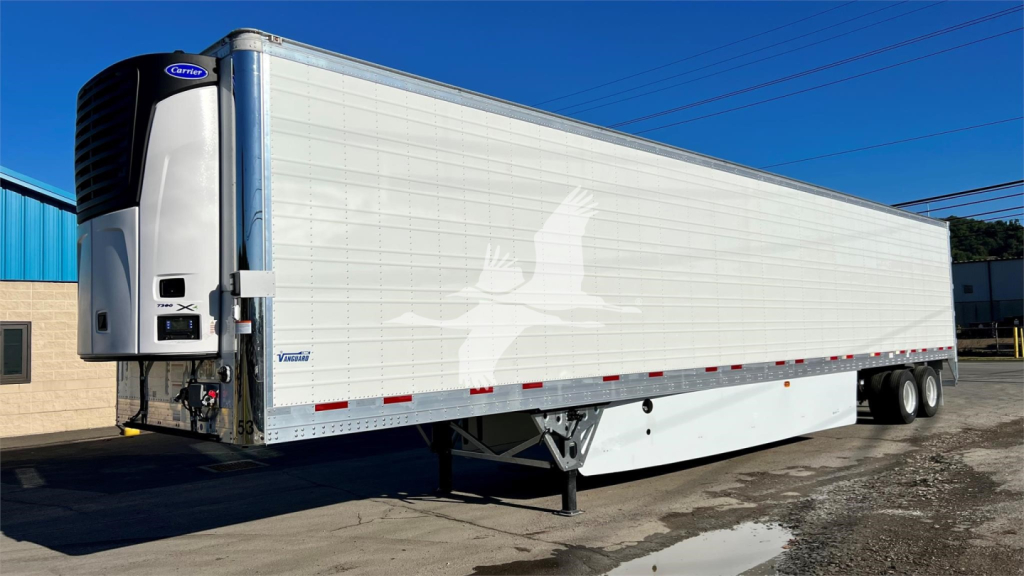
Selling a 2023 vanguard reefer trailer? List your 2023 vanguard reefer trailer for sale and reach thousands of commercial buyers.
2023 Vanguard Reefer Trailers in Pennsylvania
The reefer unit deserves close attention, but the trailer body is what protects temperature integrity load after load. Buyers should look at insulation thickness in the sidewalls, roof, nose, doors, and floor, along with the condition of the air return bulkhead and air chute. A heavy-duty duct floor is important for even air movement under pallets, especially in multi-stop grocery, produce, dairy, frozen foods, and pharmaceutical service. Interior liner material, scuff protection, threshold plates, and door seal condition all affect sanitation, damage resistance, and temperature hold. If the trailer has no E-track, confirm that matches the freight profile and securement method your operation actually uses.
On the chassis side, 2023 Vanguard reefer trailers commonly show fleet-friendly running gear such as Holland CBX40 AeroBeam air ride suspension, Jost two-speed landing gear, 295/75R22.5 tires, steel disc wheels, and tire inflation systems like MTIS with ThermALERT. Features like side skirts can improve fuel economy on highway lanes, while galvanized crossmembers and corrosion-resistant rear structures help in Pennsylvania and other states where winter road treatment can be hard on trailer underbodies. For buyers running the Northeast, check the reefer fuel tank size, reefer hours, suspension condition, and slider operation since stop-and-go distribution work and tighter docks can expose weak points quickly.
Vanguard reefers are often chosen by fleets and owner-operators that want a straightforward refrigerated trailer with current-spec components and familiar serviceability. The key buying decision is not just Carrier versus Thermo King. It is matching the trailer to the freight mix, lane length, loading pattern, and maintenance plan. A trailer handling frozen freight on long interstate runs may need different priorities than one working produce, floral, or mixed-temperature regional freight. When comparing listings, focus on unit hours, maintenance records, floor wear, door alignment, insulation integrity, tire system condition, and signs of prior body repair. On a 2023 model, those details will tell you more about long-term operating value than the year alone.
Frequently Asked Questions about 2023 Vanguard Reefer Trailers in Pennsylvania
What are the typical specs on a 2023 Vanguard reefer trailer?
Most 2023 Vanguard reefer trailers are 53 feet long, 102 inches wide, tandem axle, and set up with air ride suspension for temperature-controlled freight. Common configurations include a 36-inch kingpin setting, 49-inch slider, duct floor, swing doors, aluminum roof, stainless rear frame, and polyurethane foamed-in-place insulation. Many are paired with Carrier or Thermo King refrigeration units and fleet-oriented components such as Jost landing gear, 295/75R22.5 tires, and tire inflation systems.
Is a duct floor important on a reefer trailer?
Yes. A duct floor is a major factor in airflow management inside a refrigerated trailer. It allows conditioned air to move under the load and circulate more evenly from front to rear, which helps maintain product temperature across the trailer. That matters most with palletized grocery, produce, dairy, frozen freight, and other sensitive cargo where blocked airflow can create hot spots or uneven cooling.
How should I compare Carrier and Thermo King units on a used 2023 reefer trailer?
Start with reefer hours, service history, fuel consumption, and local dealer support rather than brand preference alone. Both Carrier and Thermo King units are common in fleet service and both can perform well when maintained properly. Buyers should verify start-up behavior, temperature pull-down performance, alarm history, defrost function, and the condition of related trailer components such as the air chute, bulkhead, fuel tank, and electrical system.
What areas wear out fastest on a reefer trailer body?
The floor, rear door frame, door seals, threshold area, scuff liners, and interior lining usually show the earliest wear because they take constant contact from forklifts, pallets, and dock activity. On refrigerated trailers, buyers should also inspect the roof, nose, and sidewall panels for repairs that could affect insulation integrity. Water intrusion, damaged liner panels, and poor door alignment can all lead to temperature loss and expensive cargo claims.
What matters most when buying a reefer trailer for Pennsylvania and Northeast service?
Corrosion resistance, suspension condition, and reefer reliability are high priorities in Pennsylvania and the broader Northeast. Winter road salt can be tough on crossmembers, rear frames, hardware, and slider assemblies, so galvanized or corrosion-resistant components are a real advantage. Buyers should also think about tight dock maneuvering, multi-stop delivery cycles, and cold-weather reefer performance, since those conditions put extra demand on the chassis, brake system, and refrigeration unit.