
Used 2023 Reefer Trailers For Sale
Browse used 2023 reefer trailers with common specs, refrigeration unit options, insulation details, and fleet features for cold-chain hauling.
Learn more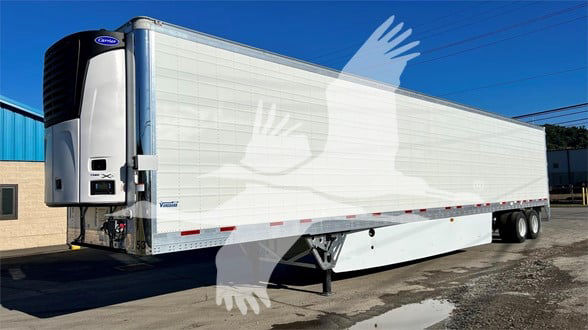
Showing 13 to 14 of 14 results
Have used 2023 reefer trailer to sell? List it here to reach thousands of buyers.
About Used 2023 Reefer Trailers
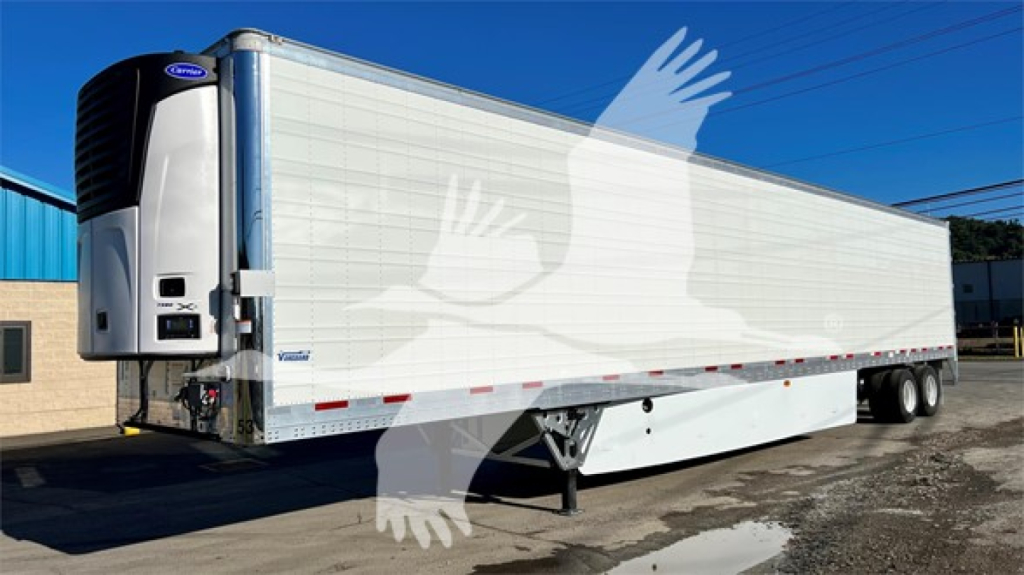
A 2023 reefer trailer, also known as a refrigerated trailer or refrigerated van trailer, is typically configured for grocery, frozen food, produce, dairy, pharmaceutical, and multi-stop distribution work. Look closely at inside height, door opening dimensions, air chute setup, and bulkhead design if cube and airflow matter to your operation. Common construction details include aluminum roofs, stainless steel rear components, galvanized substructures, polyurethane foam insulation, and composite or aluminum floor systems. Side skirts, aerodynamic suspension packages, and modern slider setups can also matter if the trailer will stay in long-haul lanes where fuel economy and tire wear are closely watched.
The refrigeration unit deserves just as much attention as the trailer body. Buyers should verify unit model, total engine hours, electric standby if needed, service records, defrost performance, return-air and discharge-air consistency, and any telematics or fleet monitoring integration. A late-model reefer can look clean and still hide expensive issues in the evaporator, fuel system, microprocessor controls, or floor channels. On the trailer side, inspect the duct floor for crushed sections, check the scuff plates and interior lining for forklift impact, and confirm the rear frame, door seals, and threshold area are still tight. Water intrusion, insulation damage, and poor airflow can hurt temperature pull-down and product protection even when the unit itself runs.
Spec matching is what separates a good buy from a costly mismatch. Regional grocery and foodservice carriers may prioritize multi-temp capability, swing vents, and heavy-duty floors for constant loading cycles. Long-haul carriers often focus on unit reliability, side skirts, MTIS, slider function, and lightweight construction. If the freight includes frozen loads, confirm the trailer can hold setpoint under real operating conditions, not just idle in a yard. If the work is produce or fresh distribution, airflow management, chute condition, and door seal integrity become just as important as the name on the reefer unit. A used 2023 reefer trailer should still have meaningful service life left, but only if the trailer body and refrigeration system have been maintained as one package.
Frequently Asked Questions
What should I check first on a used 2023 reefer trailer?
Start with the refrigeration unit hours, maintenance records, and proof of recent temperature performance. Then inspect the trailer body for floor damage, door seal wear, rear frame corrosion, lining cracks, and any signs of water intrusion. A clean appearance is not enough on a reefer. The unit, insulation, airflow components, and floor structure all have to work together to protect freight.
Are most used 2023 reefer trailers 53-foot trailers?
Yes. The most common configuration in the market is a 53-foot by 102-inch reefer trailer with tandem axles, air ride suspension, and a sliding tandem. That size is widely used in grocery, foodservice, produce, and frozen distribution because it balances cube, payload, and dock compatibility. Some shorter trailers exist, but 53-foot models dominate late-model fleet turnover.
Which is more important, the trailer body or the reefer unit?
Both matter equally because a reefer trailer is a temperature-control system, not just a box with a refrigerator attached. A strong Thermo King or Carrier unit cannot overcome damaged insulation, crushed floor channels, poor door seals, or bad airflow management. At the same time, a well-built trailer body loses value quickly if the unit has high hours, weak pull-down performance, or inconsistent temperature control.
What features are common on late-model reefer trailers?
Common features include polyurethane insulation, aluminum or composite duct floors, stainless steel rear frames and door hardware, scuff liners, air chutes, return-air bulkheads, air ride suspension, sliding tandems, 22.5 low-profile tires, and tire inflation systems such as MTIS. Many late-model fleet trailers also include aerodynamic side skirts and standardized kingpin settings to fit broad tractor and lane requirements.
How do I know if a used reefer trailer is right for frozen or fresh loads?
Match the trailer to the freight profile and confirm actual operating performance. Frozen applications require strong pull-down, good insulation integrity, tight door seals, and a floor and chute system that maintains airflow under loaded conditions. Fresh and produce loads also depend on proper airflow, but they may place more emphasis on ventilation options, bulkhead setup, and stable temperature maintenance rather than extreme low-temperature capability alone.