
Used 2018 Reefer Trailers For Sale in North Carolina
Browse used 2018 reefer trailers for sale in North Carolina. Compare 53-foot refrigerated trailers, reefers, multi-temp specs, floors, doors, and units.
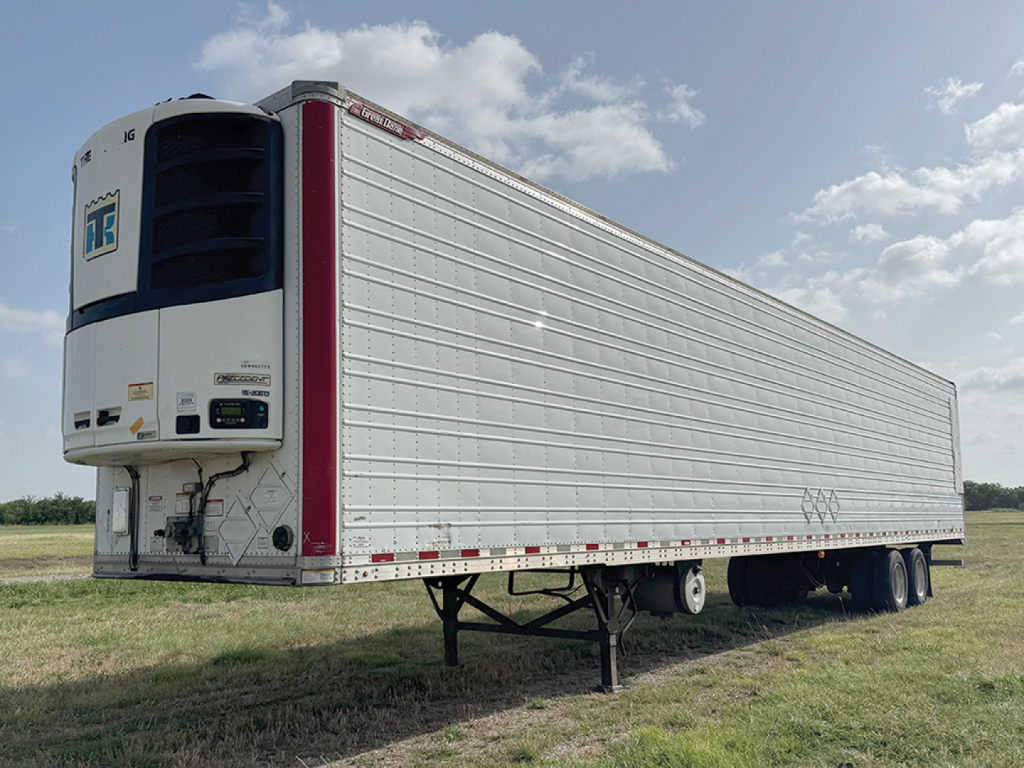

Selling a used 2018 reefer trailer? List your used 2018 reefer trailer for sale and reach thousands of commercial buyers.
Used 2018 Reefer Trailers in North Carolina
The biggest buying decision is usually the refrigeration package and interior layout. Common units on 2018 reefers include Thermo King Precedent and Carrier X4 platforms. Buyers should confirm engine hours, electric standby if required, service records, alarm history, and whether the trailer is set up for continuous or start-stop operation. If the freight mix includes segregated temperature zones, a multi-temp reefer with bulkheads and return air management can add flexibility, but it also adds components to inspect. Interior spec is just as important. Aluminum duct floors are common for airflow under pallets, while flat floors may fit certain loading patterns better. Scuff liners, scuff plates, E-track, rear vents, cold chutes, and stainless door frames all affect durability and cargo control over the life of the trailer.
Suspension, running gear, and rear door configuration should match the lanes the trailer will run. Air ride is generally preferred for ride quality and cargo protection, while spring ride can still pencil out for tougher, cost-driven operations. Sliding tandems remain standard on many 53-foot reefers and are important for bridge law compliance and dock positioning. Swing doors are common and seal well for full rear access, while roll-up doors can be useful in frequent-stop distribution but may reduce clear opening height and add weight. Tire size, low-profile 22.5 rubber, wheel type, brake spec, and the presence of options like tire inflation systems or aerodynamic skirts can all influence operating cost.
On any used 2018 reefer trailer, buyers should pay close attention to items that directly affect temperature integrity and maintenance expense. Check the front wall, roof, floor channels, and door frame for signs of impact, water intrusion, or insulation failure. Inspect the unit evaporator and condenser areas, fuel tank, drains, door seals, and telematics if equipped. A good reefer is more than a cold box. It is a trailer with consistent pull-down performance, clean airflow, solid floor structure, and a service history that supports the freight it will haul.
Frequently Asked Questions about Used 2018 Reefer Trailers in North Carolina
What should I inspect first on a used 2018 reefer trailer?
Start with the refrigeration unit hours, maintenance records, and proof of recent service, then move to the trailer body and insulation. Check for damage at the front wall, roof seams, door frame, and floor, because structural issues can cause temperature loss and expensive repairs. Door seals, interior lining, floor condition, airflow channels, and the overall ability of the unit to pull down and hold setpoint are more important than cosmetic appearance.
Are 2018 reefer trailers usually single-temp or multi-temp?
Most 2018 reefer trailers on the market are single-temp, but multi-temp configurations are also common in grocery and foodservice applications. A multi-temp trailer typically includes movable bulkheads and additional airflow management so different sections can run at different temperatures. That flexibility is valuable for mixed loads, but buyers should inspect the bulkheads, seals, sensors, and control system carefully because there are more wear items than on a standard single-temp setup.
What floor and door specs are most common on a 2018 reefer trailer?
Many 2018 reefers are spec'd with aluminum duct floors to promote return airflow under palletized freight, though some flat floor designs appear in specialized applications. Rear swing doors are the most common because they provide a full opening and strong seal, while roll-up doors are more common on frequent-stop distribution trailers. Buyers should match the floor and door setup to their actual freight, dock routine, and loading method rather than assuming one configuration fits every lane.
Is air ride better than spring suspension on a reefer trailer?
Air ride is generally preferred for refrigerated freight because it provides better ride quality and helps protect sensitive cargo, packaging, and trailer structure over time. Spring suspension can still be a workable choice for fleets focused on lower acquisition cost or certain tougher operating environments, but it is usually less forgiving on rough roads. The right answer depends on cargo sensitivity, route conditions, and maintenance philosophy.
Why does reefer unit brand matter on a used trailer?
Reefer unit brand matters because parts availability, technician familiarity, telematics support, and service network coverage directly affect uptime. Thermo King and Carrier are the two most common platforms, and both are widely supported, but some fleets standardize on one brand to simplify diagnostics and maintenance. On a used 2018 trailer, the real priority is not just brand recognition but verified service history, clean operation, and evidence that the unit has been maintained on schedule.