
Used 2014 Reefer Trailers For Sale in Florida

Have used 2014 reefer trailer to sell? List it here to reach thousands of buyers.
Used 2014 Reefer Trailers in Florida
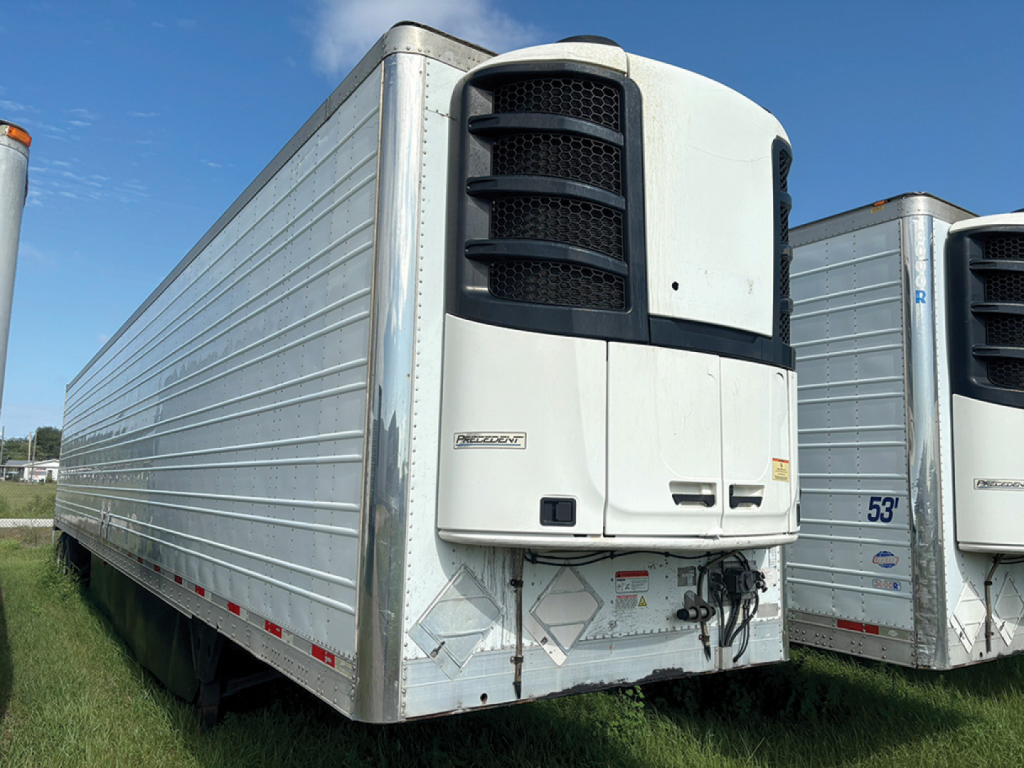
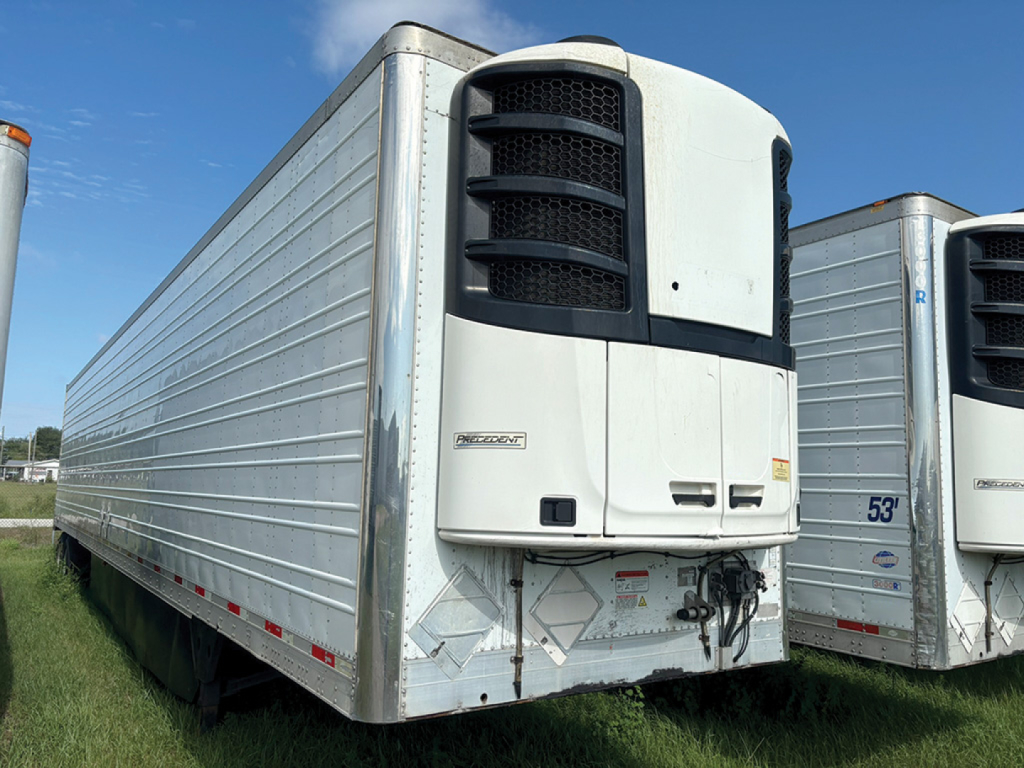
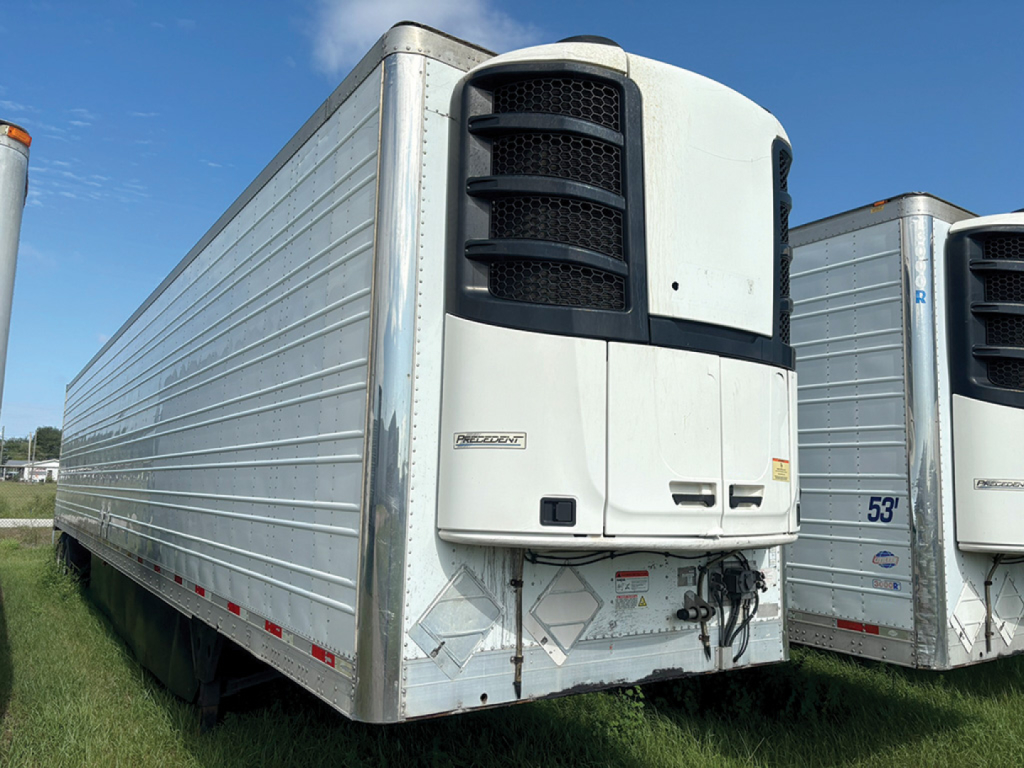
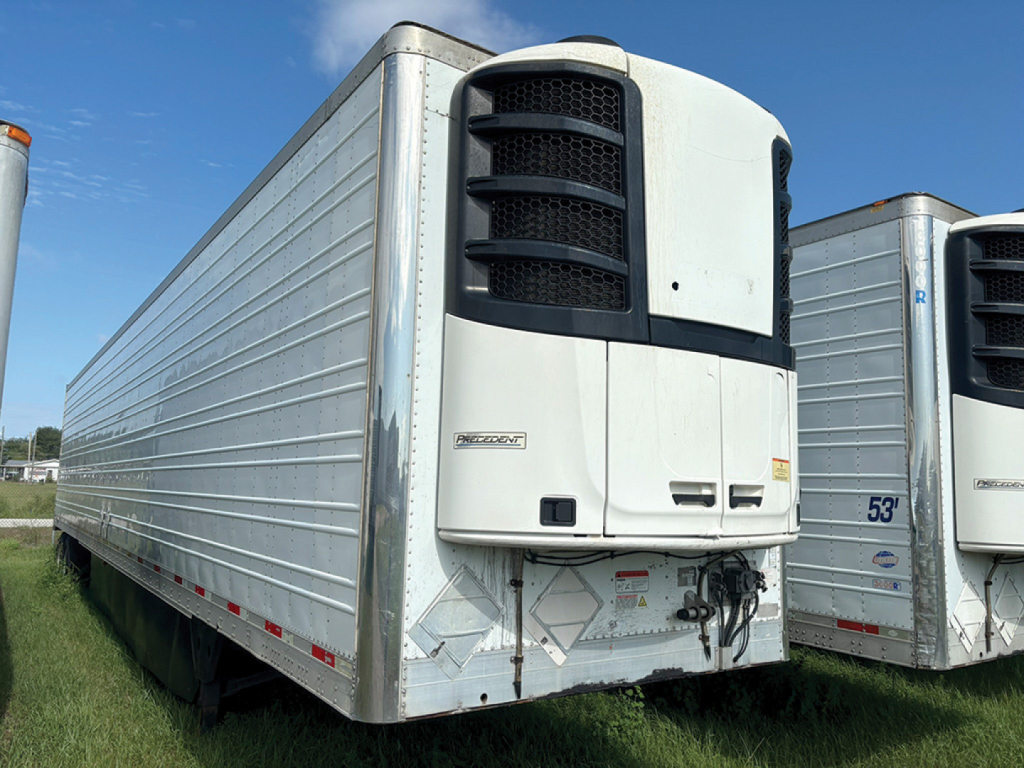
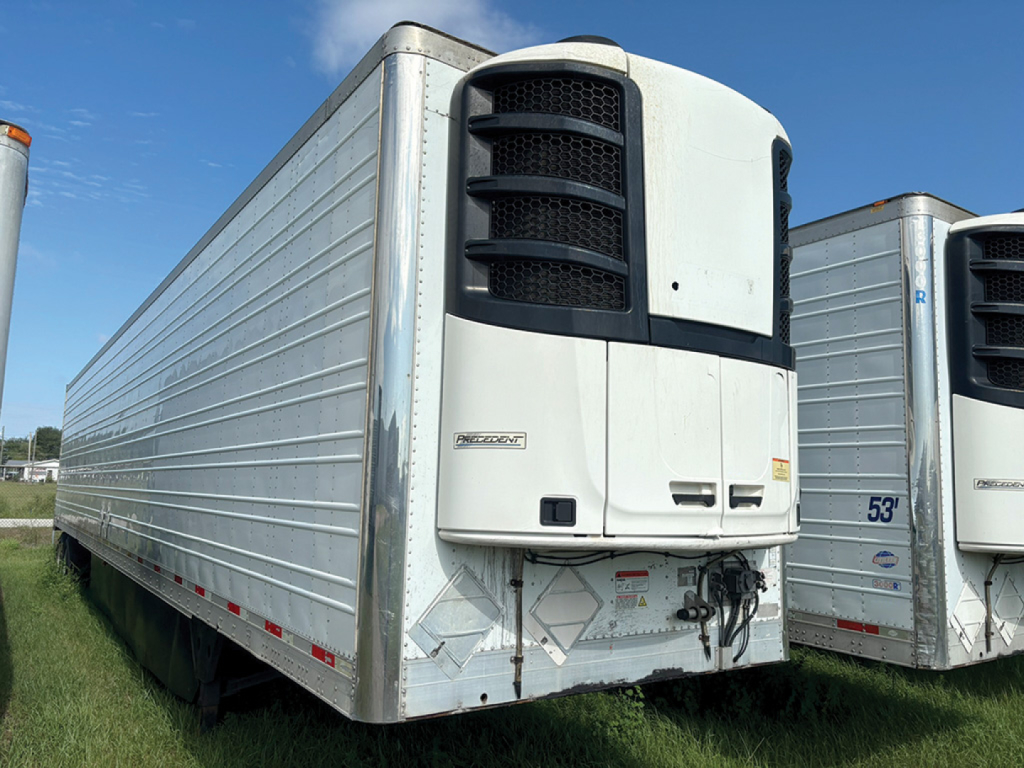
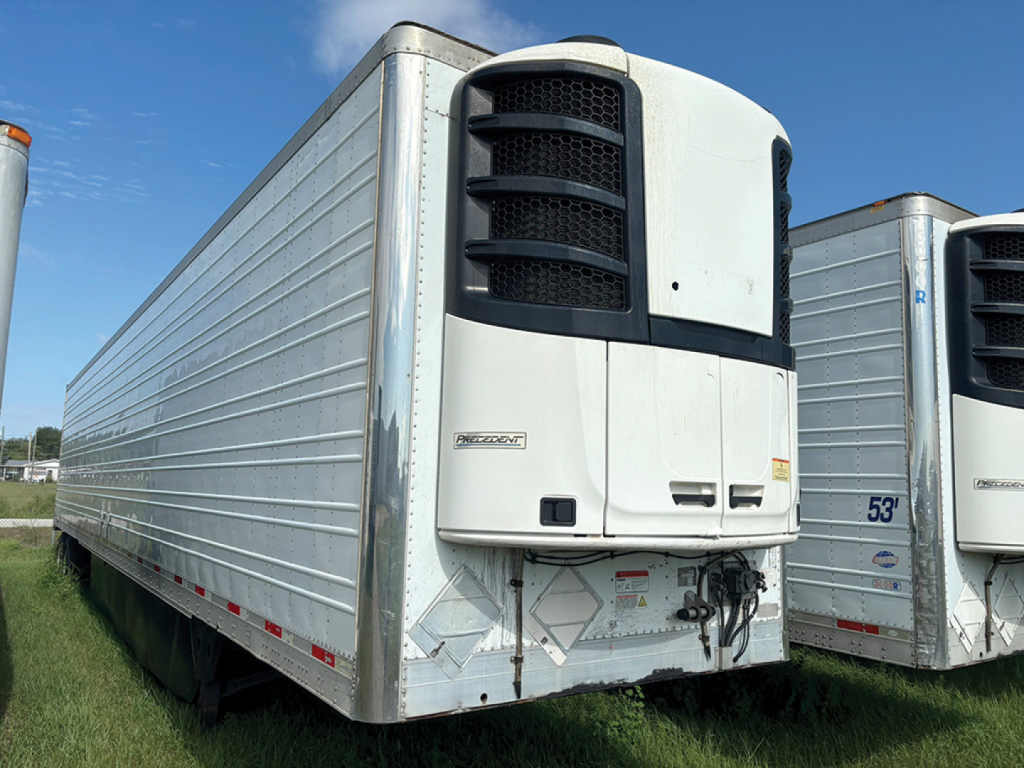
The reefer unit deserves the closest inspection on a 2014 model. Buyers should verify engine hours, run hours, service history, fuel tank condition, evaporator performance, and how quickly the unit pulls down to setpoint. Florida service often means high humidity and heavy runtime, so check the condition of the insulation package, door seals, front wall, chute, and rear frame for signs of air leaks or moisture intrusion. A sound 2014 reefer should maintain temperature without excessive cycling, and the floor should allow proper air return under the load. Heavy-duty aluminum duct floors, scuff liners, stainless front radius panels, and stainless door frames are all features that tend to hold up well in food-grade service.
Trailer spec matters just as much as refrigeration performance. Common dimensions are 53 feet long, 102 inches wide, and 13 feet 6 inches high, but inside height can vary and affects cube, pallet count, and loading flexibility. Sliding tandem position, kingpin setting, and axle spread all influence bridge law compliance and dock handling. Tire inflation systems, side skirts, aluminum wheels, and low-profile 22.5 tires can also affect operating cost and maintenance intervals. Buyers hauling dense frozen freight may prioritize structural condition and floor rating, while produce haulers often focus on airflow, chute condition, and multi-stop door durability.
A used 2014 reefer trailer can still be a productive trailer for regional grocery, distribution, and port-related freight if the box is tight and the unit is healthy. Pay close attention to panel repairs, roof condition, suspension wear, brake type, and any evidence of floor soft spots or corrosion around the rear sill and threshold. In Florida, reefer trailers often see demanding heat cycles, so a pre-purchase inspection should include a loaded or extended temperature test, reefer diagnostic download if available, and a close look at maintenance records. A clean trailer with a well-documented Thermo King or Carrier unit usually brings stronger long-term value than a lower-priced trailer with unknown refrigeration history.
Frequently Asked Questions about Used 2014 Reefer Trailers in Florida
What should I check first on a used 2014 reefer trailer?
Start with the refrigeration unit, box integrity, and floor condition. Confirm reefer engine hours and total run hours, review maintenance records, and make sure the unit can pull down and hold temperature at the setpoint. Then inspect the trailer body for insulation damage, door seal leaks, panel repairs, roof issues, and soft spots in the floor. A reefer trailer with a healthy unit but a leaking box will still create operating problems and higher fuel consumption.
Are 2014 reefer trailers still a good choice for Florida freight?
Yes, if the trailer has been maintained and the refrigeration system is still performing correctly. Florida heat and humidity put extra demand on reefer units, door seals, and insulation, so condition matters more than age alone. A well-kept 2014 reefer can still work effectively in produce, foodservice, grocery, and regional distribution, but it should pass a serious temperature performance inspection before purchase.
What reefer trailer specs matter most for temperature-sensitive loads?
The most important specs are reefer unit brand and capacity, insulation condition, floor design, inside height, and rear door sealing. Duct floors and cold chutes help maintain airflow, especially for produce and mixed loads. Inside height affects cube and pallet flexibility, while features like scuff liners and stainless rear framing can improve durability in heavy loading cycles. Suspension, tandem setup, and kingpin setting also matter for legal weight distribution and route flexibility.
How many hours is too many on a 2014 reefer unit?
There is no single cutoff because service history matters more than hours by themselves. A reefer unit with higher hours and documented preventive maintenance can be a better buy than a lower-hour unit with poor records. Buyers should look at engine hours, unit starts, major component replacements, and diagnostic reports. The real question is whether the unit starts cleanly, holds temperature under load, and has evidence of consistent service.
What is the difference between a dry van and a reefer trailer?
A reefer trailer is an insulated trailer with a self-powered refrigeration unit designed to hold specific cargo temperatures. A dry van does not have active cooling and is used for general freight that does not require temperature control. Reefer trailers usually cost more to buy and maintain because the refrigeration unit, insulation package, duct floor, and door sealing system all need regular service. In return, they can handle frozen, chilled, and other temperature-sensitive freight that a dry van cannot.