
Used 2014 Utility Reefer Trailers For Sale in Florida
Have used 2014 utility reefer trailer to sell? List it here to reach thousands of buyers.
Used 2014 Utility Reefer Trailers in Florida
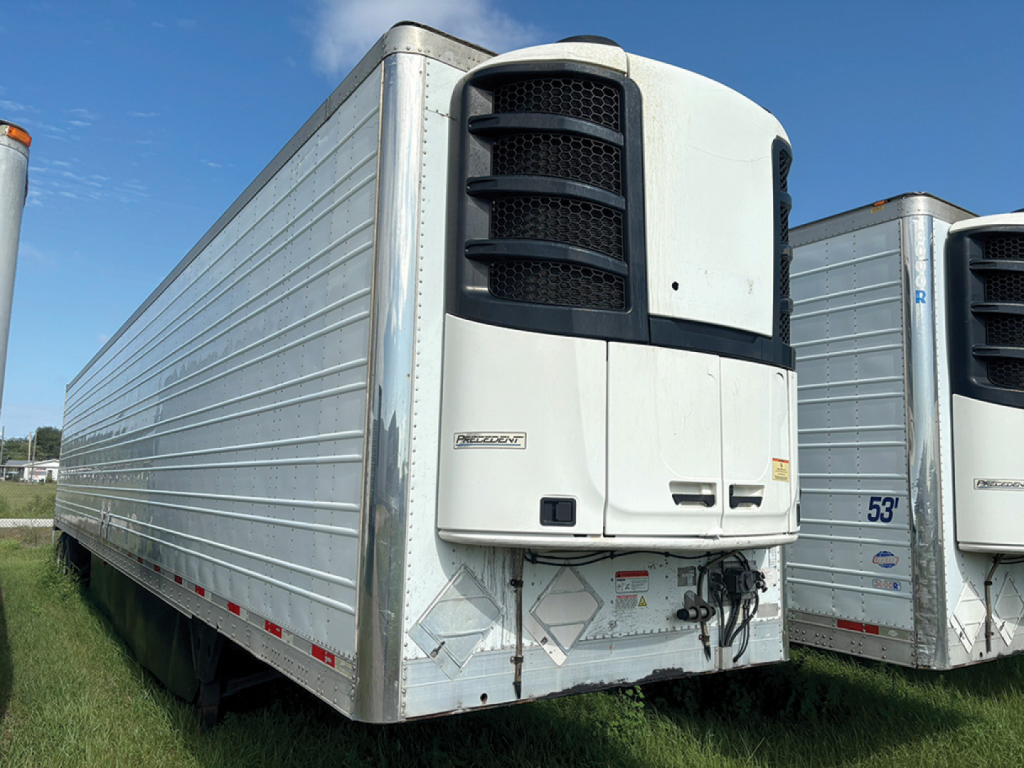
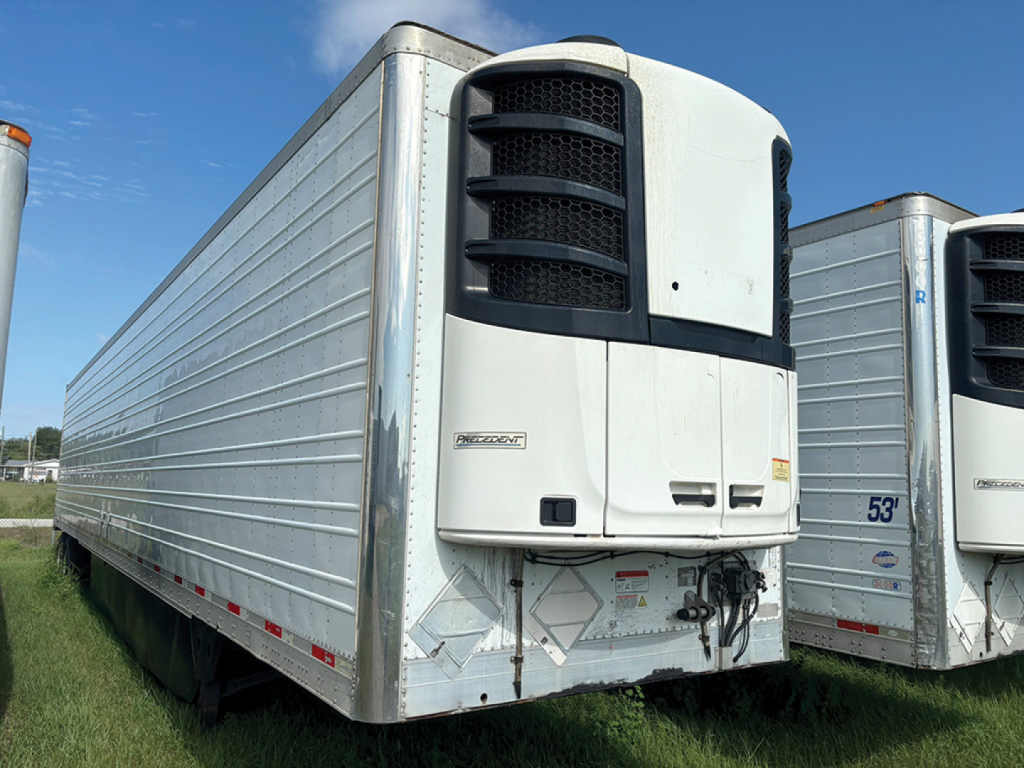
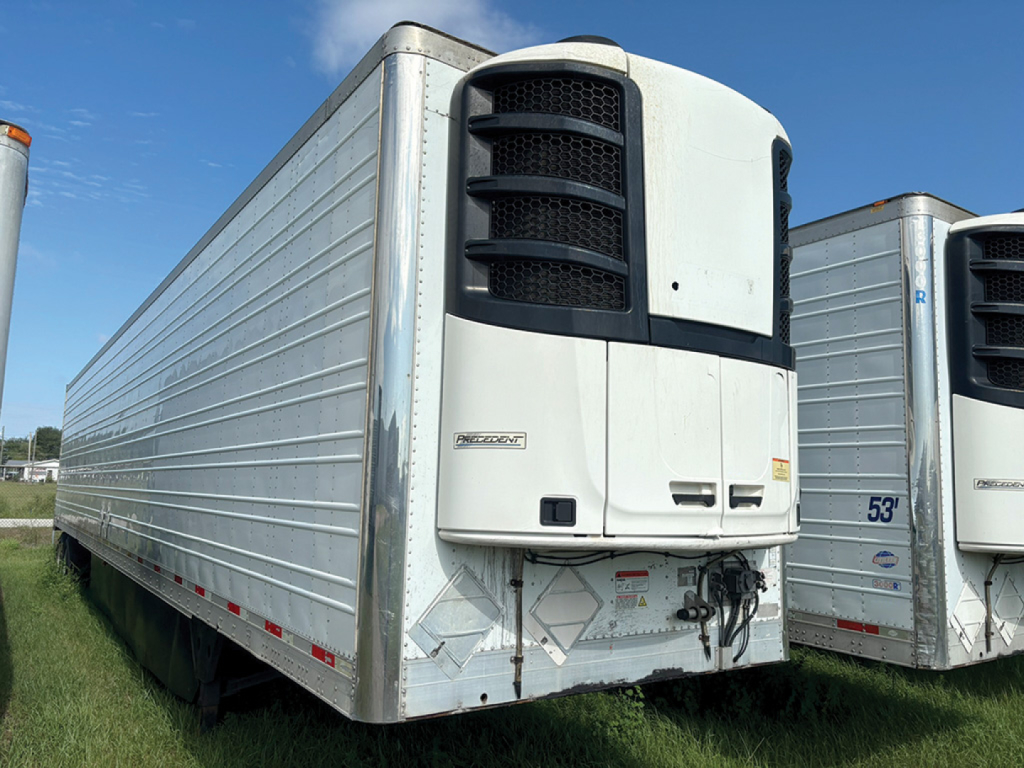
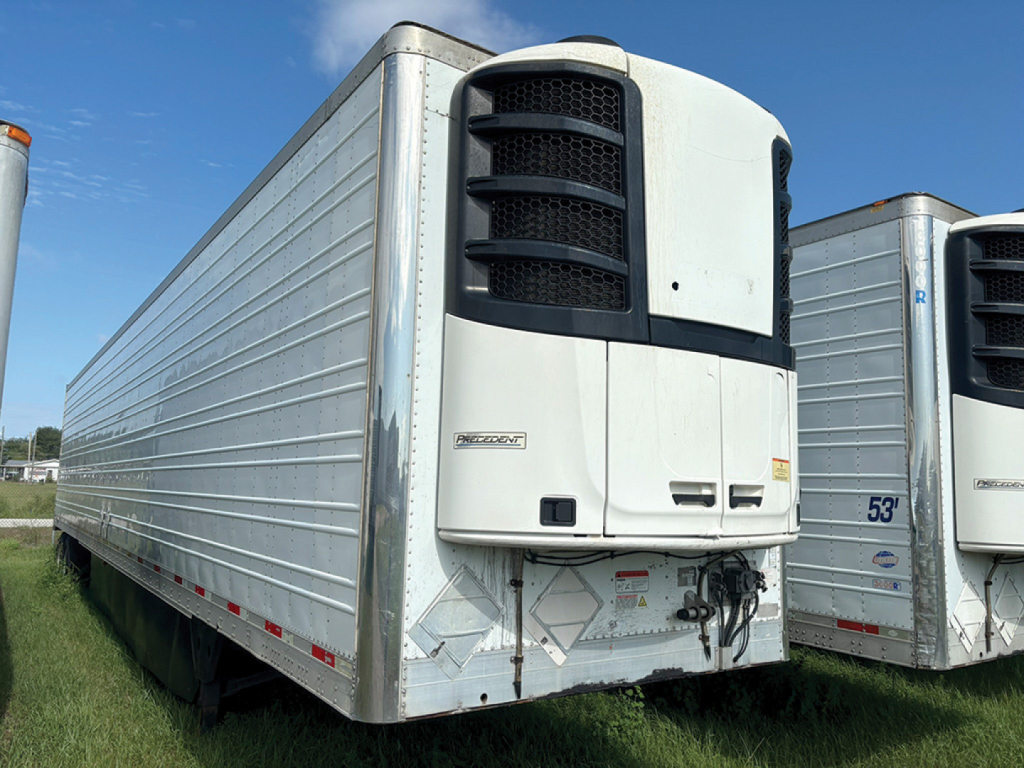
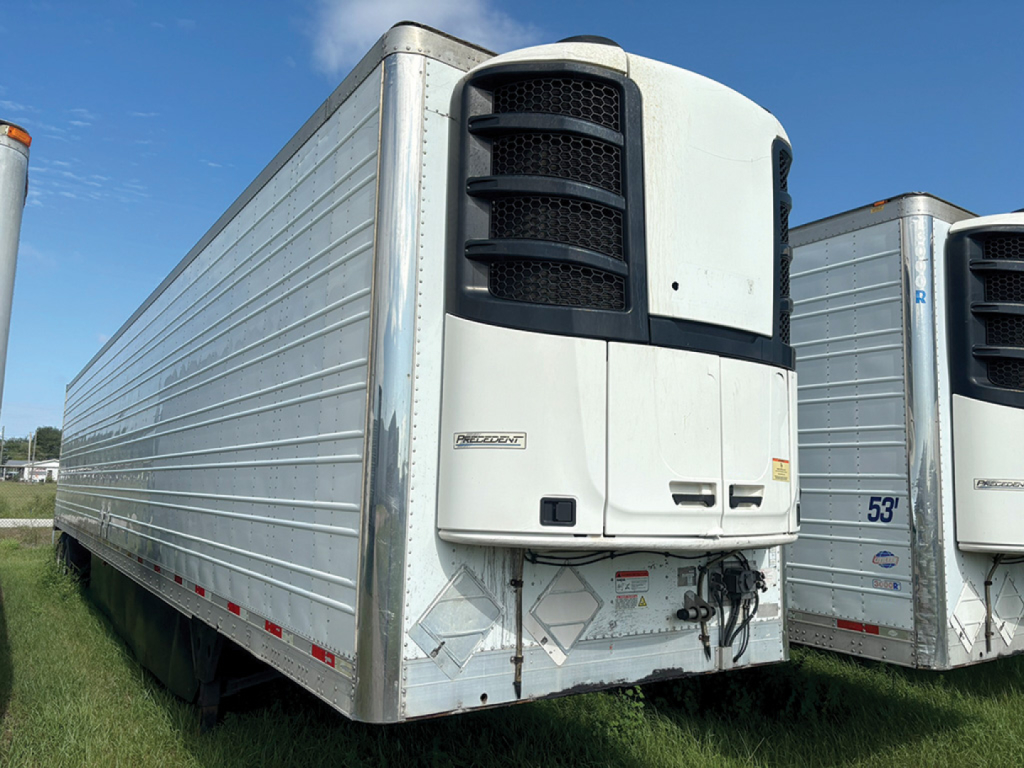
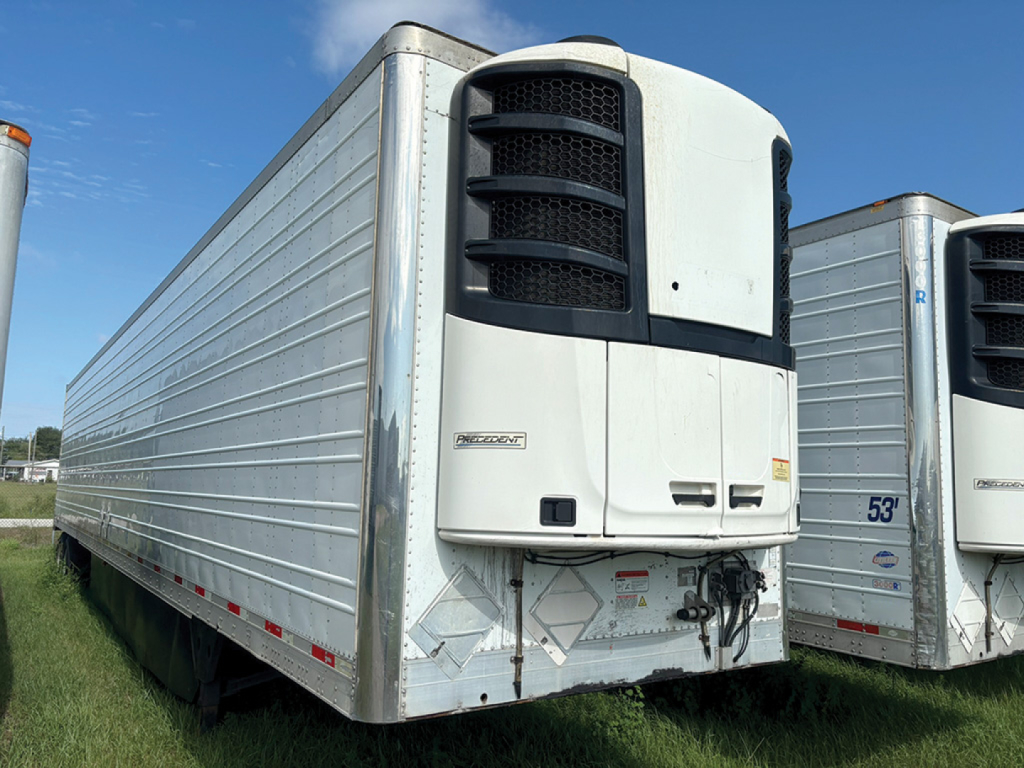
The reefer unit deserves as much attention as the trailer itself. On a 2014 model, common power units may include Thermo King or Carrier systems, and service history matters more than brand decal alone. Buyers should look at engine hours, start-stop performance, temperature pull-down, fuel consumption, alarm history, and whether the unit has had recent major work. Florida operation adds another layer because high ambient temperatures and humidity put steady demand on refrigeration performance, door seals, and insulation integrity. A clean pre-trip should include checking for air leaks at the doors, soft spots in the floor, evaporator condition, chute condition, and any signs of previous interior punctures that could affect temperature retention.
Utility reefers from this era are often spec'd with features that help both freight protection and operating cost. Heavy duty aluminum duct floors are common and matter for proper airflow under palletized product. Scuff liners or scuff plates protect the interior walls from forklift and pallet damage. Stainless steel front radius panels, rear frames, and door frames help resist corrosion and dock wear. Sliding tandems remain important for bridge law compliance and axle spread flexibility, while air ride suspension helps protect sensitive cargo. Tire inflation systems, side skirts, and low-profile 22.5 tires may also appear on fleet-spec trailers and can improve uptime or fuel economy when maintained correctly.
For a buyer comparing several used 2014 Utility reefer trailers for sale, the best unit is usually the one with the strongest maintenance records, clean structural condition, and a reefer unit that has been consistently serviced. Pay close attention to crossmember condition, roof repairs, floor wear from concentrated forklift traffic, swing door alignment, and kingpin area fatigue. If the trailer will run produce or mixed-temp grocery in Florida, confirm that the insulation package, rear vent setup, and air delivery components match the application. A well-kept 2014 Utility reefer can still be a productive trailer for regional distribution, port-related cold chain work, and over-the-road refrigerated service when the box and the refrigeration system are both sound.
Frequently Asked Questions about Used 2014 Utility Reefer Trailers in Florida
What should I inspect first on a used 2014 Utility reefer trailer?
Start with the refrigeration unit, floor, doors, and structural components. Verify reefer hours, service records, fault codes, and temperature performance under load or during a pull-down test. Inspect the aluminum duct floor for crushed sections that can restrict airflow, and check the interior liner, scuff protection, and chute for damage. Then examine the rear frame, roof, crossmembers, suspension, slider assembly, and kingpin area for corrosion, cracks, or hard-use wear.
Are 2014 Utility reefer trailers still a good fit for fleet service in Florida?
Yes, if the trailer has been maintained correctly and the refrigeration unit is still dependable. Florida operations are hard on reefer equipment because of heat, humidity, and frequent stop-and-drop cycles, so condition matters more than age alone. A 2014 Utility reefer with a sound box, tight door seals, good insulation, and a documented service history can still perform well in grocery, produce, frozen, and foodservice applications.
What are common specs on a Utility reefer trailer from this era?
Many Utility reefers from this period are 53 feet long, 102 inches wide, and 13 feet 6 inches tall, with interior heights around 101 to 103 inches. Common features include aluminum construction, heavy duty duct floors, swing rear doors, air ride suspension, sliding tandems, stainless steel rear or door frame components, and 22.5 low-profile tires. Reefer units are often Thermo King or Carrier, depending on original fleet spec and replacement history.
Why does the floor type matter on a refrigerated trailer?
The floor design directly affects airflow and cargo temperature consistency. A heavy duty aluminum duct floor allows cold air to move under the pallets and circulate through the load, which is essential for maintaining setpoint across the trailer. If the floor is crushed, patched poorly, or blocked by debris, airflow suffers and temperature variation becomes more likely, especially on dense grocery or produce loads.
What makes Utility reefer trailers popular on the used market?
Utility reefers have a strong reputation for lightweight aluminum construction, durable trailer bodies, and broad serviceability. Buyers also value the familiarity of the 3000R platform, the availability of replacement parts, and common fleet specifications such as sliding tandems, air ride suspension, and corrosion-resistant trim. That combination makes them attractive for carriers that want a refrigerated trailer that is straightforward to maintain and easy to place into regular service.