
2022 Reefer Trailers For Sale in Colorado
Shop 2022 reefer trailers for sale in Colorado. Compare 53-foot refrigerated trailers, TRU specs, axle setups, insulation, floors, and fuel-saving features.
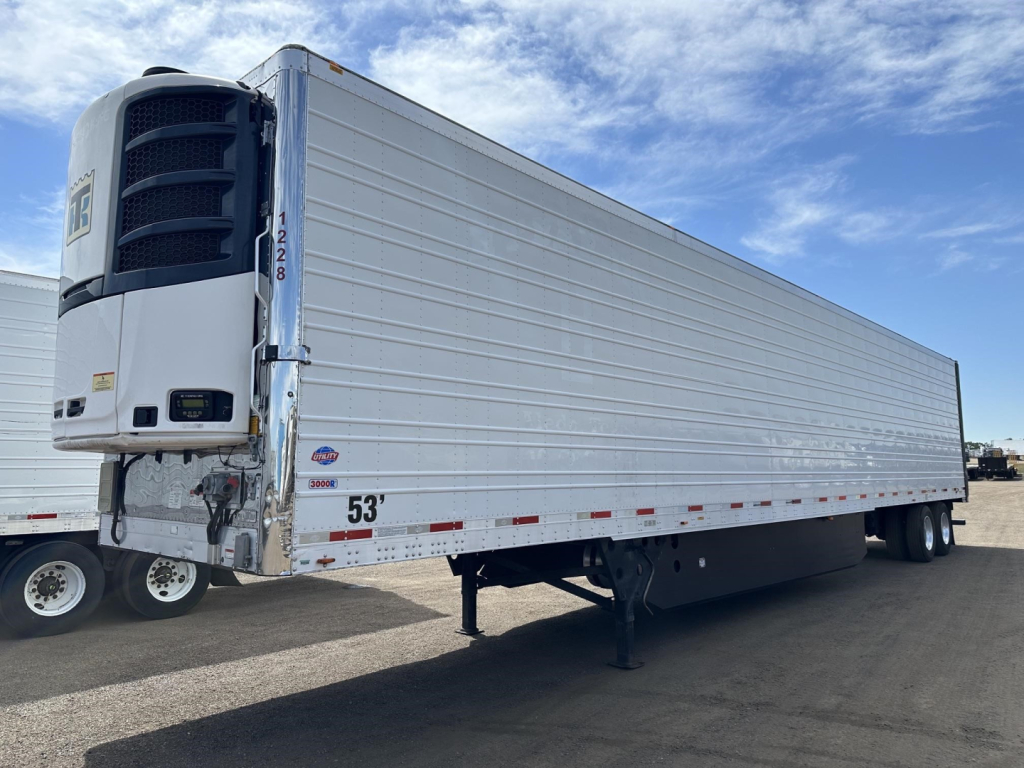
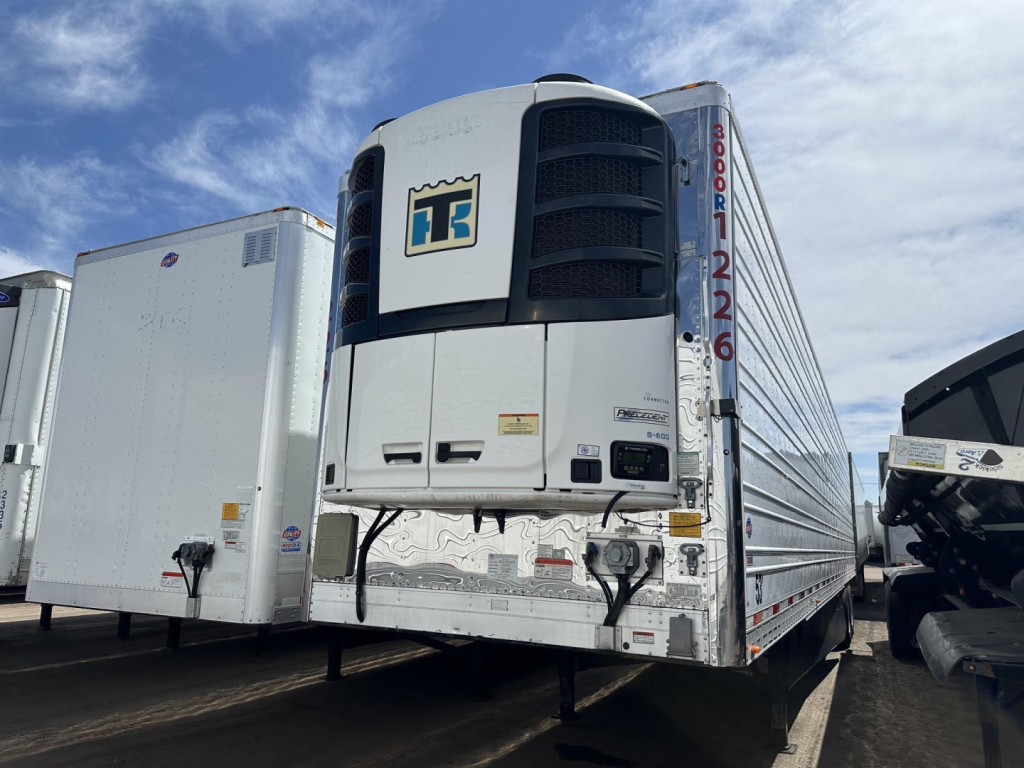
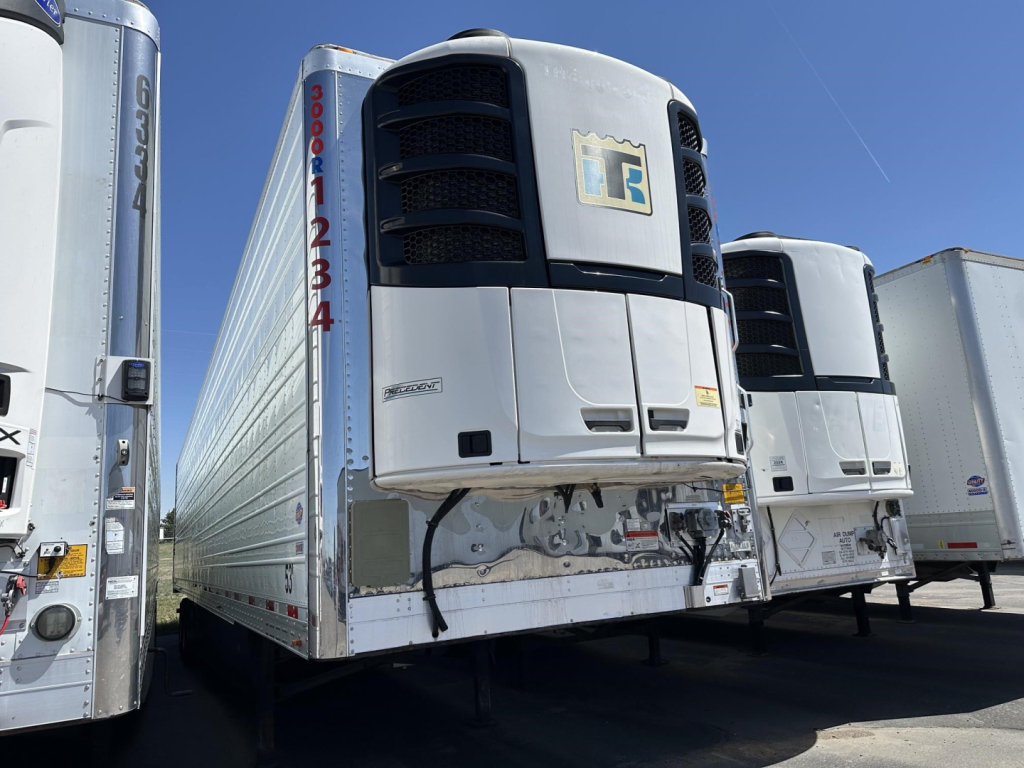
Selling a 2022 reefer trailer? List your 2022 reefer trailer for sale and reach thousands of commercial buyers.
2022 Reefer Trailers in Colorado
Construction details drive long-term operating cost. Many 2022 reefer trailers use aluminum duct floors, scuff liners or scuff plates, stainless front and rear components, quilted stainless swing doors, and aerodynamic packages such as side skirts. Corrugated or smooth side panels both show up in the market, and the better choice depends on repair preference, weight, and appearance standards in your fleet. Tire inflation systems, anti-dock walk devices, air-operated slider pins, LED lighting, and wearbands are common specs that improve uptime and dock durability. Rear vents, cold chutes, and bulkheads also matter if the trailer will handle produce, dairy, frozen freight, or mixed stop distribution.
The refrigeration unit deserves the closest inspection because it determines temperature pull-down, fuel use, noise profile, and service network support. Thermo King and Carrier-based units dominate this segment, with common single-temp setups suited for grocery, foodservice, pharmaceuticals, floral, and other temperature-controlled freight. Buyers should compare not just unit brand and model, but actual hour meter readings, service intervals, defrost performance, telematics capability, shore power options, and hybrid or electric-ready features where available. A well-spec'd 2022 reefer can also include low-profile 22.5 tires, aluminum wheels, disc or drum brakes, and trailer aerodynamics that help reduce total cost per mile.
A strong 2022 reefer trailer should match the freight profile first, then the lane. Regional distribution fleets may prioritize dock-friendly swing doors, durable interiors, and dependable start-stop TRU performance. Long-haul carriers often look harder at fuel economy, side skirts, tire systems, and weight-saving construction. If pallet count, floor rating, kingpin setting, and tandem spread affect customer docks or bridge law exposure, those points should be verified before purchase. Buyers comparing multiple 2022 refrigerated trailers typically get the best result by balancing TRU hours, insulation integrity, door seal condition, suspension spec, and corrosion resistance rather than focusing on age alone.
Frequently Asked Questions about 2022 Reefer Trailers in Colorado
What should I look at first when buying a 2022 reefer trailer?
Start with the refrigeration unit, then move to the trailer body. TRU brand, model, engine hours, service history, and temperature performance matter more than model year alone. After that, inspect the floor type, wall condition, roof integrity, door seals, suspension, tires, brakes, and signs of corrosion or impact damage around the rear frame and front bulkhead. A 2022 trailer can still vary widely in value depending on maintenance and freight history.
Are most 2022 reefer trailers 53 feet long?
Yes. The standard spec in the refrigerated trailer market is typically 53 feet long and 102 inches wide. That size works for high cube palletized freight, grocery distribution, and long-haul temperature-controlled lanes. Buyers should still confirm interior dimensions, floor type, and door opening dimensions because those details affect pallet count, air flow, and loading efficiency.
How important are reefer unit hours on a 2022 trailer?
Reefer unit hours are one of the most important value indicators because they reflect actual usage on the refrigeration system. A 2022 trailer with high TRU hours may still be a good buy if it has documented service and strong performance, while a lower-hour unit with poor maintenance can become expensive quickly. Buyers should compare hours alongside PM records, alarm history, and evidence of consistent temperature control under load.
What features are most useful for Colorado reefer operations?
Colorado buyers often benefit from strong insulation, reliable pull-down performance, air ride suspension, and a refrigeration unit with a broad service network. Altitude, mountain grades, and large day-to-night temperature swings can stress both the trailer and the TRU. Side skirts, tire inflation systems, LED lighting, and durable rear door hardware also help on mixed regional and interstate lanes where fuel economy and uptime both matter.
Is a California-legal reefer unit worth paying more for?
It can be, especially for carriers running western states or selling later into markets that demand CARB-compliant equipment. A California-legal unit broadens lane flexibility and can improve resale appeal. Even if current freight does not enter California, compliance can still matter if the trailer may be reassigned, leased out, or sold into fleets with stricter emissions requirements.