
2019 Reefer Trailers For Sale
Shop 2019 reefer trailers with 53-foot specs, air ride, sliding tandems, and Carrier or Thermo King units for cold-chain freight.

Selling a 2019 reefer trailer? List your 2019 reefer trailer for sale and reach thousands of commercial buyers.
2019 Reefer Trailers
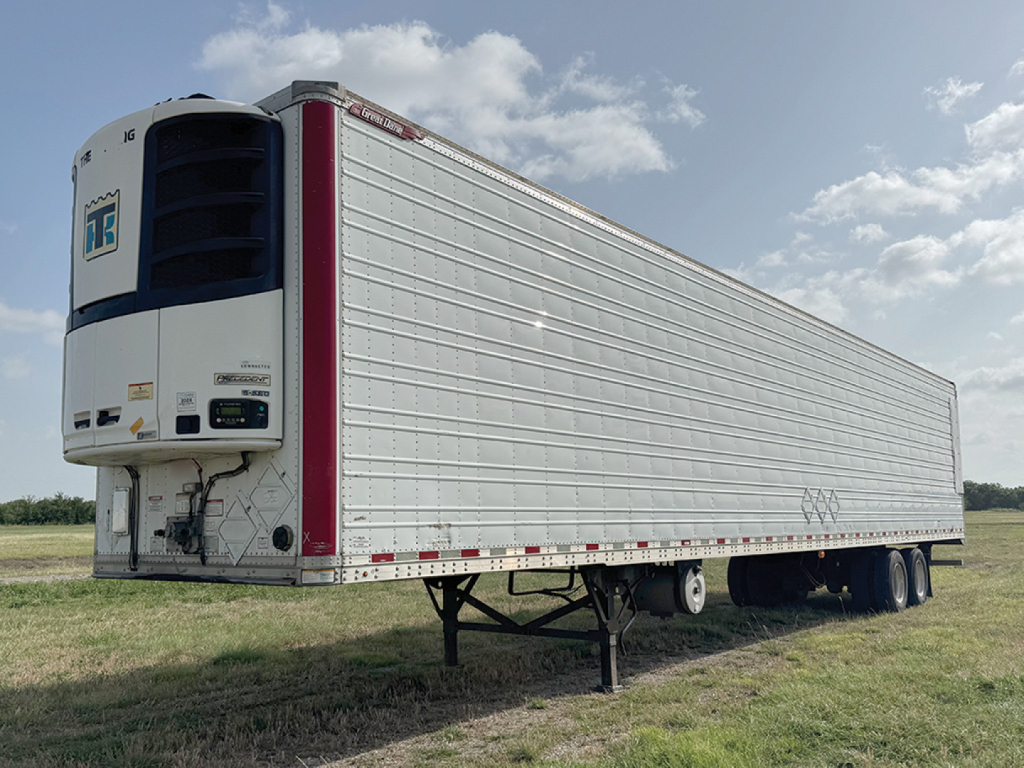
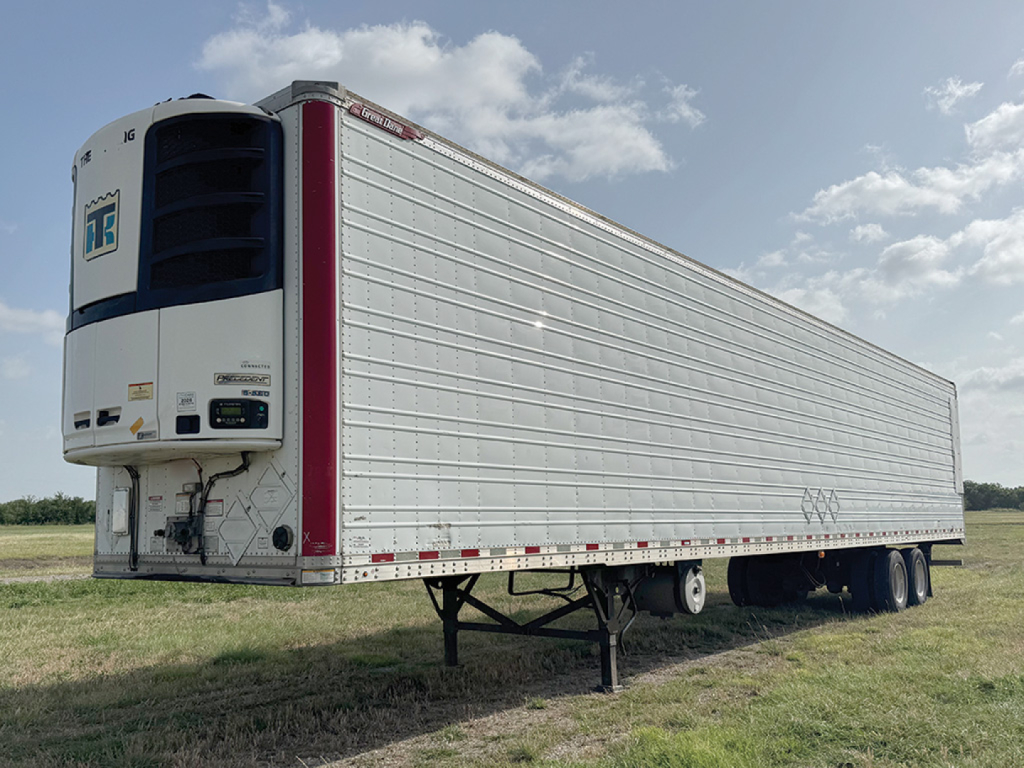
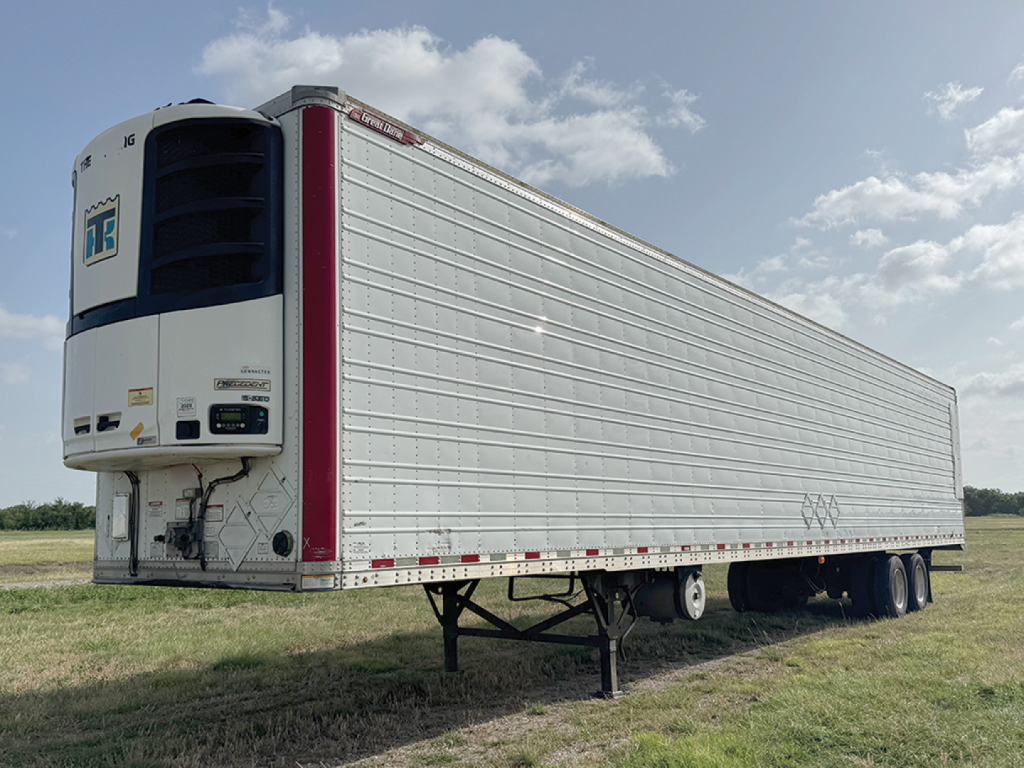
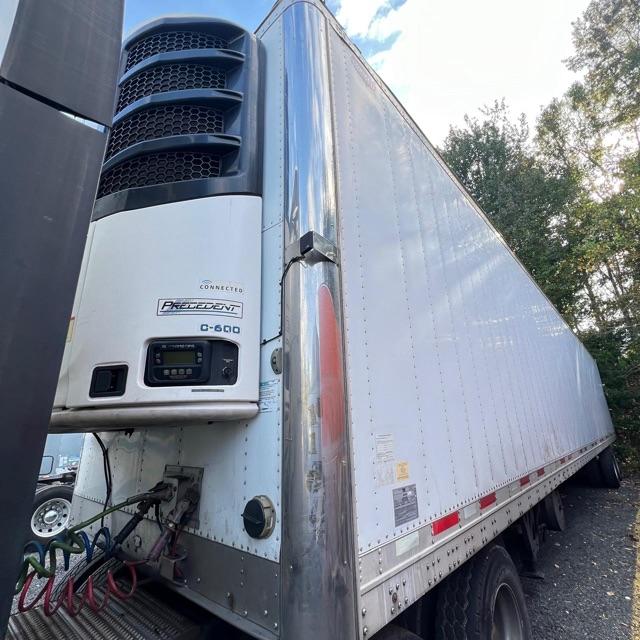
The refrigeration unit matters as much as the trailer body. On 2019 reefer trailers, common specs include multi-temp capable units, fuel tanks around 50 gallons, air chutes, and return bulkheads that help maintain even temperature from nose to rear doors. Buyers hauling produce, frozen foods, dairy, meat, pharmaceuticals, or other temperature-sensitive freight should pay close attention to unit hours, service records, pull-down performance, and whether the trailer has the insulation package and airflow setup needed for the freight mix. A clean interior with intact lining, good scuff protection, and a floor that is not crushed or patched excessively will usually tell you a lot about how the trailer was used.
Body and running gear specs also separate one 2019 reefer from another. Features commonly found in this category include stainless steel swing doors, scuff liners or scuff plates, rear vents, side skirts, low-profile 22.5 tires, and tire inflation systems such as MTIS with ThermALERT. Suspension brand, slider setting, kingpin setting, and wheel type all affect compatibility with your tractors and loading patterns. Door opening height, inside width, and inside height matter if you are cube-sensitive or loading high-count pallets. Buyers working dense regional freight may prioritize dock durability and easy maneuverability, while long-haul refrigerated carriers often focus on aerodynamics, fuel efficiency, and refrigeration uptime.
A 2019 model year reefer trailer often sits in a useful middle ground. It is new enough to offer current design features and emissions-era refrigeration technology, but old enough to give buyers more options on price point and spec. The best choice depends on lane length, commodity type, maintenance standards, and shipper requirements. If a trailer will see strict food-grade service, look closely at interior condition, drain and vent setup, door seal integrity, and signs of prior moisture intrusion. If it will run mixed freight, durability items like dock plates, stainless rear structure, crossmember spacing, and floor condition become especially important.
Frequently Asked Questions about 2019 Reefer Trailers
What are the most common specs on a 2019 reefer trailer?
Most 2019 reefer trailers on the market are 53 feet long, 102 inches wide, and 13 feet 6 inches tall, with tandem axles, air ride suspension, and a sliding tandem setup. Common equipment includes a Carrier or Thermo King refrigeration unit, aluminum duct floor, swing rear doors, stainless steel rear frame components, and 22.5 low-profile tires. Many also include an air chute, return bulkhead, side skirts, and a tire inflation system.
What should I inspect first on a used 2019 reefer trailer?
Start with the refrigeration unit hours, maintenance history, and operating condition, because unit repairs can be expensive and directly affect revenue. Then inspect the floor for crushed channels or patches, check the interior liner and scuff areas for damage, verify the door seals and rear frame condition, and look for signs of water intrusion or insulation damage. Suspension wear, slider operation, tire condition, and ABS or lighting faults should also be reviewed before purchase.
Is a 2019 reefer trailer a good year model for fleet use?
Yes, 2019 is often a practical year model for fleet buyers because it is modern enough to include current construction features and widely supported refrigeration platforms, while still offering a lower acquisition cost than newer trailers. Many 2019 units are well suited for foodservice, grocery, produce, and frozen freight if they have been maintained correctly. The real value depends less on the model year and more on unit hours, body condition, and maintenance documentation.
Which is more important on a reefer trailer, the trailer body or the refrigeration unit?
Both matter, but the refrigeration unit usually drives the most immediate operating risk because it directly affects temperature control and load acceptance. A strong trailer body with poor insulation, damaged flooring, or leaking doors will still cause performance problems, so buyers should evaluate the complete thermal package. The best reefer trailer is one where the unit, insulation, airflow components, and door integrity all work together to hold temperature consistently.
What freight is a 2019 reefer trailer commonly used for?
A 2019 reefer trailer is commonly used for refrigerated and frozen food, produce, dairy, meat, beverages, floral products, and some pharmaceutical or temperature-sensitive freight. It can also haul dry freight when market conditions require it, although the insulated body and reefer unit add weight and maintenance compared with a dry van. Buyers should match the trailer spec to the freight, especially if the operation requires frequent multi-stop delivery, strict temperature set points, or heavy palletized loads.