
2011 Reefer Trailers For Sale
Shop 2011 reefer trailers for sale. Compare 53-foot refrigerated trailers, reefer units, insulation, floors, doors, and tandem specs.
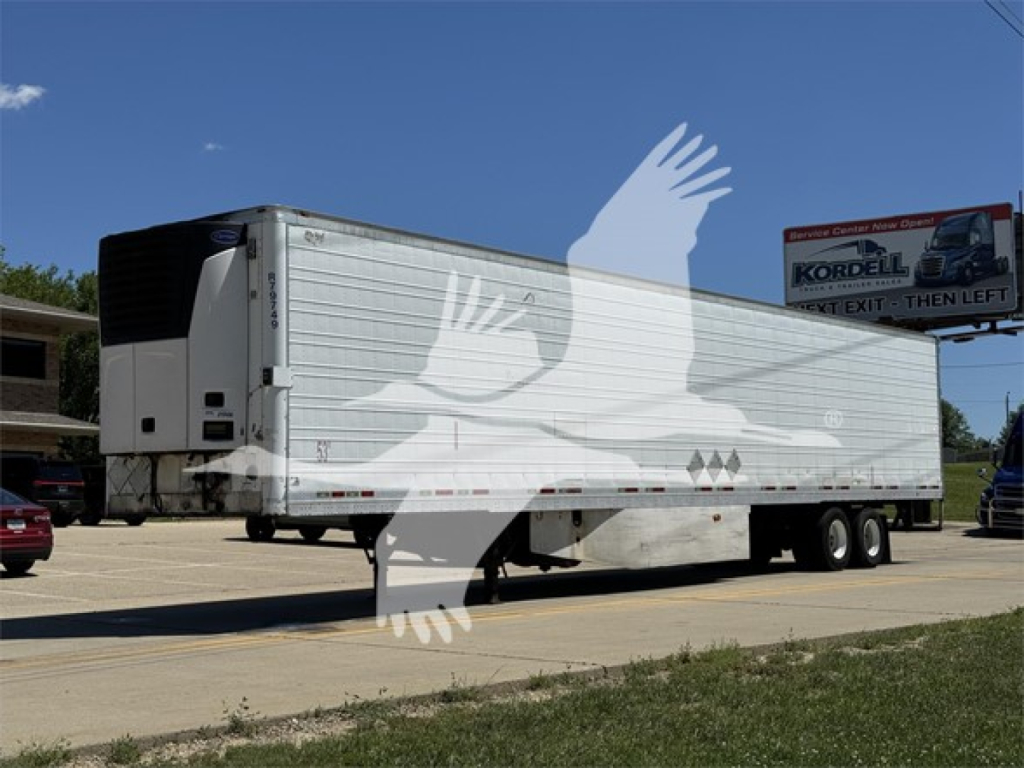

Selling a 2011 reefer trailer? List your 2011 reefer trailer for sale and reach thousands of commercial buyers.
2011 Reefer Trailers
Most 2011 reefer trailers were built for grocery, produce, frozen food, dairy, meat, and other temperature-controlled freight. Common trailer makes in this class include Utility, Great Dane, Hyundai, Wabash, and Vanguard, often paired with Carrier or Thermo King units. Buyers should confirm whether the trailer is set up for single-temp or multi-temp service, and whether it has features like a bulkhead track, chute, scuff liners, E-track, tire inflation system, side skirts, and air ride suspension. Interior height, door opening dimensions, and floor design matter more than many buyers expect, especially if the trailer will handle dense palletized freight, hand unload routes, or mixed-temp freight.
On a used 2011 reefer, structural and thermal condition matter as much as the engine hours on the unit. Check the front wall, roof seams, evaporator mounting area, and rear frame for repairs or corrosion. Look closely at the floor for grooves worn shallow by forklift traffic, soft spots, or patched sections that can affect airflow and sanitation. Refrigerated trailers depend on tight seals and consistent air circulation, so worn rear door gaskets, damaged interior liners, missing chute sections, or crushed scuff plates can reduce temperature control and increase fuel burn. Suspension type, brake spec, wheel setup, and tandem slider operation also affect day-to-day cost and lane flexibility.
For many fleets and owner-operators, a 2011 reefer trailer makes sense when the purchase price leaves room for preventive work. A clean pre-trip inspection, current reefer unit PM records, recent unit rebuild history if applicable, and a successful temperature pull-down test are more valuable than cosmetic appearance alone. If the trailer will run produce or frozen lanes, confirm the refrigeration unit can hold setpoint under load and that the body still has strong insulation performance. Buyers comparing 2011 reefer trailers for sale should focus on total operating condition, not just model name or low upfront cost.
Frequently Asked Questions about 2011 Reefer Trailers
What should I inspect first on a 2011 reefer trailer?
Start with the refrigeration unit hours, service records, and a temperature pull-down test. Then inspect the trailer body for roof leaks, front wall repairs, floor wear, rear door seal condition, and any signs of moisture intrusion in the insulation. On an older reefer trailer, thermal integrity and unit performance usually matter more than appearance.
Are 2011 reefer trailers usually 53 feet long?
Yes. Most reefer trailers in this age group are 53 feet long, 102 inches wide, and built to a 13-foot 6-inch overall height, although exact interior height and door opening dimensions vary by manufacturer and floor design. Buyers should verify inside height, door clearance, and tandem configuration because those details affect payload, loading efficiency, and bridge law flexibility.
What reefer unit brands are common on 2011 refrigerated trailers?
Carrier and Thermo King are the most common refrigeration unit brands found on 2011 reefer trailers. Both have broad parts and service support, but condition is more important than brand alone. Unit hours, maintenance history, alarm history, and the result of a current inspection tell more about remaining value than the decal on the nose.
What is the difference between single-temp and multi-temp reefer trailers?
A single-temp reefer trailer is designed to carry one setpoint throughout the cargo area. A multi-temp reefer trailer uses compartments, bulkheads, and a different airflow setup to haul freight at more than one temperature. Buyers handling mixed grocery or foodservice routes may need multi-temp capability, while many long-haul frozen or produce operations can stay with a single-temp setup.
How do I know if a used 2011 reefer trailer is still a good value?
A good value is based on total cost to put the trailer to work. Compare the purchase price against likely needs such as reefer PM, tires, brakes, door seal replacement, floor repair, and suspension work. A higher-priced trailer with solid insulation, a healthy unit, and documented maintenance can be a better buy than a cheaper trailer that needs immediate refrigeration or structural repairs.