
2008 Reefer Trailers For Sale in Texas
Browse 2008 reefer trailers for sale in Texas. Compare lengths, reefer units, floors, doors, suspension, and insulation specs.
Learn more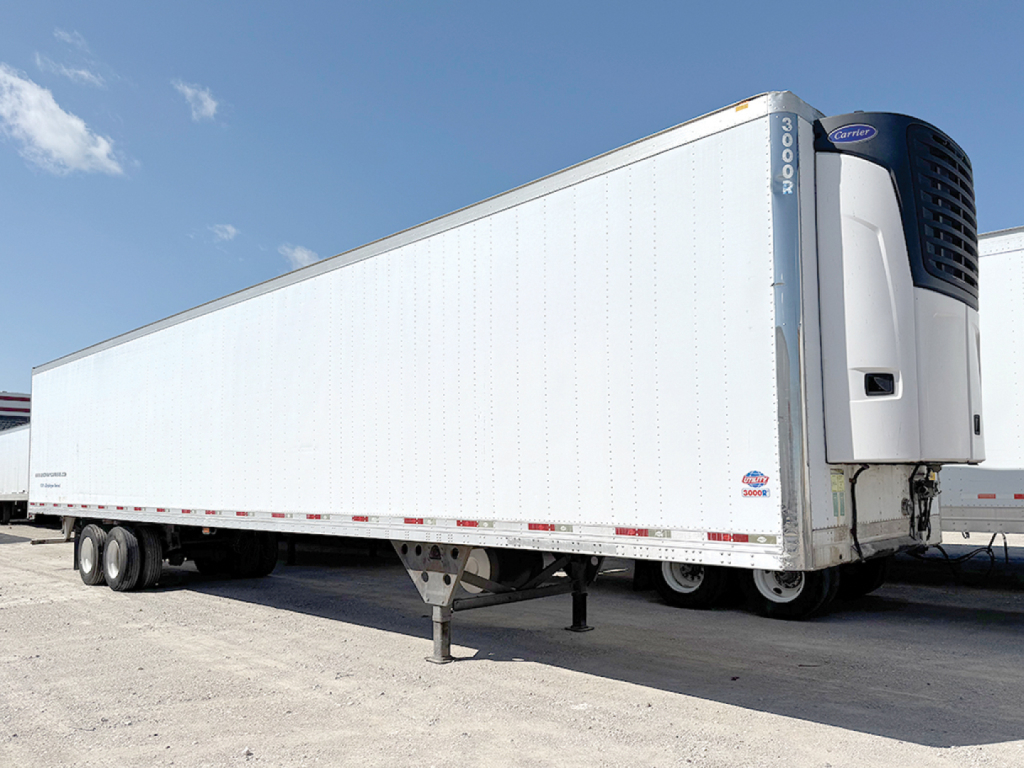
Have 2008 reefer trailer to sell? List it here to reach thousands of buyers.
About 2008 Reefer Trailers in Texas
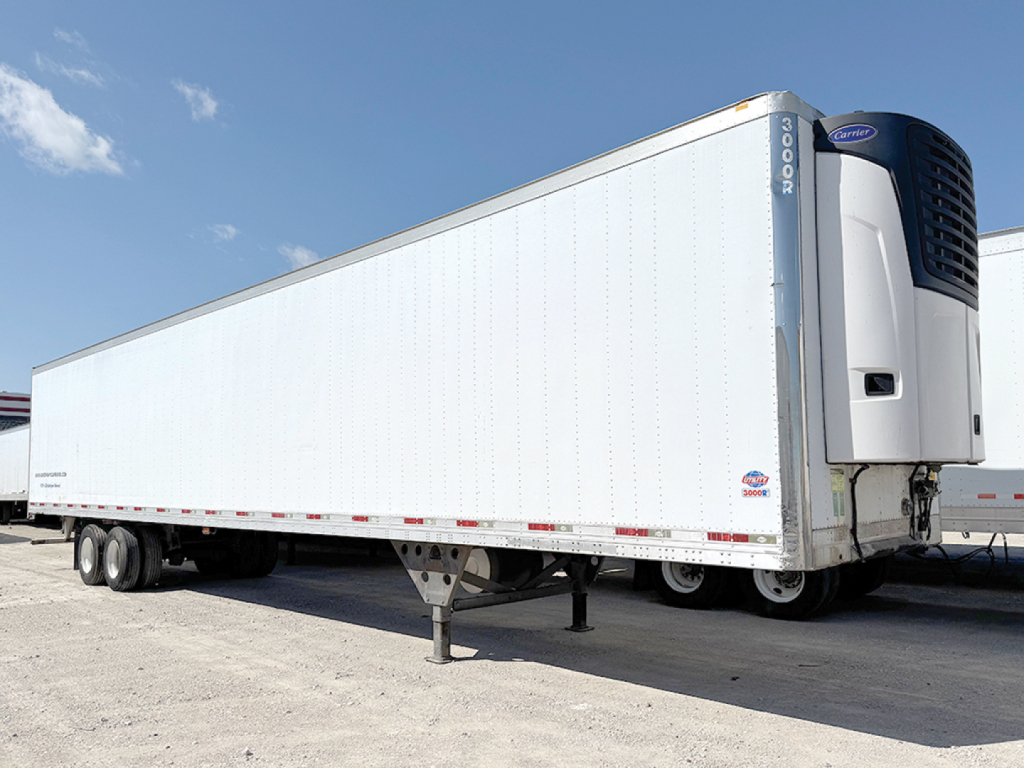
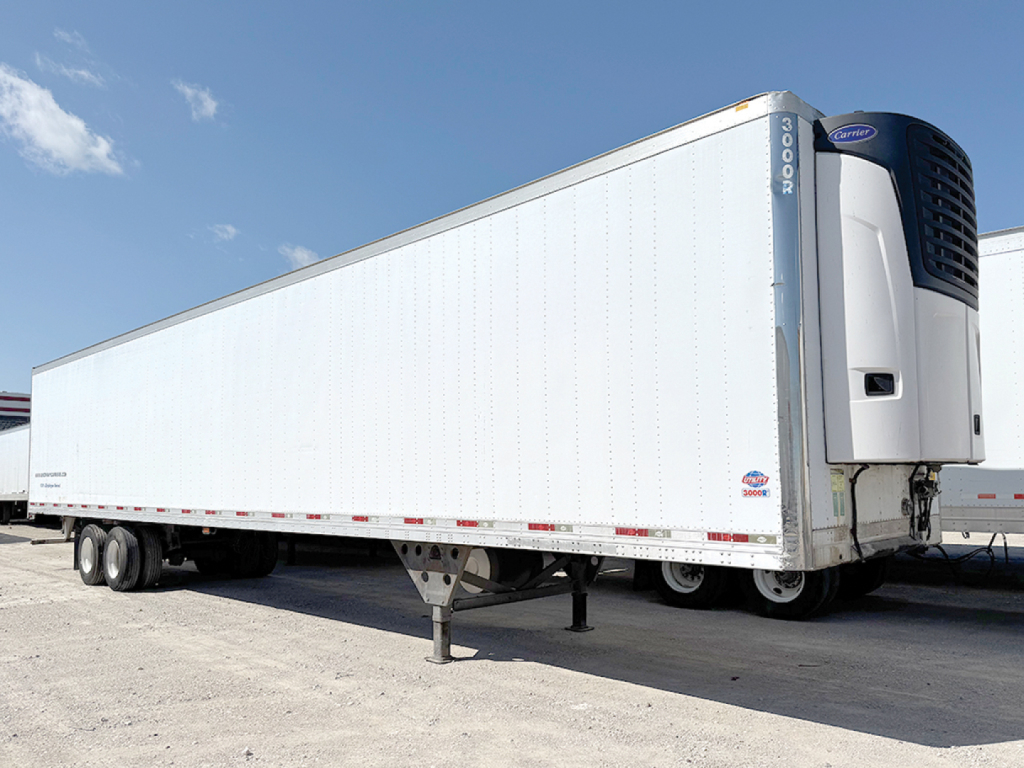
The reefer unit matters as much as the trailer body. On a 2008 model, buyers should verify engine hours, electric standby if equipped, recent service history, pull-down performance, return-air temperature accuracy, and whether the unit can hold setpoint under summer load. Thermo King and Carrier units are the most common in this class, and parts support can be a major factor in long-term operating cost. Interior configuration is equally important. Duct floors help airflow under pallets, while a cold chute or air delivery chute helps move air evenly through the box. Scuff liners, scuff plate, E-track, logistics posts, and stainless door frames are all worth checking because they affect durability and loading flexibility.
Trailer condition on a 2008 reefer should be evaluated beyond cosmetic appearance. Floor delamination, wall damage, roof repairs, rotten rear frames, and daylight around door gaskets can turn an inexpensive trailer into a costly one. Buyers should also inspect crossmembers, landing gear, suspension components, brake system condition, tire size and age, wheel-end service records, and tandem slide operation. Texas operators often pay attention to reefer fuel tank condition, tire wear in high-heat service, and how well the trailer performs after long idle periods. If the trailer will be used for food-grade hauling, look closely at interior cleanliness, odors, patchwork repairs, and the condition of drains, bulkheads, and washout surfaces.
A 2008 refrigerated trailer often makes sense for regional distribution, cold storage support, seasonal produce work, and stationary storage where a buyer wants lower acquisition cost than a late-model unit. It can also fit fleets that need a backup temperature-controlled trailer or a dedicated lane trailer with known maintenance history. The best buying decision usually comes down to matching the trailer’s actual condition to the job: frozen freight may demand tighter insulation and stronger unit performance, while cooler or short-haul produce service may allow more flexibility. For most buyers, the key specs are trailer length, inside height, floor type, door configuration, suspension, tandem setting, and the documented health of the reefer unit.
Frequently Asked Questions
What should I inspect first on a 2008 reefer trailer?
Start with the refrigeration unit, the insulated box, and the rear doors. Confirm the reefer starts cleanly, reaches set temperature, and maintains that temperature under load conditions. Then inspect the floor for soft spots or damage, check walls and ceiling for punctures or delamination, and make sure door seals are tight with no daylight showing. A trailer of this age can still be useful, but the expensive problems are usually in the unit, insulation package, and structural areas rather than in cosmetic wear.
Is a 2008 reefer trailer too old for over-the-road refrigerated freight?
Not necessarily. A 2008 reefer trailer can still be viable for over-the-road or regional refrigerated service if the unit has solid maintenance records and the box remains structurally sound and well insulated. Age alone is less important than reefer hours, service history, floor condition, suspension health, and how well the trailer holds temperature. Some buyers use this age group successfully for produce, dairy, and frozen lanes, while others prefer it for short-haul or backup use to reduce risk.
What reefer trailer features matter most in Texas?
Texas buyers usually prioritize cooling performance in high ambient temperatures, door seal condition, insulation integrity, and airflow features such as duct floors and cold chutes. Reefer fuel system condition, recent unit service, and tire health also matter because heat and long highway miles can expose weaknesses quickly. For multi-stop distribution, air ride suspension, sliding tandems, and durable scuff protection are also important because they improve cargo protection and day-to-day trailer usability.
What is the difference between a duct floor and a flat floor in a reefer trailer?
A duct floor is designed to allow air to circulate under the freight, which helps the reefer unit maintain more even temperature throughout the trailer. That is especially important for dense palletized loads and frozen or tightly controlled cargo. A flat floor may be simpler for some loading patterns, but it generally does less to support consistent airflow. Buyers should match the floor design to the freight profile, because poor airflow can create hot spots even when the refrigeration unit is working properly.
Are 48-foot and 53-foot reefer trailers both common in this age group?
Yes. In the used market, both 48-foot and 53-foot refrigerated trailers appear regularly in older model years. A 53-foot reefer is the more common choice for full-capacity over-the-road freight, while a 48-foot trailer can still fit certain regional, dock, or fleet requirements. The right choice depends on customer freight, route restrictions, axle spacing needs, and how much cube capacity is required for the loads being hauled.