
2008 Reefer Trailers For Sale
Shop 2008 reefer trailers for sale. Compare 53-foot refrigerated trailers by unit hours, floor type, insulation, suspension, and multi-temp setup.
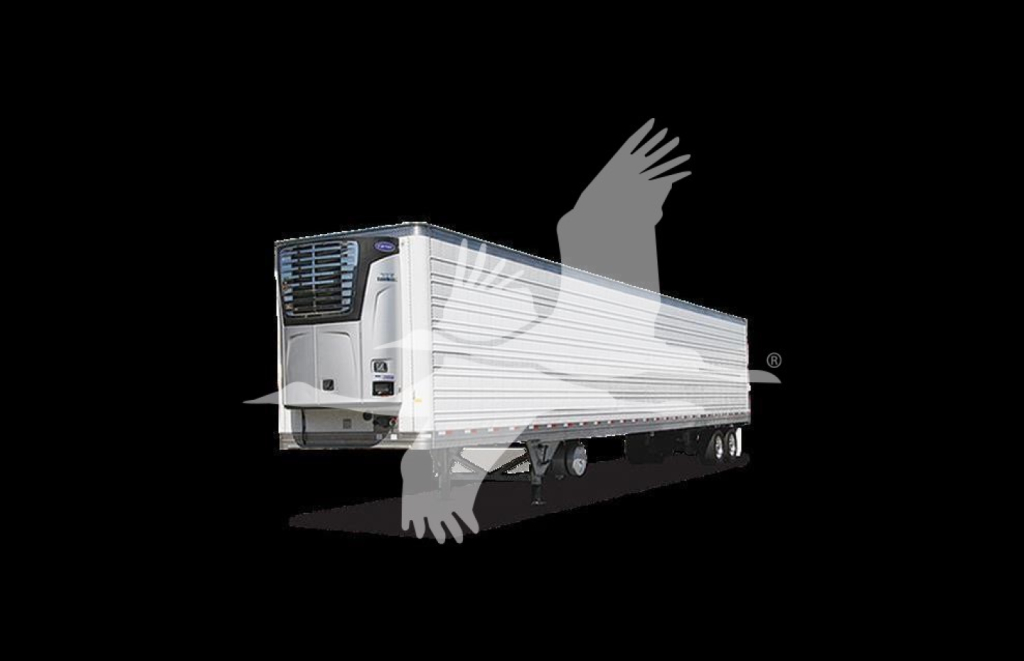

Looking for the easiest place to sell your 2008 reefer trailer? List it here to reach thousands of buyers.
2008 Reefer Trailers
The refrigeration package is the first major decision point. Many 2008 reefer trailers were built with Thermo King or Carrier units, and condition matters far more than badge. Look at engine hours, electric standby if equipped, fuel tank condition, controller operation, evaporator performance, and how quickly the box pulls down and holds setpoint. If the trailer will handle produce, dairy, frozen food, pharmaceuticals, or mixed temperature freight, pay close attention to insulation performance, chute condition, return air flow, and any signs of moisture intrusion in the walls or roof. A multi-temp reefer with bulkheads and additional evaporators can open up more lanes, but it also adds complexity and maintenance cost.
Trailer construction details matter because they directly affect lifecycle cost and loading efficiency. Common specs in this category include aluminum duct floors, flat floors, scuff liners or scuff plates, stainless front corners, stainless rear frames, and quilted stainless swing doors. Buyers should inspect floor channels for crushing or corrosion, check the rear frame and threshold for forklift damage, and verify the tandem slider and suspension components move freely and lock correctly. Side skirts, tire inflation systems, and low-profile 22.5 tires may appear on later-updated units, but on a 2008 trailer the core concerns are still body integrity, cargo protection, and whether the trailer can stay in temperature under real operating conditions.
Application should guide the spec. Long-haul grocery and frozen freight usually favor a standard 53-foot single-temp reefer with a duct floor and chute for even air circulation. Local and regional foodservice may put more value on roll doors, liftgate compatibility, or a floor that stands up to frequent pallet jack and forklift traffic. West Coast and CARB-related compliance should also be reviewed carefully because older reefer units may have operating restrictions or require unit replacement depending on current emissions rules. A well-kept 2008 reefer trailer can still serve in dedicated lanes, warehouse shuttle work, or seasonal cold-chain demand, but buyers should evaluate it as a refrigeration system and trailer body together, not as a dry van with a cooler on the nose.
Frequently Asked Questions about 2008 Reefer Trailers
What should I check first on a 2008 reefer trailer?
Start with the refrigeration unit hours, maintenance records, and a live operational test. Confirm the unit starts cleanly, pulls down to set temperature, cycles correctly, and holds temperature without excessive run time. After that, inspect the trailer body for insulation issues, water intrusion, floor damage, rear frame wear, and door seal condition. On an older reefer, the difference between a dependable trailer and a money pit is usually found in maintenance history and structural condition.
Are 2008 reefer trailers usually 53 feet long?
Yes. Most 2008 reefer trailers on the used market are 53-foot by 102-inch trailers with a 13-foot 6-inch overall height, although exact inside height and floor design can vary by manufacturer and build spec. Air ride suspension, sliding tandems, and swing doors are common. Some trailers were built for specialized use with multi-temp systems, roll doors, or extra interior logistics equipment such as E-track and additional evaporators.
How important are reefer unit hours on a used refrigerated trailer?
Reefer unit hours are one of the most important indicators of wear because they reflect real operating time on the refrigeration engine and major components. High hours are not automatically a deal breaker if the unit has documented maintenance, recent major repairs, and strong performance under load. Low hours alone do not guarantee value if the trailer has sat unused, has poor service history, or shows signs of deferred maintenance. Hours should be considered alongside service records, pull-down performance, and compliance status.
Can a 2008 reefer trailer still be used for food-grade freight?
It can, if the trailer meets the shipper's standards and remains structurally and mechanically sound. Buyers should verify the interior is clean, the floor is intact, scuff liners are serviceable, doors seal properly, and the unit maintains temperature consistently. Some food shippers and brokers also require specific maintenance documentation, trailer age standards, or reefer unit compliance records, so the intended freight base should be matched against the trailer's actual condition and certifications.
What is the difference between single-temp and multi-temp reefer trailers?
A single-temp reefer trailer cools the entire box to one set temperature, making it the simpler and more common setup for frozen or uniform refrigerated freight. A multi-temp reefer uses bulkheads and additional evaporators to create separate zones for different products in the same load. Multi-temp trailers offer more flexibility for foodservice and route delivery, but they are heavier, more complex, and typically cost more to maintain because of the added components and controls.