
Ravens Trailers For Sale
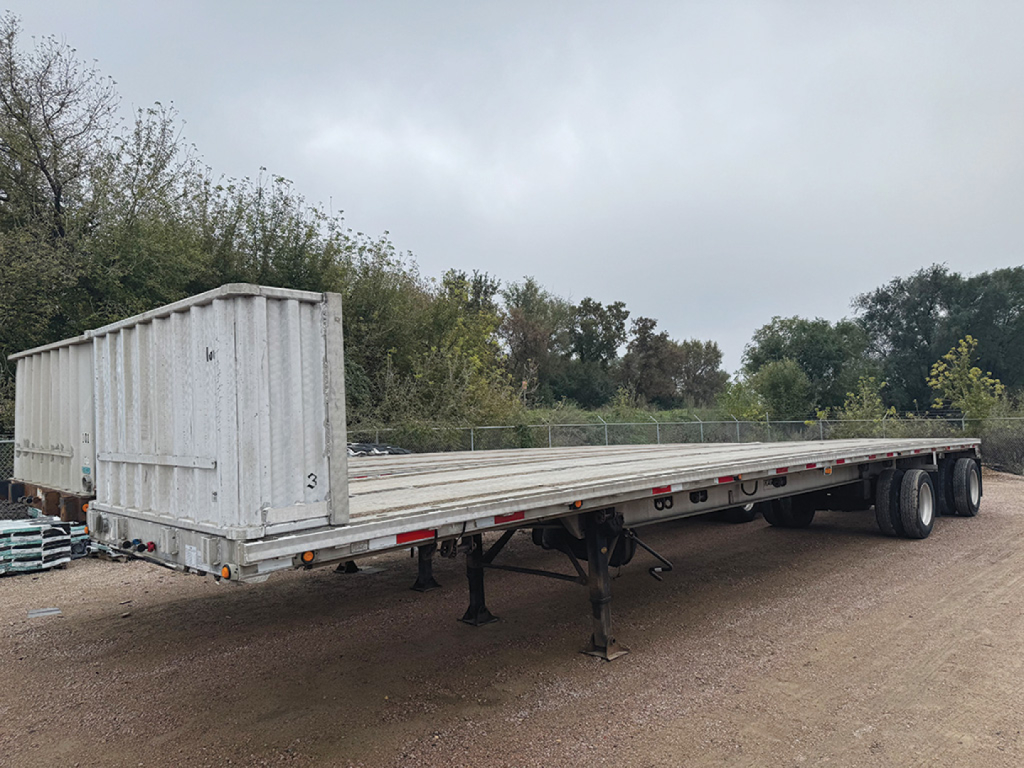
Browse Ravens trailers for sale, including aluminum flatbed trailers with air-ride suspension, spread axles, and specs suited for general freight.
Selling a ravens trailer? List your ravens trailer for sale and reach thousands of commercial buyers.
Ravens Trailers
For many buyers, the first decision is aluminum versus steel. An aluminum Ravens flatbed helps keep empty weight down, which can improve payload capacity and fuel efficiency across a long haul operation. A 48-foot deck remains one of the most practical lengths in flatbed work because it balances maneuverability, legal loading flexibility, and broad shipper acceptance. A 102-inch wide deck is standard for maximizing usable platform space, and an aluminum floor is a common choice for operators who want corrosion resistance with lower overall trailer weight.
Suspension and axle layout matter just as much as deck material. Air-ride suspension is preferred by many fleets hauling sensitive or higher-value freight because it helps reduce shock transfer compared with mechanical setups. A spread axle configuration can improve weight distribution and load placement options, though buyers should always confirm bridge-law implications, tire wear patterns, and turning radius tradeoffs for their lanes. Sliding winches are a useful feature on an open deck because they speed up securement setup and give drivers more flexibility when freight dimensions vary from load to load.
When comparing Ravens trailers, focus on crossmember condition, floor wear, side rail integrity, winch track condition, suspension components, axle alignment, and evidence of prior deck damage or concentrated load stress. On used aluminum flatbeds, it is especially important to inspect for cracks, previous weld repairs, and corrosion around dissimilar metal contact points. If the trailer will run heavy steel, machinery, or frequent forklift loading, deck and frame condition should carry as much weight as price. Ravens flatbed trailers are best evaluated as practical open-deck tools, where the right combination of weight, axle spread, suspension, and securement hardware determines how well the trailer fits your freight mix.
Frequently Asked Questions about Ravens Trailers
What types of Ravens trailers are most commonly found on the market?
Ravens trailers commonly appear as flatbed trailers, especially aluminum flatbeds designed for general open-deck freight. Typical configurations include 48-foot by 102-inch decks, tandem spread axles, air-ride suspension, and sliding winches. These specs fit a wide range of freight applications, which is why flatbed models tend to be the most visible in used trailer listings.
Why would a buyer choose an aluminum Ravens flatbed trailer?
An aluminum flatbed is usually chosen for lower tare weight and better corrosion resistance than a comparable steel trailer. Lower empty weight can translate into more legal payload, which is important for operators hauling dense freight or running long distances where every pound matters. Aluminum construction can also help reduce long-term rust issues, but buyers still need to inspect for fatigue cracks, prior repairs, and floor or rail damage.
Is a spread axle Ravens flatbed a good choice for general freight?
A spread axle flatbed is a strong fit for many general freight applications because it can improve weight distribution and make it easier to position certain loads legally. It is often preferred for building materials, machinery, and palletized freight that benefits from flexible axle loading. The tradeoff is that spread axle trailers can scrub tires harder in tight turns and may be less convenient in confined delivery areas, so the right choice depends on route profile and customer locations.
What should I inspect first on a used Ravens flatbed trailer?
Start with the structural areas that affect safety, loading, and long-term repair cost. Check the frame, crossmembers, floor, side rails, axle alignment, suspension condition, brake components, wheel ends, and securement equipment such as winches and track systems. On aluminum trailers, pay close attention to weld areas, cracked members, and any signs of previous damage from concentrated loads or forklift impact.
Are air-ride Ravens trailers better for certain freight?
Air-ride suspension is often preferred for freight that is sensitive to vibration or shock, including finished materials, crated machinery, and some palletized products. It can also improve ride quality for the trailer and help reduce cargo movement when paired with proper securement. Buyers should still evaluate the condition of airbags, valves, shocks, and related suspension hardware, because ride quality depends as much on maintenance as on the suspension type itself.