
New Ranco Trailers For Sale in Colorado
Shop new Ranco trailers for sale in Colorado, including end dump and bottom dump models built for aggregate, paving, and heavy haul work.
Learn more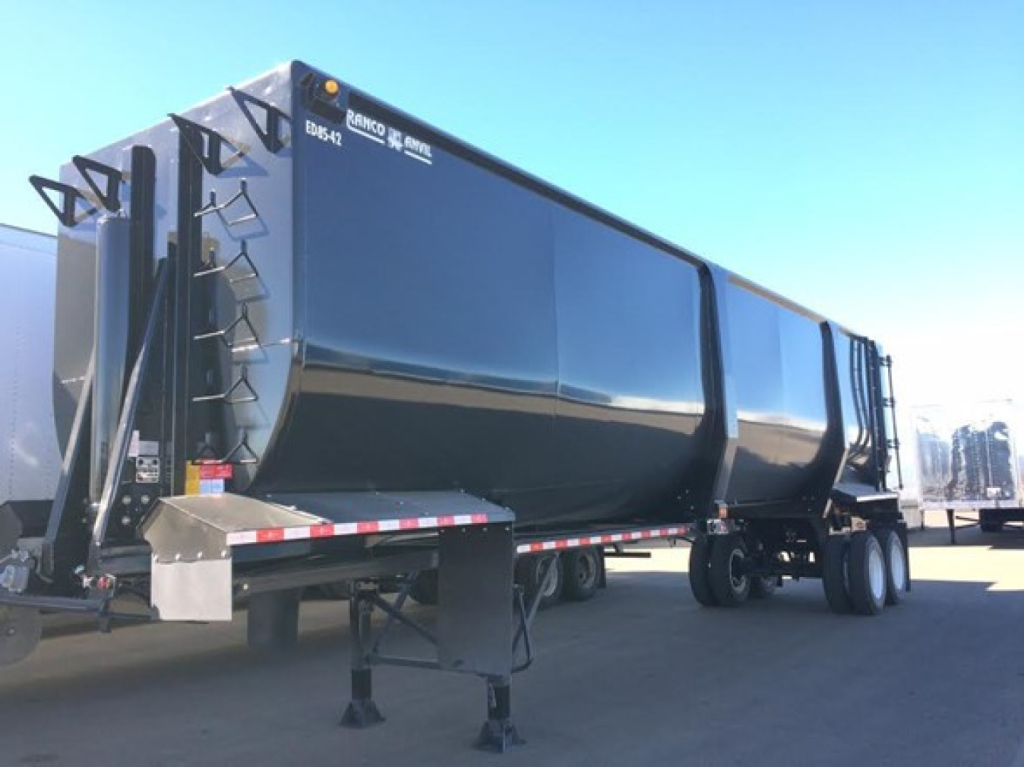
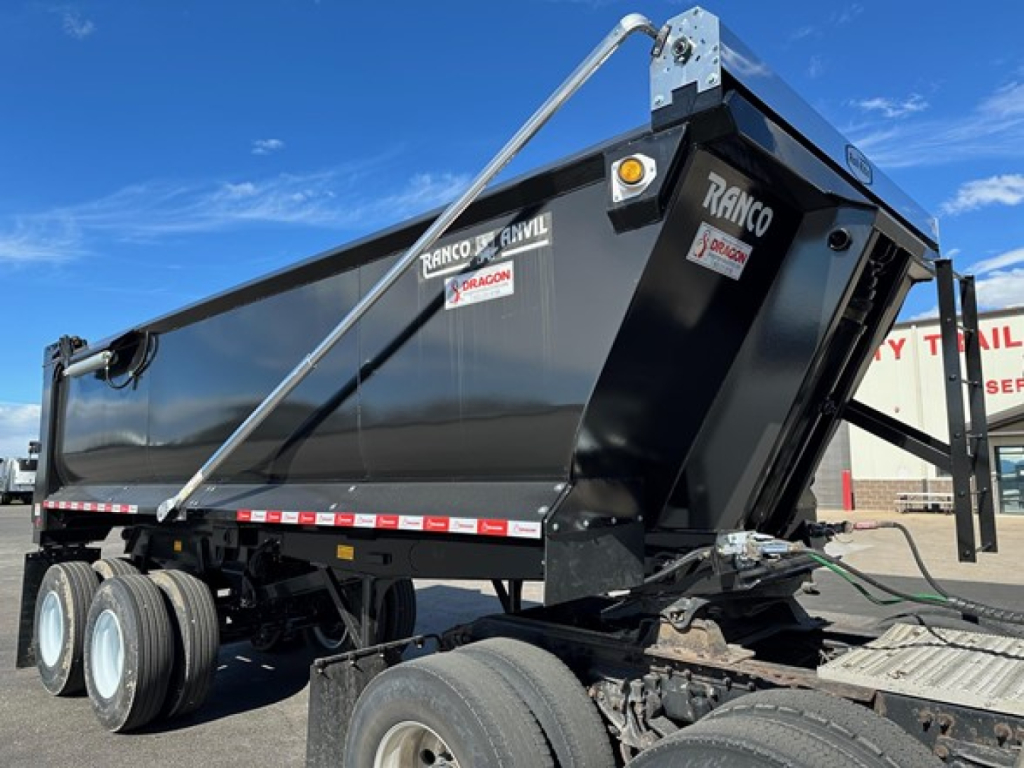
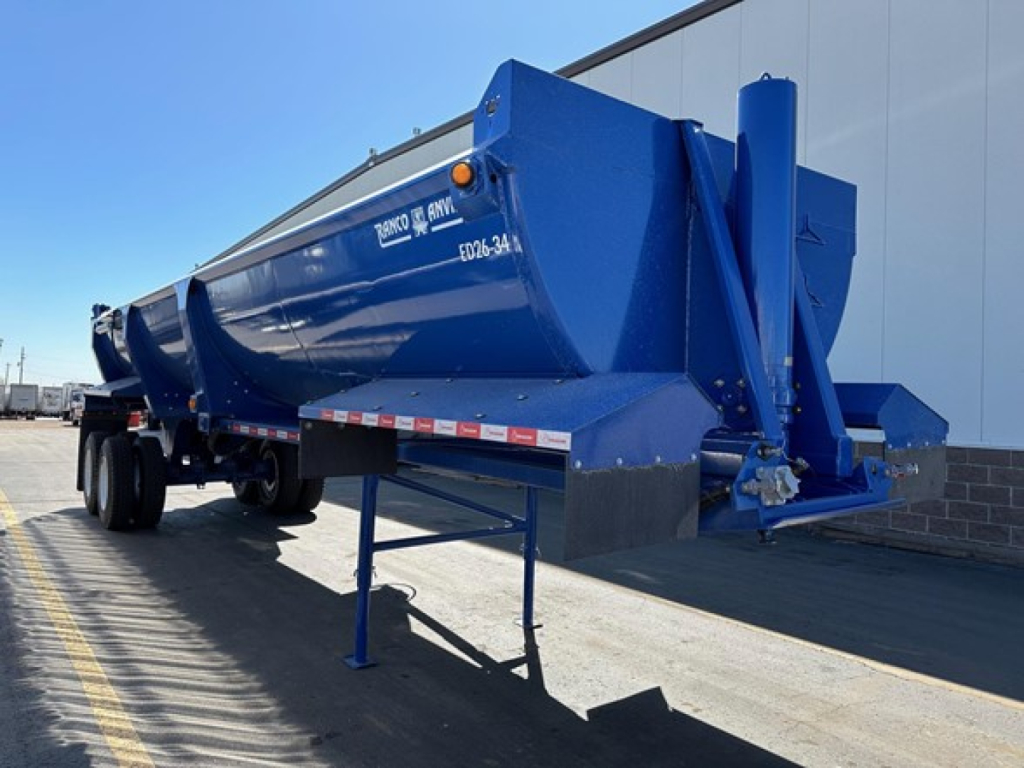
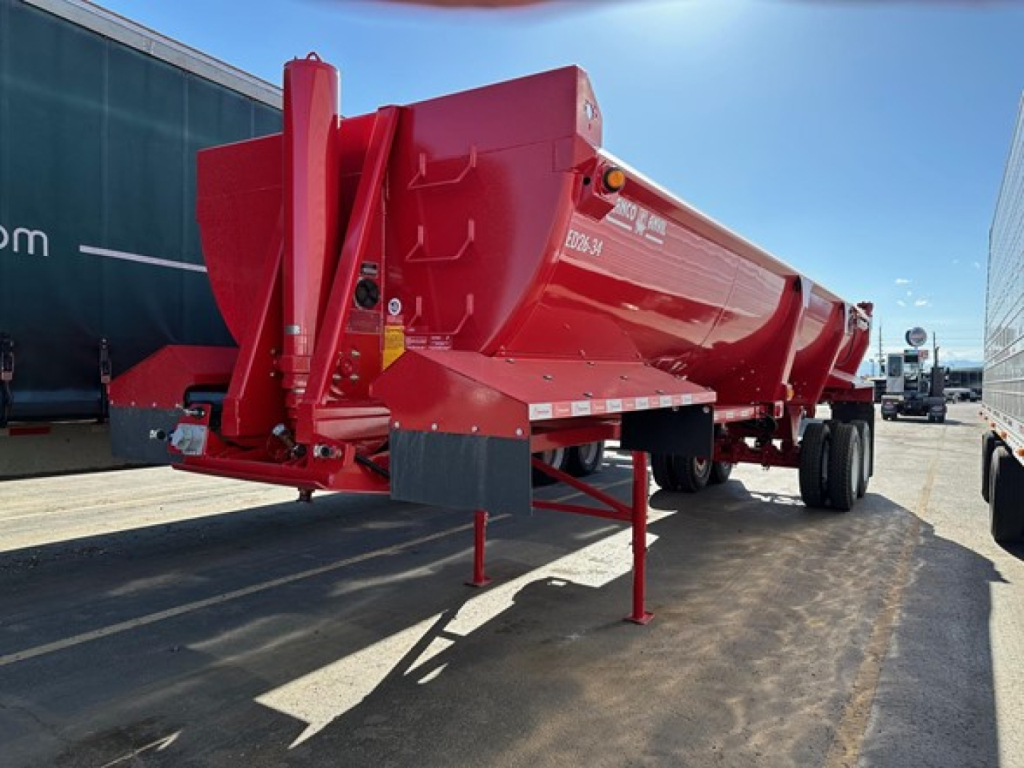
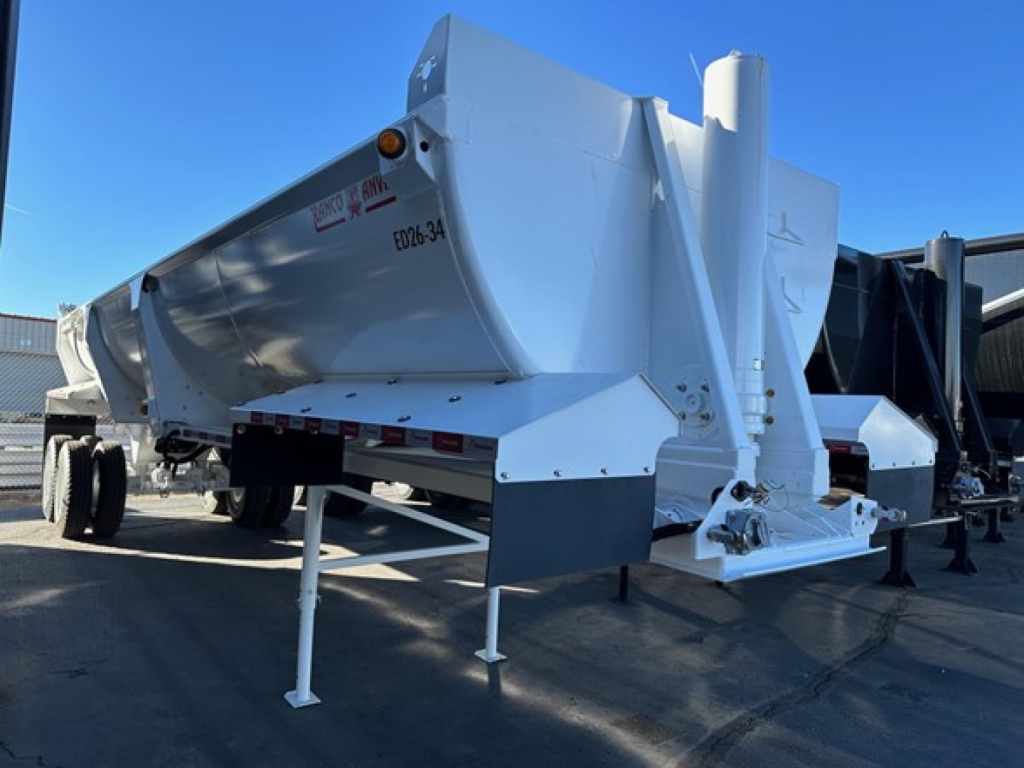
Showing 13 to 21 of 21 results
Have new ranco trailer to sell? List it here to reach thousands of buyers.
About New Ranco Trailers in Colorado
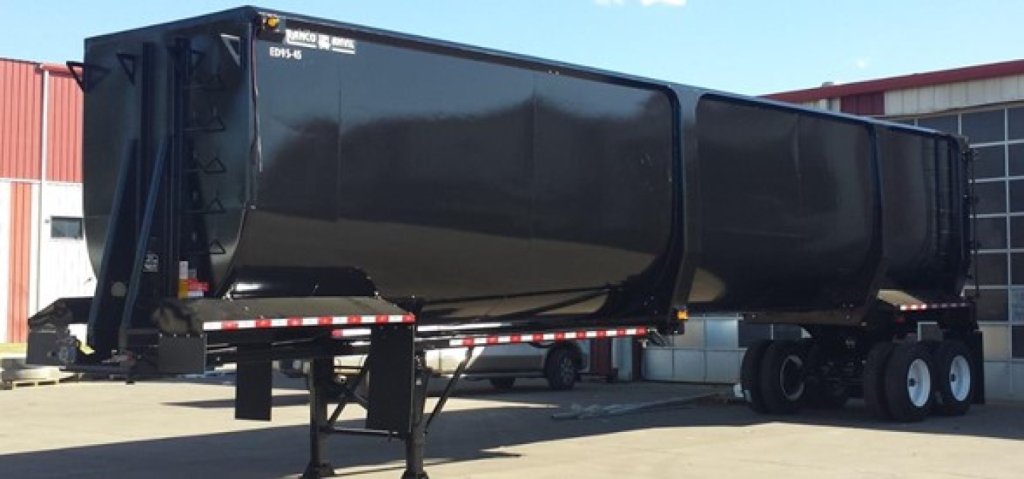
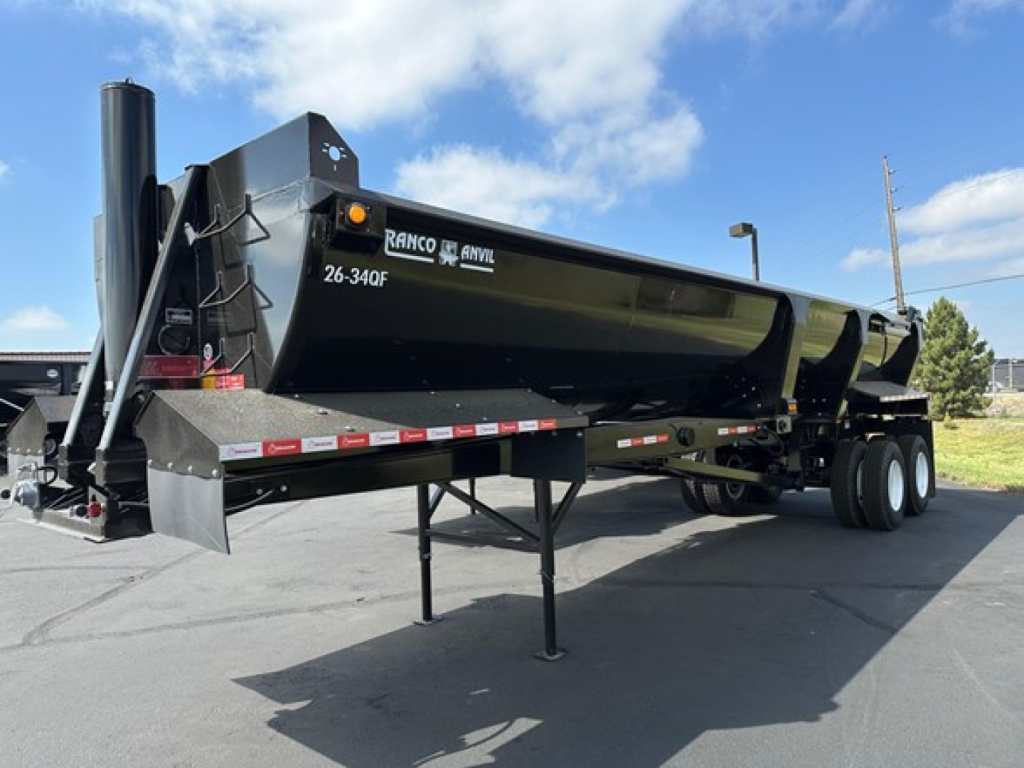
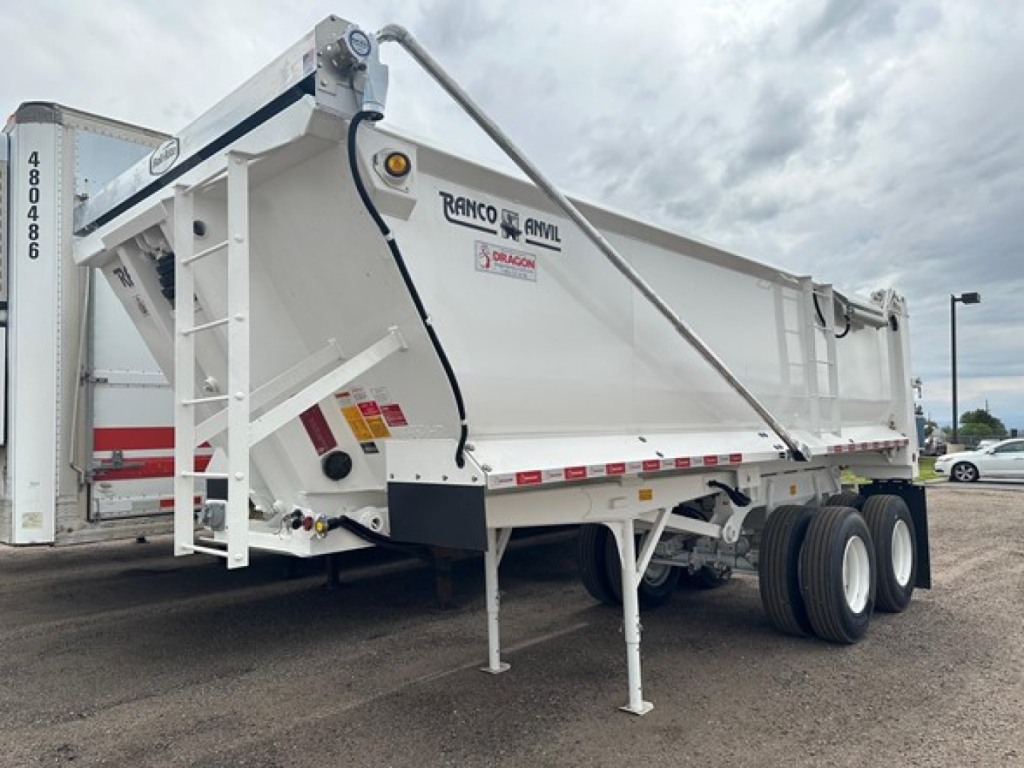
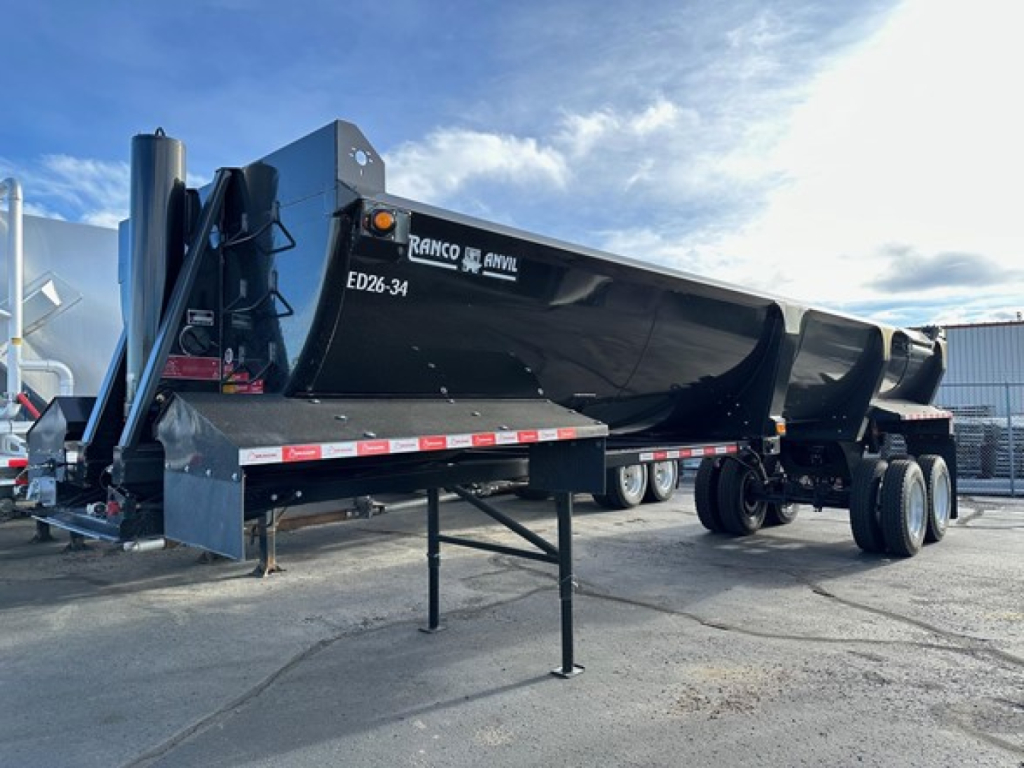
On end dump models, the main buying decisions usually come down to tub construction, cubic yard capacity, trailer length, and gate setup. Common specs in this class include 34-foot overall length, half-round Anvil steel tubs around 32 feet, and capacities in the mid-20 cubic yard range. Frameless construction is popular because it reduces tare weight and can improve payload, but buyers still need to match the trailer to the terrain and loading method. High-lift gates, electric tarp systems, front and rear fenders, single-point suspension setups, and 11R24.5 tire packages are all common on rock-spec trailers. For Colorado fleets hauling out of quarries or working on mountain grades, trailer balance, center of gravity, and body strength matter just as much as published capacity.
Ranco bottom dumps are built for a different job. A 40-foot lightweight bottom dump with a single hopper is designed to meter material efficiently and keep paving, shoulder work, and road base operations moving. Buyers should pay attention to gate control systems, pin-setting gate limiters, bang boards, windrow deflectors, tarp configuration, suspension layout, and any push block or hitch setup if the trailer will pull a pup. Versa valve systems, closed tandem arrangements, and tri-axle versions with a rear lift axle are all relevant specs depending on bridge law, legal payload targets, and maneuverability requirements. A tri-axle bottom dump can add flexibility for regional weight compliance, while a pintle hitch with air and electric can turn the trailer into part of a higher-volume train configuration.
For a buyer comparing new Ranco trailers, the real question is not just end dump versus bottom dump. It is how the trailer will load, unload, and survive over time in a specific duty cycle. Steel wheels, LED lighting, air ride on selected axles, tarp systems, and gate hardware all affect maintenance and uptime. A frameless end dump may be the better tool for rugged aggregate service, while a lightweight bottom dump may produce faster cycle times in highway and site development work. Matching the trailer to material type, haul distance, road conditions, and axle requirements will do more for long-term cost per ton than choosing by capacity alone.
Frequently Asked Questions
What is the difference between a Ranco end dump trailer and a Ranco bottom dump trailer?
A Ranco end dump trailer raises the body to discharge material out the rear, which makes it better suited for rock, demolition debris, and bulk material that does not need precise placement. A Ranco bottom dump trailer releases material through hopper gates underneath the trailer, which makes it ideal for spreading gravel, sand, and road base in a controlled windrow. End dumps are typically chosen for rugged off-road or quarry work, while bottom dumps are common in paving, highway, and site prep applications.
Are frameless Ranco end dumps a good fit for rock hauling?
Frameless Ranco end dumps are widely used in rock hauling because they combine strong tub construction with lower tare weight than many frame-type designs. A half-round steel tub helps material shed cleanly and can stand up well to abrasive loads. Buyers should still consider jobsite slope, loading practices, and driver experience, because any end dump hauling heavy rock needs good stability and proper weight distribution to perform safely.
What should I look for on a new Ranco bottom dump in Colorado?
In Colorado, buyers often focus on axle configuration, legal payload strategy, hopper control, and how the trailer handles mixed highway and jobsite use. Features such as pin-setting gate limiters, windrow deflectors, bang boards, electric tarps, and lift axles can make a meaningful difference in production and compliance. Terrain, bridge law exposure, and whether the trailer will pull a pup should all be part of the spec decision.
Why would I choose a tri-axle Ranco bottom dump?
A tri-axle Ranco bottom dump can offer better flexibility for weight distribution and state-specific axle requirements, especially when payload and route legality are major concerns. A rear lift axle can help balance carrying capacity with tire wear and maneuverability when the trailer is empty or lightly loaded. This configuration is often considered by fleets that want more options across varying job types and road restrictions.
What common specs affect long-term ownership costs on new Ranco trailers?
The biggest cost drivers are body material, suspension type, gate hardware, tarp system, tire size, wheel choice, and electrical components such as LED lighting. Steel tubs generally handle abrasive material well but must be matched to the right weight target. Suspension layout, single-point systems, air ride components, and gate controls all influence maintenance intervals, tire wear, and uptime, so a buyer should evaluate serviceability as closely as purchase price.