
New 2026 Ranco Trailers For Sale in Colorado
Shop new 2026 Ranco trailers for sale, including bottom dump and end dump configurations built for aggregate, paving, scrap, and demolition work.
Learn more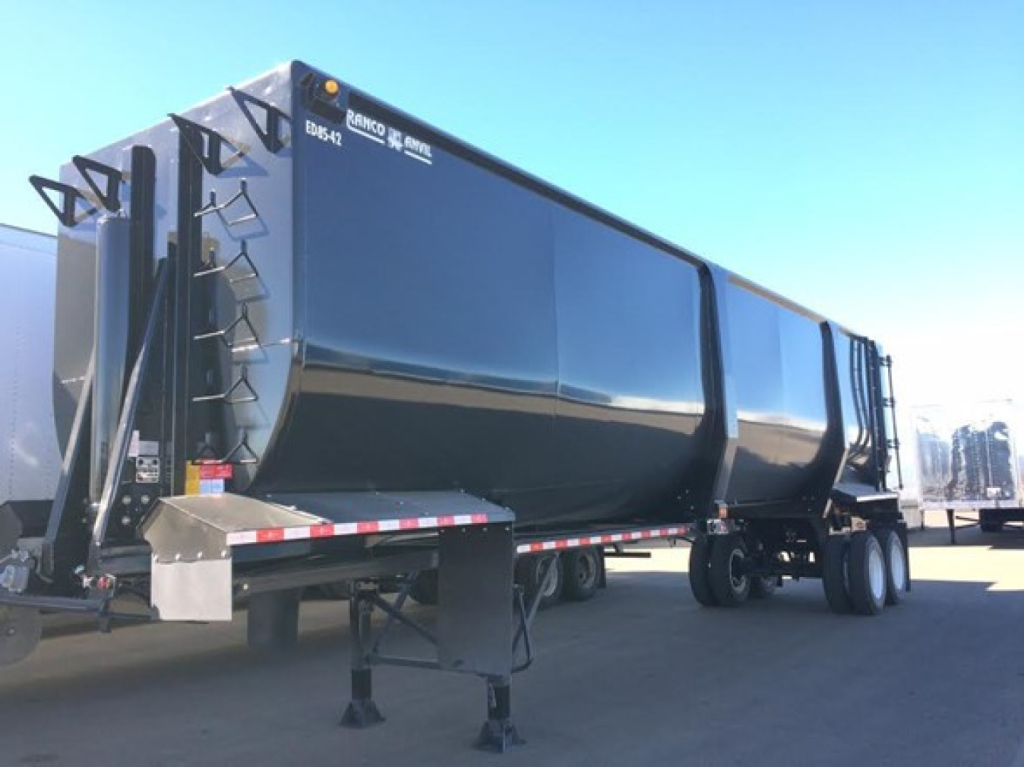
Showing 13 to 14 of 14 results
Have new 2026 ranco trailer to sell? List it here to reach thousands of buyers.
About New 2026 Ranco Trailers in Colorado
A 40-foot Ranco lightweight bottom dump is typically spec'd for high-cycle work where payload, gate control, and suspension matter more than body volume alone. Common features shown here include single hopper designs, pin-setting gate limiters, Versa Valve controls, windrow deflectors, bang boards, electric tarp systems, air ride suspension, and closed tandem axle layouts on 11R24.5 rubber. Buyers comparing bottom dumps should pay close attention to hopper design, gate opening consistency, tarp style, kingpin and axle placement, and whether the trailer will run solo or as part of a bottom dump train. A lead and pup combination can raise total cubic yard capacity and increase productivity on long haul aggregate and highway work, but it also adds complexity in backing, maintenance, and route compliance.
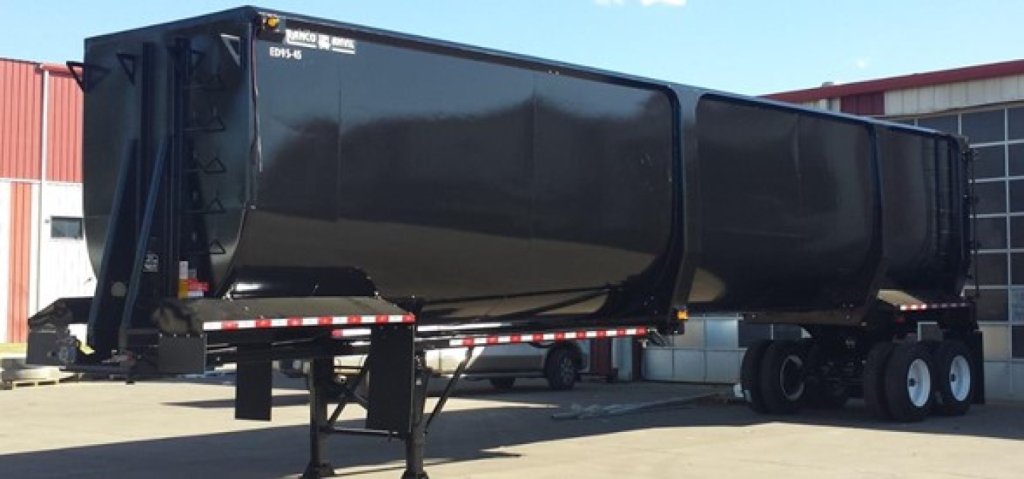
Ranco end dumps in this group range from quarter frame steel units to large frameless scrap and demolition trailers. The key buying decision is body style and material thickness. Quarter frame and half-round steel end dumps with AR400 tubs are common for rock, asphalt, and general construction material because they balance durability with a stable dump profile. Frameless high-cube end dumps are more specialized for lighter, bulky loads such as scrap, C&D debris, and cleanup work, especially when spec'd with tall sides and barn door gates. Buyers should look closely at cubic yard capacity versus legal payload, tub steel thickness, gate type, hoist geometry, draft arm design, axle spread, tire size, and whether the trailer width and suspension setup fit the intended routes and transfer sites.
Ranco has long been a recognized name in dump trailers because the brand is closely tied to vocational applications that punish weak bodies and poor gate design. On new 2026 models, practical details like LED lighting, front and rear fenders, ladders, push blocks, asphalt aprons, and single-point grease systems can have a real effect on uptime and daily usability. The right spec depends less on the badge and more on matching body construction to material type, loading equipment, dump frequency, and state bridge formulas. Buyers sorting through Ranco trailer listings should focus on the trailer’s intended haul, empty weight, discharge method, and suspension package first, then compare the smaller options that affect driver efficiency and service life.
Frequently Asked Questions
What is the difference between a Ranco bottom dump trailer and a Ranco end dump trailer?
A Ranco bottom dump trailer discharges material through gates in the floor, which allows controlled spreading while the trailer is moving. That makes it especially useful for aggregate base, shoulder work, and paving support. A Ranco end dump trailer raises the body and unloads out the rear, which is better for stockpiling material, feeding hoppers, and hauling rock, debris, or scrap where precise windrow placement is not the priority.
What should I look for when buying a new 2026 Ranco bottom dump?
Start with the discharge system and axle configuration. Gate control, hopper layout, windrow control, suspension type, and overall trailer weight will affect production every day. Buyers should also review tarp system design, tire size, kingpin setting, closed tandem versus other axle layouts, and whether the trailer needs to match existing lead-pup train equipment or tractor specifications.
Are Ranco end dumps good for scrap and demolition work?
Yes, but the right Ranco end dump for scrap and demolition is usually a steel frameless or high-cube configuration rather than a lighter aggregate trailer. Buyers hauling demolition debris or scrap should focus on tub thickness, side height, gate type, body length, and overall cubic yard capacity. AR400 steel tubs, barn door gates, and heavy-duty body construction are common features for this kind of work because they help the trailer stand up to abrasive and irregular loads.
Why does suspension choice matter on a Ranco dump trailer?
Suspension affects ride quality, load protection, body stress, and maintenance. Air ride is common on bottom dumps because it helps with stability and ride on paved routes while supporting consistent gate performance and reducing shock to the trailer structure. On vocational trailers, the best suspension also depends on road conditions, axle weights, and how often the trailer will be loaded off-road or dumped on uneven ground.
How do I choose between a single trailer and a bottom dump train?
A single bottom dump trailer is simpler to operate, easier to maneuver, and often a better fit for mixed jobsite access. A bottom dump train, using a lead trailer and pup, increases total capacity and can improve production on long, repetitive aggregate and road-building runs. The tradeoff is added complexity in routing, backing, maintenance, and compliance, so the best choice depends on haul distance, site access, and state regulations.