
Pneumatic - Dry Bulk Trailers For Sale in Pennsylvania
Compare pneumatic dry bulk trailers for cement, lime, sand, and fly ash. Review capacity, hopper layout, discharge setup, weight, and specs.
Selling a pneumatic - dry bulk trailer? List your pneumatic - dry bulk trailer for sale and reach thousands of commercial buyers.
Pneumatic - Dry Bulk Trailers in Pennsylvania
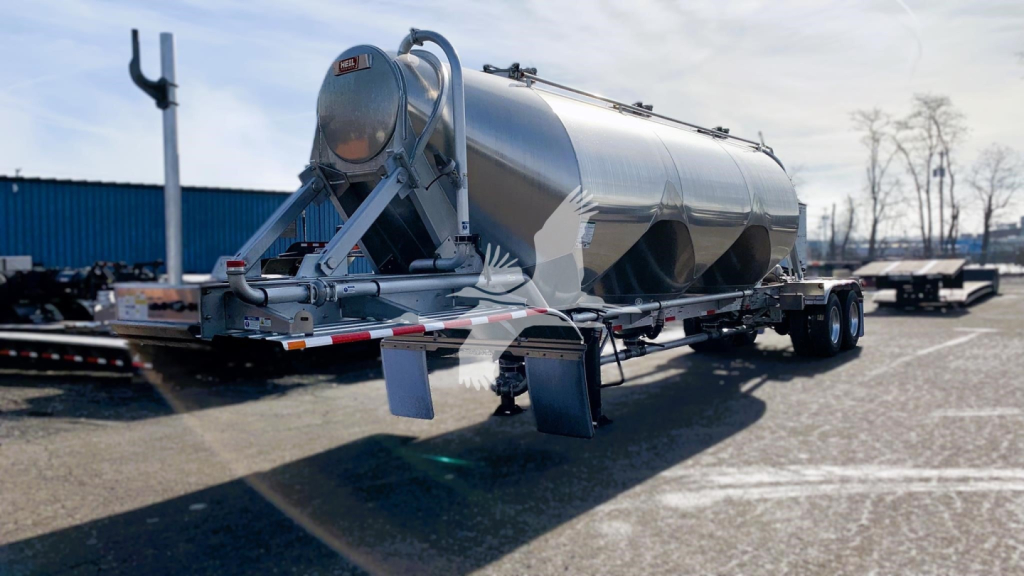
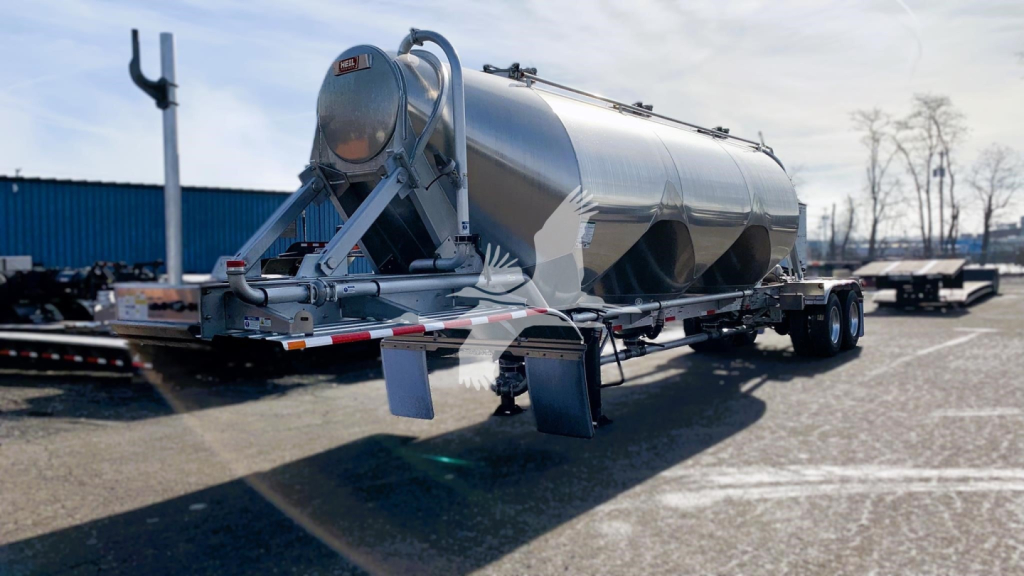
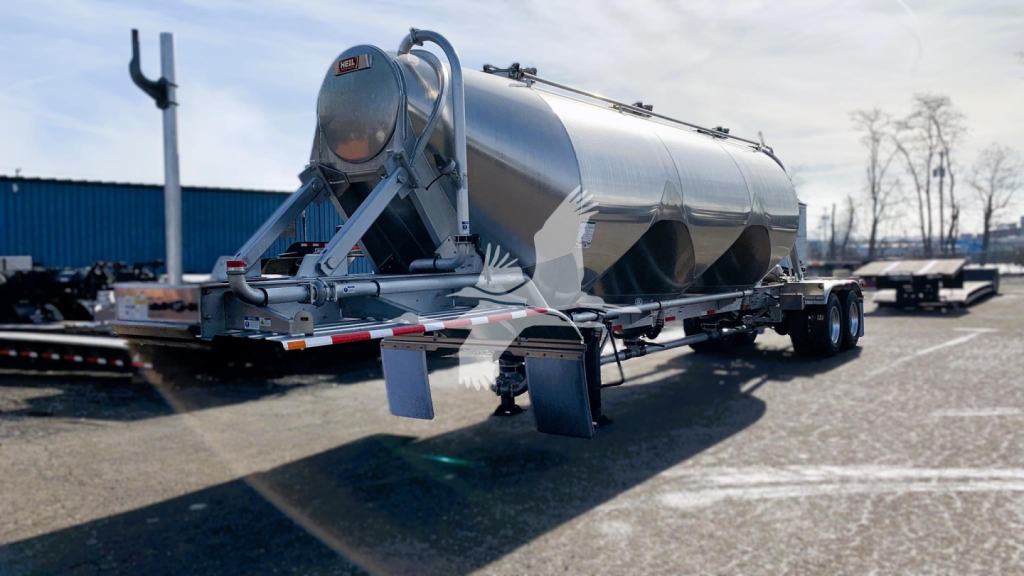
Hopper design and aeration layout matter as much as total capacity. Three-hopper configurations are common because they help product move efficiently toward the discharge system and improve unload consistency. Buyers should pay close attention to aeration style, number of air pads or cones per hopper, pipe material, tee construction, and valve brand. Features such as 5-inch butterfly product valves, under-axle rear discharge, gravity drop tees, and properly sized top air plumbing all affect unload speed, maintenance cost, and compatibility with your blower setup. If the trailer is hauling abrasive material like sand or cement powder, valve life, pipe wear, and the condition of tees deserve a close inspection.
Construction specs drive both service life and operating cost. Aluminum barrels, aluminum piping, aluminum wheels, and galvanized hangers help control corrosion and reduce weight, while steel piping or discharge components may offer durability in high-wear areas. Air ride suspensions are standard in this segment, often paired with tandem axle layouts and raised center axle settings depending on the trailer design. Buyers should also verify kingpin setting, landing gear brand, tire size, wheel spec, and access equipment such as ladders, hose tubes, cabinet placement, and work lights. A cleanly laid out fittings cabinet and adequate hose storage save time on every unload and reduce jobsite frustration.
For used pneumatic dry bulk trailers, condition is largely a systems check. Barrel condition, manhole seals, suspension wear, brake percentages, tire remaining tread, and the integrity of discharge plumbing are more important than paint. Look for signs of product contamination, patched piping, worn butterfly valves, leaking aeration components, or damage around hopper transitions. In Pennsylvania service, where weather, road salt, and mixed route conditions can be tough on equipment, corrosion on steel components and understructure should be evaluated carefully. A well-spec'd pneumatic trailer should match the material you haul, the blower equipment in your fleet, and the unload requirements of your customers.
Frequently Asked Questions about Pneumatic - Dry Bulk Trailers in Pennsylvania
What products are pneumatic dry bulk trailers commonly used to haul?
Pneumatic dry bulk trailers are designed for dry, flowable bulk commodities that unload with compressed air. Common products include cement, fly ash, lime, sand, mortar mix, plastic resin, and other powdered or granular materials. The exact product matters because abrasive materials increase wear on valves, tees, and discharge plumbing, while lighter products may favor a different capacity or aeration setup.
What is a typical capacity for a pneumatic dry bulk trailer?
A common size in this category is roughly 1,040 to 1,050 cubic feet in a 42-foot tandem axle configuration. That spec is popular because it balances payload, maneuverability, and broad application across cement and related bulk products. Capacity should always be matched to the commodity's bulk density, because a trailer that cubes out on one product may gross out on another.
Why does hopper and aeration design matter on a dry bulk trailer?
Hopper shape and aeration design directly affect how completely and how quickly the trailer unloads. A three-hopper layout with well-maintained aeration pads or cones helps material fluidize and move consistently toward the discharge line. Poor aeration, worn cones, or compromised valves can slow unloading, leave carryover in the hoppers, and create unnecessary strain on the blower system.
What should I inspect first on a used pneumatic dry bulk trailer?
Start with the discharge system, barrel condition, and running gear. Check the piping, tees, product valves, aeration components, and discharge outlets for wear, leaks, repairs, or incompatible modifications. Then review tires, brakes, suspension components, landing gear, and the condition of the subframe and steel parts, especially in regions where road salt can accelerate corrosion.
Is aluminum or steel better for a pneumatic dry bulk trailer?
Aluminum is widely preferred for the barrel and many structural components because it reduces tare weight and resists corrosion well. Steel still has a place in certain high-wear components such as some piping or discharge parts, depending on the product hauled and the operator's maintenance philosophy. The best setup depends on payload goals, material abrasiveness, and how the trailer will be used day after day.