
Mac Pneumatic - Dry Bulk Trailers For Sale
Browse Mac pneumatic dry bulk trailers built for cement, lime, sand, flour, and other bulk commodities with aluminum construction and air ride.
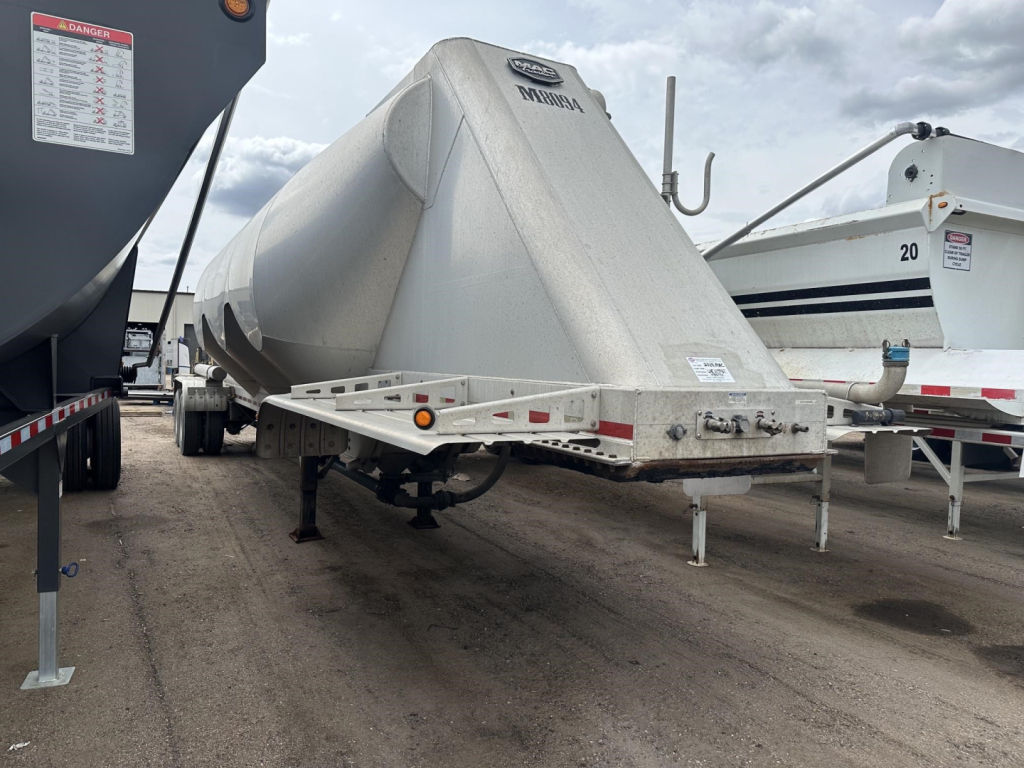
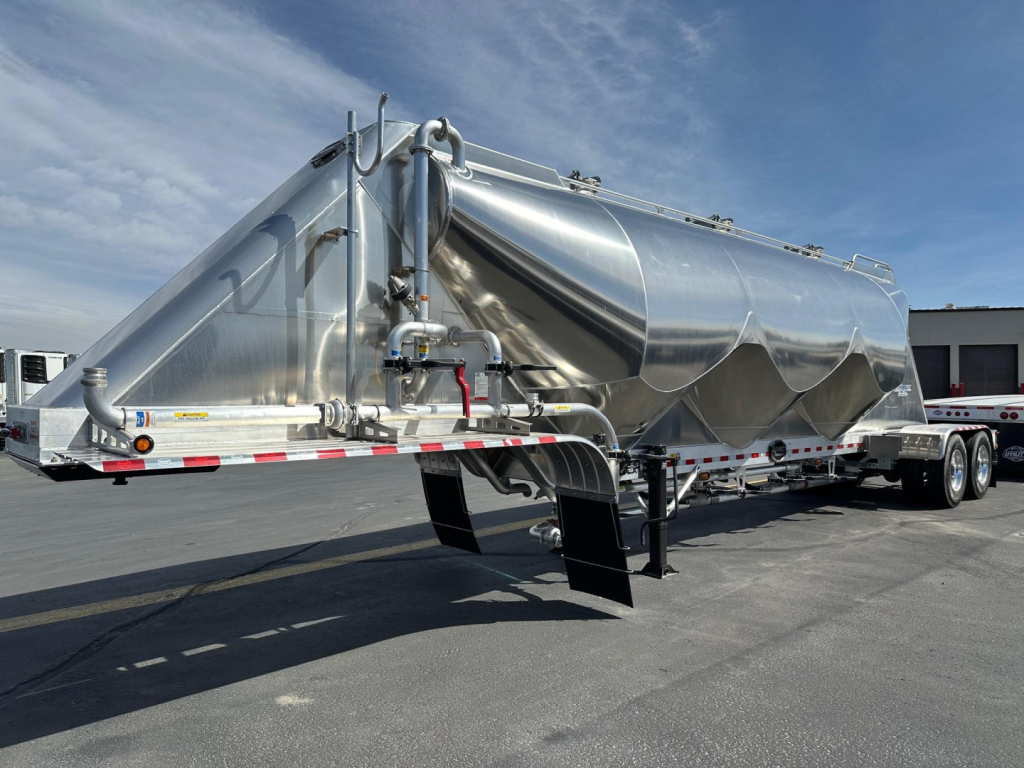
Selling a mac pneumatic - dry bulk trailer? List your mac pneumatic - dry bulk trailer for sale and reach thousands of commercial buyers.
Mac Pneumatic - Dry Bulk Trailers
Capacity and plumbing layout matter more than brand decals in this segment, so it pays to compare hopper count, line size, aeration, and discharge hardware closely. A 1,000 to 1,050 cubic foot trailer is often a fit for heavier products where legal payload comes before total cube, while a 1,600 cubic foot food grade unit is aimed at lighter bulk commodities that need more volume. Three-hopper designs are common because they improve product flow and unloading control, while two-hopper setups can still make sense for certain dense-material operations. Many Mac units in this class use 5-inch product lines, top air, butterfly valves, and aeration systems such as spin flow setups to keep product moving efficiently during unload.
Mac is well known in bulk hauling for lightweight aluminum construction and practical spec choices. Buyers should pay attention to whether the trailer is food grade, what the piping and tees are made from, and how the controls are arranged. Aluminum piping helps with corrosion resistance and weight, while steel piping or tees may still be preferred in abrasive service depending on maintenance strategy. Features like adjustable couplers, raised center axles, hose tubes, safety-railed rear ladders, load gauges, work lights, and fender configuration all affect day-to-day use. Tire size, kingpin setting, suspension model, and discharge routing under or behind the axles also matter because they influence serviceability, bridge compliance, and how the trailer fits your unloading sites.
For used Mac pneumatic trailers, condition is heavily tied to barrel integrity, aeration performance, valve wear, suspension condition, and the state of the discharge plumbing. Check manhole seals, hopper cones, butterfly valves, piping thickness, and signs of product contamination if the trailer has been in food grade or specialty service. On any pneumatic dry bulk trailer, the real question is how well the spec matches the commodity and blower system you plan to run. A properly matched Mac bulk trailer can unload faster, carry legal weight more efficiently, and reduce product retention at the end of the job.
Frequently Asked Questions about Mac Pneumatic - Dry Bulk Trailers
What commodities are Mac pneumatic dry bulk trailers commonly used to haul?
Mac pneumatic dry bulk trailers are commonly used for cement, fly ash, lime, sand, flour, sugar, plastic pellets, and similar dry bulk materials that unload through an air-assisted system. The exact commodity depends on the trailer spec. Food grade units are intended for products that require sanitary handling, while standard bulk specs are more common in construction and industrial material service.
How do I choose between a 1,000 cubic foot and a 1,600 cubic foot Mac pneumatic trailer?
The right cubic capacity depends on product density and legal payload. Dense commodities such as cement or sand usually do not need the highest cube because axle weight limits are reached first, so a 1,000 to 1,050 cubic foot trailer is often appropriate. Lighter commodities such as flour or plastic resin benefit from a 1,600 cubic foot trailer because the extra volume allows more product to be loaded before reaching gross weight limits.
What features matter most on a Mac dry bulk trailer?
The most important features are hopper count, line size, aeration system, discharge layout, food grade status, and overall empty weight. Buyers should also look closely at piping material, tee design, product valves, top air setup, suspension, kingpin adjustability, and axle configuration. These details affect unloading speed, commodity compatibility, maintenance cost, and how easily the trailer fits into existing blower and hose setups.
Are Mac pneumatic trailers usually aluminum?
Many Mac pneumatic dry bulk trailers are built with aluminum barrels and other aluminum components to reduce tare weight and improve corrosion resistance. That lighter construction can help maximize payload on legal routes. Even on aluminum trailers, some units may use steel piping or steel tees in high-wear areas, so it is important to review the full spec instead of assuming every component is aluminum.
What should I inspect on a used Mac pneumatic dry bulk trailer?
On a used trailer, inspect the barrel and hopper cones for repairs, dents, cracks, or corrosion, and verify the aeration system is working correctly. Check manhole lids and seals, butterfly valves, discharge plumbing, hose tubes, suspension components, brakes, tires, landing gear, and wheel ends. It is also smart to confirm the trailer's prior commodity history, especially if food grade service or contamination risk is a concern.