
New Gallegos Pneumatic - Dry Bulk Trailers For Sale in Texas
Have new gallegos pneumatic - dry bulk trailer to sell? List it here to reach thousands of buyers.
New Gallegos Pneumatic - Dry Bulk Trailers in Texas
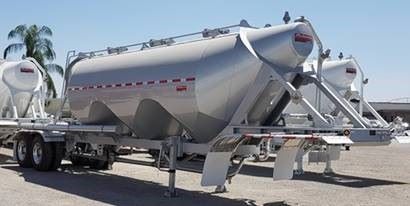
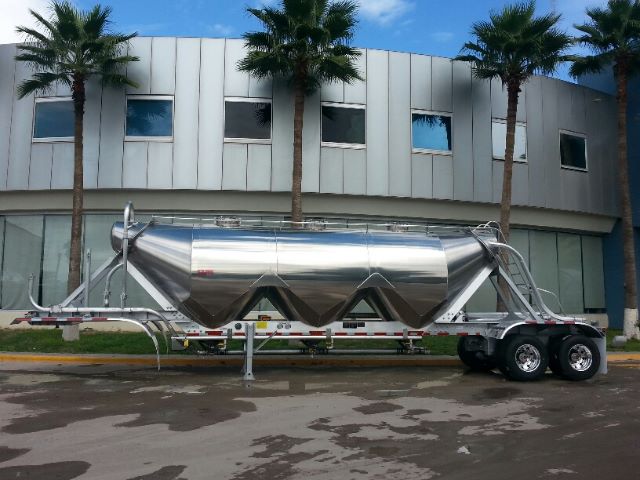
Material choice is one of the first real spec decisions. Aluminum bodies can help reduce empty weight and improve payload, which is a major advantage for fleets hauling products that can cube out or run close to gross limits. Steel construction usually adds tare weight but can be attractive for severe-duty use, harsh loading environments, or operations that prioritize ruggedness and long service life over every last pound of payload. Listings in this class often reference 5454-H32 aluminum construction or high-strength steel bodies and hoppers, along with reinforced chassis materials. Buyers should also pay attention to hopper thickness, body wall thickness, and test pressure ratings, since those details say a lot about how the trailer is built for repeated pressurized unloading.
The discharge system is what separates a good dry bulk trailer spec from one that slows down at the plant. Gallegos pneumatic trailers commonly use flow cone vibration systems and BTI Sandhog bottom drop tees to help product move consistently and reduce bridging. That matters if you are unloading fine powders or materials that do not flow cleanly in every weather condition. Hose tube storage, usually dual 20-foot tubes, should match the type of delivery work being done. Suspension and running gear also deserve a close look. Hendrickson air ride setups, aluminum wheels, 24.5-inch rubber, and quality landing gear are common on this type of trailer because they support ride quality, component life, and easier maintenance in regional and plant-to-jobsite service.
For Texas buyers, route conditions, axle laws, plant access, and ambient heat all affect the right spec. A 42-foot pneumatic trailer with tandem air ride axles is a common configuration, but the right setup still depends on commodity density and how often the trailer cycles. Empty weight figures on trailers in this class can vary notably between aluminum and steel builds, so payload math should be done before comparing units side by side. The best buy is usually the trailer that matches the product, blower setup, maintenance standard, and legal load target for the lanes it will actually run.
Frequently Asked Questions about New Gallegos Pneumatic - Dry Bulk Trailers in Texas
What commodities are pneumatic dry bulk trailers commonly used to haul?
Pneumatic dry bulk trailers are designed for dry, free-flowing powdered or granular materials that unload under air pressure. Common products include cement, fly ash, lime, sand, frac sand, flour, and similar commodities. The exact trailer spec should match the product density, flow characteristics, and required unload rate because not every powder behaves the same in the vessel or through the discharge plumbing.
What is the advantage of an aluminum pneumatic trailer versus a steel pneumatic trailer?
An aluminum pneumatic trailer usually offers lower tare weight, which can improve legal payload and overall operating efficiency. A steel pneumatic trailer typically weighs more, but many buyers choose it for severe-duty applications, abrasive products, or loading environments where extra durability is a priority. The right choice depends on commodity, lane weights, expected trailer life, and how aggressively the equipment will be used.
Why does cubic capacity not tell the whole story on a dry bulk trailer?
Cubic capacity tells you how much volume the vessel can hold, but payload is limited by commodity density and legal gross weight. A 1,040 cubic foot trailer may be a strong fit for one product and oversized for another if the denser material reaches weight limits before the vessel is full. Buyers should compare cubic feet, empty weight, axle configuration, and the pounds per cubic foot of the product they actually haul.
What should buyers look for in the discharge system on a pneumatic bulk trailer?
The discharge system should be evaluated for product flow, unload consistency, and compatibility with the blower and plant requirements. Features such as flow cone vibration systems and bottom drop tees can help reduce bridging and improve cleanout, especially with fine or stubborn materials. Hose storage length, plumbing layout, pressure ratings, and access for maintenance also matter because they directly affect unload time and day-to-day usability.
What suspension and running gear are common on pneumatic dry bulk trailers?
Many pneumatic dry bulk trailers use tandem air ride suspension, 24.5-inch wheels and tires, aluminum wheels, and heavy-duty landing gear from established component suppliers. Air ride is popular because it helps protect the trailer structure and can improve ride quality for bulk commodities moving between plants and jobsites. Buyers should also verify axle ratings, brake setup, tire size, and parts support, since those factors affect uptime and maintenance cost.