
New Gallegos Pneumatic - Dry Bulk Trailers For Sale
Have new gallegos pneumatic - dry bulk trailer to sell? List it here to reach thousands of buyers.
New Gallegos Pneumatic - Dry Bulk Trailers
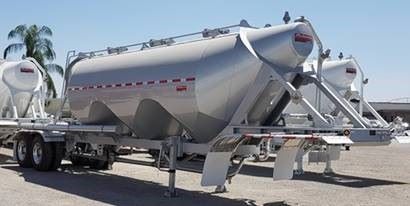
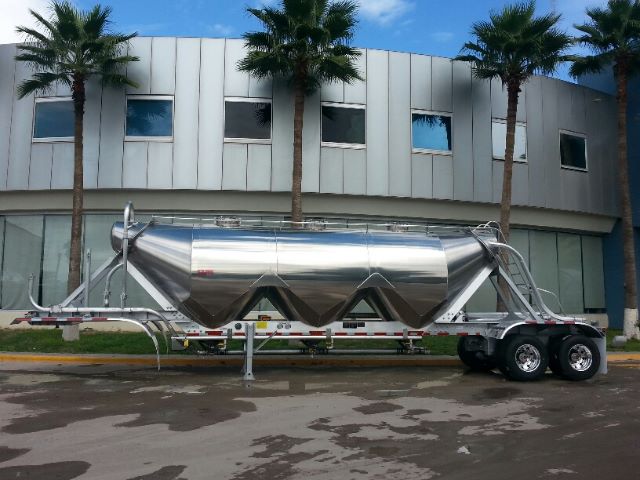
Construction details make a real difference on pneumatic trailers. Common specs include heavy-gauge tank and hopper material, reinforced chassis design, multiple cone hoppers, and vibration-assisted discharge systems to keep product moving. Gallegos units in this class are often equipped with flow cone vibration systems and BTI Sandhog bottom drop T's, which are important for consistent unloading and reduced product bridging. Hose tube capacity, upper catwalk design, landing gear brand, and frame material also deserve attention because they affect daily usability, maintenance access, and long-term durability in bulk material service.
Suspension and running gear should match the route and commodity. Air-ride setups such as Hendrickson INTRAAX are common on pneumatic dry bulk trailers because they help protect the trailer structure and improve stability under varying load conditions. Buyers should also check axle ratings, wheel and tire size, and how the trailer is set up for plant, terminal, and jobsite access. Aluminum wheels, 24.5-inch rubber, and standard hose storage are typical on this category, but the right configuration depends on how often the trailer runs paved lanes versus rough yard conditions and how much onboard equipment the operation expects to carry.
For a buyer comparing new Gallegos pneumatic dry bulk trailers, the main decision points are aluminum versus steel, tare weight versus ruggedness, hopper and discharge design, and compatibility with the blower and commodity mix already in the fleet. A lighter trailer can add revenue on every load, but a heavier-duty build may pay off in abrasive or high-cycle work. Pressure ratings, hydrostatic test data, vibration system design, and discharge plumbing are worth reviewing closely because pneumatic performance depends on more than published cubic feet alone. A good trailer in this category is one that unloads efficiently, handles the target product without excessive residue, and holds up to repeated pressurized service.
Frequently Asked Questions about New Gallegos Pneumatic - Dry Bulk Trailers
What products are pneumatic dry bulk trailers typically used to haul?
Pneumatic dry bulk trailers are designed for dry commodities that can be moved by air pressure through enclosed piping. Common products include cement, fly ash, lime, sand, flour, plastic resin, and other powdered or granular materials. The exact commodity matters because density, abrasiveness, and flow characteristics affect the ideal tank material, hopper design, and discharge setup.
Is an aluminum pneumatic trailer better than a steel pneumatic trailer?
Aluminum pneumatic trailers usually offer lower empty weight, which can improve payload and revenue on weight-sensitive hauls. Steel pneumatic trailers are often chosen for tougher service conditions, especially when the product is abrasive or the trailer sees demanding plant and yard environments. The better choice depends on commodity type, payload goals, and how much value the operation places on tare weight versus long-term ruggedness.
What should I look for in a pneumatic trailer discharge system?
The discharge system is one of the most important parts of a pneumatic dry bulk trailer because unloading speed and product cleanout depend on it. Buyers should review hopper geometry, cone design, bottom drop configuration, vibration assistance, plumbing layout, and pressure capability. Features such as flow cone vibration systems and quality drop T assemblies can help reduce bridging, improve material flow, and make unloading more consistent across different commodities.
How important is cubic capacity on a dry bulk pneumatic trailer?
Cubic capacity is critical, but it should always be considered alongside commodity density and legal gross weight. A larger cubic foot trailer is useful for lighter products, while heavier commodities may gross out before the tank is full. Many buyers focus on a balance of cubic capacity, tare weight, and axle configuration so the trailer can maximize legal payload without compromising unload performance or durability.
Why is air-ride suspension common on pneumatic dry bulk trailers?
Air-ride suspension is common because it helps cushion the trailer and its structure during loaded and empty operation. Pneumatic trailers carry pressurized tanks and discharge components that benefit from reduced shock and vibration on the road. Systems such as Hendrickson air-ride setups are widely used because they support ride quality, handling, and component longevity in bulk hauling applications.