
Gallegos Pneumatic - Dry Bulk Trailers For Sale
Gallegos pneumatic dry bulk trailers built for cement, lime, sand, and fly ash hauling, with lightweight specs and durable bulk delivery design.
Selling a gallegos pneumatic - dry bulk trailer? List your gallegos pneumatic - dry bulk trailer for sale and reach thousands of commercial buyers.
Gallegos Pneumatic - Dry Bulk Trailers
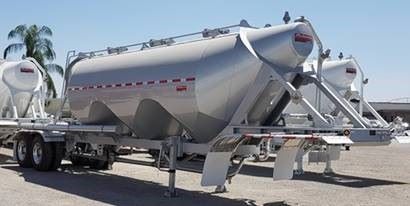
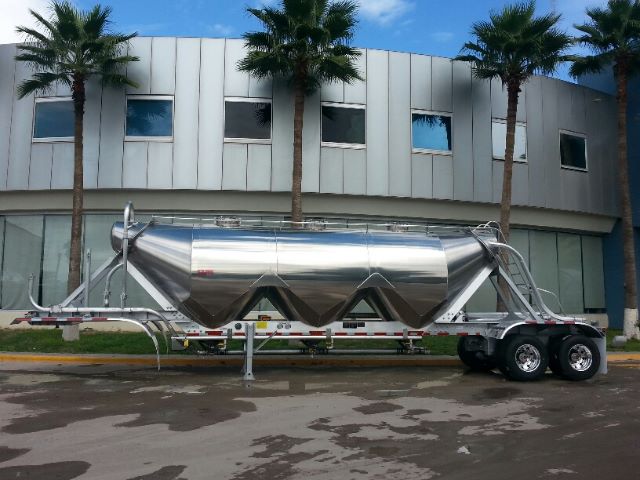
Material choice is a major decision on a Gallegos bulk trailer. Aluminum models are typically chosen for lower tare weight and higher payload potential, which matters on dense commodities and weight-sensitive lanes. Steel construction can make sense for buyers prioritizing ruggedness, long-term structural durability, or specific operating environments. Sample specs in this category show aluminum trailers around 9,800 pounds empty and steel versions closer to 11,800 pounds, which is a meaningful difference when you are loading heavy bulk product every day. Buyers should also review body and hopper thickness, frame material, and weld quality, since these affect service life and resistance to fatigue.
Discharge design is just as important as shell construction. Pneumatic dry bulk trailers rely on air pressure and a well-matched cone and hopper setup to move product efficiently, so details like flow cone vibration systems, bottom drop T's, and operating pressure ratings deserve close attention. Features such as BTI Sandhog bottom drop T's, vibrator systems, and hydrostatic or pressure test ratings can tell you a lot about how the trailer is set up for unloading performance and system integrity. Hose tube length and diameter matter too, especially if your deliveries involve varied plant layouts or longer unload runs. A pair of 20-foot hose tubes is a common setup in this class.
Running gear and chassis specs should be matched to the work just as carefully as the vessel. Tandem axle configurations with Hendrickson air ride suspension are common on Gallegos pneumatic trailers because they balance ride quality, product protection, and maintenance familiarity. Buyers should verify axle rating, wheel and tire size, landing gear brand, brake spec, and overall trailer width, along with practical details like catwalk layout and light package. Aluminum wheels, 24.5-inch rubber, and Holland or Atlas-style landing gear are typical spec points in this segment. For bulk haulers, the best trailer is not just the lightest or newest unit. It is the one with the right cube, empty weight, discharge package, and structural build for the commodity, route, and unload system you run every week.
Frequently Asked Questions about Gallegos Pneumatic - Dry Bulk Trailers
What commodities are Gallegos pneumatic dry bulk trailers commonly used to haul?
Gallegos pneumatic dry bulk trailers are commonly used for cement, fly ash, lime, sand, and other dry powdered or granular bulk materials that need to stay sealed from moisture and contamination. The exact commodity mix depends on the trailer’s capacity, hopper design, pressure system, and material construction. Buyers should confirm that the trailer’s unloading setup and tank design match the flow characteristics and density of the product they plan to haul.
Should I choose an aluminum or steel Gallegos pneumatic trailer?
Aluminum is usually preferred when payload matters most because it reduces empty weight and can increase legal net load on dense products. Steel is often selected for durability, impact resistance, and certain severe-duty applications where a heavier-duty shell is worth the tare weight penalty. The right choice depends on your commodity, mileage, gross weight targets, and how aggressively the trailer will be loaded, unloaded, and cleaned over its service life.
What is a typical size for a Gallegos pneumatic dry bulk trailer?
A common size in this category is a 42-foot tandem axle trailer with about 1,040 cubic feet of capacity. That setup is widely used because it works well across many bulk applications without becoming too specialized for a narrow commodity range. Capacity should always be matched to product density, since lighter materials may cube out before reaching legal gross weight, while denser materials can hit axle limits before the vessel is full.
What discharge features matter most on a pneumatic dry bulk trailer?
The most important discharge features are the cone and hopper design, vibrator system, plumbing layout, bottom drop assemblies, and the trailer’s operating pressure capability. These components directly affect unload speed, product flow, and how consistently the trailer empties in real-world conditions. Hose storage and hose size also matter because they influence setup time and how easily the trailer can service different customer locations.
What suspension and running gear are common on these trailers?
Tandem axle layouts with air ride suspension are common on Gallegos pneumatic dry bulk trailers, often paired with 24.5-inch wheels and tires. Air ride helps protect the trailer structure and can improve ride quality for both the unit and the commodity. Buyers should still confirm axle ratings, brake configuration, wheel material, landing gear, and tire spec to make sure the trailer is set up for their legal weight requirements and maintenance preferences.