
Used Fruehauf Pneumatic - Dry Bulk Trailers For Sale in New York
Have used fruehauf pneumatic - dry bulk trailer to sell? List it here to reach thousands of buyers.
Used Fruehauf Pneumatic - Dry Bulk Trailers in New York
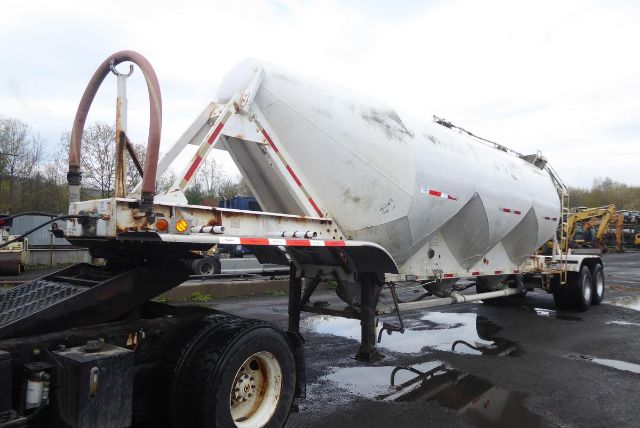
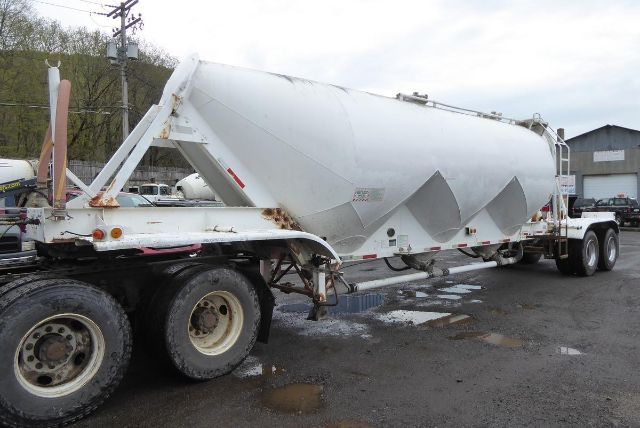
Capacity, discharge layout, and plumbing are the first decisions to sort out. Many Fruehauf dry bulk trailers in this segment are around 40 feet long and just under 1,000 to 1,050 cubic feet, often with three hopper bottoms, multiple top-fill openings, a 4-inch product line, and 5-inch product valves. That setup works well for general bulk powder service, but product density determines legal payload far more than cubic capacity alone. Heavier commodities can gross out before the vessel is full, so buyers should compare trailer tare weight, axle spacing, and expected commodity weights before focusing only on cube.
The biggest buying question on a used pneumatic trailer is usually discharge performance. Check the condition of the vessel, hopper cones, internal aeration components, piping, valves, hoses, and blower connections. Product line wear, valve sealing surfaces, and signs of moisture contamination or caked material can tell you a lot about how the trailer was used. Older spring ride trailers can still be productive in short and regional haul work, but suspension wear, brake condition, wheel-end service history, and frame or substructure corrosion deserve close attention, especially in New York and other rust-belt markets where road salt can shorten the life of undercarriage components.
Fruehauf remains a recognized name in the trailer market, and many older dry bulk trailers are still kept in service because the basic tank and plumbing design is familiar to shops and operators. For a buyer comparing listings, the practical differences usually come down to cubic capacity, number of hoppers, discharge line size, top-fill configuration, tare weight, and overall structural condition. If the trailer will haul multiple commodities, inspect for product compatibility and contamination risk. If it will stay dedicated to one material, a simpler older pneumatic trailer can still be a cost-effective choice when the tank is sound and the discharge system is complete.
Frequently Asked Questions about Used Fruehauf Pneumatic - Dry Bulk Trailers in New York
What products can a pneumatic dry bulk trailer haul?
A pneumatic dry bulk trailer is designed for dry, flowable commodities that can be unloaded with air pressure. Common examples include cement, lime, fly ash, sand, flour, sugar, and plastic pellets or resin. The exact product match depends on tank condition, plumbing size, aeration setup, and cleanliness requirements, since some food-grade or contamination-sensitive materials need more specialized specifications than a general bulk powder trailer.
What should I inspect first on a used Fruehauf dry bulk trailer?
Start with the tank, hopper cones, and discharge system. Look for corrosion, weld repairs, thin spots, damaged valves, worn product piping, and evidence of product buildup or moisture intrusion. After that, inspect the running gear, including suspension, axles, brakes, hubs, wheels, and tires. On older trailers, structural condition and discharge integrity usually matter more than cosmetic appearance because those items have the biggest effect on uptime and repair cost.
How important is cubic foot capacity on a dry bulk trailer?
Cubic capacity is important, but it does not tell the whole story. A trailer with around 985 to 1,000 cubic feet may be suitable for many bulk applications, yet legal payload depends on commodity density and the trailer's empty weight. Dense products can hit gross vehicle weight limits before the tank is full, while lighter products may use more of the available cube. Buyers should match capacity to the actual material being hauled, not just choose the largest vessel available.
Are older spring ride pneumatic trailers still practical?
Yes, they can still make sense for the right operation. A spring suspension trailer is mechanically simple and familiar to many maintenance shops, which can help keep repair costs manageable. The tradeoff is ride quality and, on older units, the possibility of more wear in suspension, brake, and structural components. For regional or dedicated work where absolute tare optimization is less critical, a sound older spring ride trailer can still be a workable bulk hauling option.
Why do discharge line and valve sizes matter on a pneumatic trailer?
Line and valve sizes affect unloading speed, airflow, and compatibility with customer facilities. Many older dry bulk trailers use a 4-inch product pipe with 5-inch valves, which is a common general-purpose setup. The right configuration depends on the commodity and the receiver's system. If the trailer's plumbing does not match the product or customer unloading requirements, discharge efficiency can suffer and material flow problems can become more common.