
2019 Pneumatic - Dry Bulk Trailers For Sale
Shop 2019 pneumatic dry bulk trailers, including cement and bulk powder tanks, with specs on capacity, hoppers, discharge layout, suspension, and setup.
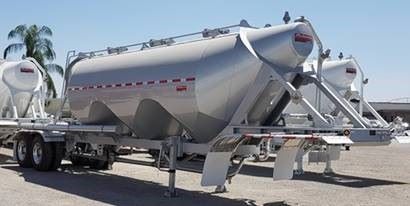
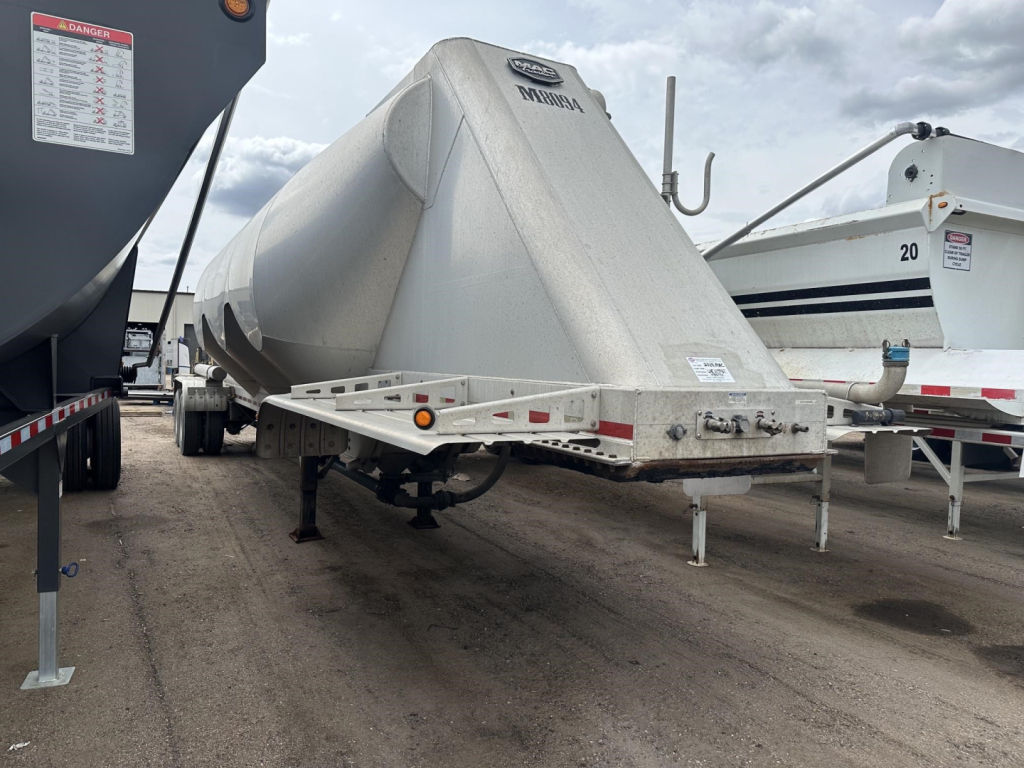
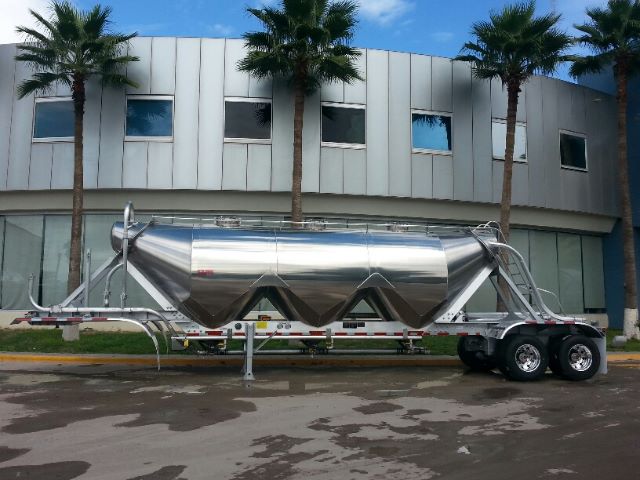
Selling a 2019 pneumatic - dry bulk trailer? List your 2019 pneumatic - dry bulk trailer for sale and reach thousands of commercial buyers.
2019 Pneumatic - Dry Bulk Trailers
The first buying decision is usually commodity and discharge system compatibility. Cement and similar fine powders demand a trailer with sound aeration, clean piping, tight dome lids, and discharge components that match your blower and hose setup. Buyers often look for aluminum barrel construction to keep tare weight down, along with aluminum piping, tees, and wheels where legal payload matters. Details like Flo Cones or C-pad aeration, 5-inch butterfly valves, hose tube length, rear work lights, and safety rail placement affect daily use more than they may seem on paper. Rear discharge is the most familiar layout in this category, but the exact plumbing design, under-axle or over-axle routing, and tee configuration can change unloading performance and maintenance cost.
A 2019 model year trailer should also be evaluated around suspension, running gear, and structural condition, not just barrel capacity. Common specs in this class include 11R22.5 tires, outside aluminum wheels, closed tandem settings around 49 inches, and Hendrickson or similar air ride suspensions. Check kingpin setting, landing gear condition, brake life, axle alignment, and signs of product buildup or moisture intrusion inside the tank. On pneumatic trailers, leaks at manholes, valves, piping connections, and aeration lines can show up as slow unload times and higher blower demand. Buyers moving dense commodities should pay close attention to actual empty weight, because small differences in trailer spec can materially affect legal payload.
The best 2019 pneumatic dry bulk trailers tend to be the ones with a clear maintenance history and a spec that matches the lane. A trailer hauling cement on short regional turns may prioritize simple rear discharge plumbing and durable components, while a bulk powder operation serving multiple products may care more about cleanout access, hose storage, and contamination control. Aluminum end frames, fenders, ladders, catwalks, and safety rails are common on later-model units and help with corrosion resistance and operator access. For most buyers, the right trailer in this category is not just about cubic feet. It is about how well the tank, piping, suspension, and weight profile fit the commodity, the blower package, and the type of unloading points the trailer will see every day.
Frequently Asked Questions about 2019 Pneumatic - Dry Bulk Trailers
What is the typical capacity of a 2019 pneumatic dry bulk trailer?
A common capacity range for a 2019 pneumatic dry bulk trailer is about 1,000 to 1,050 cubic feet, usually in a 42-foot tandem axle configuration. That size is popular because it works well for cement, lime, fly ash, and similar powdered products while keeping the trailer maneuverable and broadly compatible with standard bulk loading and unloading setups. Actual payload depends on the commodity’s density, the trailer’s tare weight, and local bridge and axle laws.
What commodities are commonly hauled in pneumatic dry bulk trailers?
Pneumatic dry bulk trailers are commonly used for cement, lime, fly ash, silica, sand, and other dry powdered or pelletized materials that can be unloaded with air pressure. The exact suitability depends on the trailer’s aeration system, valve sizes, piping layout, and how clean the barrel can be kept between loads. Buyers hauling food-grade or contamination-sensitive products should pay even closer attention to prior use, internal condition, and cleanout design.
Why are three-hopper pneumatic trailers so common?
Three-hopper designs are common because they promote consistent product flow to the discharge system while supporting a practical combination of capacity and unloading control. They are widely used in cement and construction-related service because they can handle common bulk powder densities and allow operators to manage unloads efficiently. Hopper count also affects cleanout, aeration performance, and how evenly product moves through the tank during discharge.
What should I inspect on a used 2019 pneumatic tank trailer?
Key inspection points include barrel condition, manhole seals, discharge valves, aeration components, piping, tees, hose tubes, suspension, brakes, tires, wheels, landing gear, and kingpin area. A pneumatic trailer can look clean externally but still have leaks or wear that reduce unload efficiency. It is important to check for product residue, signs of moisture intrusion, cracked welds, corrosion around fittings, and any repairs to the discharge plumbing or subframe.
Is aluminum construction better on a pneumatic dry bulk trailer?
Aluminum construction is often preferred because it reduces empty weight and can improve legal payload, especially in weight-sensitive bulk applications. Aluminum barrels, piping, wheels, and structural components can also help with corrosion resistance. The tradeoff is that condition matters more than material alone, so buyers should focus on the full trailer spec, repair quality, and how the trailer has been used rather than assuming every aluminum trailer is automatically the better choice.