
Pitts Trailers For Sale
Browse Pitts trailers for sale, including lowboy and heavy-haul configurations built for strength, payload stability, and demanding jobsite use.
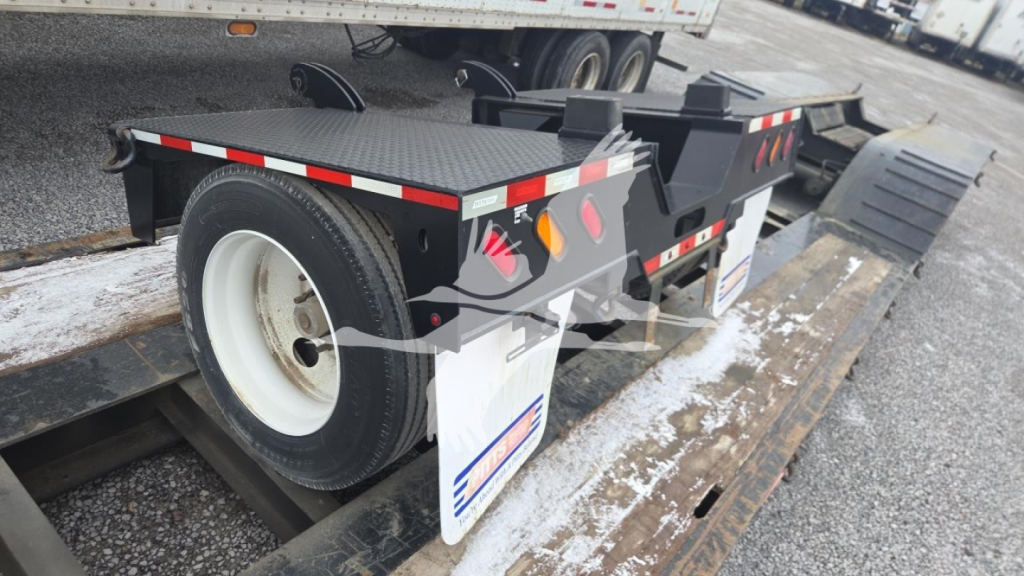
Selling a pitts trailer? List your pitts trailer for sale to reach thousands of commercial buyers.
Pitts Trailers
On used Pitts trailers, the most important inspection points are structural condition and running gear. Check the main beams, crossmembers, deck plate, outriggers, ramps, and neck area for repairs, stress cracks, or signs of overloading. Suspension type matters too. Air ride can improve load stability and ride quality for certain equipment, while mechanical setups are still valued for simplicity and jobsite durability. Axle count, fixed versus steerable axle arrangement, tire size, brake condition, wheel type, and remaining tread all affect operating cost and how easily the trailer will fit your hauling profile.
Pitts trailers are commonly spec'd with practical equipment for securement and visibility, including D-rings, chain slots, rear work lights, stop-tail lighting, strobes, mud flaps, and tool storage depending on application. For buyers hauling excavators, dozers, skid steers, or other tracked and wheeled equipment, deck traction, ramp angle, and concentrated load capacity are just as important as gross trailer weight rating. A trailer that looks similar on paper can perform very differently depending on axle spacing, suspension design, and how the deck is reinforced in high-stress load zones.
Resale demand for Pitts remains strongest in vocational hauling because the brand is associated with purpose-built steel trailers that are designed to work hard. The best choice comes down to the loads you move most often, the permit environment in your region, and the truck you plan to pair it with. Buyers comparing Pitts trailers should pay close attention to kingpin setting or neck geometry, loaded ride height, bridge law implications, and serviceability of brakes, bushings, air system components, and electrical wiring. Those details will usually tell you more than paint condition about how the trailer will perform in daily use.
Frequently Asked Questions about Pitts Trailers
What are Pitts trailers most commonly used for?
Pitts trailers are commonly used for heavy equipment transport, especially in lowboy and specialized hauling applications. They are a strong fit for moving excavators, dozers, loaders, paving equipment, agricultural machines, and other freight that benefits from a low deck height and a durable steel frame. Many buyers choose Pitts when jobsite durability and concentrated load handling are more important than lightweight design.
What should I inspect first on a used Pitts lowboy trailer?
Start with the structure before anything else. Look closely at the neck, main beams, crossmembers, deck surface, ramp connections, suspension mounts, and axle areas for cracks, previous repairs, bends, or heavy corrosion. After that, check brake condition, tire wear, bushings, air ride components if equipped, lights, wiring, and any hydraulic or mechanical detach functions. A clean inspection in those areas is usually a better indicator of value than appearance alone.
Are Pitts trailers typically steel or aluminum?
Most Pitts trailers in heavy-haul and lowboy applications are steel because steel handles concentrated equipment loads and rough jobsite use well. That construction can add tare weight compared with aluminum trailer categories, but many buyers accept the tradeoff for durability, repairability, and frame strength. Material choice should be matched to payload requirements, route restrictions, and the type of machinery being hauled.
How do axle configuration and suspension affect a Pitts trailer's performance?
Axle configuration affects legal weight distribution, turning behavior, tire wear, and permit flexibility. Suspension type affects ride quality, load stability, and maintenance requirements. A single axle, tandem, or additional flip axle setup can change how the trailer handles different machines and state bridge rules. Air ride may offer better cushioning for certain loads, while other suspension designs may be preferred for simplicity and harsh-duty service.
Is a Pitts trailer a good choice for permit loads?
Many Pitts trailers are well suited for permit loads because lowboy and specialized designs can provide the deck height, structural capacity, and axle flexibility needed for taller or heavier equipment. The exact suitability depends on deck height, axle spacing, gross rating, neck style, and whether the trailer can accept a flip axle or other heavy-haul accessories. Buyers should match the trailer's configuration to the dimensions and weight of their most common loads and the permit rules in the states they run.