
New Fontaine Other Trailers For Sale
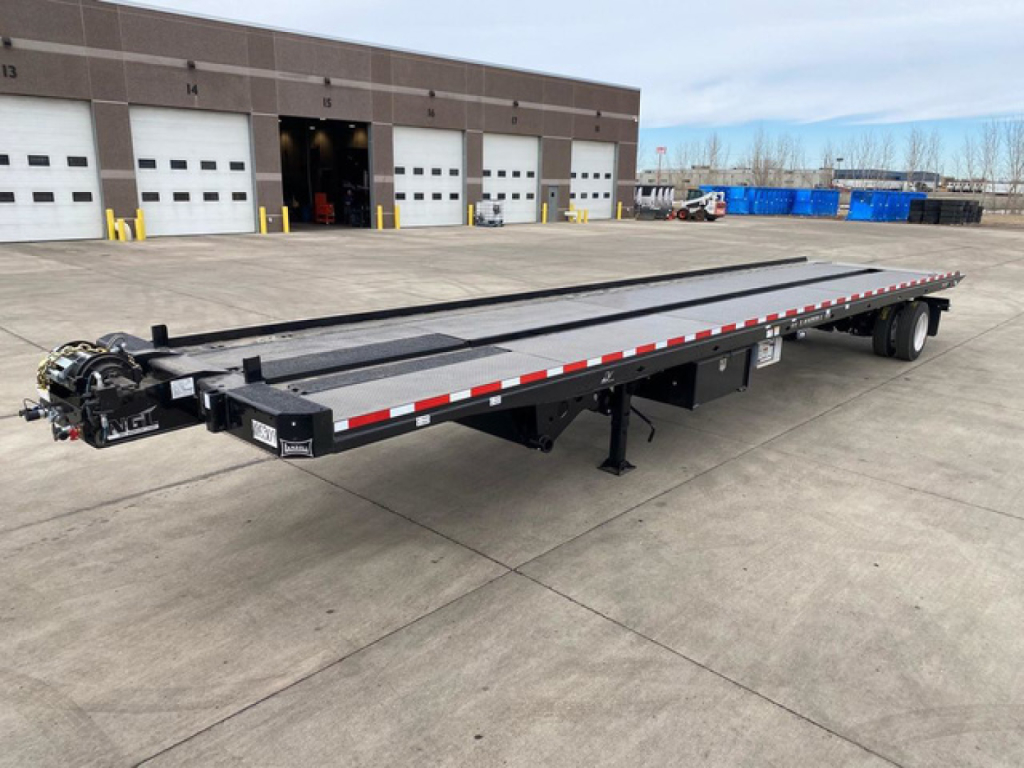
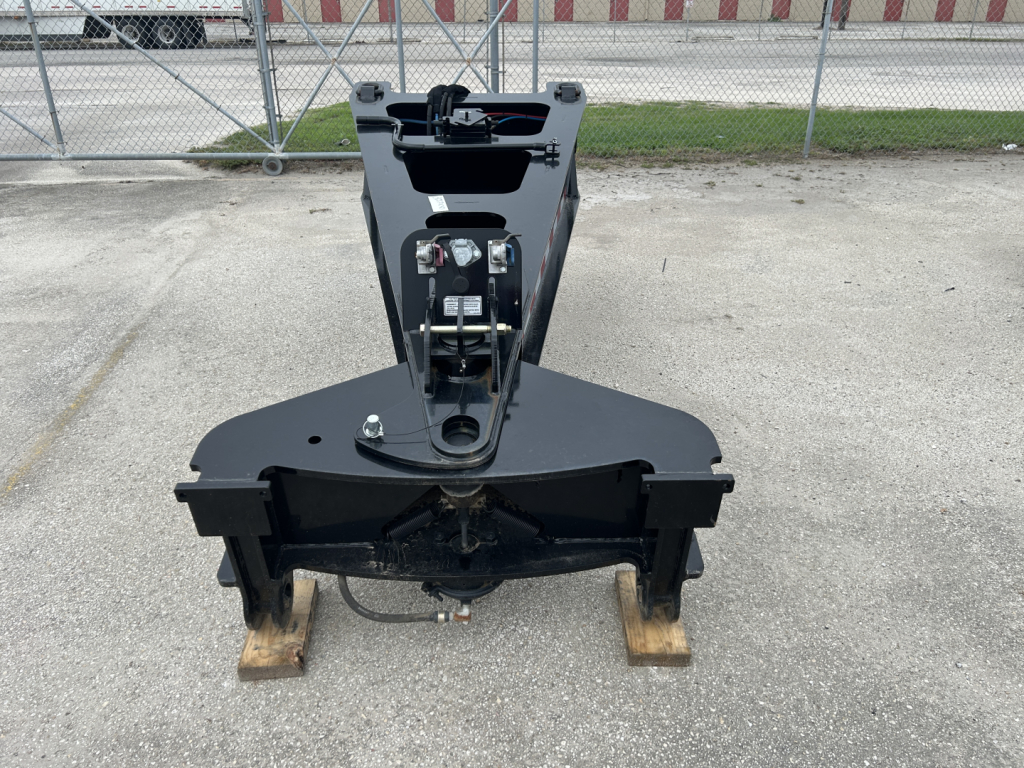
New Fontaine other trailers for sale, including heavy haul flip axles and specialty trailer components built for double drop load flexibility.
Learn moreNo exact matches found for your search
Showing New Other Trailers instead.
Showing 13 to 14 of 14 results
Have new fontaine other trailer to sell? List it here to reach thousands of buyers.
About New Fontaine Other Trailers
A flip axle is typically paired with a detachable gooseneck lowboy or double drop trailer and is designed to be pinned on when the load requires additional axle capacity. The main buying questions are compatibility, axle rating, suspension type, brake setup, and overall weight. Buyers should confirm whether the flip axle is built for a specific Fontaine heavy haul platform or if it matches the connection points and ride height of an existing trailer. It is also important to verify tire size, hub-piloted versus stud-piloted wheels, ABS provisions, air and electrical hookup layout, and whether the unit is self-steering or fixed, depending on the intended routing and state regulations.
New Fontaine specialty trailer equipment is generally chosen by fleets that need dependable integration with established heavy haul combinations. Fontaine is well known in the lowbed and specialized hauling market, and buyers usually focus on structural durability, ease of hookup, and serviceability in the field. On a flip axle, details like frame construction, paint quality, landing arrangement, axle spacing, and brake component access matter because this equipment often works in severe loading conditions with tight scheduling and permit-driven moves.
For buyers comparing listings, the right decision usually comes down to the load profile and the legal environment where the trailer will run. A 3rd axle flip can be the difference between moving a machine efficiently on an existing trailer setup or needing a different configuration altogether. Check the gross axle weight rating, loaded deck height impact, and how the added axle changes turning radius, bridge formula compliance, and permit planning. If the equipment will stay in regional heavy haul service, long-term parts support and consistency with the rest of the trailer fleet are usually just as important as the purchase price.
Frequently Asked Questions
What is a Fontaine flip axle used for?
A Fontaine flip axle is used to add axle capacity to a heavy haul trailer combination, most commonly a lowboy or double drop. By adding another axle group, it helps distribute weight more effectively, improve bridge compliance, and support heavier permitted loads. It is commonly used when hauling construction equipment, transformers, crushers, and other concentrated loads that would overload the base trailer configuration by itself.
How do I know if a flip axle will fit my double drop or lowboy?
Fitment depends on more than brand name. Buyers need to confirm the connection design, ride height, axle spacing, brake and ABS compatibility, and the air and electrical hookup arrangement. A flip axle built for a specific Fontaine heavy haul trailer may not interchange correctly with another make or even another model series without modifications. The safest approach is to match the axle to the exact trailer platform and verify the manufacturer specifications before purchase.
What specs matter most when buying a new heavy haul flip axle?
The most important specs are axle rating, suspension type, brake configuration, tire and wheel setup, and the structural design of the frame. Buyers should also look at overall tare weight, kingpin or connection geometry where applicable, and whether the axle is fixed or steerable. These details affect legal payload, maneuverability, maintenance cost, and how well the added axle performs under real heavy haul conditions.
Can a 3rd axle flip axle help with permit and bridge law compliance?
Yes, that is one of the main reasons fleets use them. Adding a 3rd axle can improve weight distribution across the combination and help the trailer meet state bridge formula and axle spacing requirements for certain loads. It does not automatically make every load legal, because permit rules vary by state and by load type, but it gives operators more flexibility when planning heavy haul moves.
Why buy new specialty trailer equipment instead of used?
New specialty trailer equipment gives the buyer a known starting point on structural condition, brake wear, suspension life, and component spec. On heavy haul gear, unknown fatigue history can become expensive quickly because these units often handle high concentrated loads and severe duty cycles. A new unit also makes it easier to standardize axle ratings, tires, wheel ends, and service parts across the fleet.