
Fontaine Other Trailers For Sale
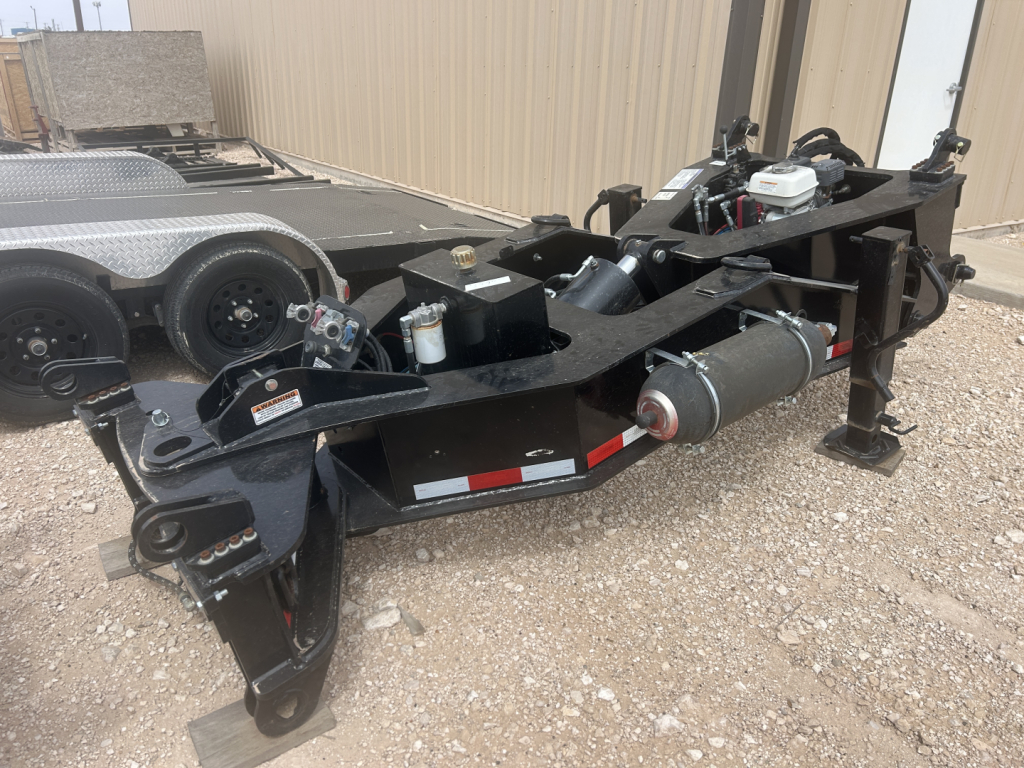
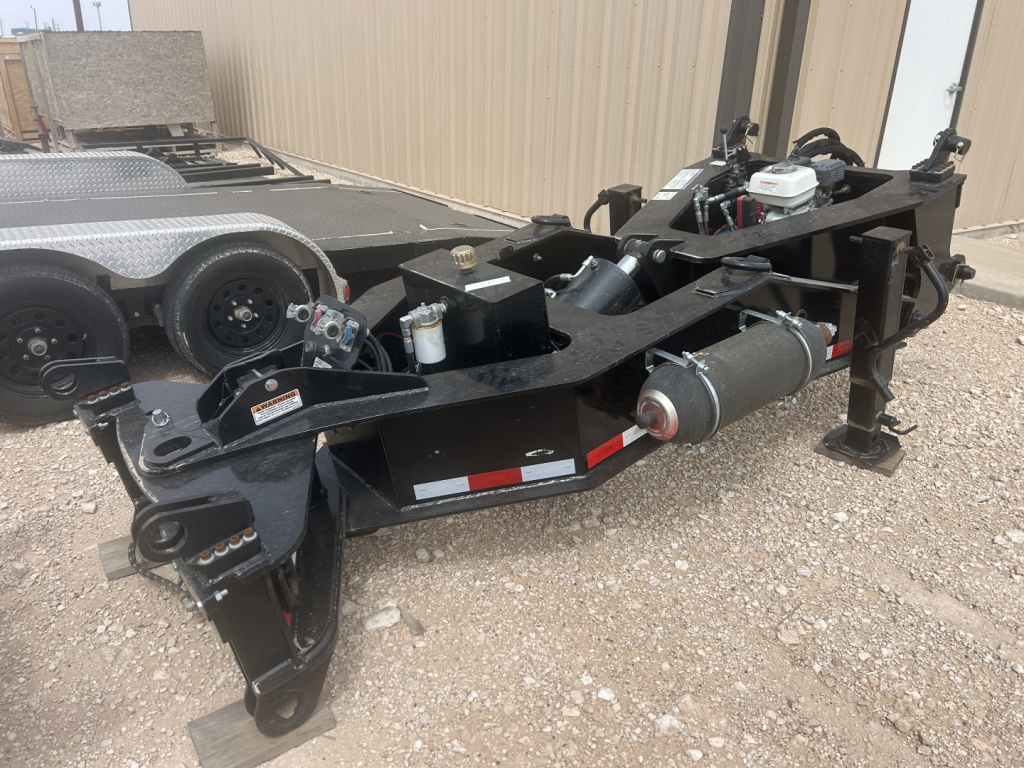
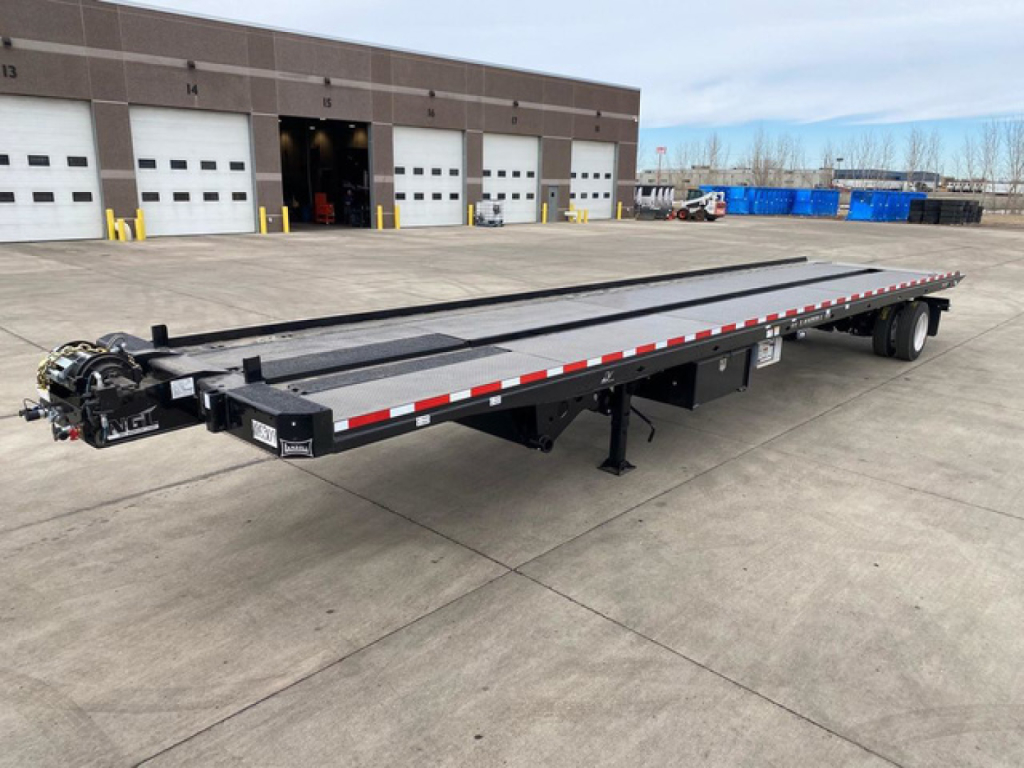
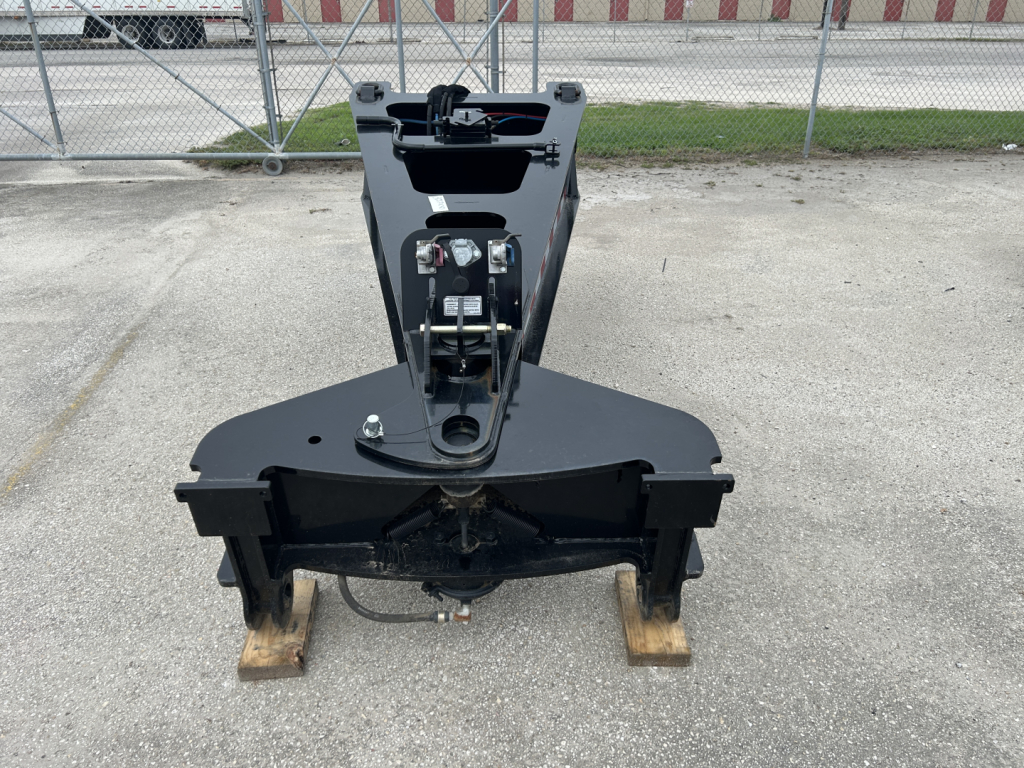
Shop Fontaine other trailers including heavy haul flip axles and specialty trailer configurations built for demanding load and axle requirements.
No exact matches found for your search
Showing Other Trailers instead.
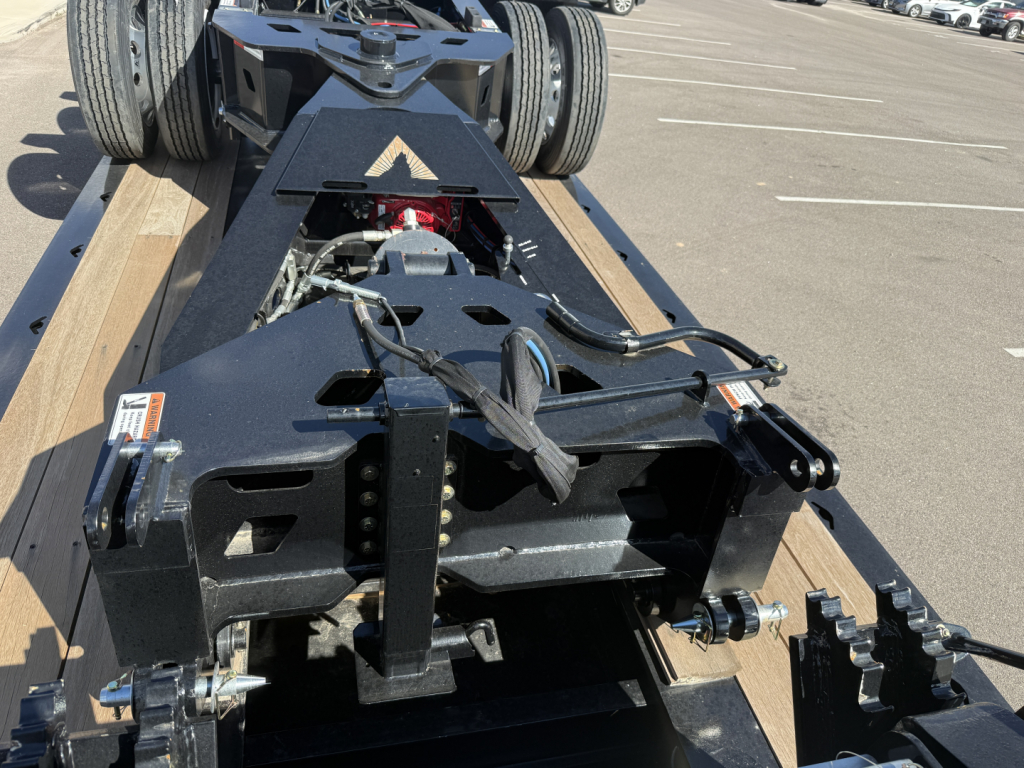
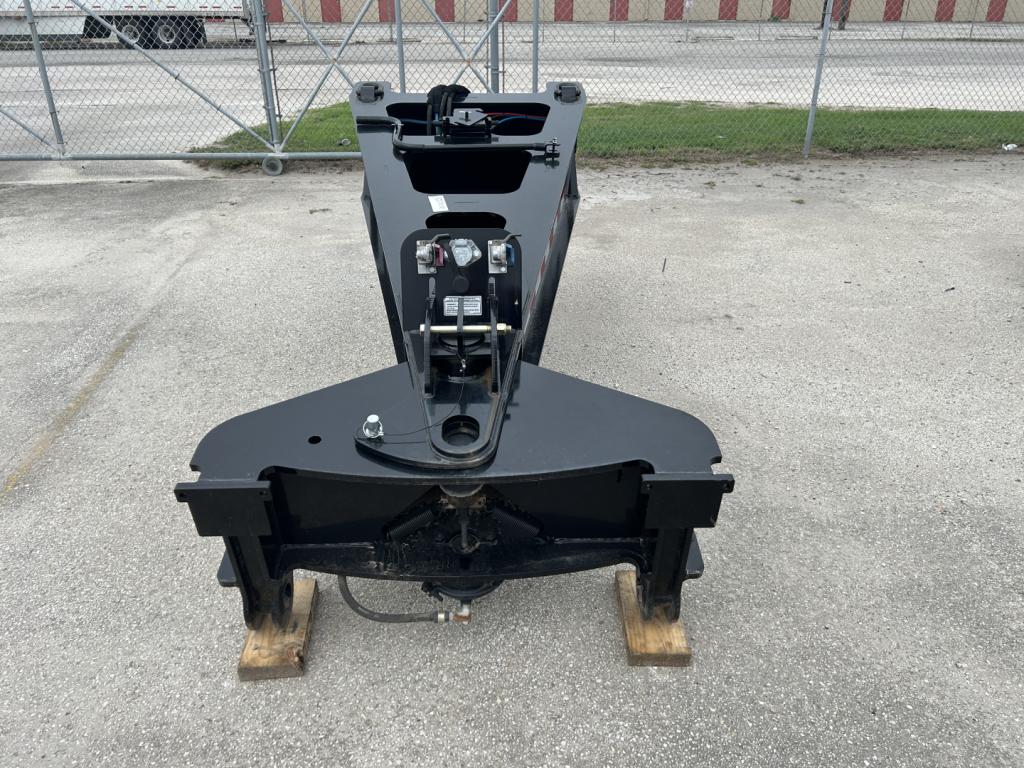
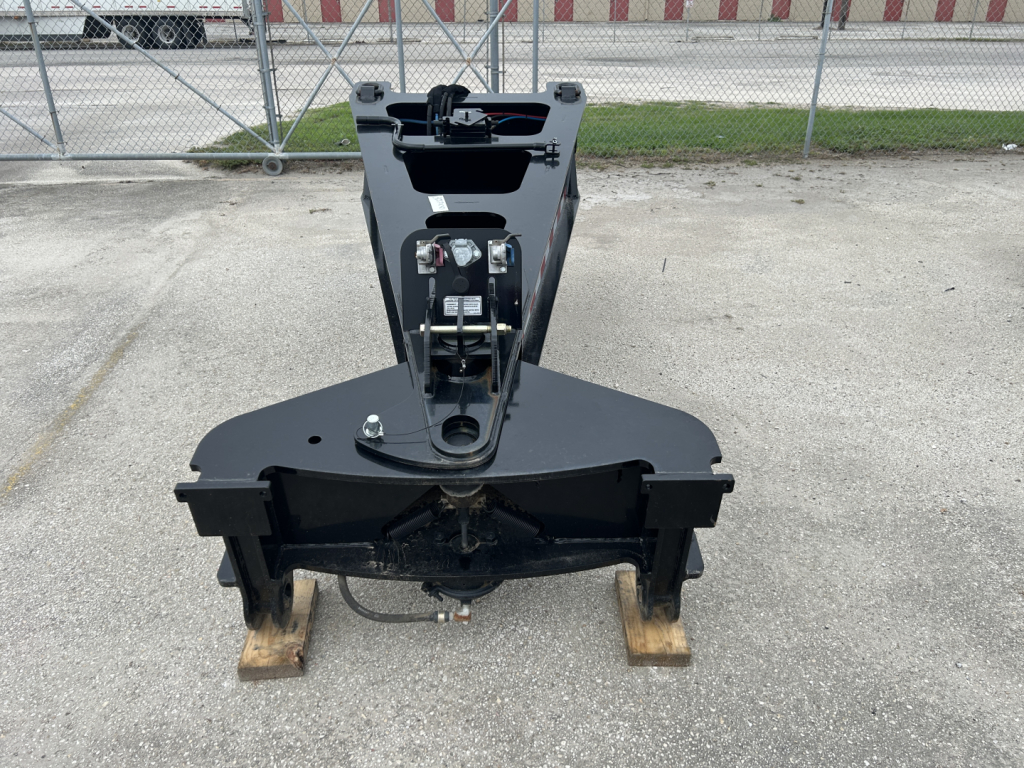
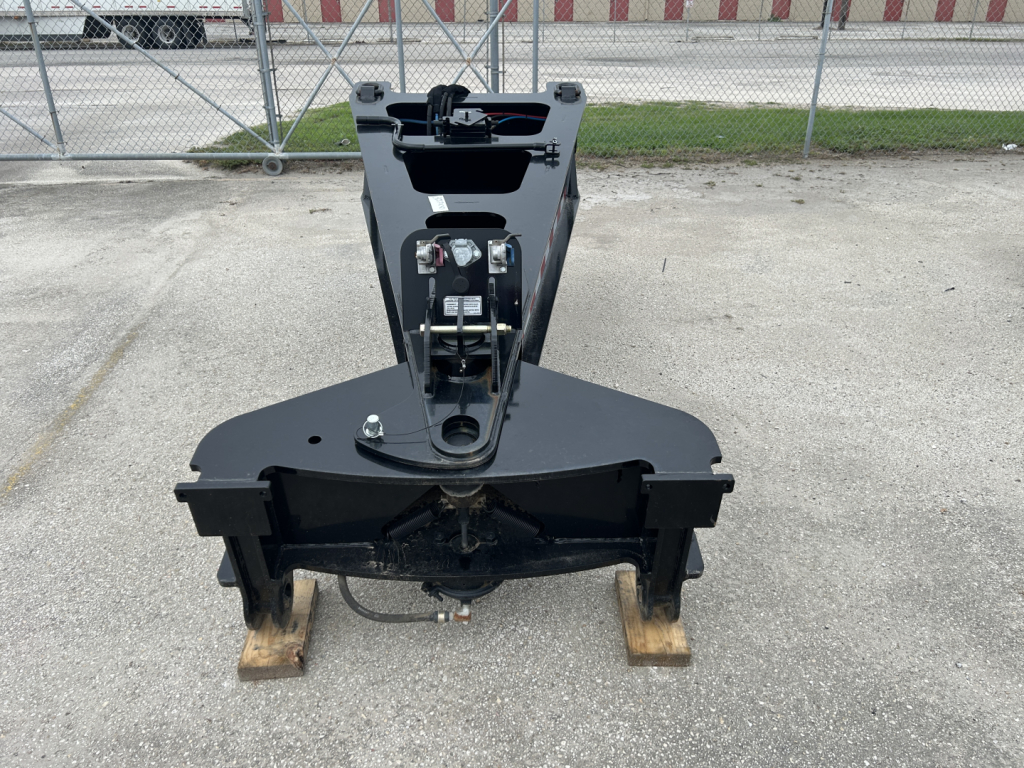
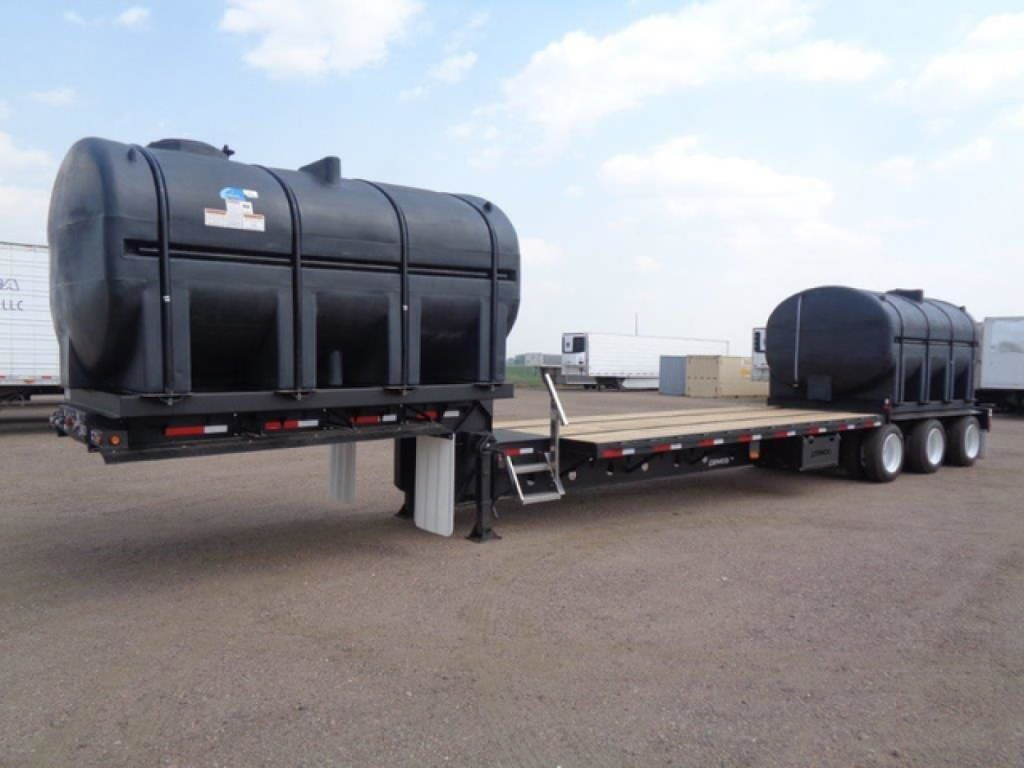
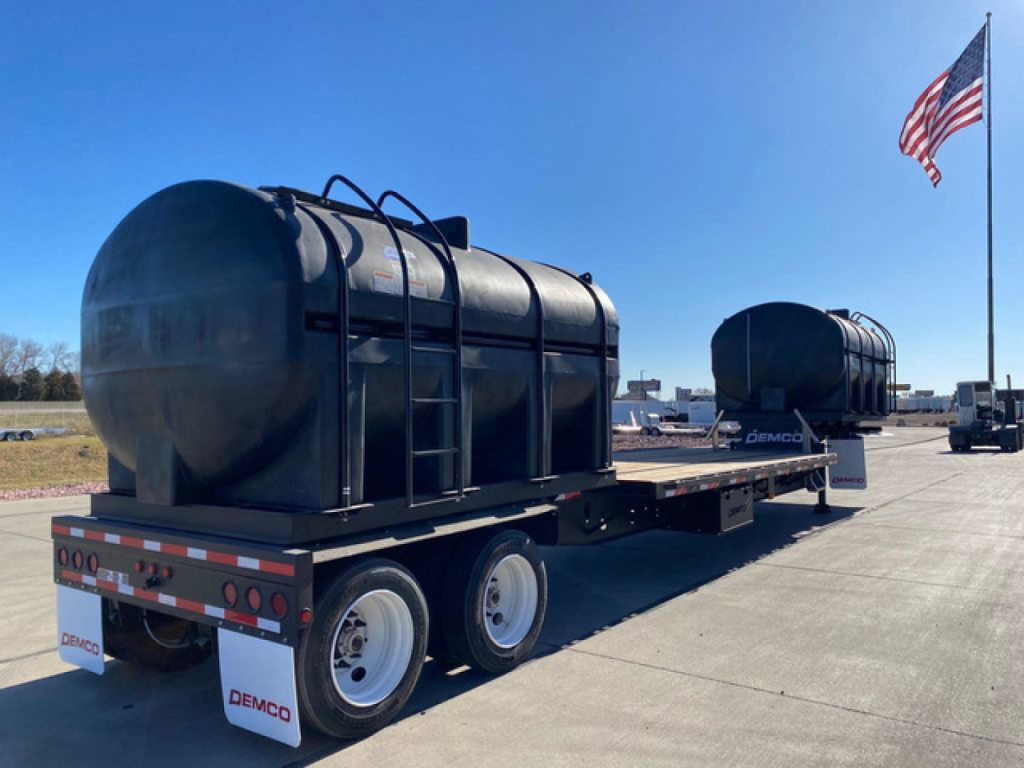

Selling a fontaine other trailer? List your fontaine other trailer for sale and reach thousands of commercial buyers.
Fontaine Other Trailers
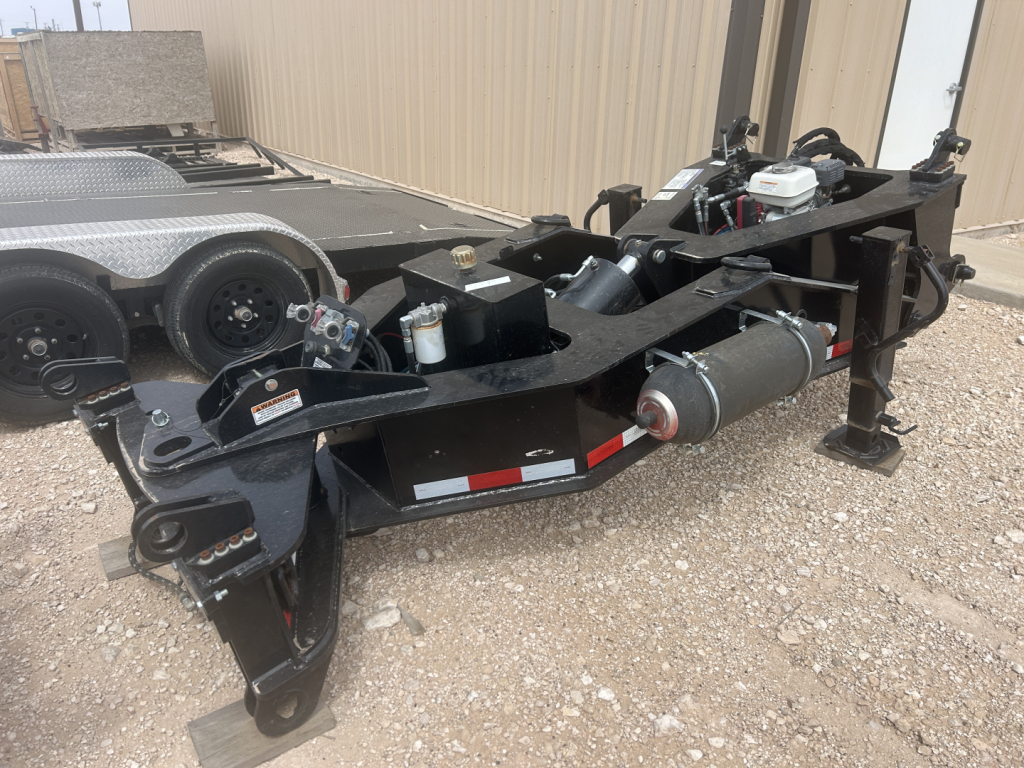
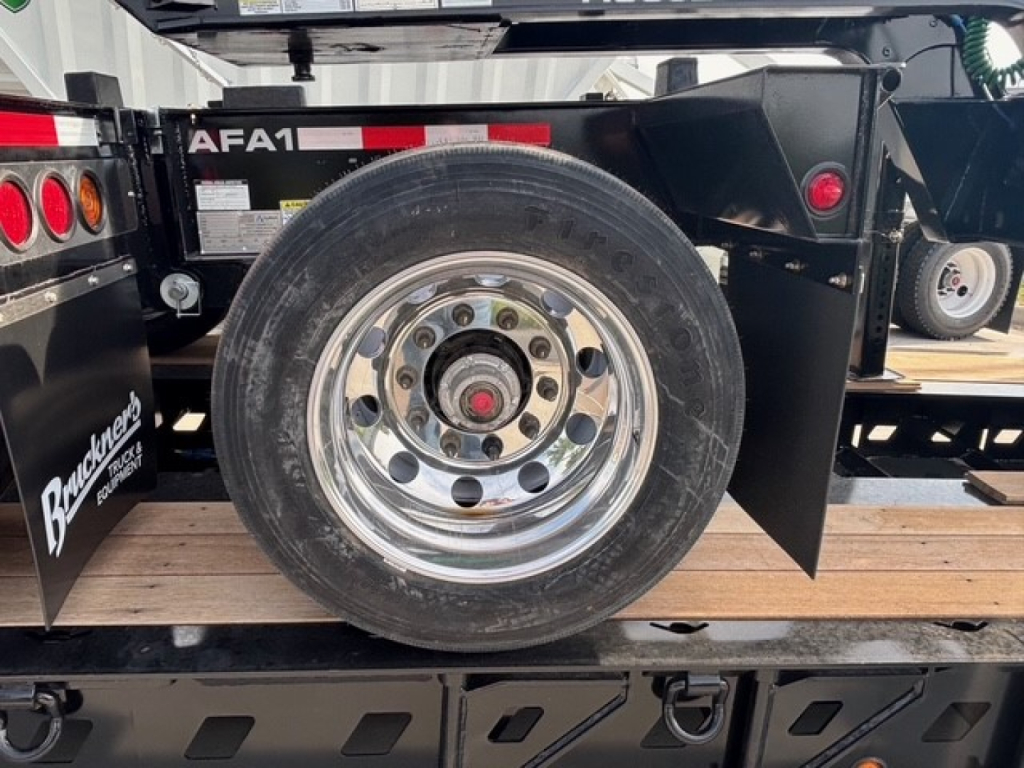
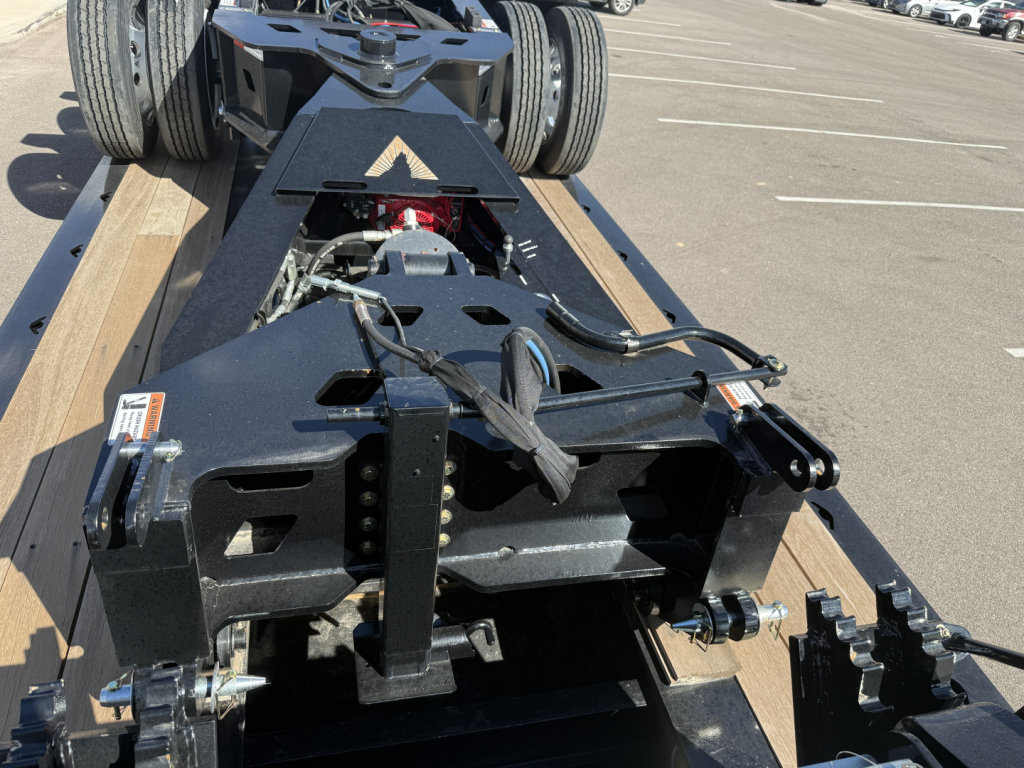
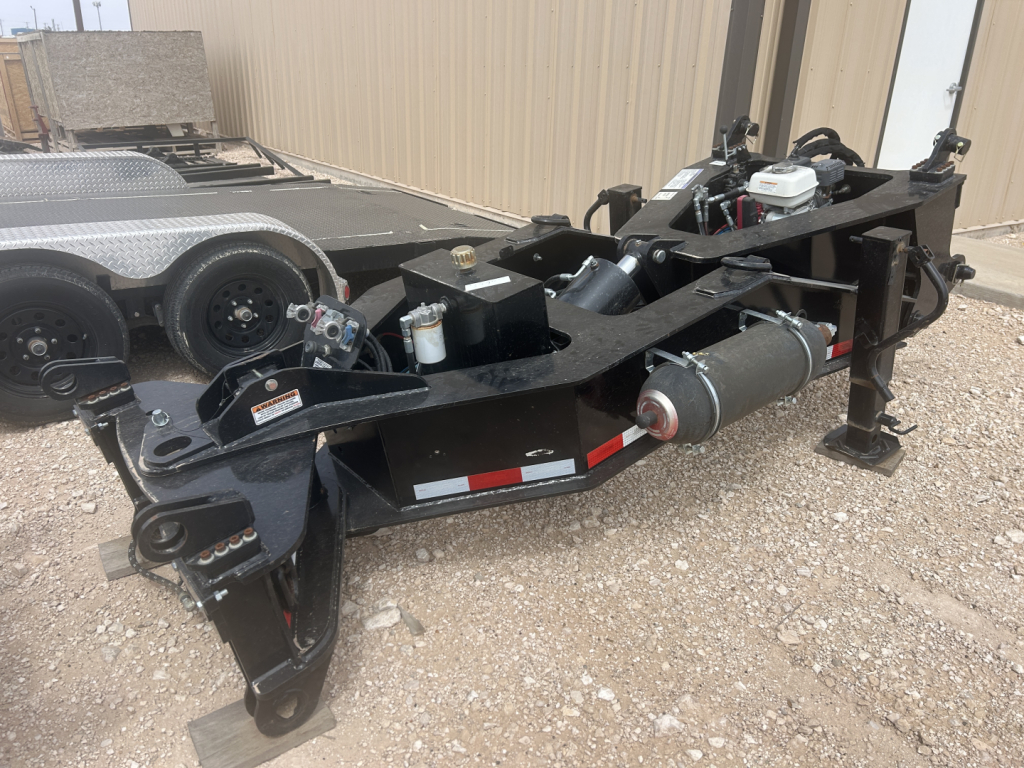
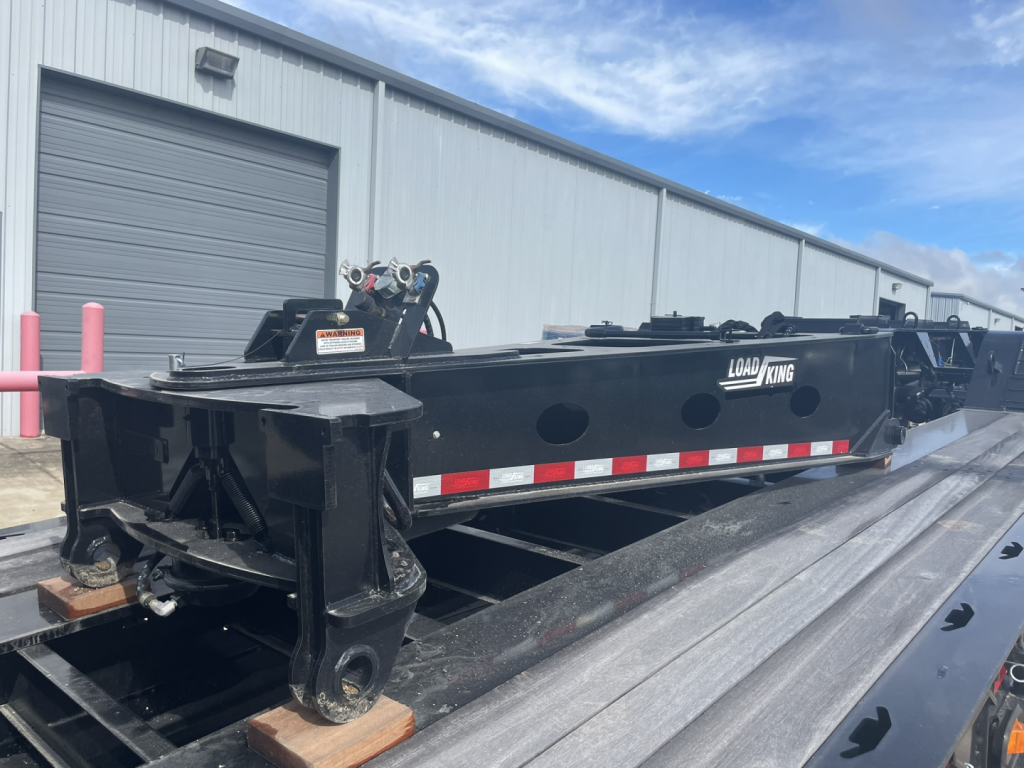
On heavy haul equipment, a flip axle is a removable or attachable axle assembly that mounts to the rear of the main trailer to spread weight across additional axles. Buyers need to confirm rated capacity, axle spacing, brake specification, hub and drum or disc setup, tire size, and whether the assembly is designed for a particular Fontaine model line. Steel construction is common because these units are built for concentrated load forces and jobsite abuse. Wheel-end specification matters more than many first-time buyers expect because keeping hubs, bolt pattern, and service parts common across the fleet reduces downtime and simplifies roadside repair.
Compatibility drives value in this category. Check the suspension type, loaded deck height impact, coupler or hinge arrangement, electrical connections, air line routing, and ABS requirements before you assume a specialty Fontaine trailer component will interchange with another brand or even another model family. In heavy haul service, small spec differences can create real problems with tire wear, tracking, braking balance, or legal axle weights. Buyers also pay close attention to state-by-state permit use, since some jurisdictions are strict about how additional axles are configured, lifted, or used in relation to the main trailer and the permitted load.
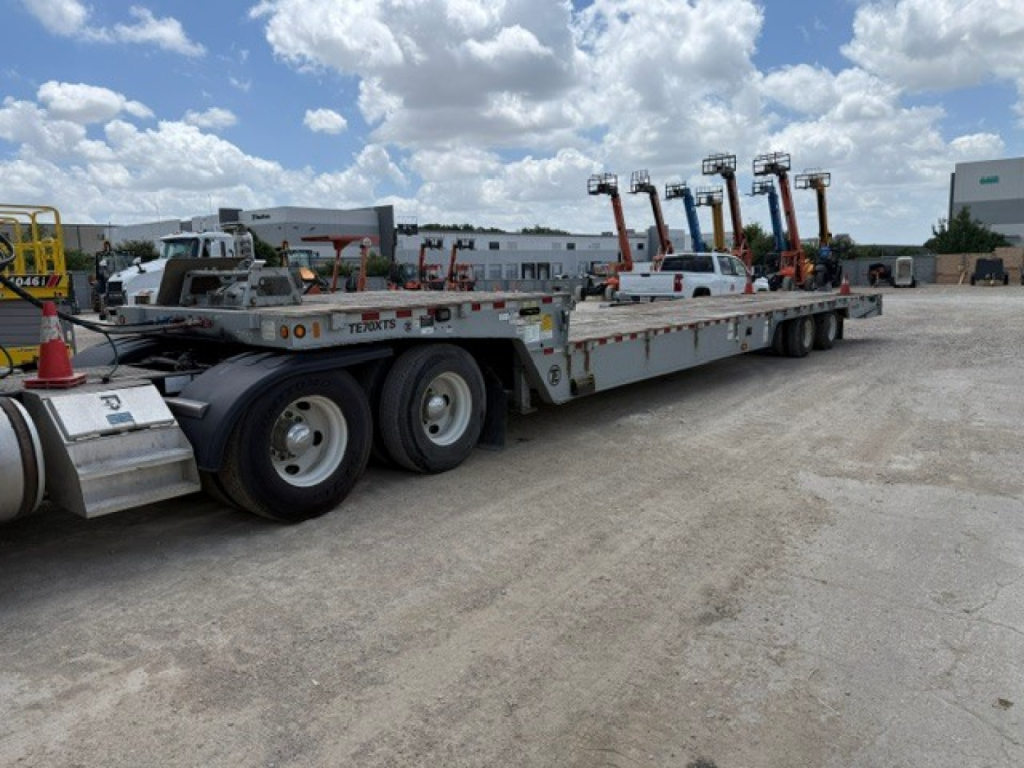
Condition and supportability matter just as much as the base spec. Look closely at frame welds, bushing wear, brake life, suspension condition, tire age, and signs of overloading or off-road stress. On newer units, confirm VIN documentation, manufacturer capacity information, and any included components needed for installation and operation. Fontaine has a strong reputation in specialized hauling, so the right trailer or axle assembly can be a productive fit for carriers moving construction equipment, transformers, steel, and other dense freight where legal payload and safe weight distribution are the main priorities.
Frequently Asked Questions about Fontaine Other Trailers
What is a Fontaine flip axle used for?
A Fontaine flip axle is typically used in heavy haul applications to add an extra axle behind a double drop, lowbed, or other specialized trailer so weight can be distributed across more axle positions. This helps carriers comply with bridge formulas and state axle weight limits when hauling oversize or overweight freight. It is a specialized component, not a general-purpose trailer, so proper matching to the main trailer is essential.
Will a Fontaine specialty trailer component fit any heavy haul trailer?
No. Specialty trailer components such as flip axles are often engineered for specific trailer models, ride heights, connection designs, and suspension setups. Buyers should verify compatibility with the main trailer’s make, model family, axle spacing, air and electrical hookups, and brake system. Assuming interchangeability can lead to alignment issues, braking imbalance, and expensive modification work.
What specs matter most when comparing Fontaine other trailers or flip axles?
The most important specifications are rated capacity, axle spacing, suspension type, brake configuration, wheel-end setup, tire size, and structural design. Buyers should also check deck height impact, overall added length, legal use in target states, and whether the unit includes the hardware or connections needed for operation. In specialty hauling, these details affect both legal payload and day-to-day reliability.
Are steel flip axles a common choice in heavy haul service?
Yes. Steel construction is common on heavy haul flip axles because it handles concentrated load stress, torsional forces, and rough service conditions well. The tradeoff is weight, so buyers need to balance durability against payload and application. For many equipment haulers and permit loads, durability and structural strength take priority over saving a small amount of tare weight.