
Fontaine Other Trailers For Sale in Alabama
No exact matches found for your search
Showing Other Trailers instead.

Showing 13 to 20 of 20 results
Have fontaine other trailer to sell? List it here to reach thousands of buyers.
Fontaine Other Trailers in Alabama
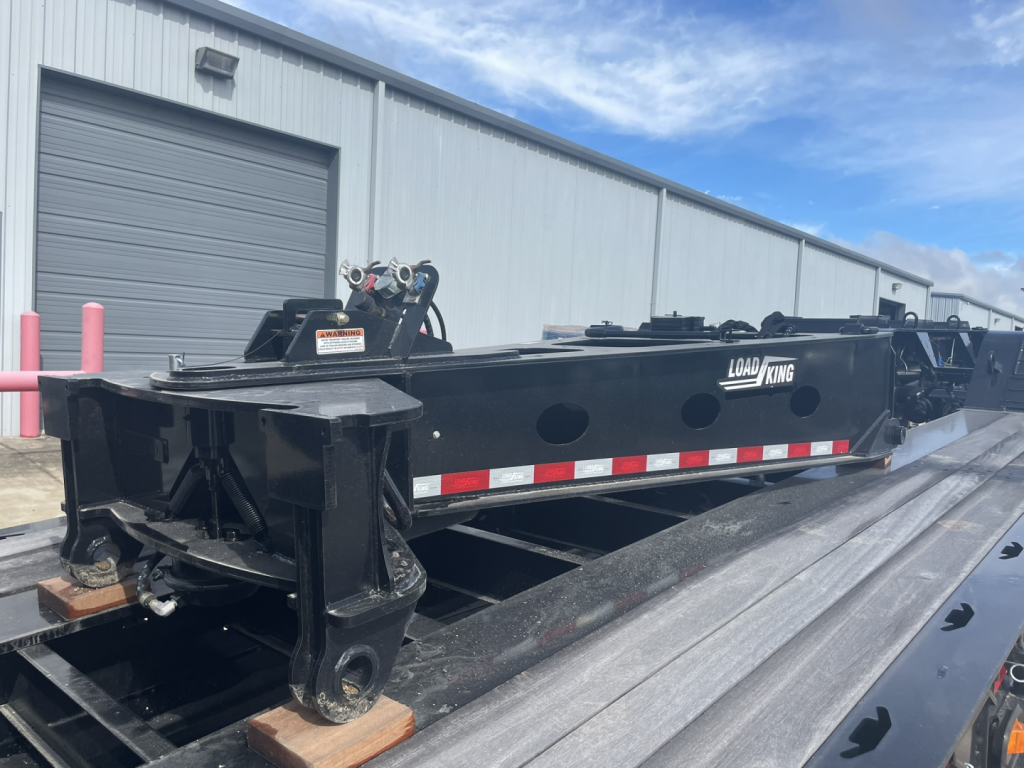
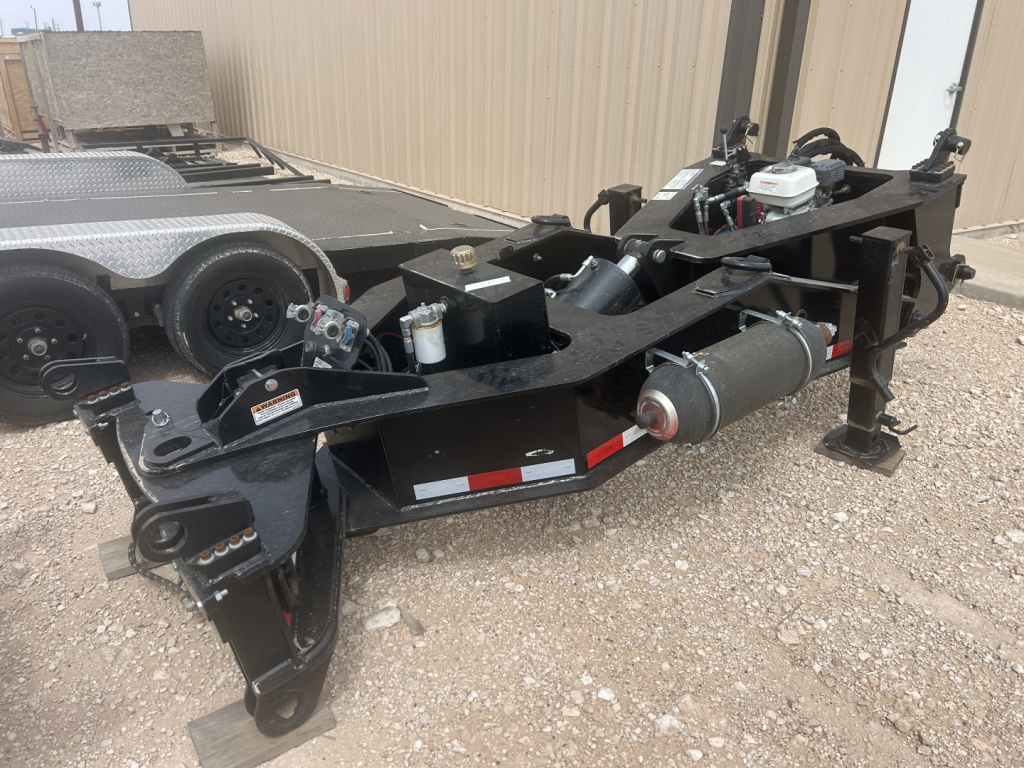
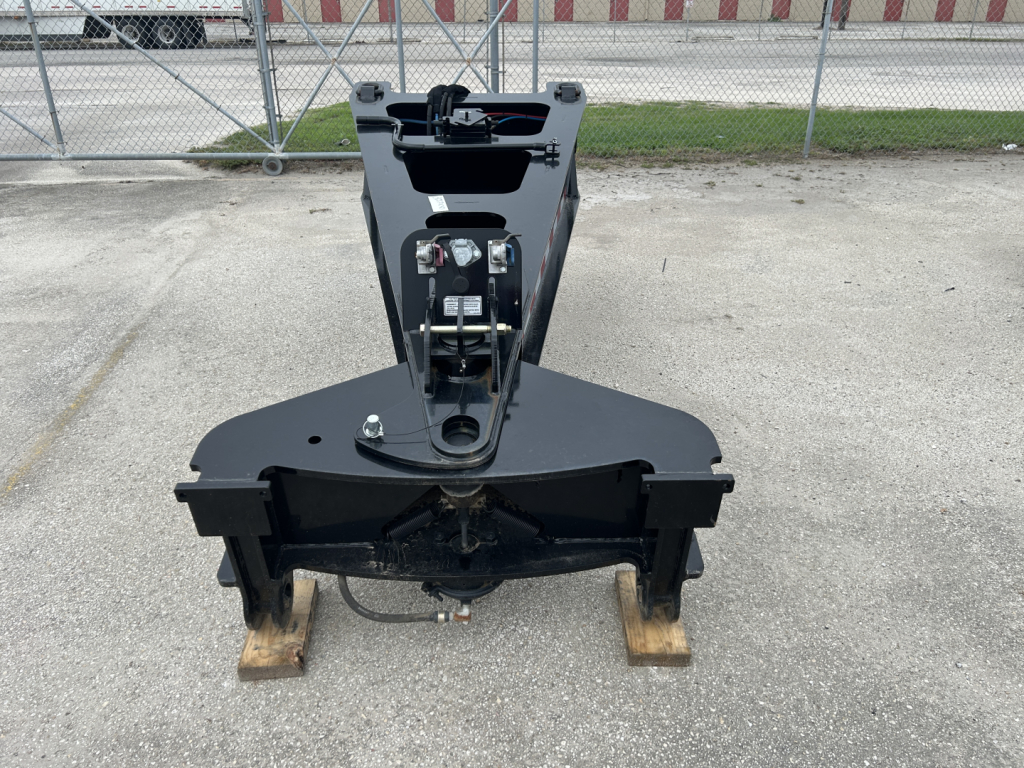
For heavy haul buyers, the key questions start with compatibility. A flip axle has to match the parent trailer’s suspension, connection style, ride height, brake setup, and load distribution requirements. Buyers should confirm whether the unit is designed for a particular Fontaine heavy haul series, what axle capacity it carries, and whether it uses air ride or mechanical suspension. Brake specifications, tire and wheel size, overall spread, and the way the axle flips or pins into transport position all matter in daily operation. If the trailer will run in Alabama and across the Southeast, permit strategy, bridge formulas, and state-by-state axle spacing rules should be reviewed before purchase.
Construction details are especially important in this category because specialty trailers tend to work at high gross weights and in severe service. Fontaine is well known in heavy haul for robust fabricated frames, durable suspension packages, and practical serviceability. On specialty pieces, buyers should inspect frame reinforcement, air and electrical routing, brake condition, bushing wear, and the integrity of attachment points and locking mechanisms. On a flip axle, check for signs of uneven tire wear, alignment issues, and any stress around the connection area, since those items directly affect tracking, tire life, and legal load distribution.
The best Fontaine other trailer for a fleet depends on the work being done. A contractor moving concentrated machinery, cranes, or construction components may need a flip axle to make a double drop or lowboy more versatile on permitted loads. A buyer focused on occasional over-dimensional work may value straightforward hookup and low maintenance more than maximum configuration flexibility. This is a category where knowing the intended load, target states, and existing trailer setup will narrow the field quickly and help avoid expensive compatibility mistakes.
Frequently Asked Questions about Fontaine Other Trailers in Alabama
What is included in the Fontaine other trailer category?
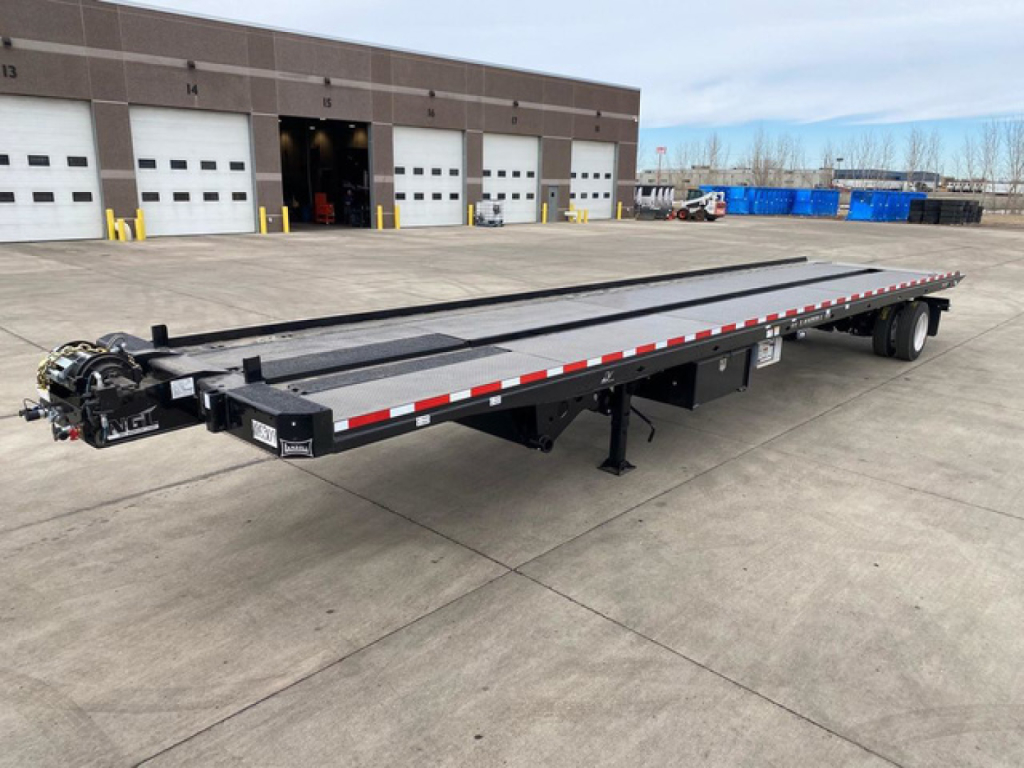
The Fontaine other trailer category usually includes specialty equipment that falls outside standard trailer classes. That can include heavy haul support components such as flip axles, booster-style assemblies, and purpose-built configurations tied to lowboy or double drop applications. These units are typically purchased for a specific operational need, not for general freight.
What does a flip axle do on a heavy haul trailer setup?
A flip axle adds another axle group to help distribute weight and improve legal payload capacity on permitted loads. It is commonly attached to the rear of a lowboy or double drop trailer and can help meet bridge law requirements by changing axle count and spacing. The exact benefit depends on the trailer design, state regulations, and the load being moved.
How do I know if a Fontaine flip axle will fit my trailer?
Fitment depends on more than brand name. Buyers need to verify the trailer series, connection design, ride height, suspension type, brake system, air and electrical hookups, and intended axle capacity. A mismatch in any of these areas can create operational problems, poor load balance, or legal compliance issues, so serial-number-level confirmation is the safest approach.
What should I inspect on a used Fontaine specialty trailer or flip axle?
Focus on structural integrity and wear points first. Check the frame for cracks or repairs, inspect suspension components and bushings, verify brake condition, and look closely at locking pins, attachment points, and air and electrical lines. Tire wear patterns can also reveal alignment or load distribution problems that may not be obvious during a basic walk-around.
Are specialty heavy haul trailers harder to permit than standard trailers?
They can be, because specialty heavy haul equipment is usually purchased to move over-dimensional or concentrated loads. Permits depend on axle spacing, axle count, gross weight, route restrictions, and state-specific rules. Buyers should think about permit strategy before purchase because the wrong axle configuration can limit legal payload or create routing issues across multiple states.