
Nuttall Trailers For Sale
Shop Nuttall trailers for sale, including lowboy configurations built for heavy equipment hauling, high load stability, and demanding jobsite use.
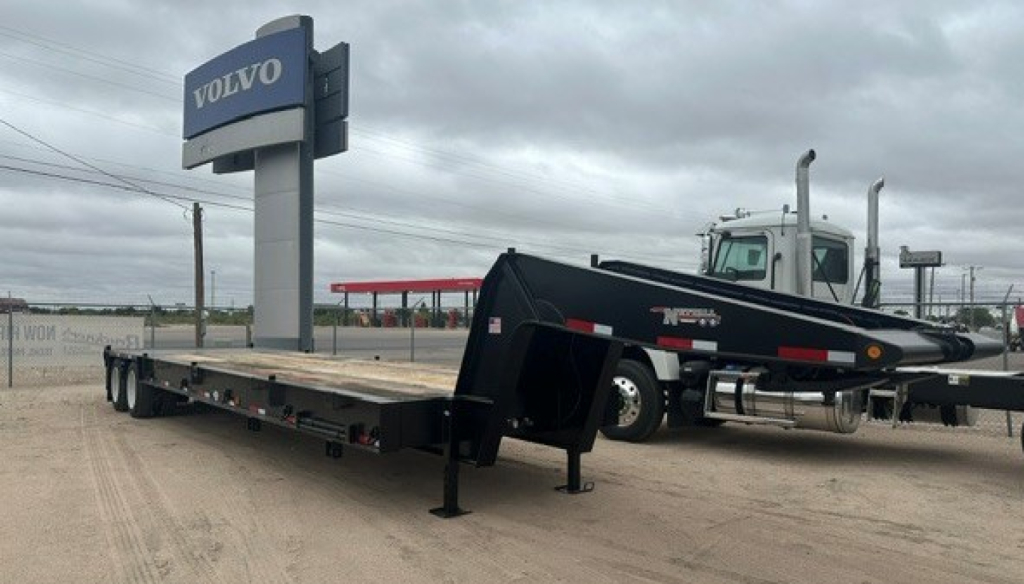
Selling a nuttall trailer? List your nuttall trailer for sale and reach thousands of commercial buyers.
Nuttall Trailers
A lot of the decision comes down to the exact style of lowboy. Fixed neck, detachable gooseneck, and various axle spreads all change how the trailer loads and how it scales. A detachable gooseneck setup is often preferred when loading tracked equipment from the front, while deck length and well length determine how comfortably larger machines fit between the neck and rear axles. Suspension type, brake package, tire size, and frame construction also deserve close attention, especially for fleets that run rough roads, quarry entrances, or repeated short-haul cycles with heavy concentrated loads. On a trailer in this class, frame rating is more important than brochure language.
Nuttall trailer shoppers should also look closely at the practical details that affect daily use and long-term serviceability. Crossmember spacing, deck construction, outriggers, tie-down points, ramp style, and lighting protection all influence durability and ease of operation. In northern states and other high-corrosion environments, finish quality and wiring protection matter more than many first-time buyers expect. If permits are part of the business, axle spacing, kingpin setting, overall trailer length, and bridge law compliance should be reviewed before purchase, not after. Matching the trailer to the tractor is just as important, especially when fifth wheel height, wet kit needs, and intended speed range are part of the equation.
For buyers comparing Nuttall trailers against other heavy-haul brands, the real question is not just capacity on paper. It is how the trailer is configured for the machines you move most often, the roads you run, and the permit environment in your region. A trailer that spends its life hauling one class of equipment can be spec'd very differently from one expected to handle mixed rental fleet moves. The strongest buying approach is to start with your heaviest common load, your tallest common load, and your strictest route requirements, then work backward into deck style, axle count, and usable capacity.
Frequently Asked Questions about Nuttall Trailers
What are Nuttall trailers commonly used for?
Nuttall trailers are commonly used for heavy equipment transport, especially in lowboy applications. They are a practical fit for hauling excavators, dozers, wheel loaders, pavers, compactors, and other machines that need a low deck height for legal and efficient transport. Buyers in construction, site work, aggregates, roadbuilding, and equipment rental often focus on this brand when shopping for trailers built around concentrated equipment loads rather than general freight.
What should I check first when comparing a Nuttall lowboy trailer?
Start with usable capacity, deck height, well length, and axle configuration. Those four points determine what equipment the trailer can carry and how easily it can stay compliant on the road. After that, check gooseneck style, suspension, brake setup, tire size, and the condition or design of structural areas such as the main beams, neck connection, and rear transition. A lowboy that looks similar on paper can perform very differently depending on how it is spec'd.
Is a detachable gooseneck better than a fixed neck on a Nuttall trailer?
A detachable gooseneck is often the better choice when loading tracked equipment or larger machines that are safest driven on from the front. It improves loading convenience and can reduce the need for special loading areas. A fixed neck can still make sense for certain fleets because it may be simpler, lighter, and well suited for consistent load types. The better choice depends on your equipment mix, loading conditions, and how often the trailer is reconfigured in day-to-day work.
How important are axle spacing and kingpin settings on a Nuttall trailer?
Axle spacing and kingpin settings are critical because they affect bridge law compliance, permit routing, and how weight transfers to the tractor. A trailer with the wrong spacing for your operating area can limit legal payload even if the structural rating is high enough for the load. Buyers moving heavy equipment across multiple states should review axle group layout, overall trailer dimensions, and kingpin location carefully before purchase to avoid costly restrictions later.