
New Trailers For Sale in Louisiana
Shop new trailers for sale in Louisiana, including flatbed and dump trailers with modern specs, lighter materials, and work-ready configurations.
Selling a new trailer? List your new trailer for sale and reach thousands of commercial buyers.
New Trailers in Louisiana
For flatbed trailers, the key buying decisions usually start with length, axle configuration, deck construction, and securement layout. A 48-foot by 102-inch combo flatbed is a common setup because it balances tare weight and durability by combining steel and aluminum construction. Buyers hauling steel coils, building materials, pipe, or machinery should pay attention to crossmember spacing, kingpin setting, winch track placement, chain tie layout, stake pocket spacing, and whether the trailer has a closed tandem slider or spread axle suspension. Features like aluminum flooring with wood nailers, recessed chain ties, sliding winches, coil packages, and air-ride suspension can make a meaningful difference in cargo protection, securement flexibility, and overall trailer life.
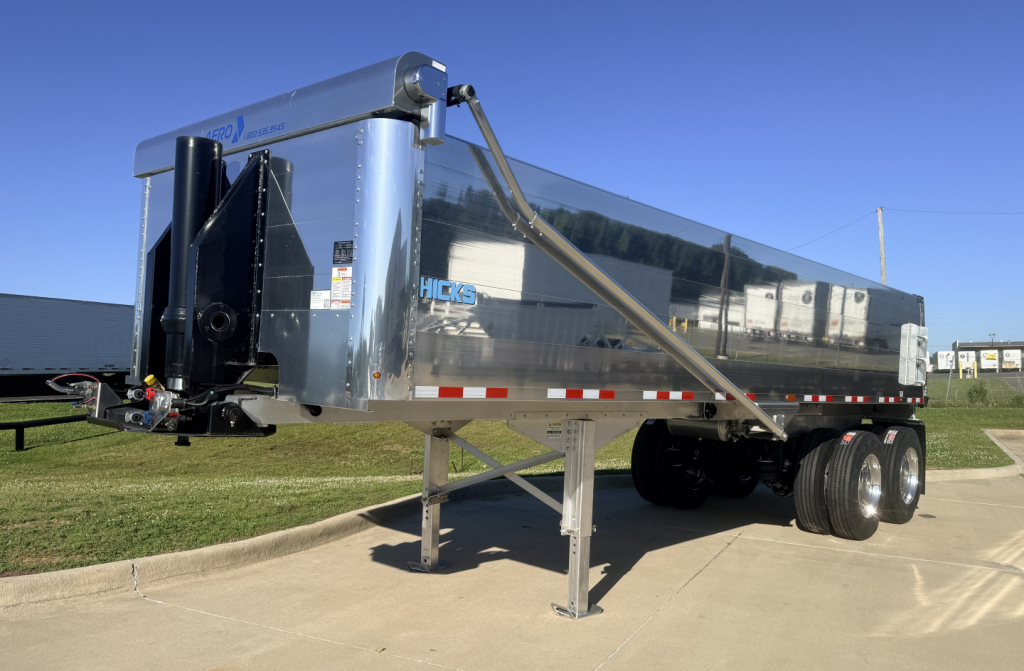
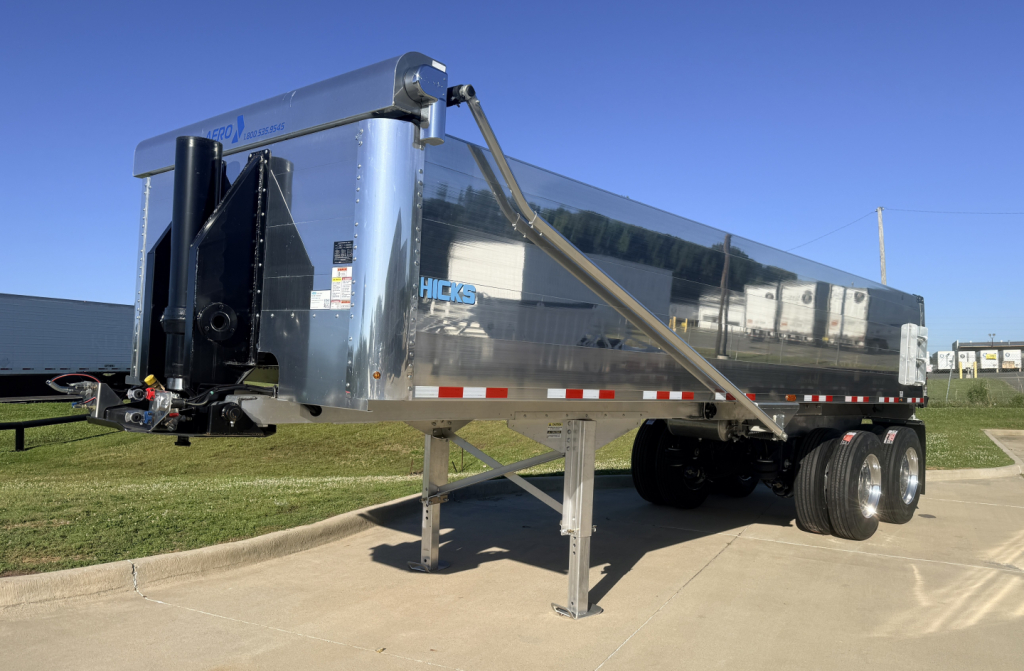
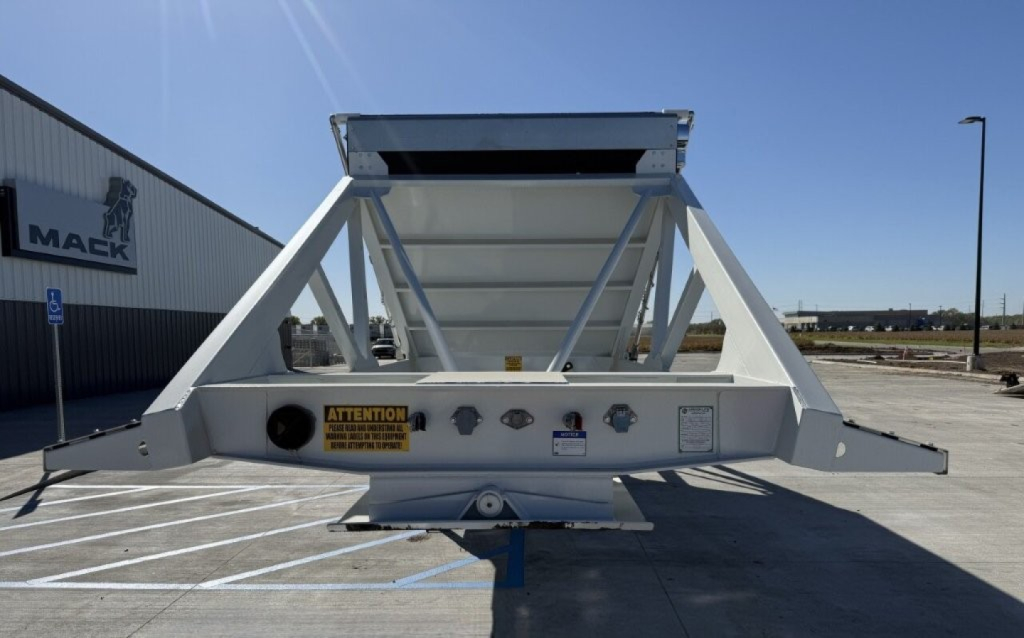
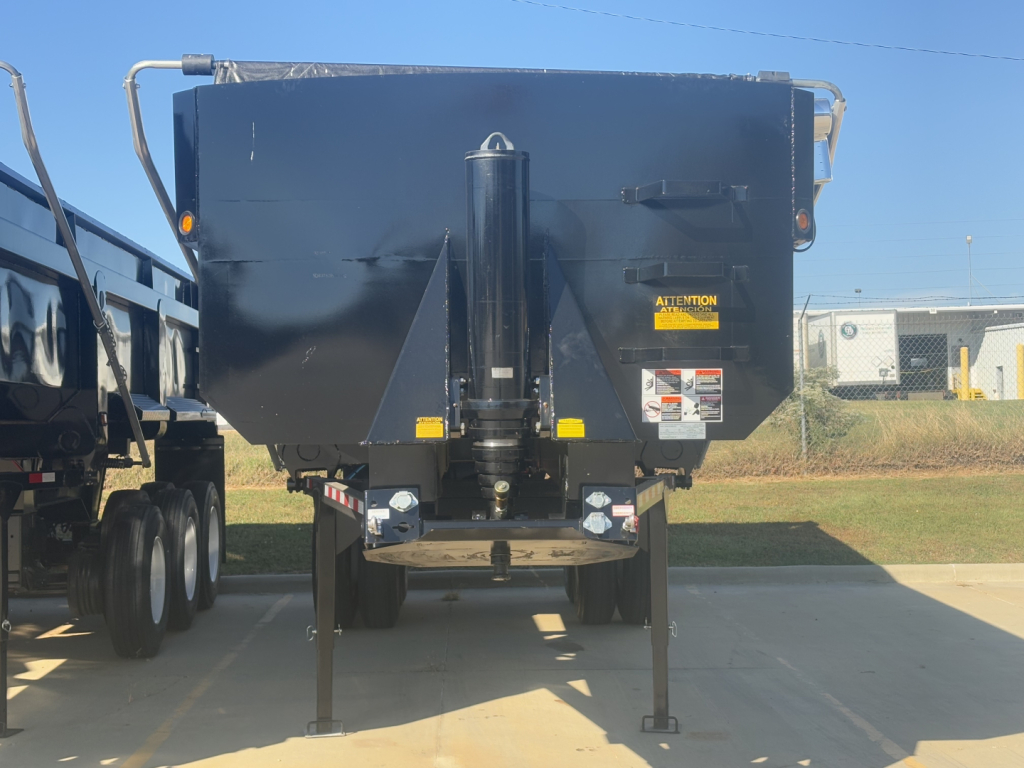
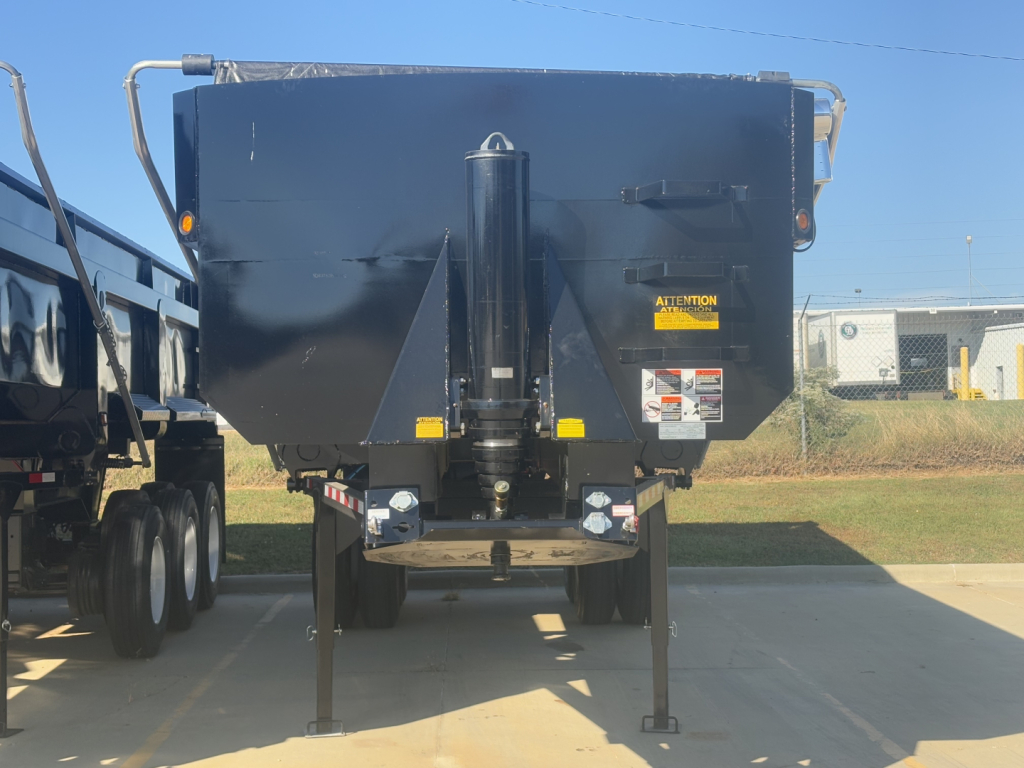
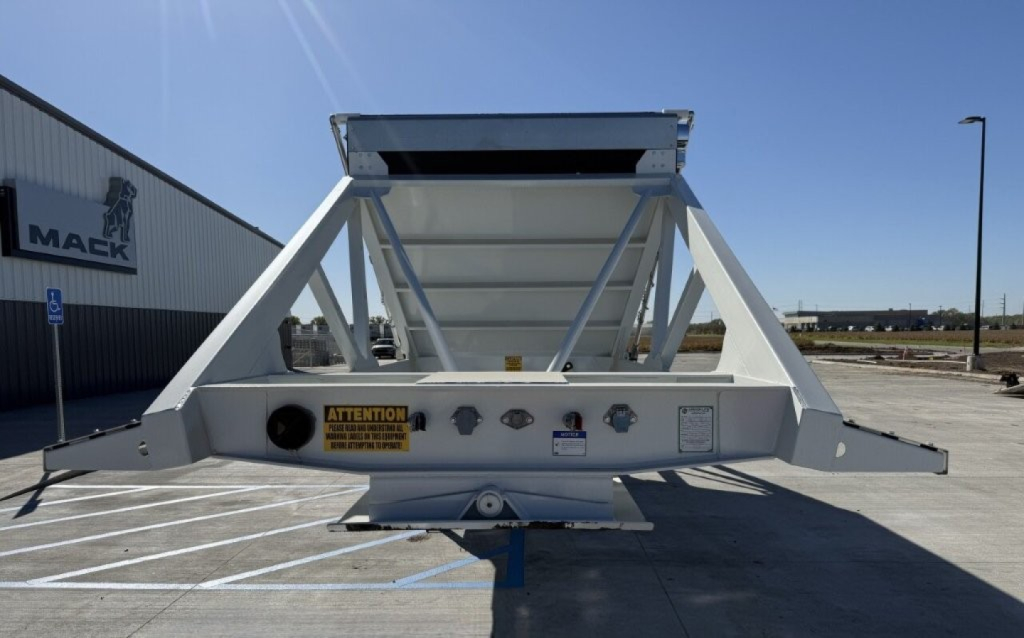
For dump trailers, especially frameless end dumps, payload and body construction are usually the first priorities. Aluminum dump trailers are popular because they reduce empty weight and improve legal payload capacity for sand, gravel, asphalt, demolition debris, and other bulk materials. Buyers should look closely at body length, liner options, tarp system type, suspension, axle lift configuration, wheel material, and brake spec. A frameless design can offer strong unloading performance and weight savings, while details like an electric flip tarp, air-ride suspension, auto-sensing lift axle, and all-aluminum wheels can improve daily productivity and reduce operating cost over time.
Across trailer types, spec discipline matters more than brand name alone. Tire size, wheel type, ABS configuration, suspension brand, drum versus disc brakes, and trailer composition all affect maintenance cost, payload, and resale. Louisiana buyers should also consider corrosion resistance, especially on trailers exposed to moisture, jobsite mud, and coastal conditions. Aluminum and combo construction can be attractive for that reason, but the right choice still depends on what the trailer hauls, how often it loads to capacity, and whether route flexibility or maximum payload is the bigger priority.
Frequently Asked Questions about New Trailers in Louisiana
What should I look for when buying a new trailer in Louisiana?
Start with the job the trailer will do every week, not just its listed capacity. Louisiana buyers should pay close attention to trailer construction, suspension type, brake spec, axle setup, and corrosion resistance because many trailers here see a mix of highway use, rough job entrances, wet conditions, and heavy loads. For flatbeds, securement layout, crossmember spacing, kingpin setting, and slider or spread-axle configuration are major factors. For dump trailers, body material, liner, tarp system, suspension, and lift axle setup are usually the biggest buying points.
Is an aluminum trailer better than a steel or combo trailer?
Aluminum trailers are often favored for lower tare weight and better corrosion resistance, which can improve payload and long-term appearance. Steel trailers usually offer strong durability in high-abuse applications but carry more empty weight. Combo trailers, common in flatbeds, are designed to balance the strengths of both materials by using steel where structural toughness matters and aluminum where weight savings help. The best choice depends on freight type, loading conditions, annual mileage, and how important payload is to the operation.
What is the difference between a spread axle flatbed and a sliding tandem flatbed?
A spread axle flatbed generally offers improved load distribution and can provide stability benefits, but it can be less maneuverable in tight areas and may have bridge law implications depending on the route. A sliding tandem flatbed gives the operator more flexibility to adjust axle position for different load lengths and weight distribution, which can be helpful across varied freight and jurisdictions. Buyers should match axle configuration to their normal freight, customer docks, and route restrictions rather than assuming one setup is always better.
Why do many new dump trailers use a frameless design?
Frameless dump trailers are popular because they reduce trailer weight and can improve payload capacity, especially in aggregate and bulk material work. They are commonly used in end dump applications where efficient unloading is important. A frameless design can also simplify the structure, but buyers still need to evaluate body construction, hoist compatibility, liner choice, and suspension spec to make sure the trailer fits the intended material and operating environment. The design works best when matched to the right duty cycle and loading practice.
Which specs matter most for resale value on a new trailer?
Resale value usually follows broad market usability. On flatbeds, common lengths, 102-inch width, air-ride suspension, strong securement packages, and practical axle configurations tend to appeal to the widest pool of second owners. On dump trailers, lighter-weight aluminum construction, desirable tarp systems, liners, lift axles, and mainstream tire and wheel sizes can help. Clean, widely accepted specs are often easier to resell than highly specialized builds, especially when parts and service support are readily available.