
New 2026 Trailers For Sale in Wyoming
Shop new 2026 trailers for sale in Wyoming, including flatbed, reefer, dump, vacuum, and drop deck configurations for demanding work.
Learn more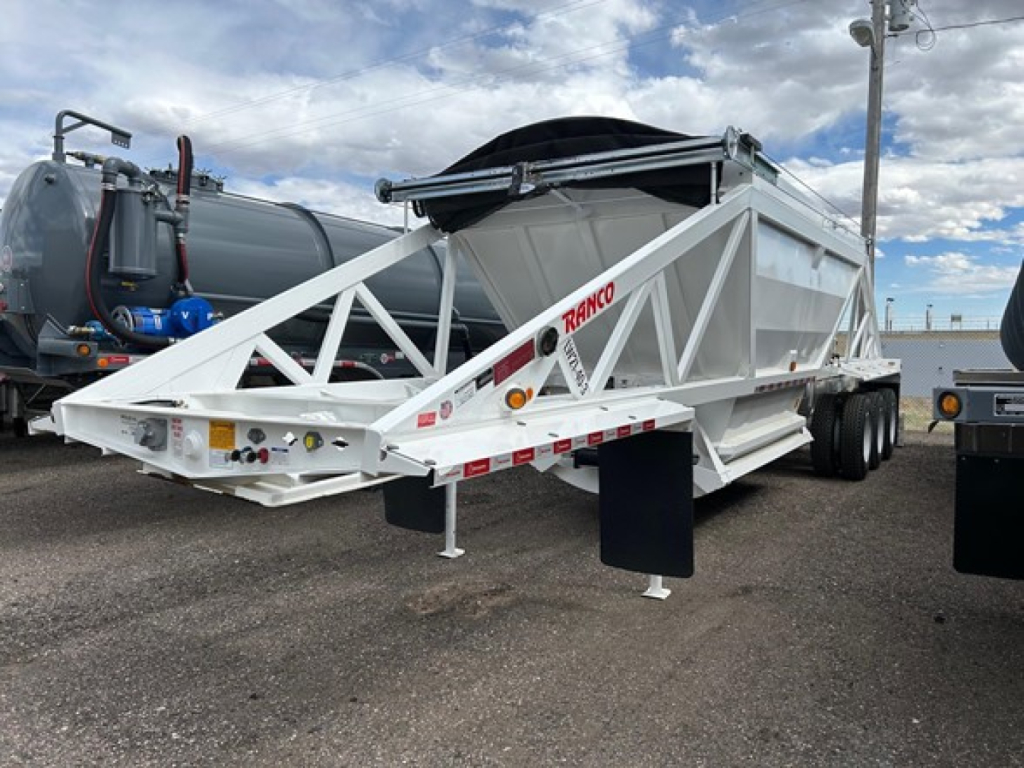
Showing 13 to 14 of 14 results
Have new 2026 trailer to sell? List it here to reach thousands of buyers.
About New 2026 Trailers in Wyoming
For temperature-controlled freight, new reefer trailers are often spec'd at 53' x 102" with air ride suspension, slider tandems, duct floors, wearbands, and aerodynamic side skirts. Buyers should look closely at the refrigeration unit model, fuel efficiency, service network, and interior protection features such as scuff liners, chute systems, and rear door reinforcement. For general freight, flatbed and drop deck trailers remain staple choices because they handle machinery, building materials, pipe, and oversized loads that will not fit in a dry van. Common spec points include aluminum or combo construction for weight savings, steel main beams for strength, stake pockets, pipe spools, sliding winches, nail strips, and ramp or beavertail options for equipment loading.
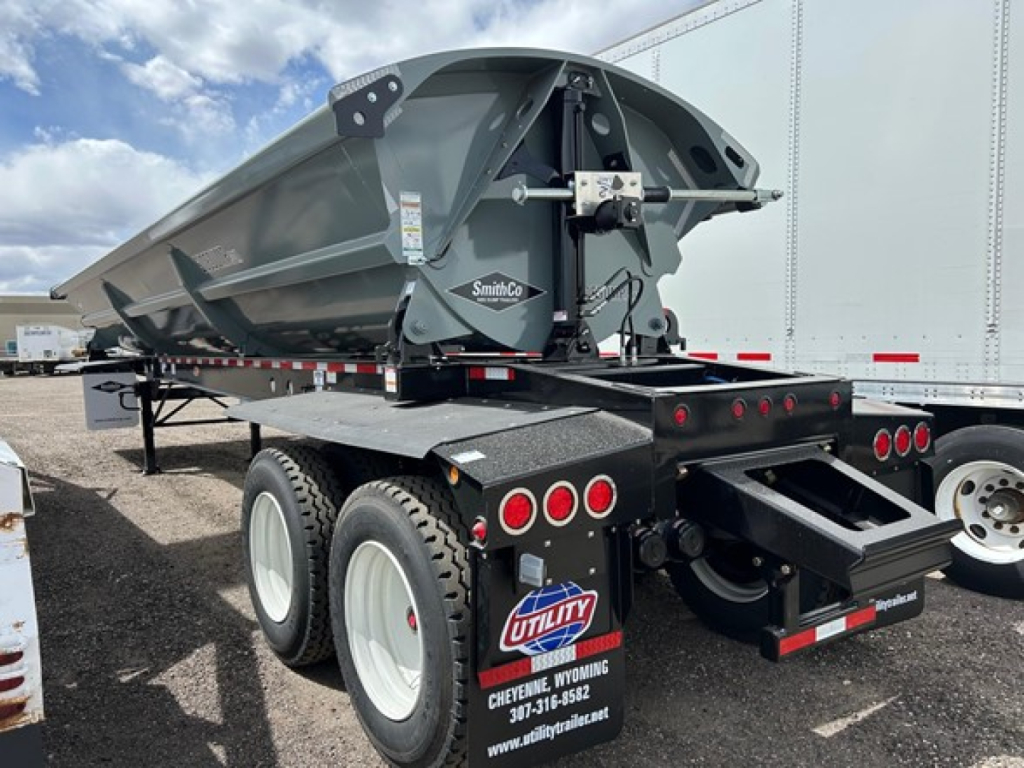
Commodity and oilfield work bring another set of priorities. Bottom dump trailers are valued for fast, controlled unloading of aggregate, road base, and similar bulk material, especially where gate control and hopper design affect spread pattern and cleanout. Vacuum tank trailers used in water, waste, and oilfield service are typically judged on barrel capacity, pump package, baffle layout, compartment design, axle setup, and whether the tank is code or non-code. In Wyoming, tri-axle and lift axle configurations are common where operators need to balance legal payload, jobsite access, and road wear. Air ride suspension, durable lighting, fenders, tarp systems, and reliable level monitoring are practical features that can reduce downtime.
A new 2026 trailer also gives a buyer the advantage of current specs, fresh warranty coverage, and up-to-date compliance equipment. LED lighting, tire inflation systems, air pin sliders, anti-dock-walk protection, and corrosion-resistant components are now common on many premium builds. The best buying decision usually comes down to duty cycle more than brand alone. A reefer built for regional food service use, a flatbed set up for steel and lumber, and a vacuum tanker intended for field service all have very different ideal specifications. Buyers comparing new trailers in Wyoming should focus on payload target, unload method, terrain, maintenance support, and how each configuration fits the exact job the trailer will perform.
Frequently Asked Questions
What types of new 2026 trailers are most common in Wyoming?
Wyoming buyers commonly shop for flatbed trailers, drop deck trailers, reefer trailers, dump and bottom dump trailers, and vacuum tank trailers. The mix reflects the state's freight profile, which includes construction materials, agriculture, machinery, energy-related work, and temperature-sensitive freight. Trailer choice usually depends on cargo dimensions, loading equipment, road conditions, and the need for features such as air ride suspension, lift axles, tarp systems, or refrigeration units.
What should I look for when comparing new reefer trailers?
The most important reefer considerations are trailer insulation performance, refrigeration unit specification, floor design, tandem slider configuration, and interior durability. A 53-foot reefer with a duct floor, wearband protection, reinforced rear doors, and a well-supported refrigeration unit can be a strong fit for grocery, foodservice, and cold-chain freight. Buyers should also consider fuel consumption, service access for the reefer unit, and whether side skirts, tire inflation systems, and air ride suspension are included for efficiency and cargo protection.
How do I choose between a flatbed and a drop deck trailer?
A flatbed is the simpler choice for general freight that can be loaded from the side or top and does not exceed standard deck height limits. A drop deck, also known as a step deck, is the better option when taller equipment or freight needs additional legal height clearance. Buyers should compare deck length, upper and lower deck dimensions, ramp options, beavertail design, winch and stake pocket layout, and overall trailer weight. If self-loading equipment is common, ramps and beavertail configuration become major decision points.
What matters most on a new bottom dump or vacuum tank trailer?
On a bottom dump trailer, gate control, hopper configuration, frame strength, tarp setup, and suspension are key because they affect unload speed, material flow, and trailer life. On a vacuum tank trailer, barrel capacity, pump brand, baffle arrangement, axle count, and code status are critical because they determine legal operation and job capability. For both trailer types, buyers should pay close attention to tire size, wheel spec, lighting, fenders, and overall ease of service because these trailers often work in harsh, high-cycle environments.
Are air ride suspension and tire inflation systems worth it on a new trailer?
For many operations, yes. Air ride suspension generally improves cargo protection, ride quality, and trailer stability compared with mechanical setups, which can matter on rough roads and long hauls. Automatic tire inflation systems help maintain correct tire pressure, which can extend tire life, support fuel economy, and reduce roadside downtime. On premium-spec new trailers, these features often make sense when the trailer runs enough miles or works in conditions where maintenance access is limited.