
New 2021 Trailers For Sale
Shop new 2021 trailers for sale including flatbeds, vans, lowboys, and specialty trailers with key specs, applications, and buying tips.
Selling a new 2021 trailer? List your new 2021 trailer for sale and reach thousands of commercial buyers.
New 2021 Trailers
For general freight, 2021 van trailers are typically 53 feet long and 102 inches wide, with air ride suspension, sliding tandems, wood floors, logistics posts, scuff liners, and swing doors. Buyers should pay close attention to inside height, rear door opening, roof construction, threshold plate design, and sidewall material such as plate or composite plate. For flatbed work, common specs include aluminum-steel combo construction, widespread tandems or standard tandem air ride, winch tracks, chain ties, coil package options, and kingpin settings that affect bridge compliance and tractor pairing. Weight matters on open-deck trailers, especially when payload is the revenue driver, so tare weight, floor rating, crossmember spacing, and tie-down layout deserve a close look.
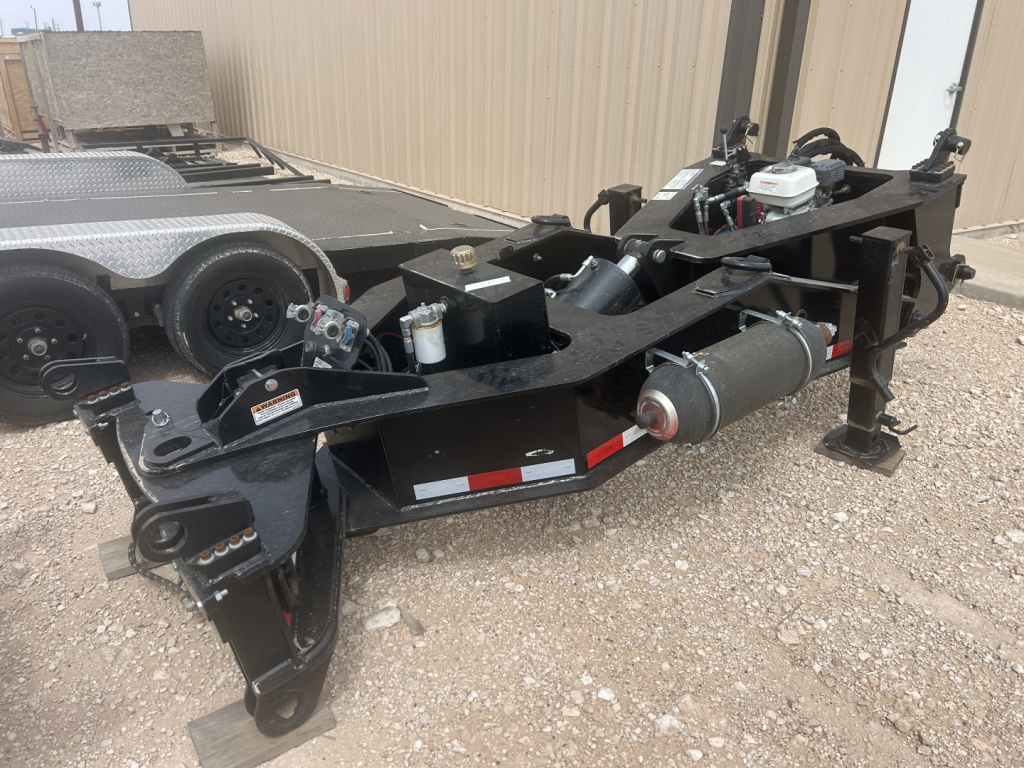
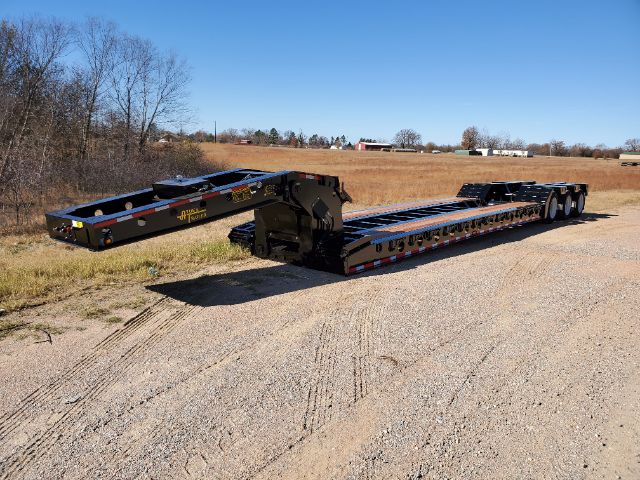
For heavy haul, a 2021 lowboy, also known as a lowbed trailer, is built around capacity, deck height, and loading method. Hydraulic detachable goosenecks are common on 50-ton and 55-ton configurations, with tri-axle groups, air ride suspensions, lift axles, outriggers, D-rings, apitong flooring, and specialized features like bucket wells, boom troughs, and paver-style deck layouts. Buyers should verify loaded deck height, ground clearance, swing clearance, axle spacing, and flip axle compatibility before comparing price. These details affect what machines the trailer can legally and safely move, and they also determine how easily the trailer fits the routes, permits, and loading conditions your operation deals with every day.
Specialty trailers in the 2021 market can also include pneumatic dry bulk units, which are designed to move cement, sand, fly ash, lime, and similar commodities. Key specs here include cubic foot capacity, number of hoppers and domes, discharge configuration, piping material, aeration system, and trailer composition, often aluminum for weight savings. Across all trailer types, a smart buyer should compare suspension brand, tire size, wheel material, kingpin setting, landing gear, lighting package, and maintenance-related features such as galvanized components or tire inflation systems. New 2021 trailers remain attractive to buyers who want modern spec packages without stepping into older equipment, especially when the trailer's build sheet closely matches the freight, machinery, or bulk product being hauled.
Frequently Asked Questions about New 2021 Trailers
What should I look at first when comparing new 2021 trailers for sale?
Start with the trailer's intended application, then verify the core dimensions and ratings that support that work. Length, width, axle configuration, suspension type, floor or deck construction, and payload rating should all line up with the freight or equipment being hauled. After that, compare operational details such as kingpin setting, landing gear, tie-down equipment, tire size, and any specialty features like sliding tandems, detachable goosenecks, or tire inflation systems.
Are 2021 trailers a good choice for buyers who want newer equipment without going to the latest model year?
Yes. A 2021 trailer can offer current design features, modern lighting and brake systems, and widely supported components while avoiding some of the premium attached to the newest build dates. For many fleets and owner-operators, the value is in finding a trailer with the right specification rather than simply the newest calendar year. Condition, maintenance history if applicable, and build configuration matter more than model year alone.
What is the difference between a flatbed, a lowboy, and a van trailer?
A flatbed is an open-deck trailer used for building materials, machinery, steel, and freight that can be loaded from the side or top. A lowboy is a heavy haul trailer with a much lower deck height, built to move tall or heavy equipment such as excavators, pavers, and dozers. A van trailer is an enclosed dry freight trailer designed to protect palletized or dock-loaded cargo from weather and theft. Each design serves a different freight profile, so the best choice depends on cargo dimensions, weight, loading method, and securement requirements.
Why do kingpin setting and axle position matter on a trailer?
Kingpin setting and axle position affect weight distribution, bridge compliance, turning behavior, and compatibility with the tractor. On van and flatbed trailers, sliding tandems provide flexibility to balance axle weights and adapt to state bridge laws. On specialized trailers like lowboys, kingpin and axle spacing influence permit compliance, swing clearance, and how concentrated loads are carried. These are not minor details because they directly affect legal payload and everyday usability.
What features are most important on a heavy haul lowboy trailer?
Capacity rating is only the starting point. Buyers should also examine loaded deck height, deck length, axle count, axle spacing, gooseneck style, ground clearance, outriggers, tie-down points, ramp design, and any specialty sections such as boom wells or bucket wells. A lowboy that looks similar on paper can perform very differently in the field depending on how those details are configured for the machines being transported.