
New 2021 Container Trailers For Sale
Shop new 2021 container trailers and intermodal containers. Compare 20-foot, 40-foot, and 53-foot specs, cube, floor ratings, and door options.
Selling a new 2021 container trailer? List your new 2021 container trailer for sale and reach thousands of commercial buyers.
New 2021 Container Trailers
For freight use, focus first on structural design and compatibility. Domestic containers are commonly built with steel construction, reinforced crossmembers, corner castings for lift handling, and gooseneck tunnels on 53-foot models to work with intermodal chassis. Floor rating is a key spec because forklift traffic and concentrated pallet weight can separate a lighter-duty box from one built for regular loading cycles. Hardwood or laminated oak floors remain common because they hold up well under repeated dock and forklift use. Buyers should also check door hardware, lock box design, weather sealing, and the condition of the roof panels, side rails, and rear frame. On new units, clean welds, straight rails, and consistent door alignment are basic indicators of build quality.
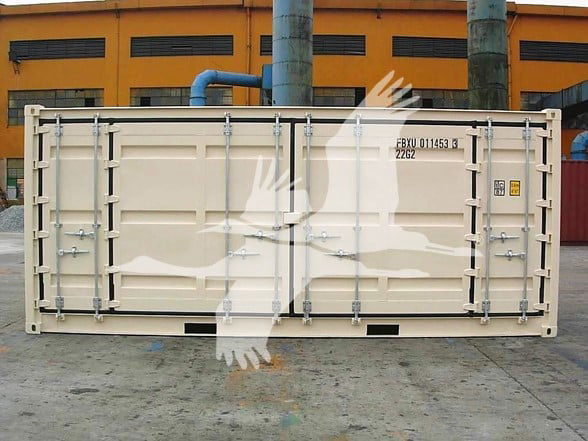
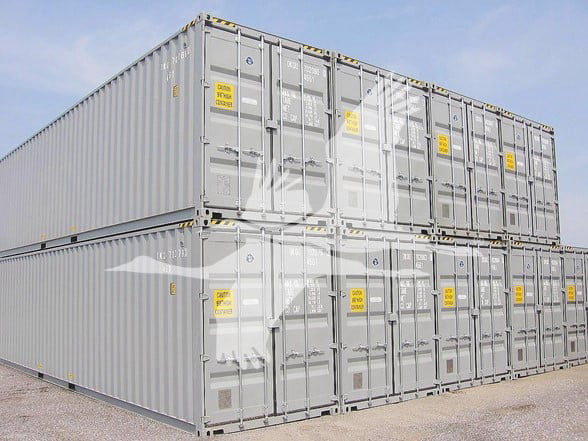
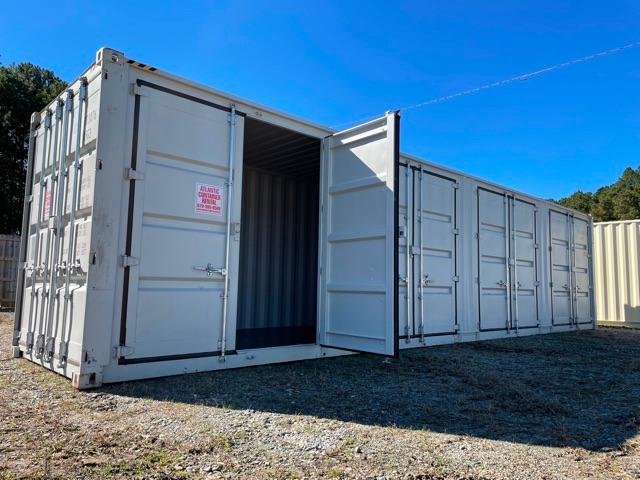
For storage use, practical details usually matter more than transport features. High-cube containers are popular when extra headroom improves stacking, shelving, or walk-in access. Double-door or open-side configurations can improve loading flexibility where a standard rear-door container is too restrictive. Wind-and-water-tight construction, secure locking points, and corrosion-resistant paint systems are worth close attention if the container will sit outdoors year-round. In colder or wetter regions, buyers often prioritize door seal quality and roof integrity to prevent moisture intrusion. In yard environments, color, exterior finish, and ease of placement can matter almost as much as dimensions.
A 2021 new container trailer or container unit should be evaluated by intended use, not just price. If it will move in an intermodal network, confirm domestic rating, lift compatibility, stacking capability, and chassis fit. If it will serve as a stationary asset, compare inside cubic feet, door openings, floor condition, and security features. The best choice is usually the one that matches your freight profile, loading method, and site constraints without adding unnecessary weight or features.
Frequently Asked Questions about New 2021 Container Trailers
What sizes are most common for new 2021 container trailers and containers?
The most common sizes in this category are 20-foot, 40-foot, 40-foot high-cube, and 53-foot domestic containers. A 20-foot unit is often chosen for compact storage or dense cargo, while 40-foot and high-cube containers provide more usable volume for general freight or jobsite storage. A 53-foot domestic container is typically used in North American intermodal and highway freight service because it offers the highest cubic capacity and is designed to work with domestic chassis and rail networks.
What is the difference between a standard container and a high-cube container?
A high-cube container is taller than a standard-height container, which increases interior cubic capacity and makes it better suited for bulky, lightweight freight or storage that benefits from extra headroom. Standard-height units may be sufficient for dense cargo or where vertical clearance is limited. Buyers comparing the two should look at internal height, door opening dimensions, and the effect of added cube on loading efficiency.
What specs matter most when buying a container for freight use?
For freight service, the most important specs are floor rating, structural reinforcement, corner castings, crossmember design, door hardware, and compatibility with the chassis or intermodal system being used. On 53-foot domestic units, the gooseneck tunnel and overall construction details are especially important because they affect fit and handling. Buyers should also confirm that the container can tolerate forklift loading, repeated dock cycles, and any stacking or lift requirements in the operating environment.
Are new container units a good choice for storage applications?
Yes. New container units are often preferred for storage because they typically offer cleaner interiors, better door sealing, more consistent structural condition, and fewer prior repairs than older used boxes. For storage duty, buyers usually prioritize wind-and-water-tight construction, lock box security, door ease of operation, and the right size for the site. High-cube and specialty door configurations can be especially useful when access and interior usability matter more than transport requirements.
How do I choose between rear doors, double doors, and open-side access?
Rear-door containers are the standard choice for general freight and basic storage because they are simple, secure, and widely available. Double-door units improve pass-through loading and unloading, which can help in tight yards or when accessing cargo from either end is useful. Open-side containers provide the best side access for oversized items, hand-loaded materials, or storage setups that require shelving and frequent entry, but buyers should balance that convenience against cost and the specific security needs of the application.